Medication Rash Treatment: A Comprehensive Guide to Identifying, Managing, and Preventing Drug-Induced Skin Reactions
Learn medication rash treatment strategies to identify, manage, and prevent drug-induced skin reactions safely and effectively with our comprehensive guide.

Estimated reading time: 8 minutes
Key Takeaways
- Recognize early signs of drug-induced rashes to prevent complications.
- Safely discontinue the offending medication under professional guidance.
- Apply appropriate OTC or prescription treatments based on rash severity.
- Implement preventive strategies and maintain a detailed allergy log.
- Seek immediate medical attention for red-flag symptoms such as difficulty breathing or widespread skin peeling.
Table of Contents
- Understanding Medication-Induced Rashes
- Identifying the Signs and Symptoms
- Diagnosis and When to Seek Professional Help
- Medication Rash Treatment Options
- Managing and Preventing Future Occurrences
- Patient Education and Resources
- Conclusion
- FAQ
Section 1: Understanding Medication-Induced Rashes
A medication-induced rash occurs when a drug triggers an adverse skin response. These eruptions fall into two main categories:
- Immune-mediated allergy (drug allergy)
- Non-immune toxicity or photosensitivity
Onset can vary from days after starting a medication to weeks later or even after stopping the drug. Key types of drug eruptions include:
- Morbilliform eruption: Small red macules or papules on the trunk, often coalescing, generally benign.
- Urticaria (hives): Transient, itchy wheals that may include angioedema of the lips, eyelids, or tongue.
- Fixed drug eruption: Round, dusky-red or brown patches that recur at the same site upon re-exposure.
- Photosensitivity reaction: Rash in sun-exposed areas after UV exposure and certain medications.
- Severe cutaneous adverse reactions (SCARs): Stevens 6Johnson syndrome/toxic epidermal necrolysis (SJS/TEN), DRESS (Drug Reaction with Eosinophilia and Systemic Symptoms), AGEP (Acute Generalized Exanthematous Pustulosis).
- Anaphylaxis with rash: Diffuse hives combined with respiratory compromise or hypotension.
Common culprit drugs include penicillins, sulfonamides, antiepileptics (e.g., carbamazepine), NSAIDs, and radiographic contrast agents. Recognizing these patterns guides appropriate treatment decisions, from drug cessation to targeted therapy. For a more detailed overview of identifying and managing drug-induced skin reactions, see our Medication Rash Treatment: A Comprehensive Guide to Identifying and Managing Drug-Induced Skin Reactions.
Section 2: Identifying the Signs and Symptoms
Early recognition is vital. Look for:
- New red spots, patches, or bumps
- Itching (pruritus), burning, or stinging sensations
- Raised welts (hives), dryness, scaling
- Facial, lip, or eyelid swelling
- Systemic signs: fever, malaise, joint aches, lymphadenopathy (in SCARs)
Keep a log of medication start dates versus rash onset. Red-flag symptoms requiring immediate attention include:
- Difficulty breathing, throat tightness, or swallowing issues
- Swelling of the tongue, lip, or face
- Dizziness or hypotension
- Blisters, widespread skin peeling, or mucosal sores
- High fever, chills, jaundice, or dark urine
If any red-flag appears, call emergency services or visit the nearest ER.
Section 3: Diagnosis and When to Seek Professional Help
Accurate diagnosis relies on thorough history, exam, and selective testing:
- Medical history: List all current and past medications, start/stop dates, and previous reactions.
- Physical exam: Evaluate rash morphology, distribution, and mucosal involvement.
- Laboratory tests: CBC with eosinophils, liver/kidney panels, inflammatory markers for suspected DRESS.
- Skin biopsy: Reserved for severe, blistering, or unclear eruptions.
Clinicians use pattern recognition and exclusion to identify the culprit. Never abruptly stop essential medications without professional guidance. Document rash onset, provide time-stamped photos, and list any self-treatments. For more details, see our previous post identifying drug-induced rash symptoms. Specialist input from dermatology or allergy/immunology is advised for severe or uncertain cases.
Section 4: Medication Rash Treatment Options
Treatment depends on reaction severity and generally follows these steps:
- Discontinue or adjust the offending drug: Stop non-essential medications promptly; specialists should manage essential therapies. In SJS/TEN, early withdrawal significantly reduces mortality.
- Over-the-counter (OTC) remedies: Oral antihistamines (cetirizine, loratadine), topical corticosteroids (hydrocortisone), emollients, cool compresses, and gentle cleansers.
- Prescription treatments: Stronger topical steroids, systemic corticosteroids for extensive eruptions, immunosuppressants or IVIG in SJS/TEN, and emergency epinephrine for anaphylaxis.
- Supportive care for SCARs: ICU admission for SJS/TEN, IV fluids, nutritional support, wound care, pain management, and infection prevention.
For additional guidance, review managing drug allergy rash. Combining prompt drug cessation with tailored therapies helps control symptoms and prevent complications. For a more in-depth look at identifying, managing, and preventing drug-induced rashes, explore our Medication Rash Treatment: A Complete Guide to Identifying, Managing, and Preventing Drug-Induced Rashes and our Medication Rash Treatment: Identifying, Managing, and Preventing Drug-Induced Skin Reactions. For a step-by-step approach to identifying, managing, and preventing drug-induced skin reactions, see our Medication Rash Treatment: Comprehensive Guide to Identifying and Preventing Drug-Induced Skin Reactions. For further reading, check out our Medication Rash Treatment: Comprehensive Guide to Identifying and Managing Reactions. For a comprehensive resource, you can also review our Medication Rash Treatment: A Complete Guide to Identifying, Managing & Preventing Drug-Induced Rashes. For a comprehensive overview of drug-induced skin reactions and their management, see our Medication Rash Treatment: A Complete Guide to Identifying, Managing & Preventing Drug-Induced Rashes. For a comprehensive, step-by-step approach, see our Comprehensive Guide to Medication Rash Treatment: Identifying and Managing Drug-Induced Skin Reactions and our Medication Rash Treatment: A Comprehensive Guide to Identifying, Managing & Preventing Drug-Induced Rashes. For a comprehensive, up-to-date resource, see our Medication Rash Treatment: Identify, Diagnose, and Manage Skin Reactions, our Expert Guide to Medication Rash Treatment: Identifying, Managing, and Preventing Drug-Related Skin Reactions, and our Medication Rash Treatment: A Comprehensive Guide to Identifying and Managing Drug-Induced Skin Reactions. For a practical approach, see our practical guide to identifying and managing drug-induced rashes and for a comprehensive overview, see our comprehensive guide to drug-related skin reactions. For a comprehensive overview of treatment, see our complete guide to medication rash treatment: identifying, managing & preventing drug-induced rashes. For a comprehensive overview of identifying and managing drug-induced skin reactions, see our Medication Rash Treatment: A Comprehensive Guide to Identifying and Managing Drug-Induced Skin Reactions. For a comprehensive guide to managing drug-induced skin reactions, see our Medication Rash Treatment: A Comprehensive Guide to Managing Drug-Induced Skin Reactions. For a comprehensive guide to managing and preventing drug-induced skin reactions, see our Medication Rash Treatment: A Guide to Managing and Preventing Skin Reactions, our Medication Rash Treatment: Identify, Manage, and Prevent Drug-Induced Skin Reactions, and our Medication Rash Treatment: Comprehensive Guide to Drug-Induced Skin Reactions. For a comprehensive, up-to-date guide, see our Medication Rash Treatment: Comprehensive Guide to Identification and Management. For a detailed overview on managing drug-induced skin reactions, see our complete guide to managing drug-induced skin reactions. For a detailed, step-by-step approach to identifying and managing drug-induced skin reactions, see our Medication Rash Treatment: How to Identify, Manage, and Prevent Medication-Induced Rashes.
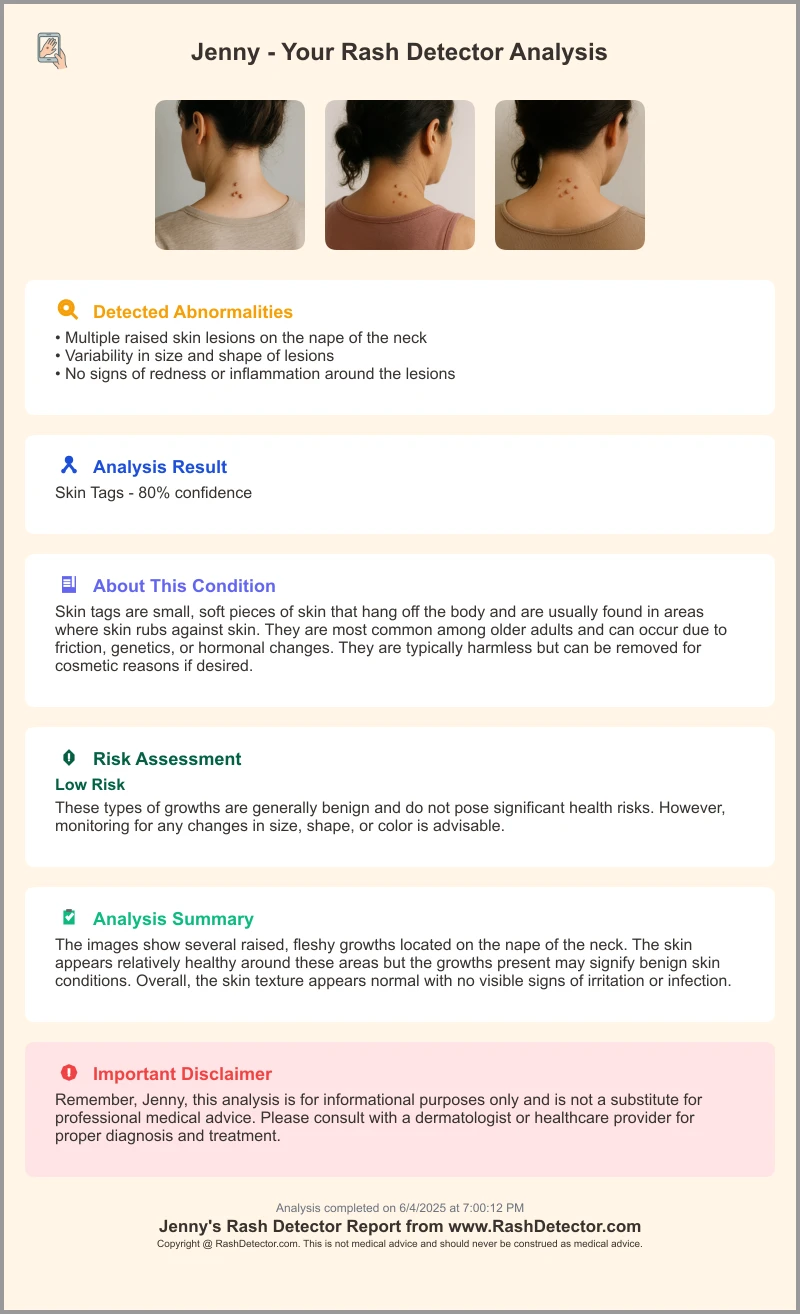
Quick AI Assessment
For a fast, at-home analysis, try the Rash Detector app. Simply upload clear images of your rash and receive an AI-generated report almost instantly.
Section 5: Managing and Preventing Future Occurrences
Home management tips for mild rashes include:
- Continue OTC antihistamines and topical steroids as directed
- Use emollients to maintain skin hydration
- Avoid hot baths and fragranced products; opt for cool showers
- Wear soft, loose clothing; use cold compresses to reduce itching
- Resist scratching by using nail covers or gloves at night
Preventive strategies:
- Document drug allergies in medical records and consider a medical alert ID
- Inform every healthcare provider of past reactions
- Avoid cross-reactive drug classes; discuss alternatives with your provider
- Patch testing or allergy evaluation under specialist guidance
- Gradual dose escalation for high-risk drugs in supervised settings
- Specialist-supervised rechallenge or desensitization when needed
Report adverse drug reactions to national pharmacovigilance programs to enhance drug safety data.
Section 6: Patient Education and Resources
Self-monitoring and follow-up:
- Maintain a medication and allergy log with names, doses, dates, and reaction details
- Photograph new rashes and track changes over time
- Schedule follow-up with a dermatologist or allergist after serious reactions
Trusted resources for further reading:
Consult specialists as needed:
- Pharmacist: medication review and OTC advice
- Dermatologist: uncertain diagnosis, extensive or blistering rash, mucosal involvement, or history of SCARs
Conclusion
Medication-induced rashes range from mild, self-limiting eruptions to potentially fatal emergencies. Prompt recognition, safe discontinuation of the culprit drug, appropriate therapy, and preventive strategies are essential. Document allergies, communicate clearly with healthcare providers, and monitor new medications to reduce future risks. Combining accurate diagnosis with evidence-based interventions ensures effective management of drug-induced skin reactions.
FAQ
How soon can a medication rash appear?
Rashes may develop within hours to days of starting a drug or weeks after exposure. Some reactions emerge even after the medication is stopped.
How do I know if a rash is drug-related?
Keep a log of new medications and track rash onset. Drug rashes often present with itching, systemic symptoms, and recur at the same site on re-exposure.
Can I treat a mild drug rash at home?
Yes, mild rashes often respond to OTC antihistamines, topical corticosteroids, and emollients. Seek professional advice before stopping any essential medication. For more information, see our Medication Rash Treatment: A Comprehensive Guide to Identifying, Managing, and Preventing Drug-Induced Rashes.
When should I seek emergency care?
Go to the ER if you experience difficulty breathing, swelling of the face or throat, widespread skin peeling, high fever, or signs of organ involvement.
How can I prevent future drug rashes?
Document all allergies, wear a medical alert ID, inform healthcare providers, avoid cross-reactive drugs, and consider patch testing or supervised desensitization. For a comprehensive overview of identifying, managing, and preventing medication-induced rashes, see our Medication Rash Treatment: A Comprehensive Guide to Identifying and Managing Drug-Induced Skin Reactions. For a detailed, practical overview, see our Medication Rash Treatment: A Comprehensive Guide to Identifying, Managing, and Preventing Drug-Induced Rashes. For a complete guide to identifying and managing drug-induced skin reactions, see our Medication Rash Treatment: A Complete Guide to Identifying, Managing & Preventing Drug-Induced Rashes. For a comprehensive, step-by-step approach to identifying and managing drug-induced skin reactions, see our Complete Guide to Medication Rash Treatment: Identify, Manage, and Prevent Drug-Induced Skin Reactions.