Folliculitis Treatment Journeys: How to Heal and Prevent Recurrence
Explore effective folliculitis treatment journeys with home care, meds, and prevention tips. Check your rash now with AI guidance from Rash Detector.


Estimated reading time: 15 min
Key Takeaways
- Folliculitis treatment approaches vary from home care to medical options depending on severity and cause, requiring a personalized approach.
- Topical antibiotics and antibacterial washes can be helpful for mild to moderate folliculitis; oral antibiotics and sometimes systemic therapies may be needed for severe or recurrent cases.
- Avoid shaving, tight clothing, friction, and irritants during treatment to promote healing and help prevent spread or worsening of infection.
- Prevent recurrence through good hygiene practices, using clean razors, avoiding contaminated hot tubs or pools, and managing hair removal safely.
- Seek medical attention promptly if redness spreads, boils develop, lesions persist despite treatment, or systemic symptoms such as fever occur.
Table of Contents
- Section 1: Understanding Folliculitis and Its Causes
- Section 2: Home Care Essentials for Mild Folliculitis
- Section 3: Topical and Oral Treatments for Folliculitis
- Section 4: Avoiding Common Mistakes During Treatment
- Section 5: Preventing Folliculitis Recurrence
- Section 6: When Folliculitis Requires Medical Attention
- Section 7: Advanced Treatment Options for Chronic Cases
- Conclusion
- FAQ
Section 1: Understanding Folliculitis and Its Causes
What is Folliculitis?
Folliculitis is an inflammation or infection of hair follicles, which are tiny pockets within the skin from which individual hairs grow. This condition can appear as small red bumps, pustules (pus-filled lesions), or sometimes clusters of these lesions surrounding hair shafts. These spots may be itchy, tender to the touch, and occasionally painful, depending on severity and cause. Folliculitis can occur on any skin area with hair follicles, but common sites include the scalp, face, neck, upper chest, back, legs, and buttocks.
Clinically, folliculitis may present as superficial (affecting the upper part of the follicle) or deep (affecting the entire follicle and surrounding skin), with the latter often being more painful and prone to scarring. Recognizing the pattern and severity of folliculitis helps guide appropriate treatment choices.
Common Causes of Folliculitis
Folliculitis can be triggered by various infectious and non-infectious causes, each influencing the clinical presentation and treatment approach. The main causes include:
- Bacterial infections: The most common cause is Staphylococcus aureus, including methicillin-sensitive and sometimes methicillin-resistant strains (MRSA). These bacteria can invade hair follicles, especially if the skin barrier is broken or irritated.
- Fungal or yeast infections: Certain fungi and yeasts, such as Malassezia species or dermatophytes, can infect hair follicles, especially in warm, moist areas like the groin, armpits, or under breasts.
- Hot tub folliculitis: Caused by the bacteria Pseudomonas aeruginosa, this type occurs after exposure to inadequately chlorinated pools or hot tubs. It typically presents with itchy red bumps and pustules within a few days after exposure.
- Ingrown hairs or irritant folliculitis: Mechanical irritation from shaving, waxing, friction from tight clothing or sports equipment, and occlusive skin products can cause non-infectious folliculitis. This type results from hair shafts curling back into the skin or follicular irritation without bacterial invasion.
Other less common causes include viral infections (e.g., herpes simplex virus), certain medications that induce follicular inflammation, or systemic conditions like diabetes that may predispose individuals to infections.
Why Understanding Cause Matters
Identifying the underlying cause of folliculitis is important because treatment depends heavily on etiology. For example, antibacterial antibiotics are effective against bacterial folliculitis but ineffective against fungal or viral causes. Conversely, antifungal treatments are necessary to resolve fungal folliculitis but will not help bacterial infections.
Hot tub folliculitis caused by Pseudomonas aeruginosa is often self-limited, resolving within 1-2 weeks without antibiotics, but avoiding re-exposure to contaminated water is important for healing and prevention. On the other hand, bacterial folliculitis caused by resistant strains may require targeted antibiotic therapy.
Non-infectious folliculitis resulting from shaving or friction requires behavioral adjustments to prevent ongoing irritation and recurrence.
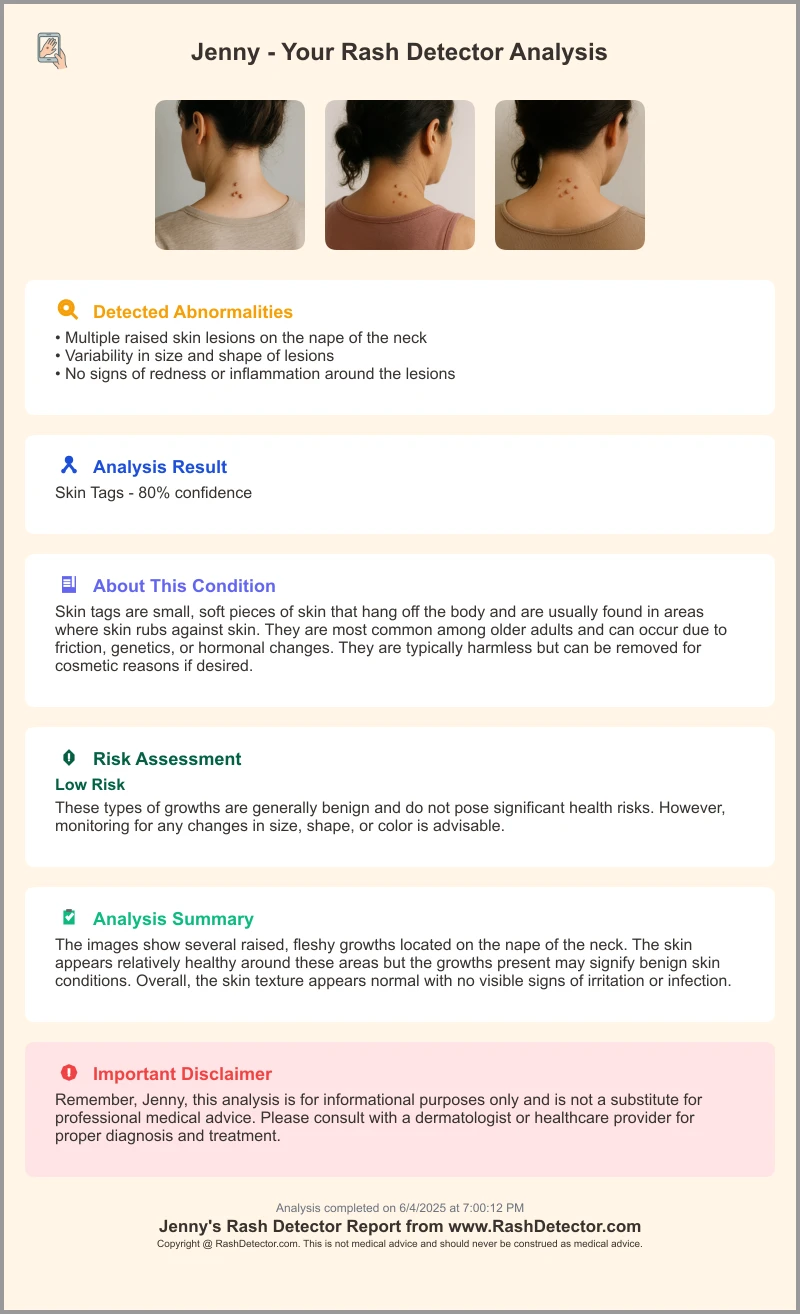
For those seeking a clearer understanding of their rash, tools like Rash Detector provide AI-powered analysis by uploading photos of the affected skin, which can help identify possible causes and guide appropriate next steps. However, these tools are adjuncts and not substitutes for professional medical evaluation.
Section 2: Home Care Essentials for Mild Folliculitis
Warm Compresses and Gentle Cleansing
For many cases of mild folliculitis, especially those limited in size and symptoms, home care can be helpful in promoting healing and preventing progression. One of the simplest and most beneficial measures is the application of warm compresses. Warmth increases local blood flow, which may enhance the body's immune response and help follicles drain accumulated pus or debris.
To apply a warm compress, soak a clean washcloth in warm (not hot) water, wring out excess moisture, and place it gently on the affected area for 10-15 minutes. Repeat this process 3-4 times a day. This can help reduce inflammation and soothe itching or discomfort.
Gentle cleansing is equally important. Avoid harsh soaps, scrubbing, or abrasive exfoliants that can aggravate the skin and worsen folliculitis. Instead, use mild antibacterial washes or antiseptic cleansers such as chlorhexidine gluconate (commonly available as a 4% solution) or over-the-counter benzoyl peroxide washes (typically 2.5% to 5%). These agents may reduce bacterial colonization on the skin surface, lowering the risk of infection spreading or persisting.
When using cleansers, apply them gently with lukewarm water, rinse thoroughly, and avoid leaving residues on the skin, which can cause irritation. Limit cleansing to twice daily to prevent excessive dryness.
Keeping the Area Clean and Dry
Maintaining a clean, dry environment around the affected follicles is important to recovery. Moisture trapped by sweating, tight clothing, or occlusive dressings creates an environment that may promote bacterial and fungal growth, worsening folliculitis.
After cleansing, pat the skin dry carefully using a clean towel or allow the area to air dry. Avoid rubbing the skin, which can further irritate follicles. When dressing, select loose-fitting, breathable clothing made of natural fibers like cotton to reduce friction and moisture buildup.
If folliculitis affects areas prone to sweating, such as the groin or underarms, consider using absorbent powders or antiperspirants (if tolerated) to keep the skin dry. However, avoid products with heavy fragrances or irritants that may exacerbate inflammation.
When to Expect Improvement
With consistent home care measures—warm compresses, gentle cleansing, and keeping the area dry—mild folliculitis often begins to improve within several days. The redness, swelling, and pustules may diminish gradually, and itching or tenderness usually subsides.
If there is no noticeable improvement after about one week of home treatment, or if symptoms worsen (e.g., increased pain, spreading redness), it is advisable to consult a healthcare professional for further evaluation and possible medical treatment.
Section 3: Topical and Oral Treatments for Folliculitis
Topical Antibacterial Treatments
When folliculitis is suspected to be bacterial, particularly caused by Staphylococcus aureus, topical antibiotic therapy is often used for mild to moderate cases. These agents target bacteria directly at the site of infection, minimizing systemic side effects.
Common topical antibiotics include:
- Mupirocin: Available as a 2% ointment, mupirocin is effective against Staphylococcus aureus, including some methicillin-resistant strains. It is typically applied 2-3 times daily to the affected area for up to 10 days. Mupirocin inhibits bacterial protein synthesis, leading to bacterial death.
- Clindamycin: Often used as a 1% topical solution or gel, clindamycin may be helpful for resistant infections or multiple lesions. It also has anti-inflammatory properties. Application is usually twice daily for up to 14 days.
- Antiseptics: Benzoyl peroxide washes (2.5%-5%) and chlorhexidine gluconate cleansers can help reduce bacterial load on the skin surface and prevent spread. These are often used alongside topical antibiotics rather than alone.
When using topical antibiotics, it is important to apply only a thin layer to clean skin and follow the prescribed duration to help prevent resistance development. Avoid using potent topical steroids unless specifically instructed by a healthcare provider, as they can worsen infections.
Oral Antibiotics for Severe or Extensive Cases
In cases where folliculitis is extensive, painful, deep, or recurrent, oral antibiotics may be necessary to achieve adequate tissue levels and resolve infection. These medications are prescribed based on the suspected or confirmed pathogen and local antibiotic resistance patterns.
Common oral antibiotic choices include:
- Cephalexin: A first-generation cephalosporin effective against many skin bacteria, including methicillin-sensitive Staphylococcus aureus. Typical dosing is 250-500 mg orally every 6 hours for 7-14 days depending on severity.
- Doxycycline: A tetracycline antibiotic used for resistant infections or when anti-inflammatory effects are desirable (e.g., in folliculitis decalvans). Dosage usually ranges from 100 mg twice daily for 7-14 days.
- Trimethoprim-sulfamethoxazole (TMP-SMX): Sometimes employed in areas with high MRSA prevalence, dosed based on weight and severity.
It's important to complete the full course of antibiotics as prescribed, even if symptoms improve earlier, to help prevent recurrence and resistance.
Treatment Based on Specific Causes
Tailoring treatment to the folliculitis cause may optimize outcomes:
- Fungal folliculitis: Topical antifungal creams such as ketoconazole or clotrimazole may be applied for 2-4 weeks. In more extensive or resistant cases, oral antifungals like fluconazole or itraconazole might be prescribed. Identifying fungal involvement usually requires clinical suspicion or laboratory confirmation.
- Hot tub folliculitis: Usually self-limited, resolving within 1-2 weeks without antibiotics. Symptomatic relief with warm compresses and topical antiseptics is recommended. Avoiding further exposure to contaminated pools or hot tubs is important.
- Ingrown hair-related folliculitis: Focuses on preventing hair follicle trauma. Use soothing topical agents like low-strength hydrocortisone cream or topical antibiotics if secondary infection occurs. If ingrown hairs are frequent, consider hair removal alternatives such as electric razors or laser therapy.
Section 4: Avoiding Common Mistakes During Treatment
Don’t Shave or Wax Until Healed
One common mistake during folliculitis treatment is continuing hair removal through shaving or waxing in affected areas. These practices can aggravate follicular inflammation by causing microtrauma, opening new pathways for bacteria, and increasing irritation.
To promote healing, avoid shaving, waxing, plucking, or other hair removal methods on the affected area until the rash has cleared, which typically takes 1-2 weeks depending on severity.
If hair removal is essential, discuss safer alternatives with a dermatologist. For example, laser hair removal offers a long-term solution by permanently reducing hair growth in targeted areas, thereby potentially minimizing folliculitis risk. Additionally, electric razors that do not cut hair as close to the skin may reduce ingrown hairs.
Avoid Tight Clothing and Friction
Tight or synthetic clothing can trap moisture and generate friction, both of which may exacerbate folliculitis. Friction irritates hair follicles mechanically, while trapped sweat increases bacterial and fungal colonization.
During treatment, wear loose-fitting clothes made from breathable, natural fabrics such as cotton or moisture-wicking materials designed for sensitive skin. Avoid tight waistbands, straps, or athletic gear that rubs against affected areas.
Don’t Squeeze or Pick Lesions
It is tempting to pop pustules or pick scabs, but this behavior can worsen folliculitis by spreading infection to adjacent follicles, prolonging healing, and increasing the risk of scarring. Instead, allow lesions to resolve naturally or under medical supervision if drainage is required.
If lesions become large abscesses or boils, seek medical attention for possible incision and drainage under sterile conditions.
Avoid Sharing Towels or Razors
Sharing personal items like towels, razors, or clothing can transmit bacteria such as Staphylococcus aureus, leading to new infections or outbreaks of folliculitis within households or communities.
Use your own clean towels, razors, and clothing. Launder these items regularly in hot water (at least 60°C or 140°F) to reduce bacterial load. Disinfect razors and avoid sharing them even among family members.
Section 5: Preventing Folliculitis Recurrence
Practice Good Hygiene
Prevention of folliculitis recurrence starts with consistent hygiene practices. Regular showering, especially after sweating from exercise or hot weather, removes sweat, oils, and bacteria that can clog hair follicles.
For individuals prone to folliculitis, using antibacterial or antiseptic cleansers such as chlorhexidine or benzoyl peroxide washes may reduce skin colonization by pathogenic bacteria. These products can be used daily or as recommended by a healthcare professional.
Manage Hair Removal Safely
Improper shaving technique is a major contributor to folliculitis. To minimize risk:
- Use clean, sharp razors. Replace disposable razors after several uses or sooner if dull.
- Shave in the direction of hair growth to reduce irritation and ingrown hairs.
- Consider electric razors or depilatory creams if shaving triggers folliculitis.
- Avoid waxing or plucking if these cause recurrent irritation.
- Apply a soothing aftershave balm or an antibiotic ointment after shaving susceptible areas.
Keep Towels and Clothing Clean
Repeated use of unwashed towels, washcloths, or clothing can reintroduce bacteria to the skin. Launder these items frequently using hot water cycles and a high-quality detergent. Avoid sharing personal linens or clothing with others.
Be Cautious with Pools and Hot Tubs
Hot tub folliculitis arises from exposure to Pseudomonas aeruginosa in inadequately chlorinated water. To reduce risk:
- Verify that pools and hot tubs are properly maintained with appropriate chlorine and pH levels.
- Avoid prolonged soaking in public pools or hot tubs if you have broken skin or compromised immunity.
- Shower immediately after swimming and dry thoroughly.
- If prone to folliculitis, consider avoiding communal hot tubs or swimming in natural bodies of water where contamination risk is unknown.
Use Oil-Free Skin Products
Oily or heavy skincare products can clog hair follicles and potentially exacerbate folliculitis by trapping bacteria and creating an occlusive environment. Choosing non-comedogenic, oil-free, and fragrance-free lotions, sunscreens, and cosmetics helps keep follicles clear.
Regular exfoliation with gentle products can also help prevent buildup of dead skin cells that can block follicles, but avoid harsh scrubs during active folliculitis episodes.
Section 6: When Folliculitis Requires Medical Attention
Signs to See a Doctor
While mild folliculitis often resolves with home care, certain signs warrant prompt medical evaluation to prevent complications:
- Spreading redness or swelling: If the area of redness extends beyond the initial rash, it may indicate cellulitis, a deeper skin infection requiring systemic antibiotics.
- Deep, painful boils or abscesses: Large, fluctuant lesions may need incision and drainage to remove pus and relieve pressure.
- Recurrent or persistent episodes: Folliculitis that does not improve with treatment or returns frequently may indicate underlying conditions such as diabetes, immune deficiency, or resistant bacteria.
- Systemic symptoms: Fever, malaise, or lymphadenopathy alongside skin lesions suggest a more serious infection.
- Concerns about resistant bacteria: If MRSA (methicillin-resistant Staphylococcus aureus) is suspected, specialized antibiotic therapy and infection control measures may be necessary.
Diagnostic Testing
A healthcare provider may perform diagnostic tests to identify the causative agent and tailor treatment:
- Skin culture: Swabbing or aspirating pus from lesions to grow bacteria or fungi in the lab.
- Skin biopsy: In chronic, atypical, or unresponsive cases, a small skin sample may be taken for microscopic examination.
- Blood tests: To evaluate immune status or systemic infection if indicated.
These tests help guide selection of appropriate antibiotics or antifungals and help rule out other skin conditions that mimic folliculitis.
Follow-Up and Monitoring
Regular follow-up with a healthcare provider ensures that treatment is effective and allows early detection of recurrence or complications. If folliculitis returns frequently, referral to a dermatologist can help investigate underlying causes such as bacterial colonization, skin disorders, or systemic illness.
In some cases, preventive therapies such as nasal mupirocin to reduce Staphylococcus aureus colonization or long-term antibiotic prophylaxis may be considered under medical supervision.
Section 7: Advanced Treatment Options for Chronic Cases
Longer Antibiotic Courses and Combination Therapies
Chronic or recurrent folliculitis sometimes requires more intensive treatment strategies. Prolonged courses of oral antibiotics, sometimes lasting several weeks, may be necessary to fully eradicate infection. Combination therapy using both topical and systemic antibiotics can improve outcomes by targeting bacteria at multiple levels.
In cases where resistant bacteria such as MRSA are involved, culture-guided antibiotic choices are important to avoid ineffective treatment and reduce resistance development.
Isotretinoin for Resistant Folliculitis
For severe, stubborn folliculitis that does not respond to conventional antibiotics, isotretinoin may be prescribed off-label. This vitamin A derivative reduces sebaceous gland activity, oil production, and inflammation, creating an environment less conducive to bacterial growth.
Isotretinoin treatment requires careful monitoring due to potential side effects such as dry skin, elevated liver enzymes, and teratogenicity. Patients should be managed by dermatologists experienced with this medication, with regular blood tests and pregnancy prevention counseling for women of childbearing age.
Laser Hair Removal
Laser hair removal can be a preventive strategy for folliculitis caused by ingrown hairs or repeated shaving trauma. By reducing hair density and follicle size in affected areas, laser treatments may decrease the likelihood of follicular irritation and infection.
Multiple sessions spaced weeks apart are typically needed for optimal results. Laser hair removal should be performed by trained professionals, and patients should avoid sun exposure before and after treatment to minimize complications.
Environmental and Lifestyle Adjustments
Managing chronic folliculitis also involves identifying and avoiding environmental triggers that may perpetuate the condition. This may include:
- Avoiding contaminated water sources, such as poorly maintained pools or hot tubs.
- Switching to fragrance-free, hypoallergenic skin care products to reduce irritation.
- Wearing loose, natural-fiber clothing to minimize friction and moisture retention.
- Addressing underlying systemic issues such as diabetes or immune suppression with appropriate medical care.
Conclusion
Folliculitis treatment approaches vary depending on the rash’s cause, severity, and individual factors. Many cases improve with conservative home care, including warm compresses, gentle cleansing, and topical antibiotics tailored to the infection type. More severe or recurrent cases may require oral antibiotics or advanced therapies such as isotretinoin or laser hair removal.
Avoiding shaving, friction, and sharing personal items supports healing and helps prevent spread. Prevention through good hygiene, safe hair removal techniques, and avoiding contaminated pools or hot tubs is important to reduce recurrence and maintain skin health.
If you are uncertain about your rash or if folliculitis symptoms worsen, it is essential to consult a healthcare professional for diagnosis and tailored treatment. For quick, AI-driven guidance, Rash Detector offers instant analysis by simply uploading photos—helping you understand your condition and next steps with confidence.
FAQ
Q: What is the fastest way to get rid of folliculitis at home?
A: Applying warm compresses several times daily to soothe inflammation and promote drainage, using gentle antibacterial cleansing with antiseptic washes like chlorhexidine or benzoyl peroxide, and keeping the area clean and dry are helpful home care steps. Avoid shaving or irritating the area during healing. Mild cases often improve within several days with these measures.
Q: Do folliculitis treatments require antibiotics, or can it clear on its own?
A: Mild folliculitis often clears with home care alone, especially if caused by irritation or minor bacterial colonization. Topical antibiotics can help speed healing for bacterial infections. Oral antibiotics are generally reserved for severe, widespread, or recurrent cases. Fungal folliculitis requires antifungal agents. Proper diagnosis is important to guide treatment.
Q: How long does folliculitis take to heal with treatment?
A: Mild folliculitis usually begins to improve within several days of starting treatment and may resolve completely within 1-2 weeks. More severe or deep infections may take longer, especially if oral antibiotics or other therapies are needed. Follow your healthcare provider’s guidance for treatment duration.
Q: What is the best treatment for recurrent or chronic folliculitis?
A: Chronic folliculitis may require longer antibiotic courses, combination topical and oral therapies, or advanced options like isotretinoin or laser hair removal. Identifying and avoiding triggers, practicing preventative hygiene, and consulting a dermatologist for tailored management are important for long-term control.
Q: How do you treat folliculitis from shaving or ingrown hairs?
A: Avoid shaving or hair removal in the affected area until healed. Use gentle cleansing and topical antibacterial or antiseptic treatments to reduce infection risk. Switching to electric razors, shaving less frequently, or pursuing laser hair removal can help reduce recurrences caused by ingrown hairs and follicular trauma.
Q: When should you see a doctor for folliculitis?
A: Seek medical attention if redness spreads beyond the initial lesion, painful boils or abscesses develop, lesions persist or recur frequently, or if you experience systemic symptoms such as fever, chills, or malaise. A healthcare provider can provide accurate diagnosis, perform necessary testing, prescribe appropriate antibiotics or other treatments, and recommend advanced therapies if needed.
Note: This information is for educational purposes only and is not a substitute for professional medical advice. If you have concerns about your skin or symptoms, please see a doctor or dermatologist for diagnosis and treatment.