Medication Rash Treatment: A Comprehensive Guide to Identifying and Managing Drug-Induced Skin Reactions
Learn how to identify, manage, and treat drug-induced skin reactions with this comprehensive guide on medication rash treatment. Stay informed and safe.
Estimated reading time: 10 minutes
Key Takeaways
- Early identification and proper treatment of medication-induced rashes prevent complications and ease discomfort.
- Drug rashes vary from mild exanthematous eruptions to severe SJS/TEN and DRESS syndromes.
- Home care measures are effective for mild reactions; seek medical help for red-flag symptoms like blistering, mucosal involvement, or breathing issues.
- Documenting drug allergies and communicating with healthcare providers reduces the risk of future reactions.
- Emergency signs include rapid rash spread, high fever, difficulty breathing, and organ involvement.
Table of Contents
- 1. Understanding Medication-Induced Rashes
- 2. Recognizing Symptoms of Drug Rashes
- 3. Diagnosing a Medication Rash
- 4. Medication Rash Treatment Options
- 5. Home Care and Preventative Measures
- 6. When to Seek Immediate Medical Help
- Conclusion
- Additional Resources & Disclaimer
1. Understanding Medication-Induced Rashes
1.1. Mechanisms of Reaction
- Allergic (immune-mediated) reactions occur when the immune system perceives a drug as harmful.
- Non-allergic side effects arise from direct irritation of skin cells or blood vessels.
- Photosensitivity reactions increase UV sensitivity, leading to sunburn-like rashes.
- Onset can range from a few hours to several weeks after starting the medication.
1.2. Common Types of Drug Rashes
- Exanthematous (maculopapular) rash
- Flat and raised red spots, often beginning on the trunk and spreading outward.
- Typically appears 5–14 days after initiating therapy.
- Generally mild but warrants evaluation.
- Urticaria (hives)
- Itchy, raised welts that can appear within minutes to hours.
- May signal an allergic reaction if accompanied by swelling or breathing difficulties.
- Fixed drug eruption
- Round, dark-red or violet patches recurring at the same site with each dose.
- May blister and leave post-inflammatory hyperpigmentation.
- Photosensitive rash
- Sun-exposed areas burn or blister while on certain medications.
- Severe, rare reactions
- SJS/TEN: painful rash with blisters, peeling skin, often involving mucous membranes.
- DRESS: rash plus fever, lymphadenopathy, and internal organ involvement.
- AGEP: widespread small pustules on red skin, usually with fever.
1.3. Causes & Risk Factors
- True drug allergy vs. drug intolerance.
- Drug–drug interactions that alter metabolism.
- High doses, prolonged use, or repeated exposures.
- Risk factors:
- Personal or family history of drug allergies or atopy.
- Polypharmacy (multiple medications).
- Concurrent viral infections (e.g., EBV with amoxicillin).
- Genetic predispositions (HLA associations with anti-seizure drugs).
1.4. Medications Frequently Linked to Rashes
- Antibiotics: penicillins (amoxicillin), sulfonamides (TMP-SMX), cephalosporins, tetracyclines.
- Anti-seizure drugs: carbamazepine, phenytoin, lamotrigine.
- Allopurinol (gout therapy).
- NSAIDs: ibuprofen, naproxen, diclofenac.
- Diuretics: thiazides (photosensitivity risk).
- Chemotherapy agents, HIV therapies, contrast dyes.
2. Recognizing Symptoms of Drug Rashes
2.1. Typical Signs & Visual Clues
- Color: pink, red, or purple patches or spots.
- Texture: flat macules, raised papules, or small pustules.
- Distribution: often starts on the trunk and spreads symmetrically.
- Itchiness: mild to intense pruritus.
- Accompanying features: swelling, blistering, peeling, fever, fatigue.
2.2. Differentiating Drug Rashes from Other Skin Conditions
- Timing: alignment with medication start, dose change, or rechallenge.
- Rule out new soaps, detergents, plants, or foods.
- Distinguish from viral exanthems, contact dermatitis, eczema, and psoriasis.
- Symmetry and widespread distribution often suggest a drug cause.
For tips on how to tell a red itchy rash apart from other types of skin eruptions.
2.3. Home Monitoring vs. Professional Advice
You may monitor at home if:
- The rash is mild and localized.
- No fever, swelling, or respiratory symptoms.
- You feel well otherwise.
Seek same-day medical input if:
- The rash is spreading rapidly or covers large areas.
- Hives recur after each dose.
- High-risk medications are involved (anti-seizure drugs, allopurinol).
- Blisters or mucosal involvement develop.
3. Diagnosing a Medication Rash
3.1. Detailed Patient History
- List all medications: prescription, OTC, herbal, and supplements.
- Record start/stop dates and any dose changes.
- Note past drug reactions and family allergy history.
- Include recent infections or vaccinations.
3.2. Physical Examination
- Document lesion types: macules, papules, pustules, bullae.
- Inspect mucous membranes: mouth, eyes, and genitals.
- Assess systemic signs: fever, lymphadenopathy, respiratory distress.
3.3. Additional Diagnostic Tests
- Blood work: CBC with differential, liver and kidney panels (critical in DRESS).
- Skin biopsy: histology to distinguish reaction types (e.g., at NYU Langone).
- Allergy testing or supervised drug challenges in select cases.
See more on distinguishing drug rash symptoms.
3.4. Importance of Professional Diagnosis
- Prevents missing a serious reaction.
- Identifies the culprit drug to avoid future exposure.
- Allows planning of safe medication alternatives.
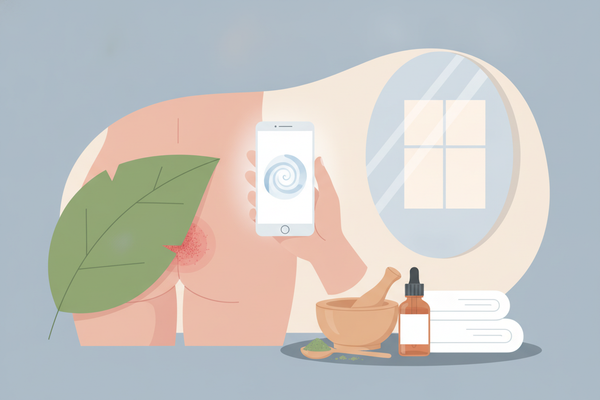
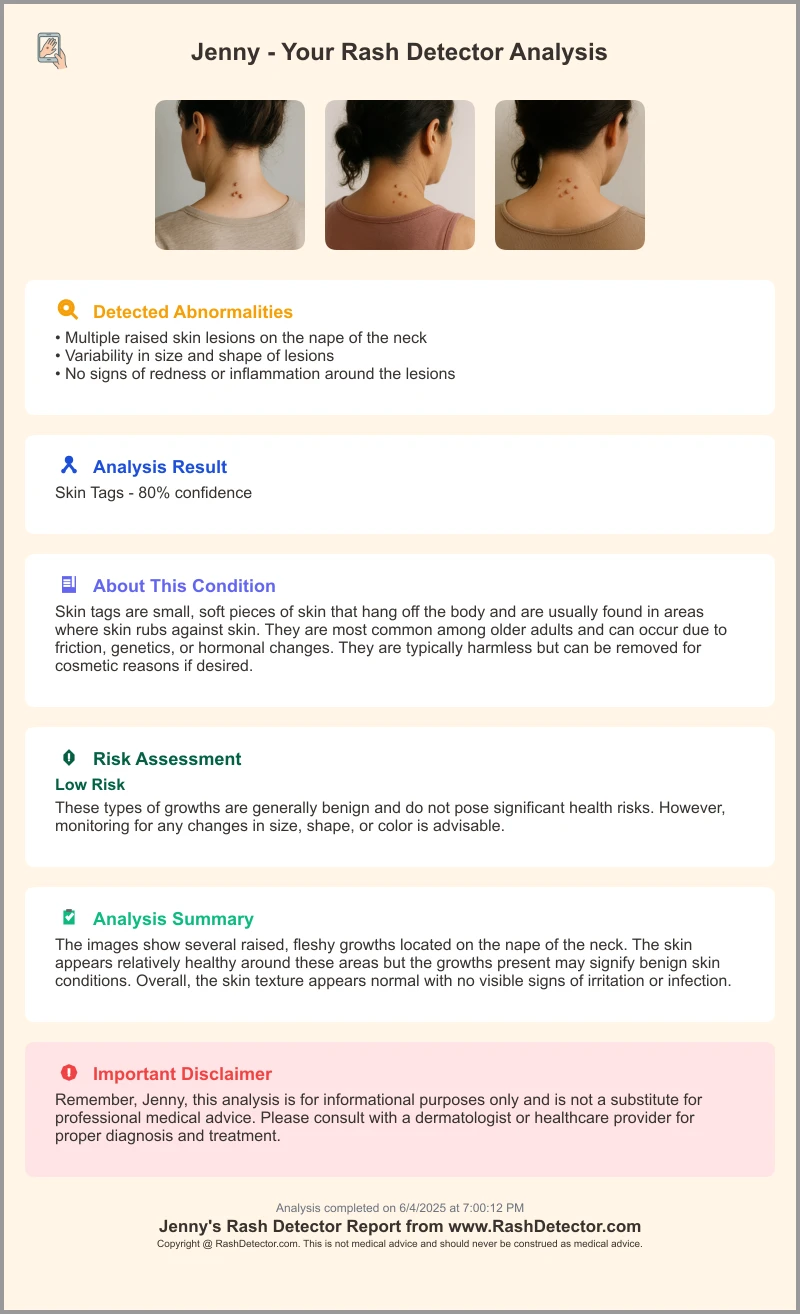
For early photo analysis and sample reports, try Rash Detector:
4. Medication Rash Treatment Options
Note: Never stop a prescribed medication without medical approval unless severe allergy signs emerge.
4.1. Discontinuation or Substitution
- Under professional supervision, stop the suspected drug.
- Document the reaction in medical records.
- Switch to a safer alternative within the same drug class when feasible.
- Expect mild rash improvement within days; full clearing in 1–2 weeks.
4.2. Topical Therapies
- Topical corticosteroids
- Hydrocortisone 1% OTC or prescription-strength corticosteroids.
- Apply a thin layer once or twice daily.
- Emollients and soothing lotions
- Fragrance-free moisturizers to support skin repair.
- Calamine lotion for itch relief.
4.3. Oral Medications
- Antihistamines (cetirizine, loratadine, diphenhydramine) for itching and hives.
- Oral corticosteroids (prednisone) in short taper courses for moderate to severe inflammation.
- Emergency treatments: epinephrine, IV fluids, systemic steroids, immunosuppressants, or ICU/burn-unit care.
4.4. Supportive Care
- Pain control with non-NSAID analgesics if NSAIDs are the culprit.
- Wound care for blisters and peeling: sterile dressings and infection prevention.
- Scheduled follow-up visits to monitor rash resolution and organ function.
For a deeper dive into identifying, managing, and preventing drug-induced rashes, see our Medication Rash Treatment: A Comprehensive Guide to Identifying and Managing Drug-Induced Skin Reactions.
5. Home Care and Preventative Measures
5.1. At-Home Relief for Mild Reactions
- Cool compresses for 10–15 minutes with a clean, damp cloth.
- Lukewarm baths with colloidal oatmeal or baking soda (with clinician approval).
- Gentle skincare: fragrance-free cleansers, pat to dry, avoid scrubbing.
- Bland moisturizers applied regularly; wear loose cotton clothing.
5.2. Lifestyle & Skincare Adjustments
- Avoid new products until the rash clears.
- For photosensitive drugs: use broad-spectrum SPF 30+, hats, long sleeves, and seek shade.
5.3. Preventing Future Medication Rashes
- Inform all healthcare providers and pharmacists about past drug reactions.
- Maintain an updated list of culprit drugs and reaction details.
- Inquire about rash risks and warning signs before starting new medications.
- Introduce one new drug at a time to pinpoint culprits.
- Consider a medical alert ID for severe past reactions (anaphylaxis, SJS/TEN, DRESS).
6. When to Seek Immediate Medical Help
Call emergency services if you experience:
- Difficulty breathing, wheezing, or throat tightness.
- Swelling of the face, lips, tongue, or throat.
- Rapidly spreading rash or sudden extensive hives.
- Blistering or peeling skin involving the mouth, eyes, or genitals.
- Painful rash with high fever, chills, or severe malaise.
- Confusion, dizziness, or fainting.
- Dark urine, jaundice, or significant swelling (possible organ involvement).
For guidance on persistent rashes and when to seek further care.
撮影やイベントに使う衣装は、再現度に加えて動きやすさと着用時間も考えて選びましょう。具体的な候補を確認する場合は、コスプレ衣装 セット内容から関連する商品や情報を比較できます。最後に衣装全体を試着し、正面だけでなく横や後ろからもシルエットを確認すると安心です。
Conclusion
Medication-induced rashes can range from mild itchiness to severe blistering syndromes like SJS/TEN or DRESS. Effective treatment begins with identifying and stopping the offending drug under medical guidance. Topical corticosteroids, antihistamines, and supportive care often relieve mild to moderate reactions. Always monitor for red-flag signs—rapid spread, blistering, breathing issues, high fever—and seek emergency care if they occur. Prevent future reactions by documenting drug allergies, starting one medication at a time, and informing all providers of your history. Early action and clear communication with healthcare professionals keep you safe and symptom-free.
Additional Resources & Disclaimer
- Mayo Clinic – Drug allergy: Symptoms and causes
- Johns Hopkins Medicine – Drug Rashes
- Harvard Health – When is a drug rash more than just a rash?
- GoodRx – Drug Rashes: 7 Medications That Can Cause Skin Reactions
- NYU Langone Health – Types of Drug Reactions & Hives
Disclaimer: This post is for informational purposes only and does not replace professional medical advice. Always consult a qualified healthcare provider for diagnosis and treatment of drug‐induced rashes. In emergencies, call your local emergency number.
FAQ
- What causes medication-induced rashes? Drug rashes result from immune-mediated allergies, direct irritation, or photosensitivity reactions triggered by certain medications.
- Can I treat a drug rash at home? Mild rashes may improve with cool compresses, topical steroids, and antihistamines. Always monitor for warning signs and consult a provider if unsure.
- When should I seek medical attention? Seek same-day or emergency care if the rash spreads rapidly, involves blisters or mucous membranes, or is accompanied by breathing difficulties or fever.
- Will the rash go away after stopping the medication? Most mild rashes improve within days of discontinuation and clear fully in 1–2 weeks, but severe reactions require specialized treatment.