Medication Rash Treatment: A Complete Guide to Identifying, Managing, and Preventing Drug-Induced Rashes
Learn how to identify, manage, and prevent medication rash with this comprehensive guide. Stop offending drugs, relieve symptoms, and prevent future reactions.

Estimated reading time: 8 minutes
Key Takeaways
- Prompt discontinuation of the offending medication is essential.
- Symptom relief with antihistamines, corticosteroids, and other therapies.
- Recognize severe reactions (SJS/TEN, anaphylaxis) for emergency intervention.
- Proper documentation and clear patient–provider communication prevent future episodes.
- At-home care and preventative measures support long-term management.
Table of Contents
- Understanding Medication-Induced Rashes
- Recognizing Signs & Symptoms
- Diagnostic Approach
- Treatment Options
- At-Home Care Recommendations
- When to Seek Emergency Help
- Preventative Measures & Future Precautions
Understanding Medication-Induced Rashes
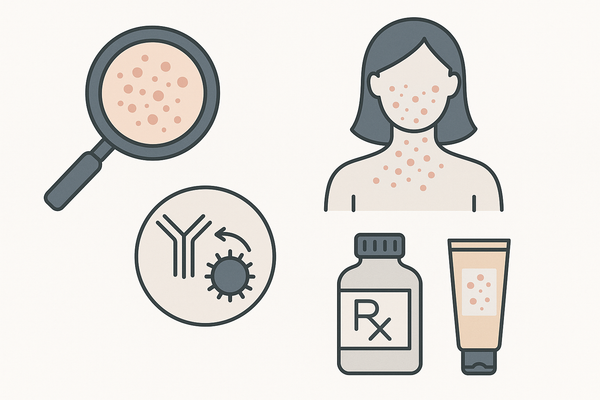
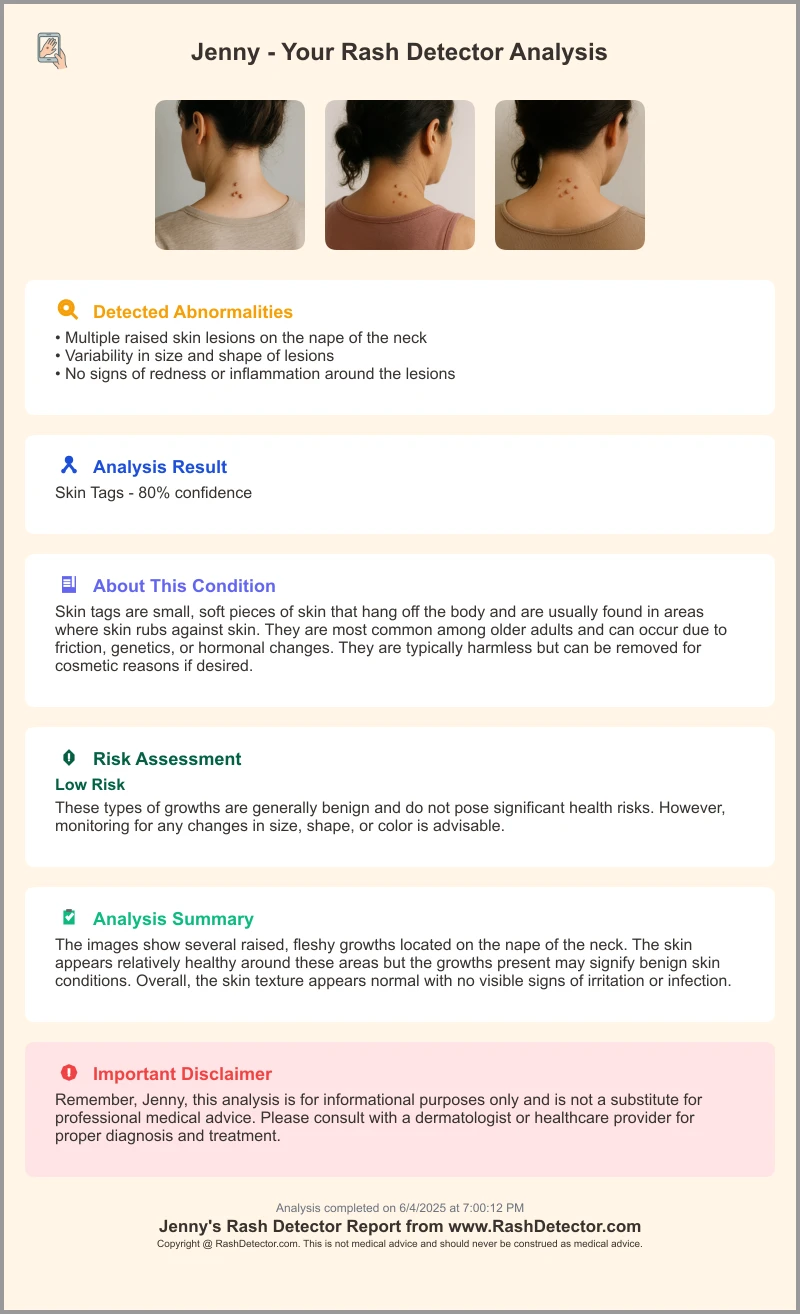
Medication-induced rashes, also known as cutaneous adverse drug reactions, arise when the immune system reacts to a drug or its metabolites. These eruptions may manifest as simple redness or progress to life-threatening conditions like Stevens–Johnson syndrome (SJS) or toxic epidermal necrolysis (TEN). Onset typically occurs days to weeks after starting a new medication, and resolution often follows drug discontinuation. Digital tools, like the Skin Analysis App, leverage AI for quick rash assessment:
Recognizing Signs & Symptoms
Early identification speeds treatment and reduces risk. Common features include:
- Red or pink flat spots and patches.
- Itchiness (pruritus) of varying intensity.
- Raised bumps or hives.
- Dryness, scaling, or burning/stinging sensations.
- Swelling around the rash area.
- Pattern: often starts on the trunk, spreading to limbs and face.
For detailed guidance, see identifying drug-induced rash symptoms.
Diagnostic Approach
Diagnosis relies on a thorough history, physical exam, and, when needed, skin biopsy or laboratory tests (CBC, liver enzymes). Document medication timing and rash evolution. Differential diagnoses include viral exanthems, autoimmune conditions, and contact dermatitis.
Treatment Options
Management hinges on severity:
- Mild: Discontinue the culprit drug, apply topical corticosteroids, use oral antihistamines.
- Moderate to severe: Systemic corticosteroids and hospital monitoring.
- Emergency: Intramuscular epinephrine for anaphylaxis.
Always tailor therapy to patient comorbidities and rash phenotype. For a step-by-step overview, see our complete guide to identifying, managing, and preventing drug-induced rashes and our comprehensive guide to identifying, managing & preventing drug-induced rashes. You may also find our comprehensive guide to identifying, managing, and preventing drug-induced rashes helpful for further details on treatment strategies.
At-Home Care Recommendations
At home, patients can:
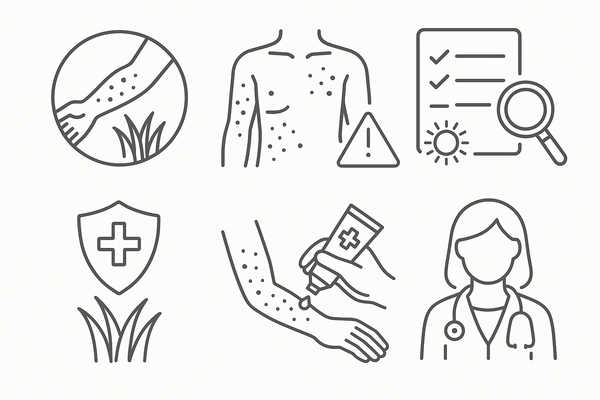
- Apply cool compresses and fragrance-free moisturizers.
- Avoid irritants such as hot water and harsh soaps.
- Take oral antihistamines as prescribed.
- Stay hydrated and keep skin clean and dry to prevent infection.
When to Seek Emergency Help
Seek immediate care if you experience:
- Difficulty breathing or swallowing.
- Facial or tongue swelling.
- Widespread blistering or mucosal involvement.
- High fever or signs of systemic illness.
Preventative Measures & Future Precautions
Prevention focuses on:
- Avoiding re-exposure to the culprit drug and related compounds.
- Documenting reactions in your medical record and carrying an allergy card.
- Considering a medical alert bracelet for severe drug allergies.
For more on prevention, visit managing drug allergy rash.
FAQ
Q: What causes medication rashes?
A: Medication rashes occur when the immune system reacts to a drug or its byproducts, triggering inflammation in the skin.
Q: How long do drug-induced rashes typically last?
A: Most mild rashes improve within days of stopping the offending drug; severe reactions may take weeks to resolve under medical supervision.
Q: Can over-the-counter creams help relieve symptoms?
A: Yes, topical corticosteroids and emollients can soothe itching and inflammation but should complement discontinuation of the culprit medication.
Q: How are severe reactions like SJS treated?
A: Severe cutaneous adverse reactions require emergency care, often in an ICU or burn unit setting, with systemic steroids and supportive measures.
シューズを通販で探すときは、商品ごとの実寸と普段履く靴のサイズを照らし合わせましょう。具体的な候補を確認する場合は、コスプレ 靴 通販から関連する商品や情報を比較できます。長時間使用する場合は、中敷きや滑り止めも準備し、足への負担を減らすことが大切です。