Medication Rash Treatment: How to Identify, Manage, and Prevent Medication-Induced Rashes
Learn medication rash treatment with our guide on identifying, managing, and preventing medication-induced rashes to ensure your well-being.
Estimated reading time: 6 minutes
Key Takeaways
- Early identification empowers faster relief and reduces complications.
- Root causes and risk factors help you anticipate reactions.
- Home remedies and OTC options can ease mild rashes.
- Professional care is crucial for severe or systemic symptoms.
- Prevention strategies reduce the chance of future drug eruptions.
Table of Contents
- What Is a Medication-Induced Rash?
- Identifying a Medication Rash
- Causes and Risk Factors
- Step-by-Step Guide to Medication Rash Treatment
- Medical Management and When to Seek Help
- Prevention and Future Considerations
- FAQ
What Is a Medication-Induced Rash?
A medication-induced rash (or drug eruption) is an immune-mediated skin reaction occurring days to weeks after starting a medication. Your body mistakenly identifies the drug as harmful, leading to inflammation and discomfort.
Common triggers include:
- Antibiotics (penicillins, sulfonamides)
- Anti-seizure drugs (carbamazepine, phenytoin)
- NSAIDs (ibuprofen, naproxen)
- Other medications (warfarin, allopurinol, hydralazine)
How treatment works:
- Discontinuation of the offender (when safe) often leads to rash clearance.
- Symptomatic relief with antihistamines, topical steroids, and moisturizers.
- Early intervention prevents severe cutaneous adverse reactions like Stevens-Johnson syndrome.
Identifying a Medication Rash
Spotting a drug eruption promptly is key to effective treatment. Watch for:
- Exanthematous rash: red or pink spots on the trunk and limbs
- Hives (urticaria): raised, itchy welts
- Itching, burning, or stinging sensations
- Facial or skin swelling
- Severe signs: blisters, peeling, mucosal sores, fever
Contrast with typical rashes: Medication rashes often arise days to weeks after a dose change and may be widespread with systemic symptoms like fever.
Monitoring tip: Record the start date of each medication, track rash progression, and seek help if red flags appear. For more on recognizing drug-induced eruptions, see recognizing drug-induced eruptions.
Causes and Risk Factors
Certain drugs and individual factors raise the risk of a medication rash.
Medications most often linked to rashes:
- Antibiotics: penicillins, cephalosporins, sulfonamides
- Anti-seizure drugs: phenytoin, carbamazepine, lamotrigine
- NSAIDs: ibuprofen, naproxen
- Others: warfarin, furosemide, allopurinol, hydralazine
Risk factors: personal/family drug allergy history, rapid dose escalation, concurrent infections, genetic predisposition.
Step-by-Step Guide to Medication Rash Treatment
- Immediate assessment: Check for breathing difficulty, facial swelling, dizziness, rapid rash spread, blistering, mucosal involvement, or fever. Call 911 for emergencies.
- Contact your clinician: Even mild rashes warrant a report—especially if you’re on essential medications. Your provider may adjust or switch drugs.
- Home care (mild cases): Use oral antihistamines (diphenhydramine, cetirizine), topical hydrocortisone, bland moisturizers, lukewarm colloidal oatmeal baths, cool compresses, and loose clothing.
- Medication adjustments: Never stop life-saving drugs abruptly without medical advice. Improvement usually occurs within 1–2 weeks after discontinuation.
Medical Management and When to Seek Help
Seek professional evaluation if your rash worsens, spreads widely, or is accompanied by severe itch, fever, blisters, mucosal involvement, or signs of anaphylaxis. For detailed management, see managing drug allergy rashes.
- Oral/injectable antihistamines for hives and allergic reactions
- Topical corticosteroids for localized inflammation; systemic steroids for severe cases
- Immunomodulators (e.g., colchicine, dapsone) for vasculitis or SCARs
- Anaphylaxis/SCARs: epinephrine, high-dose steroids, hospitalization, supportive care
Prevention and Future Considerations
Minimize risk when starting new medications by escalating doses slowly, reporting all past reactions, and reviewing OTC drugs and supplements. Consider specialist allergy testing and document allergies in your medical records. Wear medical alert jewelry if you’ve had severe reactions.
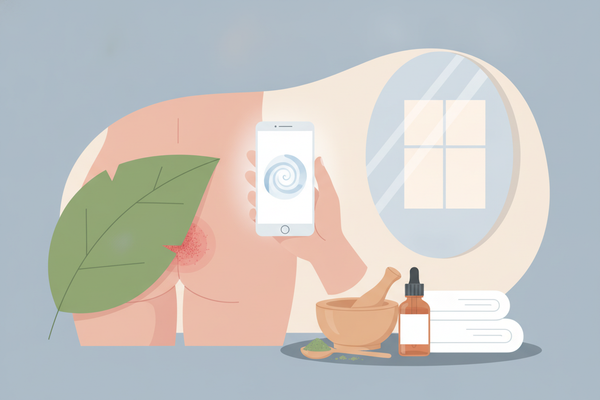
For an instant AI-powered rash assessment, upload clear photos to the Rash Detector app 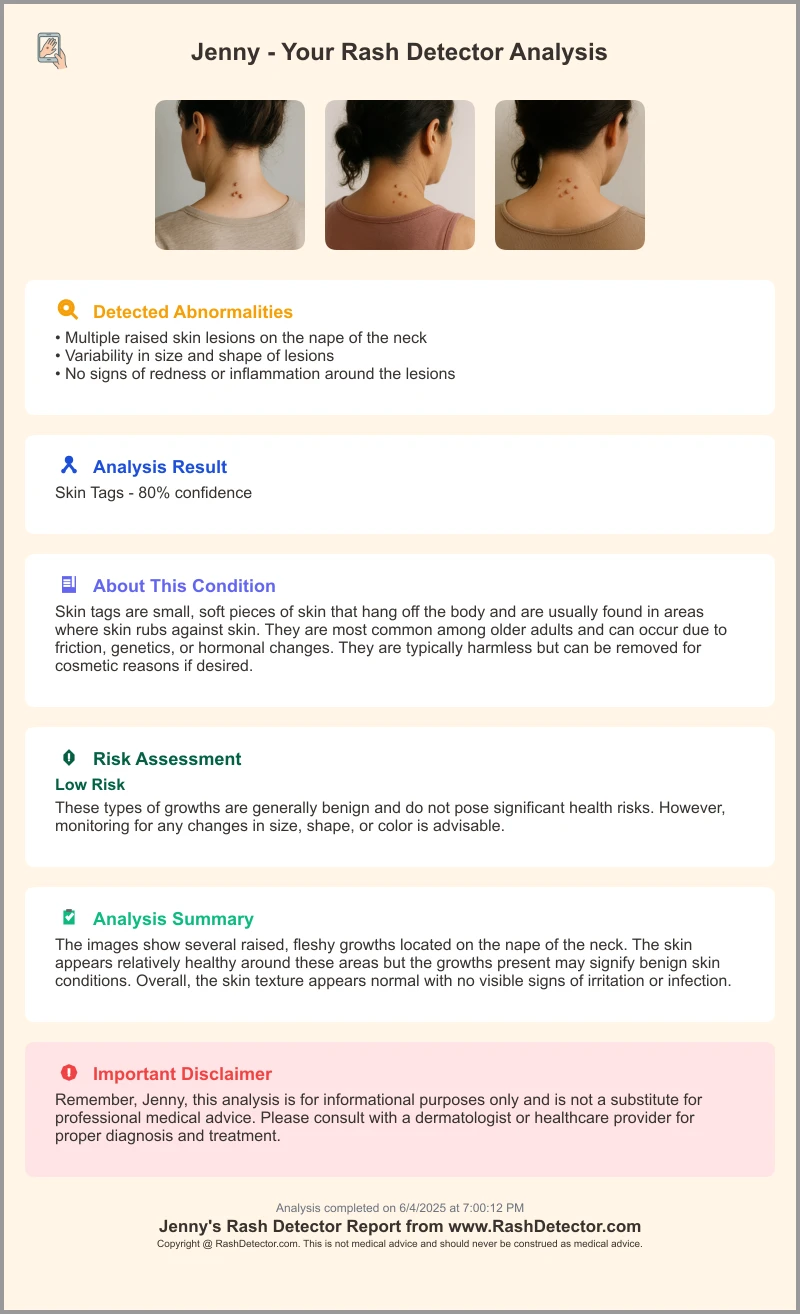
FAQ
- How can I tell if my rash is drug-induced?
A medication rash often appears days to weeks after starting or changing a drug, is widespread, and may come with systemic symptoms like fever. - When should I seek emergency care?
If you experience difficulty breathing, facial or throat swelling, rapid rash progression, blisters, mucosal sores, or high fever, call emergency services immediately. - Can I manage mild rashes at home?
Yes—oral antihistamines, topical steroids, cool compresses, and oatmeal baths can relieve mild itching and inflammation. - Is it safe to restart a medication after a rash?
Rechallenge only under medical supervision—your provider may recommend alternatives or allergy testing before reintroduction. - How do I prevent future medication rashes?
Document all drug allergies, communicate with your healthcare team, start new meds at low doses, and consider allergy testing if you have strong reactions.
初めて衣装を用意する際は、必要な付属品と別途準備するものを先に整理すると進めやすくなります。用途に合う候補を整理するときは、コスプレ衣装 セールで商品内容を見比べられます。最後に衣装全体を試着し、正面だけでなく横や後ろからもシルエットを確認すると安心です。