Comprehensive Guide to Medication Rash Treatment: Identifying and Managing Drug-Induced Skin Reactions
Explore effective medication rash treatment options and learn how to identify and manage drug-induced skin reactions for a full recovery.

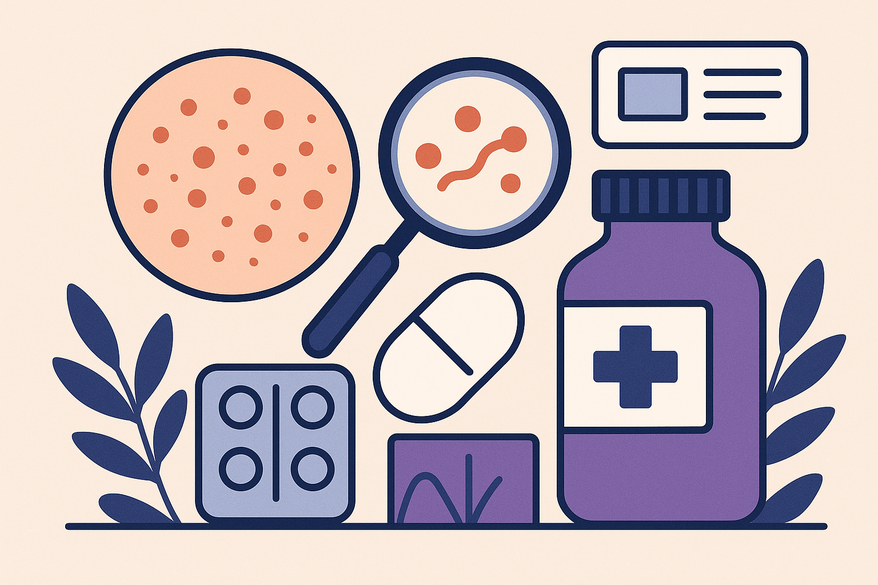
Estimated reading time: 10 minutes
Key Takeaways
- Medication rashes range from mild drug eruptions to life-threatening hypersensitivity syndromes.
- Prompt recognition hinges on linking rash onset to medication start or dose changes.
- Treatment involves stopping the culprit drug, plus OTC and prescription symptom relief.
- Red flags—blistering, mucosal involvement, breathing issues—mandate immediate care.
- Prevention relies on thorough history-taking, gradual drug introductions, and clear patient–provider communication.
Table of Contents
- Section 1: Understanding Medication Rashes
- Section 2: Identifying Medication Rashes
- Section 3: Medication Rash Treatment Options
- Section 4: When to Seek Medical Help
- Section 5: Prevention and Monitoring
- Conclusion
- FAQ
Section 1: Understanding Medication Rashes
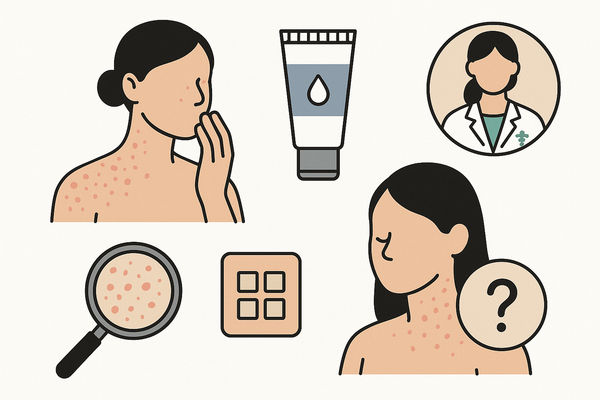
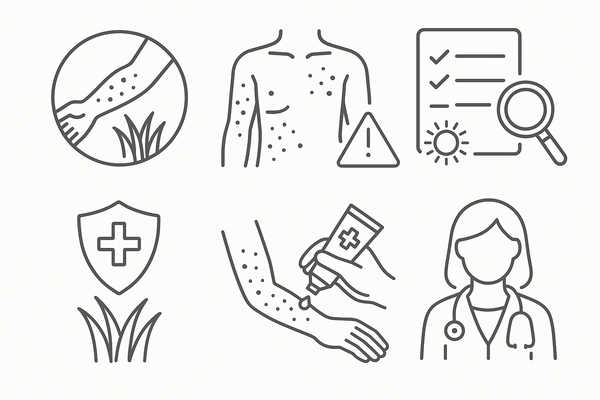
A medication-induced rash, or drug eruption, is any new skin reaction triggered by a prescription, over-the-counter drug, or supplement. It typically appears days to weeks after starting a medication or adjusting the dose. These eruptions occur via:
- Allergic (immune-mediated) responses on re-exposure
- Non-allergic toxicity or irritation
- Severe hypersensitivity syndromes (Stevens–Johnson syndrome, toxic epidermal necrolysis, DRESS)
For spotting early signs of drug-induced eruptions and step-by-step allergy management, consult these resources.
Section 2: Identifying Medication Rashes
Recognizing Onset and Patterns
- Link rash timing to medication start or dose change
- Distribution often begins on the trunk, then spreads to limbs
- Morphology: morbilliform (measles-like), urticarial (hives), vesiculobullous
- Associated symptoms may include fever, joint pain, GI upset, respiratory issues
- Maintain a medication log with start dates for clarity
Differentiating Benign Side Effects vs. Serious Allergic Reactions
Benign indicators:
- Skin-only involvement, no fever or organ symptoms
- Mild to moderate itching, no blisters or mucosal lesions
- Patient generally well
Serious red flags:
- Skin blistering or peeling, painful rash
- Mucous-membrane involvement (mouth, eyes, genitals)
- Facial or tongue swelling, wheezing, chest tightness, hypotension
- Fever, lymphadenopathy, jaundice
Importance of Immediate Medical Consultation
- Contact the prescriber before stopping critical meds (e.g., heart, seizure, transplant drugs)
- In children: withhold further doses and call the clinician immediately
- Use emergency services for acute severe symptoms (breathing issues, facial swelling, blistering)
Section 3: Medication Rash Treatment Options
Core Principle – Identify and Stop the Offending Drug
- Discontinue the suspected agent under medical supervision
- Document the reaction as an allergy or adverse event in the medical record
Over-the-Counter Remedies
- Oral antihistamines (diphenhydramine, cetirizine, loratadine) for itching relief
- Low-potency topical corticosteroids (hydrocortisone 1%) for localized inflammation
- Fragrance-free emollients to support skin barrier repair
Note: Even mild rashes benefit from clinician guidance.
Prescription-Strength Interventions
- High-dose or around-the-clock oral antihistamines for severe pruritus
- Medium-to-high-potency topical corticosteroids for extensive eruptions
- Short-course oral corticosteroids with taper for DRESS or serious reactions
- Epinephrine auto-injector for anaphylaxis
- IV therapies (corticosteroids, immunoglobulin, cyclosporine) in SJS/TEN under ICU care
Home Care and Self-Care Measures
- Cool compresses or oatmeal baths to soothe itching
- Loose, soft cotton clothing to reduce friction
- Avoid hot showers, harsh soaps, and scented lotions
- Keep nails trimmed; use antihistamine-soaked compresses for severe scratching
Safely Adjusting Medication Regimens
- Work with your prescriber to switch to alternatives or pause non-essential meds
- Record all suspected culprits as allergies in the patient chart
- Never self-discontinue critical medications except in emergencies
Section 4: When to Seek Medical Help
Warning Signs and Red Flags for Emergency Care
- Difficulty breathing, wheezing, throat or chest tightness
- Rapid facial, lip, or tongue swelling
- Syncope, dizziness, hypotension
- Widespread blistering, peeling, or raw skin
- Mucosal sores (oral, ocular, genital)
- High fever, confusion, severe malaise
Same-Day Medical Evaluation
- Widespread rash with low-grade fever or moderate pruritus
- Vulnerable populations: children, elderly, pregnant, immunocompromised
- Contact primary care or dermatologist for urgent outpatient assessment
Diagnostic Testing
- Detailed history & physical: medication dates, dose changes, prior reactions
- Skin biopsy to differentiate eruption types and identify severity
- Blood tests (CBC, liver and kidney panels) for systemic involvement
- Allergy testing (skin prick or graded challenge) by allergists for select drugs
Section 5: Prevention and Monitoring
Strategies to Reduce Risk of Future Rashes
- Always inform providers of current meds, supplements, and past rashes
- Introduce new medications one at a time; monitor skin for 2–4 weeks
- Prescribe high-risk drugs cautiously in patients with reaction history
Role of Patient History and Allergies
- Record all past drug rashes as allergies or adverse events in the medical record
- Consider family history of drug reactions for risk assessment
- Refer complex cases to dermatology or allergy specialists for avoidance plans
Effective Patient–Provider Communication
- Bring an updated medication list to every visit; report even mild past rashes
- Ask providers what symptoms to watch for when starting new drugs
- Ensure clear instructions on when to seek urgent or emergency care
Conclusion
Medication-induced rashes span mild, self-limited eruptions to life-threatening hypersensitivity syndromes. Effective management requires prompt recognition, safe discontinuation or substitution of the causative drug, and targeted symptom relief with antihistamines, corticosteroids, or emergency therapies like epinephrine. Severe cases often need specialist or hospital care, including skin biopsies and IV immunomodulators. If a rash develops while on any medication, contact your healthcare provider promptly. Seek emergency help for breathing difficulties, facial swelling, widespread blistering, or systemic symptoms.
FAQ
What are the most common signs of a medication-induced rash?
Common signs include red or pink macules and papules (morbilliform), severe itching, and hives. Onset usually occurs 1–2 weeks after starting a new drug, earlier if true allergy is present.
How can I treat a mild drug rash at home?
For mild eruptions, use oral antihistamines (cetirizine, loratadine) and low-potency topical corticosteroids (hydrocortisone 1%). Cool compresses, fragrance-free moisturizers, and oatmeal baths provide additional relief. Always consult a clinician before stopping any medication.
When should I seek emergency medical care?
Go to the ER if you experience breathing difficulty, facial or tongue swelling, chest tightness, widespread blistering, or mucosal lesions. These may indicate anaphylaxis or Stevens–Johnson syndrome, which require immediate intervention.
How can I prevent future medication rashes?
Maintain an up-to-date list of all medications and past reactions. Introduce new drugs one at a time and monitor skin for 2–4 weeks. Inform every provider about known drug allergies and consider specialist referral for complex cases.
What tests are used to identify the culprit drug?
Diagnostic approaches include a detailed history, skin biopsy, blood tests (CBC, liver/kidney panels), and, when appropriate, allergy testing such as skin prick or graded drug challenges under allergist supervision.