Medication Rash Treatment: Comprehensive Guide to Identifying and Managing Reactions
Learn about medication rash treatment: identify and manage drug-induced rashes effectively to prevent complications and ensure quick recovery.

Estimated reading time: 10 minutes
Key Takeaways
- Recognize symptoms: Identify common rash types and warning signs early.
- Immediate steps: Discontinue the offending drug under medical guidance and begin appropriate treatment.
- Treatment options: Use OTC antihistamines and corticosteroids or prescription steroids for severe cases.
- Prevention: Document allergies, communicate with your clinician, and consider allergy testing.
- Expert support: Seek dermatology or allergy specialists for complex reactions and long-term management.
Table of Contents
- Introduction
- Section 1: Understanding Medication-Induced Rashes
- Section 2: Identifying a Medication-Induced Rash
- Section 3: Medication Rash Treatment Options
- Section 4: Preventative Measures and Risk Management
- Section 5: Expert Advice and Additional Resources
- Conclusion
- FAQ
Introduction
Medication rash treatment is essential for anyone experiencing skin reactions from prescription drugs, over-the-counter medicines, or supplements. Medication-induced rashes are skin eruptions caused by an immune response to a medication, ranging from mild redness to life-threatening reactions. Early identification and prompt cessation of the offending agent can prevent complications and speed recovery.
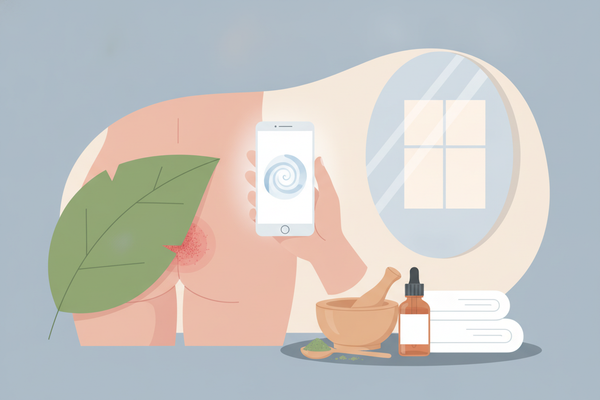
If you want a quick, AI-based assessment of your rash, the Rash Detector app can instantly evaluate uploaded images and provide preliminary insights.
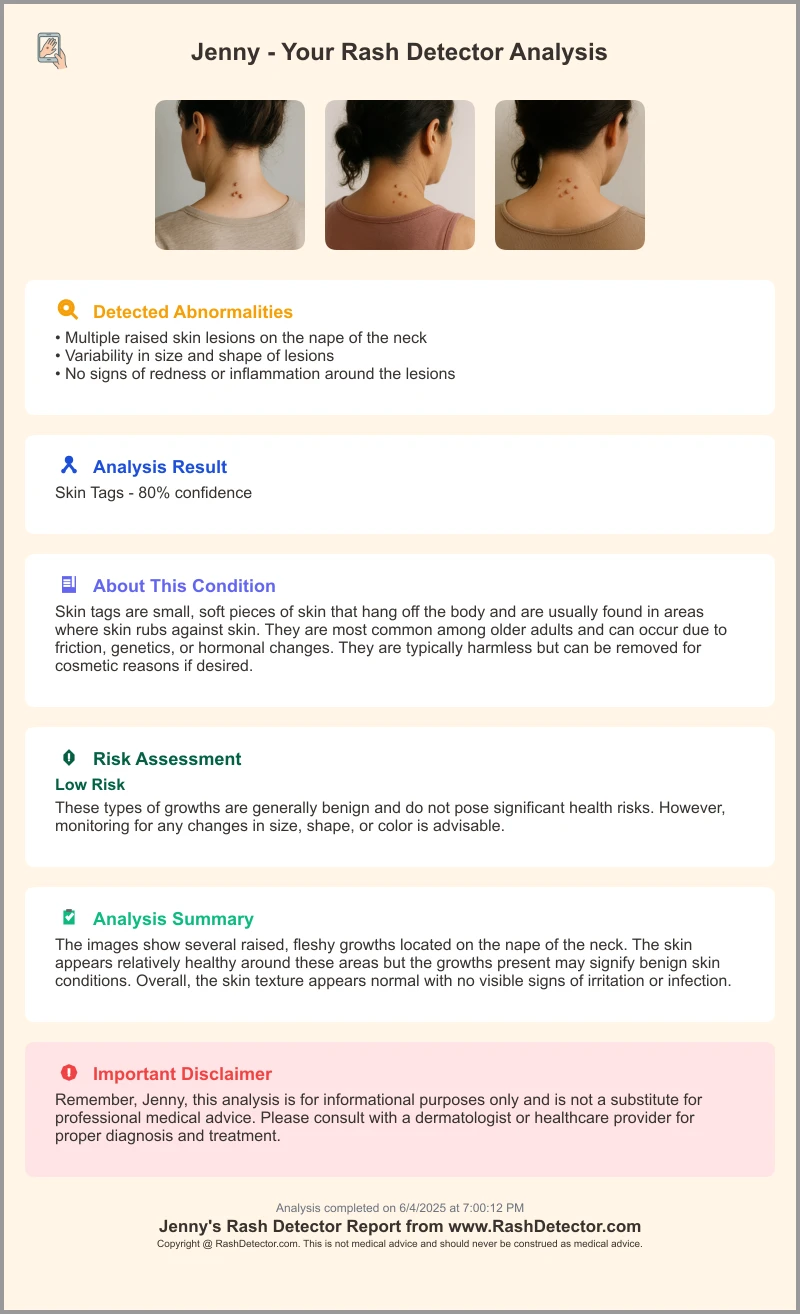
In this guide you will learn:
- What a medication rash is and which drugs commonly cause them
- How to recognize warning signs vs. mild symptoms
- Over-the-counter and prescription treatment options
- Prevention strategies and when to seek specialist care
By following this comprehensive resource on medication rash treatment, you’ll gain expert insights, actionable tips, and trusted references for safe management of drug-related skin reactions. For a deeper dive, see our Medication Rash Treatment: A Complete Guide to Identifying, Managing, and Preventing Drug-Induced Rashes.
Section 1: Understanding Medication-Induced Rashes
A medication rash is any skin eruption triggered by a drug. These reactions depend on the individual’s immune response. Even small exposures can cause hives, red bumps, or severe blistering. Real-world cases show that two people on the same antibiotic may react differently.
Common medications associated with rashes:
- Antibiotics (penicillins, sulfonamides)
- NSAIDs (ibuprofen, naproxen)
- Anticonvulsants (phenytoin, carbamazepine)
- Gout drugs (allopurinol)
Major rash types:
- Hives (urticaria): Itchy, raised welts from an allergic-type reaction.
- Maculopapular/morbilliform: Widespread red spots or bumps, often delayed by days.
- Stevens-Johnson syndrome/toxic epidermal necrolysis: Severe blistering, skin pain, mouth sores; can be fatal.
For more on recognizing drug-related skin eruptions, see our guide to identifying and managing drug-induced rash symptoms.
By understanding drug rash types, you can better describe symptoms to your healthcare provider.
Section 2: Identifying a Medication-Induced Rash
Key signs and symptoms of a drug-induced rash include:
- Redness and itching
- Swelling or burning sensation
- Hives (welts that move around)
- Fever or chills in severe cases
- Blistering or sore mouth/throat (urgent)
Timing of onset:
- Immediate: Minutes to hours after dose (often hives).
- Delayed: Days to weeks after starting or increasing a drug (common with maculopapular rashes).
Self-monitor vs. seek care:
- Self-monitor if the rash is mild, localized, no fever, and you feel well.
- Seek medical advice if the rash spreads rapidly or if you have fever, blistering, facial/throat swelling, or breathing difficulty.
Always track when the rash started relative to your medication schedule. That timeline helps clinicians pinpoint the culprit drug and choose safe alternatives.
Section 3: Medication Rash Treatment Options
Immediate step: Discontinue the suspected medication under medical guidance, unless told to stop only in emergencies.
Over-the-counter remedies:
- Antihistamines: Diphenhydramine 25–50 mg per dose for itching and hives.
- Topical corticosteroids: Hydrocortisone 1% cream for localized red, itchy patches.
Prescription treatments:
- Oral corticosteroids: Prednisone taper over 5–14 days for severe swelling or itch.
- Hospital-based care: IV fluids, wound care, and specialist consult for Stevens-Johnson syndrome or toxic epidermal necrolysis.
Compare over-the-counter vs prescription options in our detailed comparison OTC vs. prescription rash treatments.
Home-care strategies:
- Cool compresses on affected areas.
- Wear loose, breathable clothing.
- Gently cleanse skin with mild, fragrance-free soap.
- Rest and stay hydrated.
When to escalate:
- Rash persists or worsens after 48–72 hours of treatment.
- Signs of systemic reaction (fever, blistering, mucosal involvement).
- Rapid spread or intense pain.
For a more detailed overview of identifying and managing drug-induced rashes, refer to our Medication Rash Treatment: How to Identify and Manage Drug-Induced Reactions.
Section 4: Preventative Measures and Risk Management
Pre-prescription review:
- Document all current and past medications, supplements, and vitamins.
- Note any previous skin reactions or allergies.
Communication tips:
- Tell your clinician about known drug allergies.
- Ask what signs to watch for after starting a new drug.
- Avoid stopping essential medicines abruptly without medical advice.
Allergy testing and specialist evaluation:
- Patch testing for contact reactions.
- Graded drug challenge under medical supervision for suspected allergies.
- Alternative drug selection to avoid repeat reactions.
Proactive risk management can prevent future rashes and improve treatment safety. For a comprehensive approach to prevention and management, see our Comprehensive Guide to Medication Rash Treatment: Identifying, Managing, and Preventing Medication-Induced Rashes.
Section 5: Expert Advice and Additional Resources for Medication Rash Treatment
When to consult specialists:
- Dermatologists: Uncertain diagnoses or severe cutaneous reactions.
- Allergists: Formal drug allergy testing and desensitization plans.
Symptom diary template:
- Date and time of rash onset
- Medication name, dose, and start date
- Rash description (size, color, location)
- Associated symptoms (fever, swelling, breathing difficulty)
For long-term management of drug allergy rashes, check out our comprehensive guide to managing drug allergy rashes.
Further reading:
• CCJM clinical review on severe drug rashes
• IU Health drug-rash service guide
• NYU Langone drug reaction treatments
Conclusion: Final Thoughts on Medication Rash Treatment
Recognize medication-induced rashes early. Stop the suspected drug under medical guidance. Apply over-the-counter or prescription treatments as needed. Watch for warning signs—fever, blistering, or throat swelling—and seek emergency care if they occur.
Proactive communication with your healthcare team, thorough symptom tracking, and awareness of prevention strategies are key to safe medication use.
Share this guide, keep a symptom diary, and always consult a healthcare professional for personalized medication rash treatment advice.
FAQ
- What causes a medication rash?
These rashes occur when the immune system reacts to a drug, resulting in skin inflammation and eruptions. - How can I tell if a rash is serious?
Watch for fever, blistering, mucosal involvement, facial swelling, or breathing difficulty—these require immediate care. - When should I stop taking my medication?
Discontinue only under medical guidance unless you experience a severe, life-threatening reaction. - What home remedies can help?
Use cool compresses, antihistamines, hydrocortisone cream, gentle cleansing, and loose clothing. - How can I prevent future rashes?
Keep an updated allergy list, communicate known drug reactions to your provider, and consider allergy testing.