Medication Rash Treatment: A Comprehensive Guide to Drug-Related Skin Reactions
Learn how to identify, manage, and prevent medication-induced rashes. Effective strategies for medication rash treatment and prevention.
Estimated reading time: 9 minutes
Key Takeaways
- Early detection of drug-induced rashes can prevent serious complications.
- Differentiation between side effects and allergic reactions guides treatment.
- Structured approach: document, consult, treat, and monitor.
- Self-care options available, but professional guidance is crucial for severe reactions.
- Prevention strategies reduce the risk of future rashes.
Table of Contents
- Understanding Medication-Induced Rashes
- Common Types of Medication-Induced Rashes
- Identifying Signs and Symptoms
- Over-the-Counter Treatment and Self-Care
- Medical Management and Professional Guidance
- Preventing Medication Rashes
- Conclusion
Section 1: Understanding Medication-Induced Rashes
Skin reactions from medications occur via predictable side effects, immune-mediated allergies, or interactions that amplify sensitivity. Recognizing the mechanism helps tailor the right approach.
- Side effects: Predictable irritation (e.g., antibiotic phototoxicity).
- Allergic reactions: Immune response via IgE or T-cells.
- Drug interactions: Combined effects trigger new sensitivities.
Accurate identification guides relief strategies and safer alternatives.
Source: American Academy of Dermatology – Definition of drug rashes
Source: Mayo Clinic – Drug allergy overview
Section 2: Common Types of Medication-Induced Rashes
Patterns matter. Here are the most frequent presentations:
- Morbilliform rash: Measles-like macules and papules appearing 4–14 days after drug start. Management: cease culprit drug, apply topical steroids.
Source: American Academy of Dermatology - Urticaria (hives): Itchy wheals within minutes to hours. Treat with oral antihistamines and avoid triggers.
Source: Mayo Clinic – Urticaria - Fixed drug eruption: Recurring round lesions at the same site. Identify and avoid the offending drug.
Source: NIH – Fixed drug eruption study - Photosensitivity: Burns or rash in sun-exposed areas. Use broad-spectrum sunscreen and protective clothing.
Source: American Academy of Dermatology – Photosensitivity - Severe reactions (SJS/TEN): Painful blisters, mucosal involvement—medical emergency.
Source: NEJM Review – SJS/TEN
Section 3: Identifying Signs and Symptoms
Spotting a rash quickly is vital. Look for:
- Redness, itching, hives, swelling, or blistering
- Systemic signs: fever, malaise
- Temporal link: onset days to weeks after medication change
- Improvement once the drug is withdrawn
If you suspect a drug eruption, see recognizing clinical features of drug eruptions for more details.
When to seek help: Spreading rash, mucosal involvement, fever, or breathing difficulty.
Section 4: Over-the-Counter Treatment and Self-Care
A stepwise approach ensures safety and relief:
- Immediate: Halt the suspect drug (with guidance if vital), record details, and consult a professional.
- OTC options: Oral antihistamines, low-potency topical steroids, emollients, cool compresses, and oatmeal baths.
Source: Cleveland Clinic – Eczema treatment tips - Home remedies: Fragrance-free moisturizers, loose clothing, sun avoidance if photosensitive.
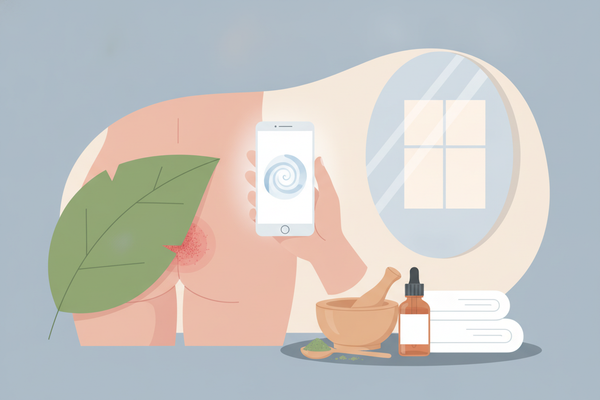
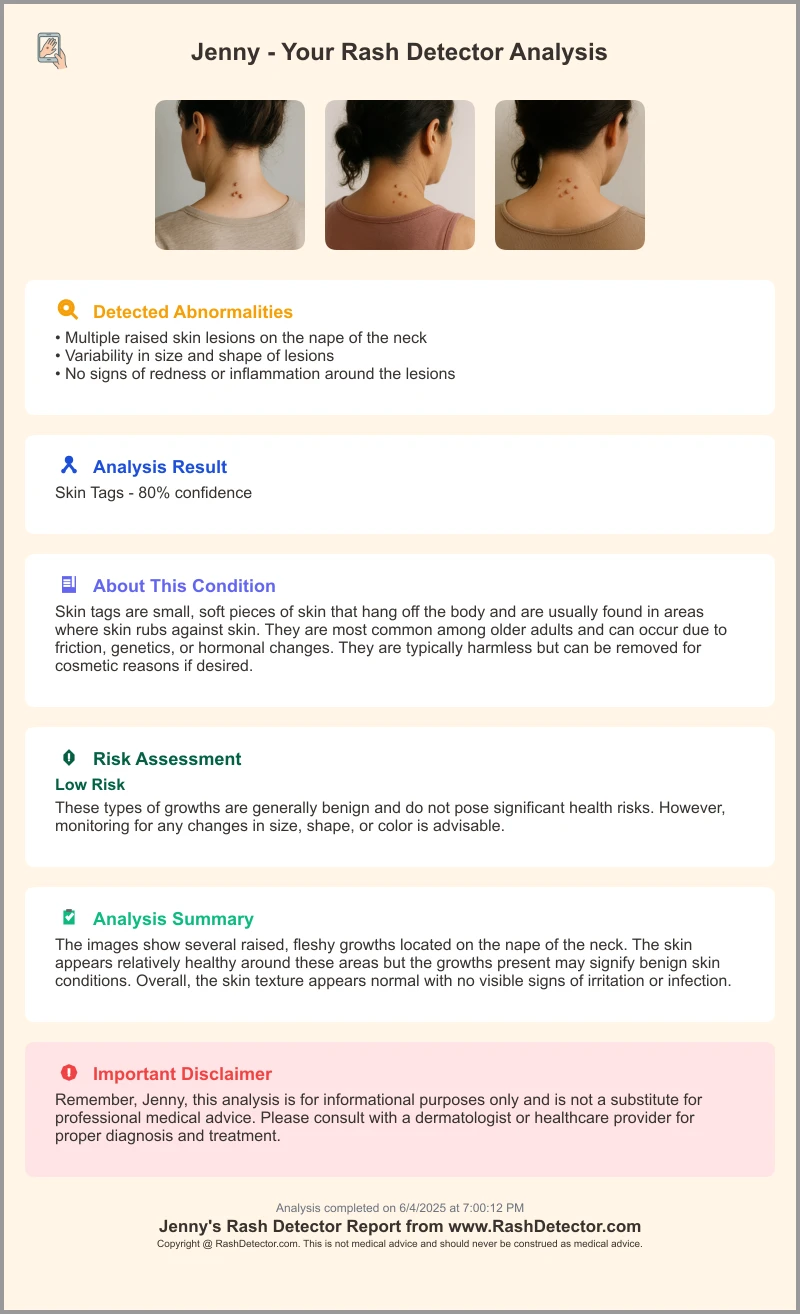
For an AI-driven evaluation, try Rash Detector to upload your rash photo for instant analysis:
Note: Don’t stop essential meds abruptly—seek clinician advice for substitutions.
Section 5: Medical Management and Professional Guidance
Advanced diagnostics and expert input deliver accurate care:
- Comprehensive medication review and physical exam
- Skin biopsy for histopathology
Source: Dermatology Clinics – Skin biopsy procedures - Bloodwork (CBC, organ function, eosinophils)
- Patch testing for specific allergens
Source: NIH – Patch testing methods
Effective communication: provide timelines, photos, and allergy history to your provider.
Section 6: Preventing Medication Rashes
Prevention is key. Employ these strategies:
- Maintain an updated medication list
- Monitor new symptoms within first 2–4 weeks of therapy
- Discuss skin-related side effects before starting
- Use sun protection (SPF 30+) if on photosensitizing drugs
Learn more about risk reduction at managing drug allergy rash.
Conclusion
A medication-induced rash ranges from mild irritation to life-threatening blistering. Prompt recognition, careful documentation, professional consultation, and appropriate therapy are essential steps. Prevention through clear communication and risk awareness can minimize future episodes.
FAQ
Q: How can I tell if a rash is drug-related?
A: Look for a close temporal link to medication changes, absence of preexisting skin conditions, and improvement upon drug withdrawal.
Q: When should I stop taking the suspected medication?
A: Only after consulting a healthcare professional, especially if the drug is vital for chronic conditions.
Q: Can I treat a mild drug rash at home?
A: Yes, with OTC antihistamines, low-potency steroids, cool compresses, and moisturizers—but seek medical advice if it worsens.
Q: What preventive measures help avoid future rashes?
A: Keep an updated medication list, report early symptoms, and discuss potential skin side effects with your prescriber.
Q: When is professional evaluation mandatory?
A: Seek immediate care for spreading rashes, mucosal involvement, systemic symptoms, or signs of Stevens-Johnson syndrome.