Best Creams for Rashes: How to Choose and Use Them Safely
Discover the best creams for rashes, from hydrocortisone to antifungal options, with tips on safe use and when to seek medical care.


Estimated reading time: 15 min
Key Takeaways
- Choosing the right cream for your rash depends on its cause—eczema, fungal infection, insect bites, or irritation.
- Hydrocortisone 1% cream can be effective for many itchy, inflamed rashes but should be used cautiously and for limited duration to avoid potential side effects such as skin thinning or systemic absorption.
- Antifungal creams are important for ringworm and athlete’s foot; steroids may worsen fungal rashes by suppressing immune response.
- Barrier creams like zinc oxide and petrolatum protect irritated skin, reduce friction, lock in moisture, and support healing.
- Use fragrance-free, dye-free, and alcohol-free formulations for sensitive skin to avoid further irritation or allergic reactions.
- Correct identification of rash type is key to selecting effective treatment; tools like Rash Detector can assist with AI-powered analysis but do not replace professional diagnosis.
Table of Contents
- Section 1: Understanding Different Types of Rashes
- Section 2: Over-the-Counter Hydrocortisone Creams for Itchy Rashes
- Section 3: Choosing the Right Cream by Rash Cause
- Section 4: Barrier Creams and Protectants for Rash Care
- Section 5: Soothing Ingredients to Calm Rash Irritation
- Section 6: Cream vs Ointment vs Lotion vs Spray vs Gel: Which to Use?
- Section 7: Safe Application and When to See a Doctor
- Conclusion
- FAQ
Section 1: Understanding Different Types of Rashes
Common Rash Types and Symptoms
Rashes manifest in diverse ways, influenced by their underlying cause and individual skin response. Recognizing the type of rash can help guide appropriate treatment. Below are common rash types along with their typical presentations:
- Eczema (Atopic Dermatitis): Characterized by dry, itchy, red patches that often appear on the hands, face, neck, and inner elbows. The skin may become cracked or leathery with chronic scratching. Eczema often flares in response to allergens, irritants, or weather changes.
- Contact Dermatitis: Occurs after skin exposure to irritants (like detergents, solvents) or allergens (such as nickel, poison ivy). Symptoms include redness, swelling, itching, and sometimes blistering or oozing in severe reactions.
- Hives (Urticaria): Sudden appearance of raised, red or skin-colored welts that can vary in size and shape. They often itch intensely and may appear and disappear within hours. Hives are usually caused by allergic reactions to foods, medications, or environmental triggers.
- Insect Bites: Localized, itchy bumps or swelling that may be red or flesh-colored. Some bites can blister or become painful. Common culprits include mosquitoes, fleas, and bedbugs.
- Fungal Rashes: These include ringworm and athlete’s foot. Typically, fungal rashes present as ring-shaped, scaly patches with central clearing and a raised border. The skin may crack and itch intensely.
- Irritation Rash: Caused by friction, sweat, or chemical exposure. The affected skin is usually red, inflamed, and sometimes painful. Examples include chafing under clothing, heat rash, or chemical irritant dermatitis.
Why Correct Identification Matters
Identifying the rash type accurately is important because treatments vary widely and misuse can worsen the condition. For example, hydrocortisone cream can reduce inflammation and itch in eczema and contact dermatitis but may exacerbate fungal infections by suppressing local immune defenses and allowing fungal overgrowth.
Misapplication of topical steroids on fungal infections can lead to "tinea incognito," a condition where the rash becomes atypical and harder to diagnose. Likewise, antifungal creams are ineffective against allergic rashes and may delay appropriate treatment if used incorrectly.
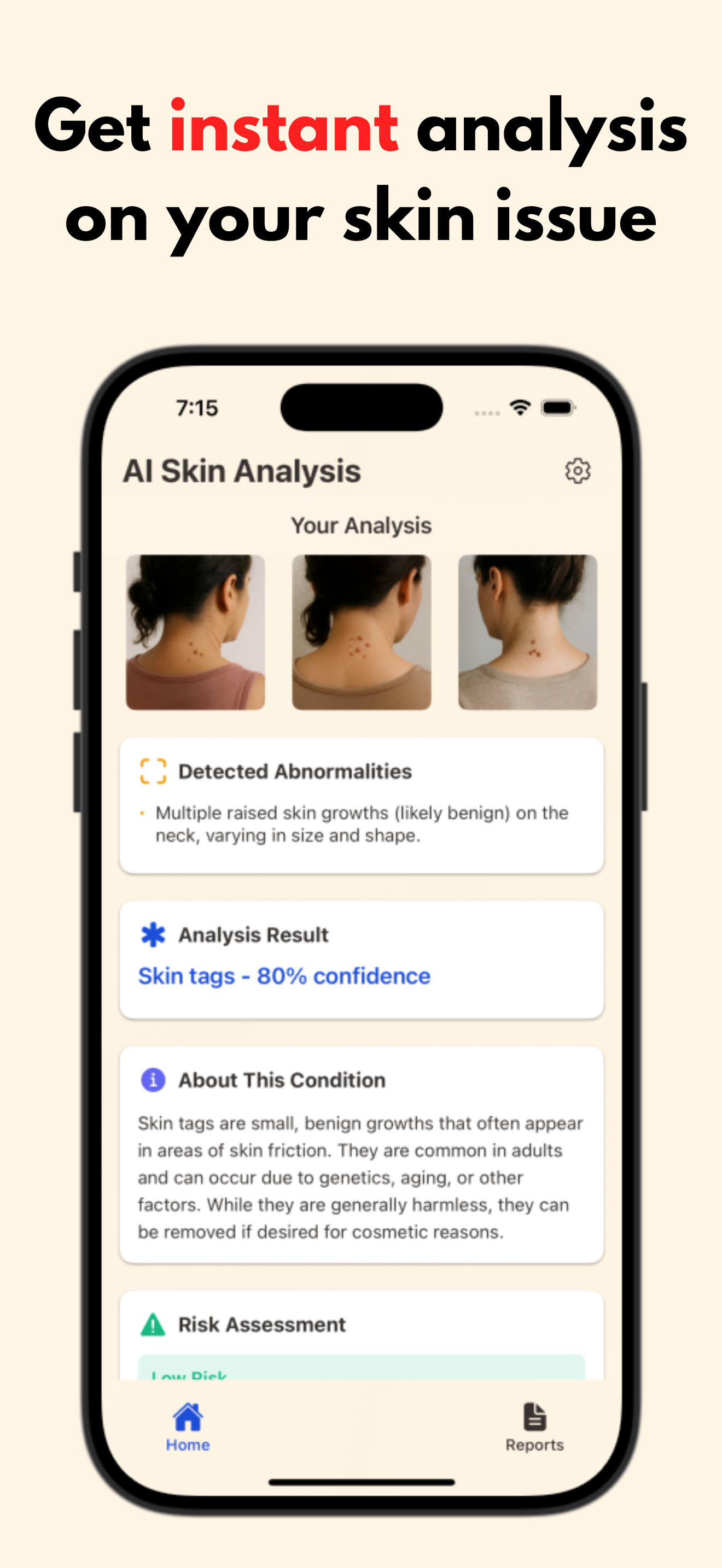
Therefore, a precise diagnosis supported by clinical evaluation or technological tools is helpful. The Rash Detector app uses AI algorithms to analyze rash photographs and suggest possible causes, which may aid in making informed treatment decisions before purchasing over-the-counter medications. However, it is not a substitute for professional medical advice.
Role of Rash Detector App
The Rash Detector app leverages artificial intelligence to provide rapid preliminary analysis of skin rashes. Users upload clear photos of their rash from multiple angles and in good lighting. The app then compares the images against a database of dermatological conditions, highlighting possible matches.
It also offers guidance on suitable treatment options, such as recommending hydrocortisone creams for inflammatory rashes or antifungal preparations for suspected fungal infections. While not a substitute for professional medical diagnosis, it can be a useful tool for triaging and guiding initial care, especially when access to dermatologists is limited.
Using such technology may reduce the risk of improper medication use and help users feel more confident in managing their rash or knowing when to seek medical attention.
Section 2: Over-the-Counter Hydrocortisone Creams for Itchy Rashes
What Is Hydrocortisone 1% Cream?
Hydrocortisone 1% cream is a mild topical corticosteroid available over the counter. It works by suppressing inflammatory pathways in the skin, reducing redness, swelling, and itchiness. Because of its relatively low potency, it is generally considered safe for short-term use on sensitive areas like the face and skin folds.
It is commonly used for mild to moderate inflammatory skin conditions such as eczema, contact dermatitis, and insect bites. Its accessibility and efficacy make it a first-line treatment in many cases.
When to Use Hydrocortisone Cream
- Itchy, inflamed rashes without infection: Hydrocortisone can calm immune-driven inflammation causing redness and itching.
- Mild eczema flare-ups: Applying hydrocortisone during exacerbations may help control symptoms and prevent scratching-induced skin damage.
- Contact dermatitis: Useful for rashes caused by irritants or allergens to alleviate inflammation.
- Insect bites: May help reduce swelling and itchiness from bites or stings.
It is important to avoid hydrocortisone if there are signs of skin infection such as oozing, pustules, or crusting, unless prescribed alongside appropriate antimicrobial therapy.
How to Use Hydrocortisone Safely
To use hydrocortisone 1% cream safely and effectively, follow these steps:
- Cleanse the skin gently: Wash the affected area with mild soap and water, then pat dry to avoid irritation.
- Apply a thin layer: Use a small amount of cream to cover the rash; applying more than needed increases risk of side effects without added benefit.
- Frequency: Typically, apply once or twice daily, as indicated on the packaging or by a healthcare provider.
- Avoid broken skin: Do not apply on open wounds, cuts, or infected areas.
- Limit duration: Use for no longer than 7 consecutive days unless under medical supervision to prevent adverse effects such as skin thinning (atrophy), stretch marks, or systemic absorption.
- Wash hands: Before and after application to prevent spreading infection or contaminating other areas.
- Avoid sensitive areas: Do not apply near eyes, mouth, or mucous membranes unless specifically formulated for these regions.
Hydrocortisone creams come in various formulations—ointments, creams, lotions—choose one suited to your skin type and rash location (see Section 6).
For an in-depth look at anti-itch treatments including hydrocortisone, see this Best Anti Itch Cream post.
Section 3: Choosing the Right Cream by Rash Cause
Eczema and Contact Dermatitis
For eczema and contact dermatitis, hydrocortisone 1% cream is often effective in reducing inflammation and itchiness. Regular application during flare-ups may help prevent progression and skin damage from scratching.
In addition to corticosteroids, moisturizing creams rich in ceramides and humectants (like glycerin or hyaluronic acid) play a vital role. Ceramides help restore the skin's protective lipid barrier, which is often defective in eczema, reducing transepidermal water loss and improving skin hydration.
Examples of ceramide-containing creams include CeraVe and Eucerin Advanced Repair. Using these moisturizers multiple times daily, especially after bathing, can help maintain skin integrity and may reduce flare frequency.
For contact dermatitis, identifying and avoiding triggers is essential. Along with hydrocortisone, barrier creams can protect against further irritant exposure.
Insect Bites and Hives
Hydrocortisone creams may help alleviate swelling and itching from insect bites by calming the immune response. In cases of hives, oral antihistamines are often needed alongside topical treatments.
Calming lotions containing colloidal oatmeal or aloe vera provide additional soothing effects and help restore skin moisture. For example, products like Aveeno Soothing Bath Treatment or aloe-based gels can reduce irritation.
For severe allergic reactions causing widespread hives or angioedema, immediate medical attention is necessary.
Fungal Rashes (Ringworm, Athlete's Foot)
Fungal infections require antifungal creams that target the specific organism causing the rash. Common active ingredients include clotrimazole, miconazole, terbinafine, and ketoconazole.
These creams work by disrupting fungal cell membranes or inhibiting fungal growth. Treatment typically lasts 2-4 weeks depending on the infection site and severity. Continuing treatment for several days after symptoms resolve helps prevent recurrence.
It is important to avoid steroids like hydrocortisone on fungal rashes, as they can suppress the body's immune response, allowing the fungus to spread or deepen infection—a condition known as tinea incognito.
Examples of OTC antifungal creams include Lamisil (terbinafine) and Lotrimin AF (clotrimazole).
Irritation and Chafing
Rashes caused by friction, sweat, or chemical irritants may benefit from barrier creams like zinc oxide or petrolatum. These creams shield the skin from moisture and mechanical irritation, allowing it to heal.
For example, zinc oxide creams are often used for diaper rash or in areas prone to sweating and chafing, such as under breasts or thighs. Petrolatum (Vaseline) locks in moisture and provides a protective layer, preventing irritants from contacting the skin.
Avoiding harsh detergents, fragranced soaps, and wearing loose, breathable clothing can help prevent irritation rashes.
When in Doubt, Use Rash Detector
If you’re unsure what type of rash you have, consider using the Rash Detector app to upload photos and get AI-powered analysis and guidance on appropriate treatments. This can help reduce misuse of creams, alleviate discomfort, and indicate when professional care is necessary.
Section 4: Barrier Creams and Protectants for Rash Care
What Are Barrier Creams?
Barrier creams are topical products designed to form a protective layer on the skin, shielding it from irritants, moisture, friction, and allergens. They are particularly useful for rashes caused or worsened by constant exposure to wetness or mechanical irritation, such as diaper rash, intertrigo, or chafing.
By creating a physical barrier, these creams reduce ongoing damage, support natural skin repair, and help maintain skin hydration.
Common Barrier Ingredients
- Zinc Oxide: A mineral with mild antiseptic and astringent properties. Zinc oxide physically blocks moisture and irritants and is widely used in diaper rash creams and sunscreen formulations. It also promotes skin healing by reducing inflammation.
- Petrolatum (Vaseline): An occlusive agent that locks in the skin’s moisture and protects against environmental irritants. Petrolatum is especially useful for dry, cracked skin and is safe for use on infants and sensitive skin.
- Ceramides: Naturally occurring lipids critical for skin barrier function. Ceramide-enriched creams help restore the skin’s protective barrier, improving hydration and resilience.
When to Use Barrier Creams
- Areas prone to moisture and friction: Under breasts, skin folds, between thighs, and diaper areas.
- Diaper rash: Frequent exposure to urine and feces causes irritation; zinc oxide creams provide an effective protective shield.
- After washing or bathing: Applying barrier creams helps protect freshly cleansed, sensitive skin from drying out or irritation.
- Alongside anti-inflammatory creams: Barrier creams can complement hydrocortisone or antifungal treatments by protecting the skin and enhancing healing.
Barrier creams are generally safe for daily use and can be combined with other topical treatments as long as they do not interfere with absorption. For example, applying hydrocortisone first and following with petrolatum can improve efficacy and minimize irritation.
Section 5: Soothing Ingredients to Calm Rash Irritation
Colloidal Oatmeal
Colloidal oatmeal is finely ground oats suspended in liquid, often used in bath treatments and topical creams. It has anti-inflammatory, antioxidant, and moisturizing properties that soothe itching and redness.
Products containing colloidal oatmeal, such as Aveeno Soothing Bath Treatment or creams, may provide relief for eczema, poison ivy, and other itchy rashes. The avenanthramides in oats inhibit inflammatory pathways and help restore skin barrier function.
Aloe Vera
Aloe vera gel, derived from the aloe plant leaves, contains compounds with anti-inflammatory and cooling effects. It also hydrates the skin and promotes wound healing.
Aloe may be useful for mild burns, insect bites, and inflammatory rashes. It can be applied directly or found as an ingredient in lotions and gels. Choose pure aloe vera products free from irritants for best results.
Calming Moisturizers
Look for moisturizers that are fragrance-free, alcohol-free, and dye-free, with added soothing agents such as:
- Allantoin: Promotes skin repair and softening.
- Chamomile extract: Contains anti-inflammatory compounds that may reduce redness.
- Panthenol (Provitamin B5): Helps retain moisture and supports skin healing.
These ingredients may help reduce irritation and support the skin’s natural repair mechanisms, particularly important in sensitive or inflamed skin conditions.
Choosing Sensitive Skin Formulas
For allergy-prone or sensitive skin, selecting creams labeled as "hypoallergenic," "fragrance-free," and "non-comedogenic" can reduce the risk of further irritation or allergic contact dermatitis.
Avoid products with high alcohol content, parabens, or other harsh preservatives known to cause dryness or irritation. Patch testing a small area before widespread use is prudent for those with known sensitivities.
Many OTC creams combine soothing ingredients with anti-inflammatory agents and barrier protectants, offering multifaceted relief for rash symptoms.
Section 6: Cream vs Ointment vs Lotion vs Spray vs Gel: Which to Use?
Creams
Creams are emulsions of water and oil, providing a balanced texture that absorbs well without excessive greasiness. They are suitable for most rashes, including inflamed, dry, or mildly weeping skin.
Creams are easy to apply and cosmetically acceptable for use on visible areas like the face or hands. They also work well under clothing without leaving heavy residue.
Ointments
Ointments are oil-based, heavier, and more occlusive than creams. This makes them excellent for very dry, thickened, or cracked skin, as they lock in moisture effectively.
However, ointments can feel greasy and may not absorb quickly, which can be uncomfortable and inconvenient for hairy areas or large surfaces. They are often preferred at night or for localized treatment of stubborn eczema patches.
Lotions
Lotions have higher water content than creams and are lighter in texture. They spread easily, absorb quickly, and are useful for large or hairy areas such as the scalp or limbs.
Because they may be less moisturizing than creams or ointments, lotions are better suited for mildly dry or non-scaly rashes.
Sprays
Sprays provide a convenient, often alcohol-based, application method suitable for hard-to-reach or sensitive areas. They allow quick coverage without touching the rash, reducing irritation risk.
However, sprays may be less moisturizing and are generally not recommended for very dry or cracked skin. They are best for mild rashes or itch relief.
Gels
Gels are clear, water- or alcohol-based formulations that provide a cooling or drying effect. They are useful for oily or moist rashes, such as some forms of acne or weeping dermatitis.
Gels are not ideal for dry or fissured skin because they can exacerbate dryness.
Choosing Based on Rash Type and Location
- Dry, thick, or scaly rashes: Use ointments or creams for superior hydration and barrier protection.
- Wet or weeping rashes: Creams or lotions help absorb moisture without worsening weeping.
- Hairy areas: Lotions or sprays are easier to apply and less greasy.
- Large areas: Lotions or sprays facilitate application over extensive surfaces.
In all cases, consider personal comfort, skin type, and the rash’s characteristics to select the most appropriate formulation.
Section 7: Safe Application and When to See a Doctor
How to Apply Rash Creams Safely
- Clean the area: Gently wash the affected skin with mild soap and warm water, then pat dry. Avoid vigorous scrubbing to prevent further irritation.
- Use the right amount: A thin, even layer is sufficient. Applying more does not increase effectiveness and may increase side effects.
- Frequency: Follow instructions on packaging or your healthcare provider's advice—usually once or twice daily.
- Hand hygiene: Wash hands before and after application to avoid spreading infection or contaminating other areas.
- Avoid sensitive areas: Unless the product is specifically formulated for eyes, mouth, or mucous membranes, avoid applying cream near these areas.
- Do not cover: Unless advised by a healthcare provider, do not cover the treated area with bandages as this can increase absorption and potential side effects.
Duration of Use
Most OTC hydrocortisone creams should not be used continuously for more than 7 days without medical advice due to risks of skin thinning, stretch marks, or systemic absorption. If symptoms persist, worsen, or recur, consult a healthcare professional.
Antifungal creams generally require 2-4 weeks of continuous use, even after symptoms resolve, to help ensure complete eradication of infection and reduce the chance of recurrence.
When to Seek Medical Care
Consult a healthcare provider if your rash:
- Is spreading rapidly or worsening despite treatment.
- Is accompanied by severe pain, swelling, warmth, or fever, suggesting infection.
- Has open sores, blistering, pus, or other signs of bacterial infection.
- Does not improve after 1-2 weeks of appropriate OTC treatment.
- Is chronic, recurrent, or significantly impacts quality of life.
- Occurs in infants, elderly, or immunocompromised individuals, who may be at higher risk for complications.
Persistent or severe rashes may require prescription-strength medications, diagnostic testing, or specialist dermatologic care. Never hesitate to seek professional evaluation if symptoms cause concern.
Conclusion
Choosing the right creams for rashes involves understanding the rash type and cause. Hydrocortisone 1% cream can be a versatile anti-inflammatory option for many itchy, inflamed rashes but must be used carefully and short-term to reduce risk of side effects. Antifungal creams are important for fungal infections, while barrier creams protect irritated skin and support healing by preventing further damage from moisture and friction.
Soothing ingredients like colloidal oatmeal and aloe vera may calm inflammation and itching, while sensitive skin formulas reduce the risk of additional irritation or allergic reactions. Selecting the ideal formulation—cream, ointment, lotion, spray, or gel—depends on rash location, skin condition, and personal preference.
For anyone unsure about their rash type or treatment, the Rash Detector app offers AI-powered analysis from photos to help guide your choice of cream and next steps quickly and privately. Remember, persistent, severe, or spreading rashes should always be evaluated by a healthcare provider for safe and effective care tailored to your condition.
FAQ
Q: What is the best cream for rashes?
A: The best cream depends on the rash cause. Hydrocortisone 1% cream may work well for many itchy, inflamed rashes like eczema or contact dermatitis, while antifungal creams are best for fungal infections. Barrier creams protect irritated skin and help healing. For uncertain rashes, consult a healthcare provider or use tools like Rash Detector for guidance.
Q: Should I use hydrocortisone or antifungal cream for my rash?
A: Hydrocortisone is generally used for inflammatory rashes without infection, such as eczema or insect bites. Antifungal creams are used for ringworm, athlete’s foot, or other fungal rashes. Steroids like hydrocortisone can worsen fungal infections, so correct diagnosis is important.
Q: What cream works best for itchy rash from allergies or insect bites?
A: Hydrocortisone 1% cream may help reduce itch and inflammation from allergic contact dermatitis or insect bites. Soothing creams with colloidal oatmeal or aloe vera can also help calm skin irritation.
Q: Can I use hydrocortisone on fungal rash or ringworm?
A: Hydrocortisone is not recommended for fungal rashes as it can suppress immune response and worsen infection. Use antifungal creams with clotrimazole, terbinafine, or miconazole instead.
Q: What is the difference between cream, ointment, lotion, and spray for rashes?
A: Creams are balanced water-oil emulsions, ointments are oil-based and very moisturizing, lotions are lighter with higher water content, and sprays offer convenient application for sensitive or hard-to-reach areas. Choose based on rash type, skin dryness, and location.
Q: When should I see a doctor for a rash that won’t go away?
A: Seek medical care if a rash persists beyond 1-2 weeks despite treatment, worsens, spreads rapidly, is painful, or shows signs of infection such as pus or fever. Persistent rashes may require prescription medications or specialist evaluation.