Medication Rash Treatment: A Comprehensive Guide to Identifying, Managing, and Preventing Drug-Induced Rashes
Explore effective medication rash treatment strategies to identify, manage, and prevent drug-induced skin reactions, ensuring safer medication use.
Estimated reading time: 8 minutes
Key Takeaways
- Prevalence: 2–3% of antibiotic and NSAID users—and up to 10% of hospitalized patients—develop drug-induced rashes.
- Early intervention: Prompt recognition and discontinuation of the offending drug can prevent severe outcomes like Stevens-Johnson syndrome and toxic epidermal necrolysis.
- Treatment spectrum: From home care (cool compresses, emollients, antihistamines) to prescription therapies (corticosteroids, epinephrine) and inpatient management.
- Risk factors: Older age, genetic predisposition, viral infections, polypharmacy, and prior drug reactions.
- Prevention: Maintain accurate allergy records, perform pre-prescription testing, titrate doses slowly, and practice sun protection for photosensitive medications.
Table of Contents
- Defining Medication-Induced Rashes: Medication Rash Treatment Foundations
- Recognizing Symptoms and Signs: Medication Rash Treatment Identification
- Causes and Risk Factors: Medication Rash Treatment Considerations
- Diagnosis and When to Seek Help: Medication Rash Treatment Guidelines
- Medication Rash Treatment Options
- Prevention Strategies: Medication Rash Treatment Prophylaxis
- Conclusion
Defining Medication-Induced Rashes: Medication Rash Treatment Foundations
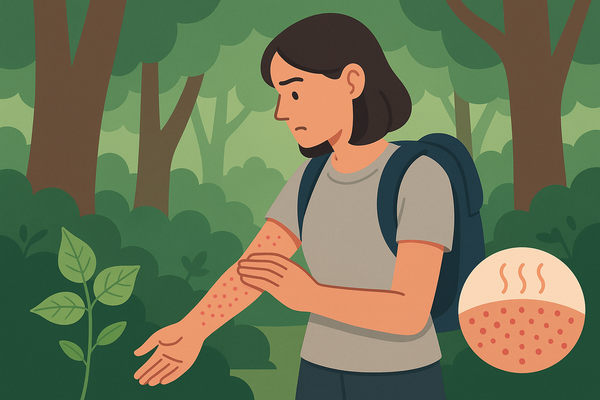
Medication rash treatment starts with understanding drug eruptions—abnormal skin reactions triggered by prescription or over-the-counter drugs. Unlike viral exanthems, eczema, or contact dermatitis, drug rashes often emerge shortly after starting a new medication, anywhere from minutes to weeks later.
撮影やイベントに使う衣装は、再現度に加えて動きやすさと着用時間も考えて選びましょう。用途に合う候補を整理するときは、ディルック コスプレ衣装で商品内容を見比べられます。最後に衣装全体を試着し、正面だけでなく横や後ろからもシルエットを確認すると安心です。
- Timing: Viral rashes peak within days of infection; drug eruptions follow drug exposure.
- Appearance: Eczema shows dry, scaly patches; contact dermatitis forms sharply demarcated redness. Drug eruptions vary widely, from hives to widespread inflammation.
Two main mechanisms drive these rashes:
- Immune-mediated reactions (e.g., urticaria, serum sickness–like reactions)
- Non-immunologic (toxic) reactions—dose-dependent, direct cytotoxic effects on skin cells
Incidence rates remind us of their frequency:
- 2–3% of patients on antibiotics or NSAIDs develop rashes.
- Up to 10% of hospitalized individuals experience cutaneous drug reactions.
- Pruritus (itching) or burning sensations
- Erythematous (red) or purplish patches
- Urticaria (hives): raised, itchy welts
- Angioedema: deeper swelling around eyes or lips
- Blisters or peeling skin
- Morbilliform eruptions: flat red macules or raised bumps
- Acute (minutes–hours): Immediate hypersensitivity—often hives or angioedema.
- Delayed (days–weeks): Morbilliform rashes that begin as mild redness before spreading (Red Itchy Rash: How to Identify and Treat Common Skin Rashes).
- Rapidly evolving blistering or peeling skin
- Mucosal involvement—ulcers in eyes, mouth, or genitalia
- Systemic signs—fever, joint pain, lymphadenopathy
- Suspicion of Stevens-Johnson syndrome/toxic epidermal necrolysis
- Antibiotics—penicillin, sulfonamides
- NSAIDs—ibuprofen, naproxen
- Anticonvulsants—phenytoin, carbamazepine
- Blood pressure meds—ACE inhibitors
- Allergic (immune-mediated hypersensitivity)
- Non-allergic (predictable, dose-dependent toxicity)
- Photosensitivity (triggered or worsened by sunlight)
- Older age—slower drug metabolism and skin repair
- Genetic predisposition or family history of drug allergy
- Viral infections (e.g., Epstein–Barr) or autoimmune disorders
- Polypharmacy—multiple concurrent medications increase interaction risks
- Past drug reactions—even after years of tolerance
- Review the timeline: Note when each prescription or supplement was started relative to rash onset.
- Discontinue non-essential medications: Under medical supervision, pause suspected drugs to see if the rash improves.
- Consult a healthcare provider: Share photos, a complete medication list, and any prior allergic history. You can also consider an online dermatologist consultation.
- Stop the suspected drug with provider approval.
- Apply cool compresses for 10–15 minutes, 2–3 times daily to soothe heat and itching.
- Use fragrance-free emollient moisturizers twice daily to restore the skin barrier.
- Apply over-the-counter 1% hydrocortisone cream to reduce localized inflammation.
- Take oral antihistamines (e.g., loratadine 10 mg once daily) to relieve pruritus.
- Oral corticosteroids (e.g., prednisone taper over 5–10 days) for moderate-to-severe eruptions.
- Second-generation antihistamines (cetirizine 10 mg once daily) or combined H1/H2 blockers for persistent itch.
- Intramuscular epinephrine (0.3 mg) for anaphylaxis; repeat every 5–15 minutes if needed.
- Inpatient care for severe reactions: IV fluids, wound care protocols, infection prevention.
- Refer to a dermatologist or allergist for cross-reactivity evaluation (e.g., penicillin skin testing).
- Substitute the culprit drug with a safer alternative when available.
- Implement slow titration when reintroducing high-risk medications, monitoring skin daily.
- Document resolution timeline—most mild rashes resolve within 1–2 weeks after discontinuation. For more on managing and preventing drug-induced skin reactions, see our detailed medication rash treatment guide and comprehensive guide to identifying and managing drug-induced skin reactions, or explore our complete guide to identifying, managing, and preventing drug-induced rashes. For a thorough overview, you may also find our complete guide to identifying, managing & preventing drug-induced rashes helpful. For a comprehensive overview, see our Comprehensive Guide to Medication Rash Treatment: Identifying and Managing Drug-Induced Skin Reactions. For a complete guide to identifying, managing & preventing drug-induced rashes, see our Medication Rash Treatment: A Complete Guide to Identifying, Managing & Preventing Drug-Induced Rashes. For your guide to identifying and managing drug-induced rashes, see our Medication Rash Treatment: Your Guide to Identifying and Managing Drug-Induced Rashes. For a comprehensive approach, see our guide to identifying and managing drug-induced skin reactions. For a comprehensive overview, see our comprehensive guide to drug-related skin reactions. For a comprehensive overview, see our Comprehensive Guide to Medication Rash Treatment. For a thorough overview, see our guide to identifying, managing, and preventing drug-induced rashes. For an in-depth look at identifying and managing drug-induced skin reactions, see our Effective Medication Rash Treatment: A Comprehensive Guide. For a comprehensive resource, see our Comprehensive Guide to Medication Rash Treatment and our Medication Rash Treatment: A Comprehensive Guide to Managing Drug-Induced Reactions.
- Keep an updated list of drug allergies and adverse reactions in your medical record.
- Wear medical alert jewelry if you have severe or life-threatening drug allergies.
- Request pre-prescription allergy testing for high-risk agents (e.g., penicillin skin testing).
- Start new medications at low doses with gradual titration to monitor tolerance.
- For photosensitive drugs, apply broad-spectrum sunscreen (SPF 30+) daily and limit direct sun exposure.
- What are the most common signs of a drug-induced rash?
Itching, red or purplish patches, hives, angioedema, blisters, or morbilliform eruptions appearing minutes to weeks after starting a medication. - How soon after starting a drug can a rash appear?
Onset varies: immediate hypersensitivity can occur within minutes to hours; delayed reactions often appear days to weeks later. - When should I seek emergency care for a medication rash?
If you experience rapid blistering/peeling, mucosal ulcers, breathing difficulty, high fever, or widespread swelling, seek urgent medical attention. - How is a medication-induced rash diagnosed?
Diagnosis involves reviewing medication timelines, discontinuing suspected drugs, examining the skin, and possibly performing skin biopsies, patch tests, or blood work. - Can I reintroduce a medication that caused a rash?
Only under specialist guidance. Cross-reactivity testing and slow titration may be used, but often safer alternatives are preferred.
Recognizing Symptoms and Signs: Medication Rash Treatment Identification
Accurate identification hinges on spotting characteristic features and red-flag symptoms early. Common signs include:
Onset variations:
Red-flag symptoms requiring emergency care:
If any red flags appear, call emergency services or visit an urgent-care center immediately. Early recognition and prompt intervention are critical. For a deeper dive into identifying, managing, and preventing drug-induced skin reactions, see our comprehensive guide to medication rash treatment.
Causes and Risk Factors: Medication Rash Treatment Considerations
Certain drugs and patient profiles heighten the risk of cutaneous reactions:
Reactions are classified as:
Key risk factors:
Diagnosis and When to Seek Help: Medication Rash Treatment Guidelines
Accurate diagnosis guides effective treatment. Steps include:
Diagnostic tests may include skin biopsy, patch testing, and blood work to rule out mimicking conditions. Indicators for immediate medical attention include difficulty breathing, rapid swelling, painful mucosal lesions, widespread blistering, or high fever.
Medication Rash Treatment Options
Immediate Home Care and Self-Management
Prescription Treatments
Medication Review and Adjustment
Prevention Strategies: Medication Rash Treatment Prophylaxis
For additional tips on avoiding flare-ups, see our 10 Expert Tips to Prevent Recurring Rashes and Maintain Healthy Skin. For further reading on prevention and management, check out our comprehensive guide to identifying and managing medication-induced rashes. For a detailed approach to identifying, managing, and preventing drug-induced rashes, refer to our comprehensive guide to identifying, managing & preventing drug-induced rashes. For your guide to identifying and managing drug-induced rashes, see our Medication Rash Treatment: Your Guide to Identifying and Managing Drug-Induced Rashes. For a comprehensive overview, see our guide to identifying, managing & preventing drug-induced skin reactions. For a practical guide to identifying and managing drug-induced rashes, see our Medication Rash Treatment: A Practical Guide to Identifying and Managing Drug-Induced Rashes. For a comprehensive overview, see our Medication Rash Treatment: A Comprehensive Guide to Identifying and Managing Drug-Induced Skin Reactions.
Conclusion
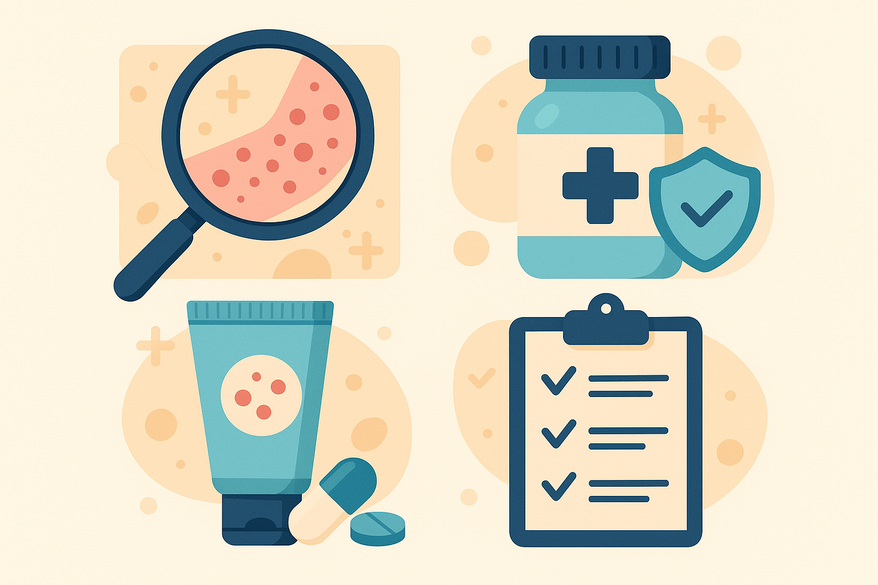
Effective medication rash treatment hinges on early identification, prompt discontinuation of the offending drug, and a tailored combination of self-care and medical therapies. Recognizing pruritus, hives, or morbilliform eruptions—and acting swiftly with cool compresses or corticosteroids—can prevent escalation to life-threatening reactions.
Maintaining accurate allergy records, consulting specialists for diagnostic testing, and following prevention strategies will minimize future risks and ensure safer medication use. Always consult your healthcare provider for personalized advice and support. If you suspect a medication-induced rash, seek medical evaluation immediately.
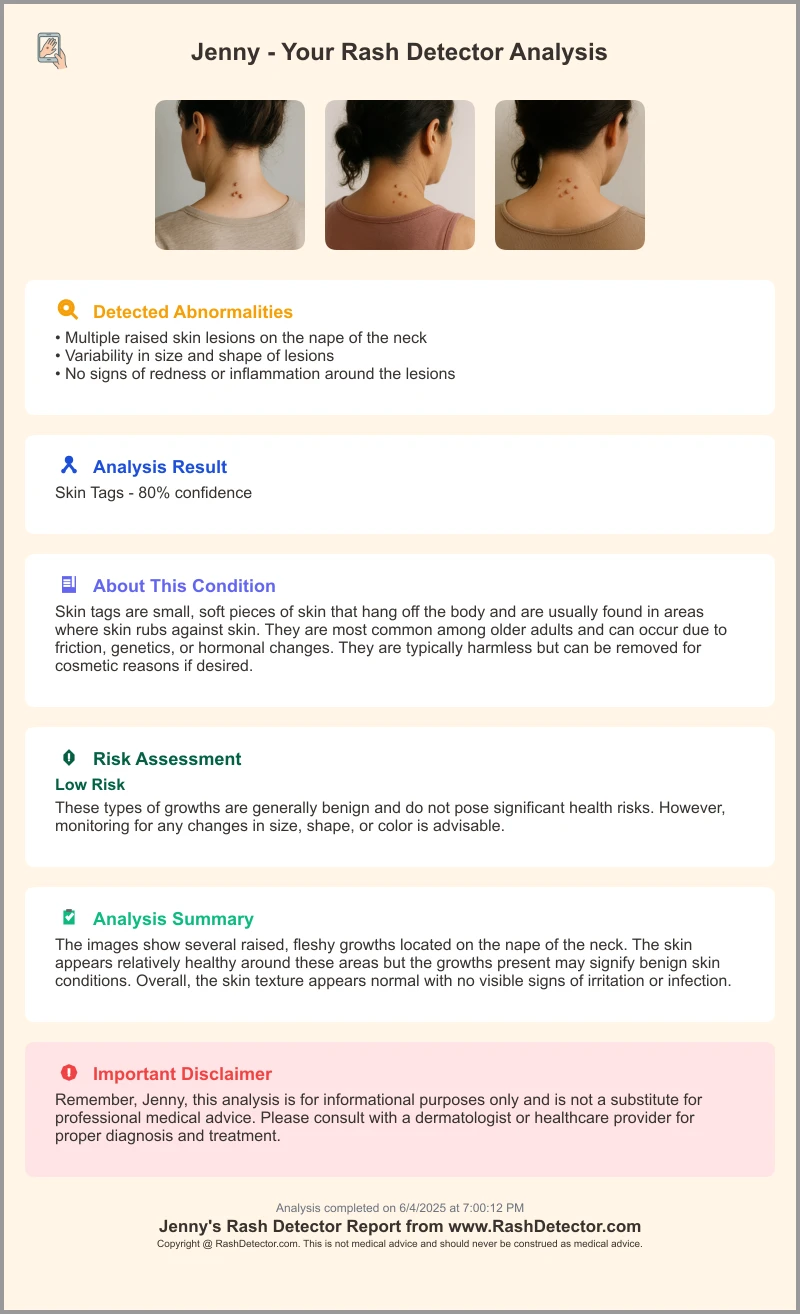
For quick, AI-driven analysis, consider using Rash Detector to upload images of your rash and receive an instant, comprehensive report.