Medication Rash Treatment: A Comprehensive Guide to Managing Drug-Induced Skin Reactions
Learn effective medication rash treatment strategies to manage and prevent drug-induced skin reactions, ensuring early diagnosis and intervention.

Estimated reading time: 12 minutes
Key Takeaways
- Recognize medication-induced rashes early to prevent severe complications like SJS or TEN.
- Differentiate immune-mediated from toxic mechanisms and identify high-risk drugs.
- Use OTC antihistamines, topical treatments, or prescription steroids based on severity.
- Adopt home care strategies—cool compresses, moisturizers, breathable fabrics—for comfort.
- Maintain detailed reaction records and communicate openly with healthcare providers.
Table of Contents
- Understanding Medication-Induced Rashes
- Signs and Symptoms
- When to Seek Medical Advice
- Diagnosis and Medical Evaluation
- Treatment Options
- Home Remedies and Self-Care Tips
- Prevention and Long-Term Management
- Conclusion
Medication Rash Treatment: Understanding Medication-Induced Rashes
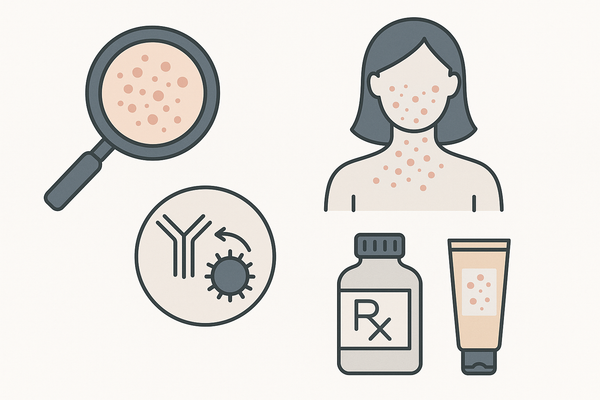
Defining a medication-induced rash helps in tailoring the right treatment plan. These eruptions can stem from immune-mediated or toxic mechanisms:
Immune vs. Toxic Mechanisms
- Immune-mediated reactions involve antibodies or T cells attacking skin cells in response to a drug.
- Toxic reactions result from direct cutaneous damage by the medication itself, per NCBI.
Differentiation from Other Skin Conditions
- Timing: Rashes often appear 2–4 weeks after starting a new drug.
- Morphology: Look for hives, morbilliform eruptions, or fixed drug reactions.
- Distribution: Drug rashes are usually symmetric and widespread.
- Resolution: Symptoms improve within days of stopping the offending medication, per American Academy of Dermatology.
High-Risk Medications
- Antibiotics: penicillins, sulfonamides
- NSAIDs: ibuprofen, naproxen
- Anticonvulsants: carbamazepine, phenytoin
- ACE inhibitors: lisinopril, enalapril
- Allopurinol for gout, per Drugs.com
Medication Rash Treatment: Signs and Symptoms
Recognizing early signs guides prompt treatment and stops severe outcomes.
Mild-to-Moderate Presentations
- Redness and localized inflammation
- Itching, burning, or tingling sensations
- Hives or raised wheals
- Morbilliform eruptions resembling measles
- May be localized or spread over several body areas
Severe or Red-Flag Symptoms
- Widespread blistering or skin peeling
- Mucous membrane involvement: mouth, eyes, genitals
- Systemic signs: fever, chills, malaise
- Anaphylaxis indicators: lip/throat swelling, breathing difficulty
- Early signs of SJS or TEN: painful red skin, rapid spread, per NIH.
Medication Rash Treatment: When to Seek Medical Advice
Knowing when to get help ensures safe and effective management.
Contact Your Healthcare Provider If
- Rash begins 2–4 weeks after starting a new drug
- Itching is so intense it affects sleep or daily tasks
- Rash spreads quickly or covers large areas
- Over-the-counter remedies fail after several days
Seek Emergency Care If
- Mucous membranes are inflamed
- Blistering or sheet-like skin peeling occurs
- Fever, chills, or body aches accompany the rash
- Swelling of face, lips, or throat or difficulty breathing
- Signs of anaphylaxis develop, per Mayo Clinic
Medication Rash Treatment: Diagnosis and Medical Evaluation
A clear diagnosis is the cornerstone of personalized treatment.
Step 1: Detailed History
- List all medications: prescription, OTC, herbal supplements
- Note start dates and any recent changes
- Record rash onset, distribution, and progression
- Document prior drug reactions in patient history
Step 2: Physical Examination
- Examine rash morphology—hives, blisters, macules
- Inspect mucous membranes for target lesions
- Check for systemic signs: lymphadenopathy, fever
Step 3: Monitoring & Documentation
- Track timeline: drug initiation to rash appearance
- Note improvement after stopping the suspected drug
- Log daily rash changes, itching scores, and new symptoms
Recommended Tests
- Patch testing for delayed or contact reactions
- Blood tests (CBC, liver/kidney panels) to exclude systemic causes
- Specific allergy tests: RAST, skin prick
- Skin biopsy or direct immunofluorescence if unclear, per American Academy of Dermatology
Medication Rash Treatment: Treatment Options
Effective care adapts to rash severity and underlying mechanisms.
Immediate Step
- Discontinue or adjust the culprit medication under medical supervision.
Over-the-Counter (OTC) Options
- Antihistamines: cetirizine, loratadine, fexofenadine, per Healthline
- Topical hydrocortisone 1% for localized inflammation
- Calamine lotion for soothing relief
- Fragrance-free moisturizers to restore skin barrier
Prescription Treatments
- Systemic corticosteroids: oral prednisone, methylprednisolone
- Prescription-strength antihistamines: hydroxyzine
- Epinephrine autoinjector for acute anaphylaxis
- ICU-level care for SJS/TEN, including immunosuppressants or biologics, per Journal of Allergy and Clinical Immunology
Medication Management Strategies
- Dose titration: start low and increase slowly
- Switch to different drug classes if reaction is confirmed
- Avoid rechallenge for severe reactions unless under specialist care, per NCBI
Medication Rash Treatment: Home Remedies and Self-Care Tips
Supporting skin health at home complements formal treatment.
Skin Care Measures
- Apply cool (not ice-cold) compresses to calm itching
- Avoid hot baths or showers that dry out skin
- Use fragrance-free, hypoallergenic moisturizers
- Wear soft, breathable fabrics like cotton
Comfort Strategies
- Trim nails and wear mittens if scratching is hard to resist
- Use a humidifier to maintain room moisture
- Stay hydrated to support skin repair
Wellness Support
- Get 7–9 hours of sleep to boost immune function
- Practice stress reduction: deep breathing, meditation, gentle yoga
- Avoid harsh soaps, detergents, and excessive sun exposure
Important Caution
Always check with a healthcare professional before applying new home remedies to ensure they don’t interact with treatments or delay necessary care, per CDC.
Medication Rash Treatment: Prevention and Long-Term Management
Long-term strategies reduce the risk of repeat drug-induced reactions:
- Maintain comprehensive reaction records and share with all providers.
- Start new drugs at the lowest effective dose and monitor for 2–4 weeks.
- Pursue allergy testing for high-risk medications.
- Keep written records of confirmed drug allergies in medical files.
- Provide full medication lists, including OTC and supplements, to your provider.
For in-depth drug allergy strategies, see Managing Drug Allergy Rash: A Comprehensive Guide.
Conclusion: Medication Rash Treatment Summary
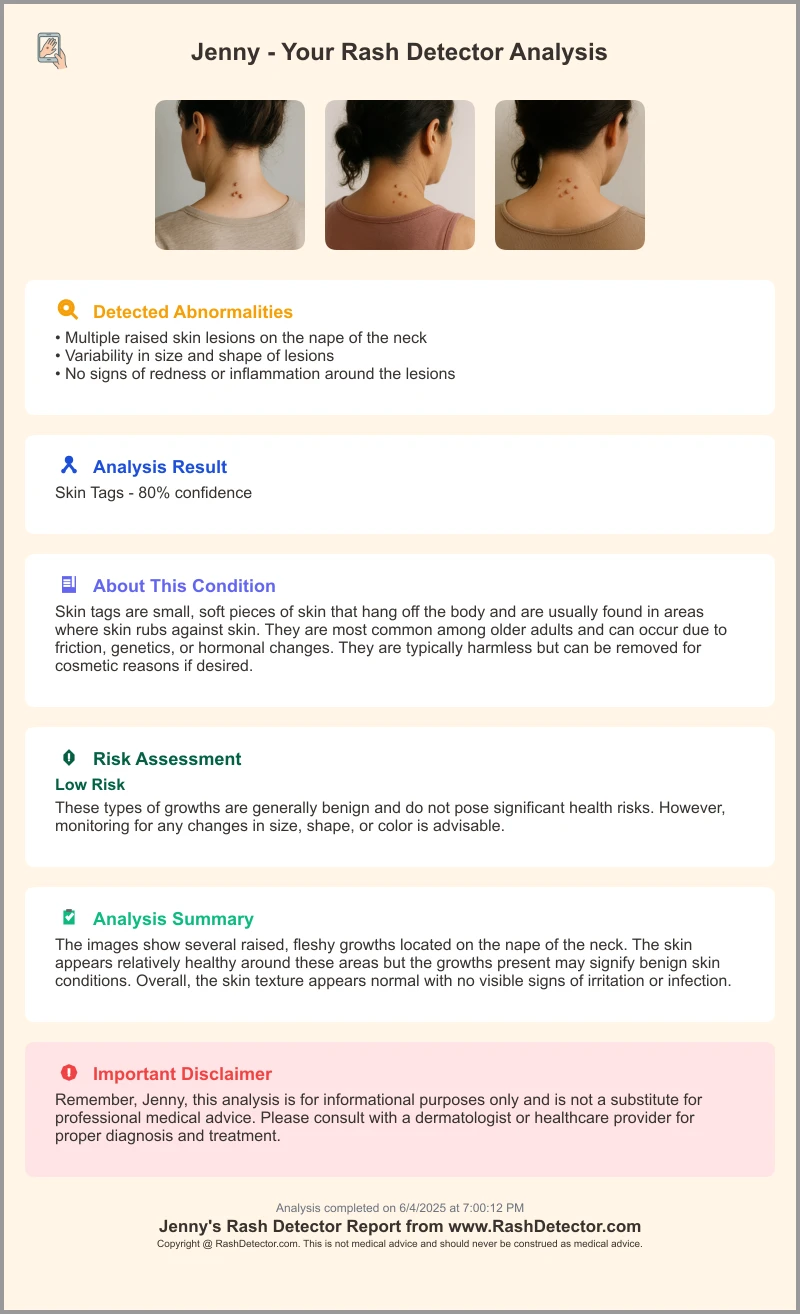
Early recognition, accurate diagnosis, and prompt intervention are the pillars of effective medication rash treatment. Discontinue the offending medication under medical guidance, use antihistamines or corticosteroids, and apply supportive home care to relieve symptoms and prevent progression to serious conditions like SJS or TEN. Maintain detailed reaction records and communicate openly with healthcare providers for safe, long-term management. Track your symptoms, document any changes, and consult a medical professional for a personalized treatment plan. For monitoring between visits, tools like Rash Detector can help by generating an AI-based sample report for your review:
コスプレ衣装を選ぶ際は、サイズ表、素材、付属品、発送予定日を確認すると比較しやすくなります。条件に合う選択肢を探す際は、アニメ コスプレ衣装を手掛かりに内容を確認できます。商品が届いたら付属品とサイズを早めに確認し、必要な調整を本番前に済ませましょう。
FAQ
- Q: How soon does a drug rash appear?
A: Most drug rashes occur 2–4 weeks after starting a new medication. - Q: Can I treat a mild rash at home?
A: Yes, cool compresses and OTC antihistamines often help, but consult a provider if it worsens. - Q: When is a rash an emergency?
A: Seek immediate care for blistering, mucous membrane involvement, breathing difficulty, or systemic symptoms. - Q: Are all skin rashes drug-related?
A: No, timing, distribution, and morphology help differentiate drug rashes from infections or other dermatoses. - Q: How can future drug reactions be prevented?
A: Keep detailed reaction records, start new drugs at low doses, and pursue allergy testing for high-risk medications.