Expert Guide to Medication Rash Treatment: Identifying, Managing, and Preventing Drug-Related Skin Reactions
Discover how to identify and treat medication-induced rashes effectively with this expert guide to medication rash treatment and prevention strategies.

Estimated reading time: 8 minutes
Key Takeaways
- Early recognition of drug-induced rashes and proper classification reduce risks.
- Accurate diagnosis relies on a thorough medication history, physical exam, and targeted tests.
- Effective treatment combines cessation of the offending agent, symptom relief with OTC or prescription therapies, and supportive care.
- Prevent future reactions by documenting allergies, updating medical records, and patient education.
- Consult dermatologists or allergists for severe or confusing reactions to ensure safe medication use.
Table of Contents
- Introduction
- Understanding Medication-Induced Rashes
- Identifying Signs and Symptoms
- Diagnosis & When to Seek Medical Advice
- Treatment Options
- Managing & Preventing Future Reactions
- Expert Tips & Advice
- Conclusion
- FAQ
Introduction
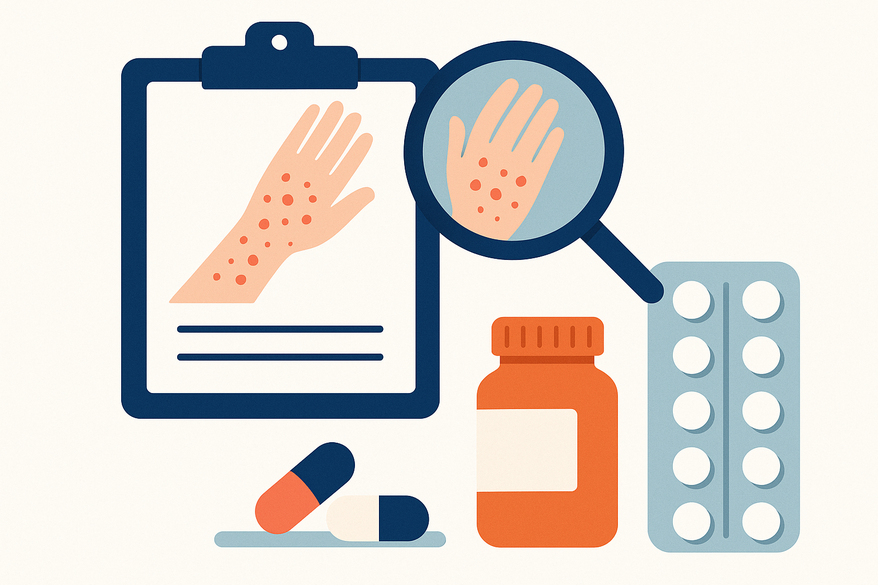
Medication rash treatment is the systematic approach to identifying, managing, and preventing skin reactions caused by drugs. These reactions range from mild redness to life-threatening blisters and can occur with antibiotics, NSAIDs, anticonvulsants, cancer therapies, vaccines, or supplements. Safe treatment hinges on spotting signs early, stopping the culprit drug, and selecting therapies that relieve symptoms and minimize future risk. For a deeper dive, see our comprehensive guide to identifying, managing, and preventing drug-induced rashes.
In this guide, you will learn:
- How medication-induced rashes form and why they happen
- Key signs and symptoms to watch for
- Steps to diagnose and when to seek medical help
- Proven treatment options, from OTC remedies to hospital care
- Ways to prevent repeat reactions
- Expert tips for managing drug-related skin reactions
Section 1: Understanding Medication-Induced Rashes
A medication-induced rash is any cutaneous reaction caused by prescription or over-the-counter drugs, vaccines, or supplements. These rashes fall into two main mechanisms:
- Allergic (immune-mediated)
- Non-allergic (direct toxicity or irritation)
Common drug classes linked to rashes:
- Antibiotics (penicillins, sulfonamides)
- Anticonvulsants (e.g., lamotrigine)
- Nonsteroidal anti-inflammatory drugs (NSAIDs)
- Cancer therapies (chemotherapy, targeted agents)
Major rash types:
- Morbilliform eruption: Diffuse pink-red macules and papules
- Urticaria (hives): Raised, itchy wheals
- Fixed drug eruption: Recurrent patches at the same site
- Photosensitivity: Rash on sun-exposed skin
- SCARs (SJS/TEN): Widespread blistering, mucosal involvement
Section 2: Identifying the Signs and Symptoms
Early recognition is vital. Watch for:
- Red or pink spots, patches, or bumps, often starting on the trunk
- Itching (pruritus) or burning sensations
- Hives: transient, itchy welts
- Angioedema: swelling of lips, eyelids, tongue
- Blistering or peeling skin, especially mucosal involvement
- Systemic signs: fever, malaise, flu-like symptoms
Red flags requiring immediate care:
- Rapid rash spread
- Mucosal involvement
- Respiratory difficulty or shock signs
Timeline:
- Immediate (<1–2 hours): often hives or anaphylaxis
- Delayed (days–weeks): morbilliform eruptions, SCARs
- Improvement usually begins within 48 hours of stopping the drug
For more on identifying drug-induced rash symptoms, see identifying drug-induced rash symptoms.
Section 3: Diagnosis & When to Seek Medical Advice
Self-assessment steps:
- Compile a 4–6 week medication history (RX, OTC, supplements, vaccines)
- Grade severity: mild, moderate, severe
- Document rash progression with photos and symptom logs
- Avoid re-dosing suspected drugs without clinician advice
When to seek care:
- Urgent/emergency: rapid spread, blistering, mucosal or respiratory signs, systemic symptoms
- Non-emergency but persistent: schedule with PCP, dermatologist, or allergist
Diagnostic tests:
- Detailed medication timeline vs. rash onset
- Physical exam: distribution, morphology, systemic check
- Blood tests: CBC, CMP, inflammatory markers
- Skin biopsy for SCARs or unclear cases
- Selective allergy testing under allergist guidance
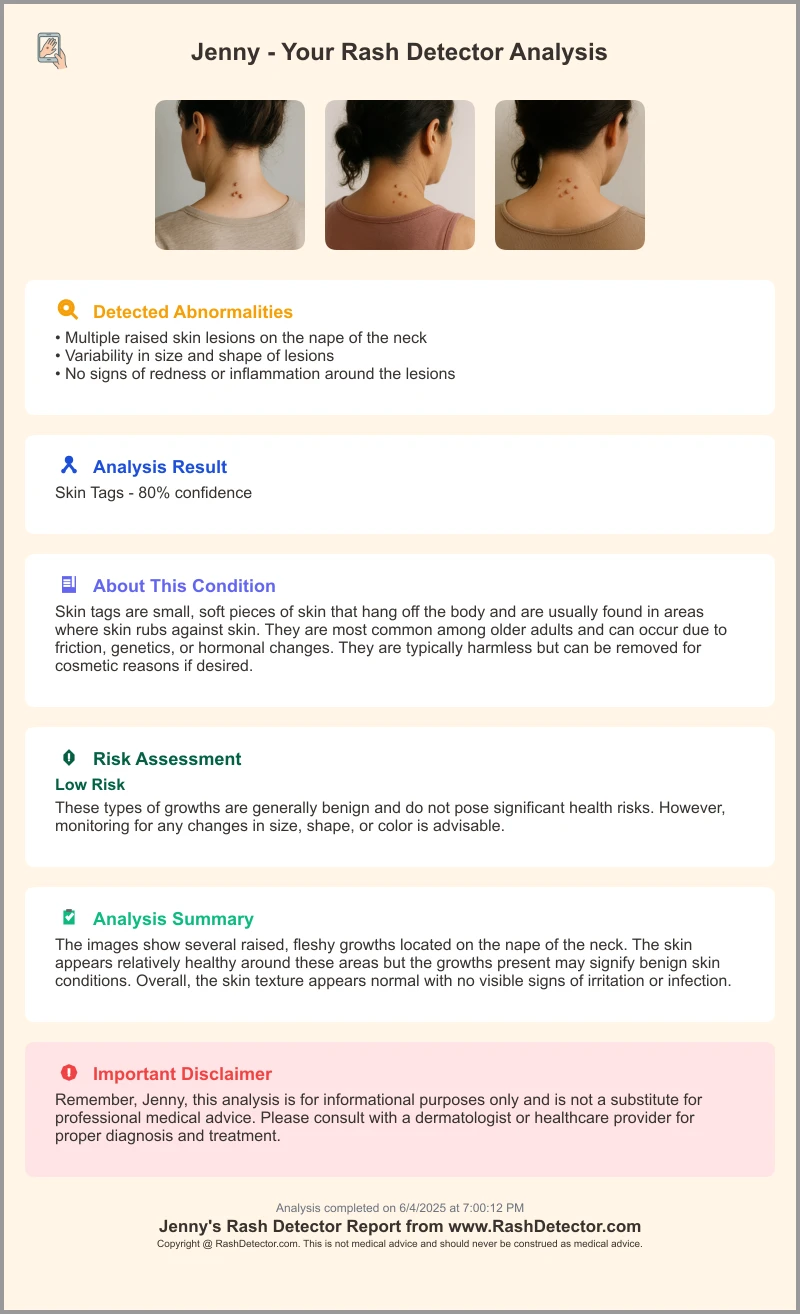
For fast, preliminary analysis of your rash using AI, consider Rash Detector, an AI Skin Analysis App that evaluates uploaded images and generates detailed reports in seconds.
Section 4: Detailed Treatment Options
Step 1: Stop or Adjust Offending Medication
- Discontinue the suspected drug under medical supervision
- Mild/moderate rashes often improve within 48 hours and clear in 1–3 weeks
- Clinician may switch to a safer alternative
Step 2: Over-the-Counter Remedies
- Oral antihistamines: cetirizine, loratadine, diphenhydramine
- Topical corticosteroids: hydrocortisone 1% OTC or prescription
- Emollients: fragrance-free moisturizers
- Cool compresses or baths to ease itching
Compare OTC vs prescription options here.
Step 3: Prescription Therapies
- Potent topical steroids for widespread inflammation
- Systemic corticosteroids for severe eruptions
- High-dose antihistamines for refractory urticaria
- Immunosuppressants (cyclosporine, IVIG) for SCARs
- Epinephrine for anaphylaxis in emergencies
- Hospital supportive care: fluids, wound care, infection prophylaxis
For a step-by-step approach to identifying and managing drug-induced skin reactions, see our comprehensive guide to medication rash treatment.
Step 4: Complementary & Supportive Measures
- Gentle skincare: mild, fragrance-free cleansers
- Loose, soft clothing to minimize friction
- Stress reduction and rest to support healing
Section 5: Managing & Preventing Future Reactions
- Daily emollients and prescribed topical steroids
- Night-time antihistamines for itch control
- Wet wraps or dressings to boost topical absorption
- Loose, breathable clothing to reduce irritation
Prevention strategies:
- Document each reaction: photos, drug name, dose, timing
- Update medical records and allergy lists
- Inform every provider about drug allergy history
- Wear medical alert jewelry or carry an allergy card
- Discuss cross-reactivity and alternatives with an allergist
- Consider supervised allergy evaluations when appropriate
Read more about managing drug allergy rash.
Section 6: Expert Tips & Advice
- Involve dermatologists and allergists early for severe or confusing rashes
- Never self-rechallenge after severe reactions unless under controlled supervision
- Expect gradual healing over days to weeks
- Tailor treatment by rash type (hives vs morbilliform vs SJS/TEN)
Case Example: A patient on penicillin developed a morbilliform rash after seven days. The antibiotic was stopped, cetirizine and a medium-strength topical steroid were started, and a different antibiotic class was chosen. The rash halted progression within 48 hours and cleared in two weeks. The reaction was documented in the patient’s allergy list.
Conclusion
Effective medication rash treatment relies on early recognition, prompt cessation of the culprit drug, targeted symptom relief, specialist involvement when needed, and meticulous prevention documentation. Combining these steps ensures safer medication use and better skin health. Have you experienced a medication-induced rash? Share your story or questions in the comments below, and always consult your healthcare professional for personalized advice.
FAQ
- Q: When should I stop a medication if I develop a rash?
A: Discontinue the drug immediately if you experience rapid rash spread, blistering, mucosal involvement, or systemic symptoms. Always seek medical advice before stopping any prescribed medication. - Q: Can OTC treatments fully resolve a drug rash?
A: Mild rashes often respond to OTC antihistamines and topical steroids within 1–3 weeks, but severe reactions require prescription therapies and specialist care. - Q: How can I prevent future drug-induced rashes?
A: Document the reaction details (drug, dose, timing, symptoms), update your medical records and allergy list, inform all healthcare providers, and consider allergy testing if appropriate. - Q: Are skin biopsies necessary?
A: A skin biopsy is useful for severe or unclear cases, especially SCARs, to distinguish between different rash types and guide treatment. - Q: Is it safe to switch to a related drug class?
A: Cross-reactivity can occur. Always consult an allergist or specialist before switching to a related medication.