Medication Rash Treatment: Identify, Diagnose, and Manage Skin Reactions
Learn about medication rash treatment, identifying signs, diagnosing, and managing drug-induced skin reactions to prevent complications.

Estimated reading time: 8 minutes
Key Takeaways
- Medication-induced rashes range from mild hives to life-threatening SCARs like Stevens-Johnson syndrome.
- Early recognition and discontinuation of the culprit drug are critical to prevent complications.
- Diagnosis involves correlating timelines, reviewing drug history, assessing systemic signs, and sometimes biopsy.
- Treatment varies by severity—from OTC antihistamines and topical steroids to systemic corticosteroids and epinephrine for anaphylaxis.
- Home management, prevention strategies, and prompt medical attention for red-flag symptoms reduce future risks.
Table of Contents
- Introduction
- Understanding Medication-Induced Rashes
- Identification and Diagnosis of Medication Rash Treatment
- Treatment Options for Medication Rash Treatment
- Management and Prevention Strategies in Medication Rash Treatment
- When to Seek Medical Advice for Medication Rash Treatment
- Conclusion
- Additional Resources and References
Introduction
Medication-induced rashes are adverse skin reactions triggered by drugs. They can present as mild hives or escalate into severe, life-threatening conditions. Prompt medication rash treatment helps prevent complications such as infection, scarring, or systemic involvement. In this post, you'll learn how to spot early warning signs, follow a clear diagnostic workflow, explore treatment choices, and know when to seek medical care.
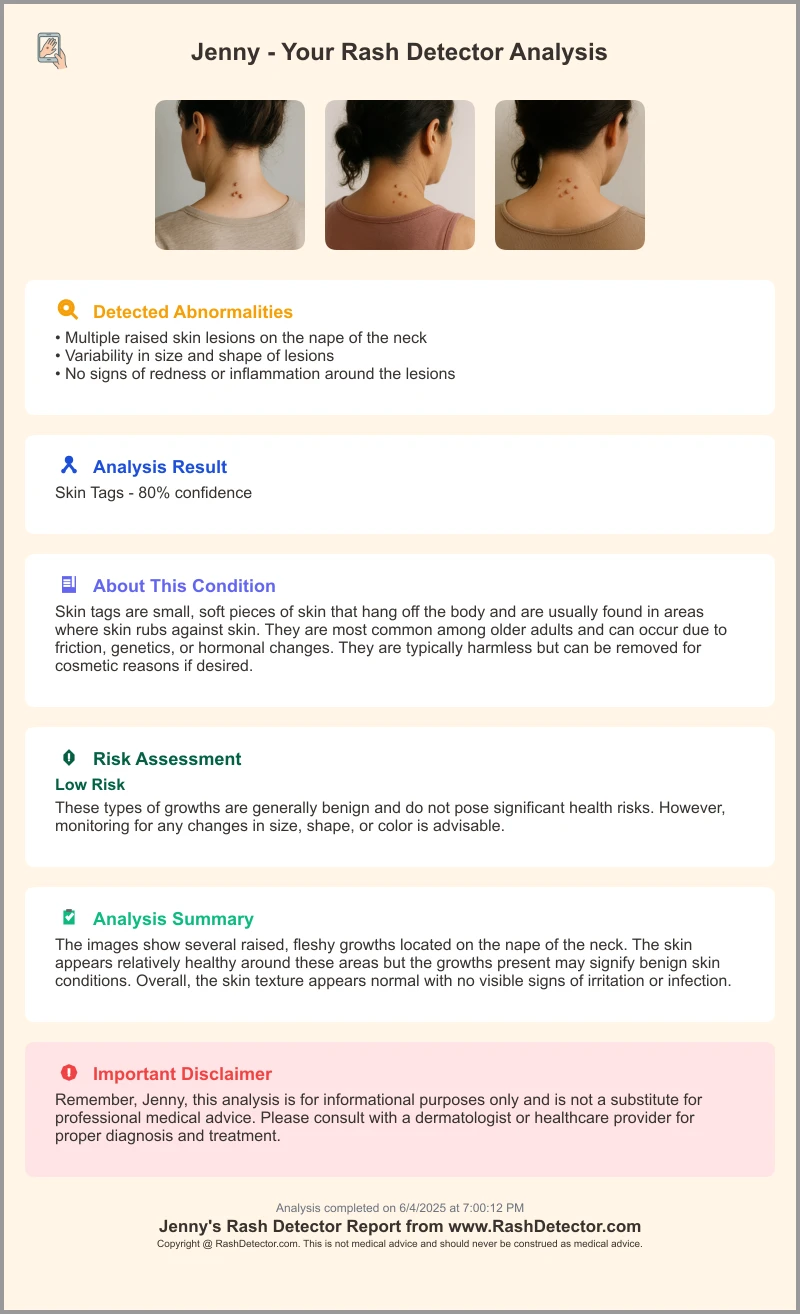
For a quick AI-powered check, you can upload images to Rash Detector to receive an instant analysis.
Section 1: Understanding Medication-Induced Rashes
What Is a Medication-Induced Rash?
A medication-induced rash is a skin eruption caused by an immune or non-immune response to a drug. It may appear within hours of exposure or several days later.
Why Early Recognition Matters
- Mild hives can progress to severe cutaneous adverse reactions (SCARs) such as Stevens-Johnson syndrome.
- Delays in treatment can lead to blistering, infection, or organ involvement.
Common Culprit Drug Classes
- Antibiotics (penicillins, sulfonamides)
- Anticonvulsants (phenytoin, carbamazepine)
- Nonsteroidal anti-inflammatory drugs (NSAIDs)
- Various oral and injectable medications across many drug families
Key Point: Effective medication rash treatment starts with identifying the culprit drug, discontinuing it safely, and tailoring symptom management to the rash type and severity.
Section 2: Identification and Diagnosis of Medication Rash Treatment
Hallmark Symptoms
- Redness, itching, swelling, hives
- Blistering or skin peeling in severe cases
- Systemic symptoms: fever, facial or throat swelling, breathing difficulty
Rash Patterns and Definitions
- Maculopapular rash – Small red spots and bumps, delayed onset, often itchy and widespread.
- Urticaria (hives) – Raised, migratory plaques driven by histamine; appear and disappear quickly.
- SCARs (Severe Cutaneous Adverse Reactions) – Includes Stevens-Johnson syndrome and toxic epidermal necrolysis; often requires skin biopsy.
Diagnosis Workflow
- Correlate rash onset with medication timeline
- First exposure vs. re-exposure (rechallenge)
- Review full drug history and past tolerances
- Check for other symptoms (fever, swollen glands)
- Involve dermatology if needed (skin biopsy, patch testing)
For more on recognizing and classifying drug-induced rashes, see identifying drug-induced rash symptoms.
Section 3: Treatment Options for Medication Rash Treatment
First and Most Important Step
Discontinue the offending drug under medical supervision.
Mild Reactions
- Over-the-counter antihistamines (e.g., diphenhydramine) for itching relief – see best anti-itch cream solutions
- Topical corticosteroids (hydrocortisone cream or stronger prescription options)
Moderate to Severe Reactions
- Oral prescription corticosteroids (prednisone) to reduce inflammation
- Emergency epinephrine injection for anaphylaxis
- Hospital admission and specialist care for SCARs
Supportive Care Measures
- Moisturizers to restore the skin barrier
- Cool compresses to ease itching and swelling
- Oatmeal baths for soothing irritated skin (see oatmeal bath for rash)
- Sunscreen and protective clothing to prevent sun-triggered flares
- Avoid scratching to reduce infection risk
Section 4: Management and Prevention Strategies in Medication Rash Treatment
Home Management Tips
- Track rash onset and daily progress in a symptom journal
- Keep an up-to-date list of all prescription drugs, OTC meds, and supplements
- Avoid known skin triggers such as harsh soaps, fragrances, or new skincare products
Preventive Strategies
- Pre-treatment patch testing for high-risk medicines
- Review family and personal allergy history before starting new drugs
- Collaborate with your pharmacist or dermatologist to find safe alternatives
Communication Is Key
- Report any side effects immediately to your healthcare provider
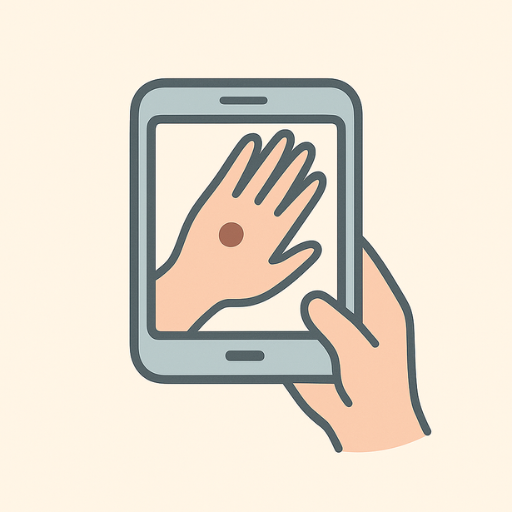
- Share photos of the rash to help doctors assess severity
Section 5: When to Seek Medical Advice for Medication Rash Treatment
Red-Flag Symptoms Requiring Urgent Care
- Rapidly spreading rash, blistering, or peeling skin
- Fever or signs of infection (pus, warmth, redness)
- Respiratory distress, throat or facial swelling (anaphylaxis)
- Mouth sores, eye irritation, or difficulty swallowing (possible Stevens-Johnson syndrome)
Action Steps
- Call 911 or go to the nearest ER for anaphylactic signs
- Seek dermatologist or burn-unit evaluation for suspected SCARs
- Do not self-treat severe blistering or systemic symptoms at home
Conclusion
"Early intervention can make all the difference in managing drug-induced rashes."
Medication rash treatment begins with recognizing that a skin reaction may be drug-related. Early identification, stopping the culprit drug, and following a structured diagnosis workflow are essential. Treatment ranges from simple antihistamines and topical creams to prescription steroids, epinephrine, and hospital-based care for severe cases. Home management and prevention tips help reduce future risk. Always report side effects promptly and seek urgent medical advice for red-flag symptoms. Timely medication rash treatment can stop mild irritation from becoming a serious health threat.
Additional Resources and References
- IU Health – Drug Rashes
- Johns Hopkins Medicine – Drug Rashes
- Harvard Health Blog – When Is a Drug Rash More Than Just a Rash
- Mayo Clinic – Contact Dermatitis Self-Care
- PMC Article on Drug Reactions
FAQ
What causes medication-induced rashes?
Medication-induced rashes occur when the immune system or skin cells react adversely to a drug. Reactions can be immediate or delayed, depending on the drug class and individual sensitivity.
How are medication-induced rashes diagnosed?
Diagnosis involves correlating the timing of the rash with drug exposure, reviewing your full medication history, assessing systemic symptoms, and in some cases, performing a skin biopsy or patch testing.
What treatment options are available for drug-induced rashes?
Treatment depends on severity. Mild cases respond to OTC antihistamines and topical corticosteroids. Moderate to severe reactions may require oral steroids, epinephrine for anaphylaxis, or hospital admission for SCARs.
How can I prevent future medication rashes?
Keep a detailed record of drug allergies, consider pre-treatment patch testing for high-risk medications, and communicate with your healthcare team before starting new therapies.
When should I seek emergency care for a rash?
If you experience rapid rash spread, blistering, systemic signs like fever or breathing difficulty, or facial/throat swelling, seek immediate medical attention.