Complete Guide to Medication Rash Treatment: Identify, Manage, and Prevent Drug-Induced Skin Reactions
Learn to identify, manage, and prevent drug-induced skin reactions with our comprehensive medication rash treatment guide. Early detection is key to preventing complications.
Estimated reading time: 10 minutes
Key Takeaways
- Early recognition of drug eruptions is critical to prevent severe outcomes.
- Immediate withdrawal of the offending medication under medical guidance stops progression.
- Symptom relief through antihistamines, corticosteroids, and supportive care aids recovery.
- Red-flag signs like blistering or facial swelling require emergency attention.
- Preventive measures include thorough allergy histories and avoiding re-exposure.
Table of Contents
- Understanding Medication-Induced Rashes
- Identifying a Medication Rash
- Treatment Options
- Preventative Measures
- Step-by-Step Guide
- Expert & Patient Insights
- Conclusion
- Additional Resources
- FAQ
Medication Rash Treatment: Understanding Medication-Induced Rashes
Medicines can trigger skin reactions via immune-mediated or non-immune mechanisms:
- Immune-mediated (allergic) reactions
- IgE-mediated – rapid hives or anaphylaxis
- T-cell mediated – delayed morbilliform rash, DRESS
- Non-immune reactions
- Direct toxicity – dose-related damage
- Photosensitivity – sun-induced rash
Common clinical patterns include:
- Morbilliform eruption – pink macules and papules on the trunk, appearing 1–2 weeks post–drug initiation.
- Urticaria/angioedema – itchy wheals with possible lip or eyelid swelling.
- Fixed drug eruption – violaceous patch recurring at the same site.
- Severe Cutaneous Adverse Reactions (SCARs) – SJS/TEN with painful blisters and mucosal sores; DRESS with fever, facial swelling, organ involvement; AGEP with pustules and fever.
Risk factors include female sex, older age, polypharmacy, immune compromise, and certain HLA types. High-risk drugs: antibiotics, anticonvulsants, NSAIDs, and allopurinol.
Medication Rash Treatment: Identifying a Medication Rash
Timeline and signs: Rashes typically emerge days to weeks after a new drug or dose change, with pruritus, erythema, wheals, or pustules. Systemic signs can include fever, lymphadenopathy, or organ involvement.
Differential pointers:
- Symmetric, widespread eruption on trunk and limbs.
- Onset post–drug initiation and improvement on withdrawal.
- Contrast with contact dermatitis, eczema, or viral rash by reviewing Identifying and Managing Drug-Induced Rash Symptoms.
Red-flag features needing urgent care
- Facial or throat swelling, respiratory distress, hypotension (anaphylaxis).
- Blisters, skin peeling, painful mucosal sores.
- High fever, jaundice, oliguria, confusion.
Early detection and cessation of the culprit drug can be life-saving.
Medication Rash Treatment: Treatment Options
Core principles:
- Identify and discontinue the offending medication with clinical supervision.
- Assess severity: mild (home care), moderate (outpatient clinic), severe (hospital ICU).
- Provide symptom relief: antihistamines, corticosteroids, emollients.
- Monitor for systemic spread or organ involvement.
Over-the-counter treatments (mild cases)
- Non-sedating oral antihistamines (e.g., cetirizine) or diphenhydramine.
- Low-potency topical corticosteroids (1% hydrocortisone).
- Emollients, cool compresses, oatmeal baths.
Prescription interventions
- Potent topical steroids (betamethasone) for extensive inflammation.
- Short-course systemic corticosteroids (prednisone taper) for DRESS or severe rash.
- IVIG in a burn unit setting for SJS/TEN.
- Epinephrine for anaphylaxis.
Medication Rash Treatment: Preventative Measures
- Prescribe high-risk drugs only when clinically necessary.
- Obtain a thorough allergy history before new medications.
- Avoid re-exposure and cross-reactive agents.
Active monitoring:
- Observe the first 2–4 weeks after drug start or dose adjustment.
- Maintain a symptom diary with dates, rash locations, and triggers.
Consider specialist evaluation for patch testing or graded challenge, and carry an allergy ID card in your medical record. Learn more in Managing Drug Allergy Rash: A Comprehensive Guide.
Medication Rash Treatment: Step-by-Step Guide
- Immediate steps: review all medications and consult your provider before stopping essential drugs; seek emergency care for airway or hemodynamic compromise.
- Discontinuation protocol: stop non-essential agents; substitute or taper high-risk meds per clinician’s advice; document withdrawal time and monitor rash evolution.
- Treatment pathways by severity:
- Mild – OTC antihistamine + topical hydrocortisone + emollient.
- Moderate – prescription topical steroids + oral antihistamines ± short oral steroids.
- Severe/SCARs – hospitalize, administer systemic steroids or immunomodulators, IVIG, and burn-style wound care.
- Personal history considerations: adjust therapy for comorbidities; consider genetic HLA screening before certain drugs.
Medication Rash Treatment: Expert & Patient Insights
Expert quotes:
- “Immediate withdrawal of the culprit drug is the single most important step in SCAR management.” – CCJM
- “Blistering, mucosal involvement, or systemic signs warrant urgent dermatology/ICU referral.” – Harvard Health
- “Patient education on avoidance and documentation prevents recurrence.” – DermNet NZ
Patient perspectives:
- “Mild rashes often resolve in 3–14 days after stopping the drug and using antihistamines/steroids.” – NYU Langone
- “Survivors of severe reactions stress the value of allergy cards and specialist follow-up.” – CCJM
Conclusion
Any new rash after medication use demands prompt recognition and action. Effective treatment hinges on four pillars: early detection, medically supervised drug withdrawal, symptom relief, and escalation for red flags. From benign morbilliform eruptions to life-threatening SCARs, rapid professional guidance, accurate documentation, and patient vigilance save lives. Always share your drug allergy history with every provider and seek urgent care for facial swelling, blistering, or systemic signs. For a more detailed overview, see our comprehensive guide to identifying, managing, and preventing drug-induced skin reactions.
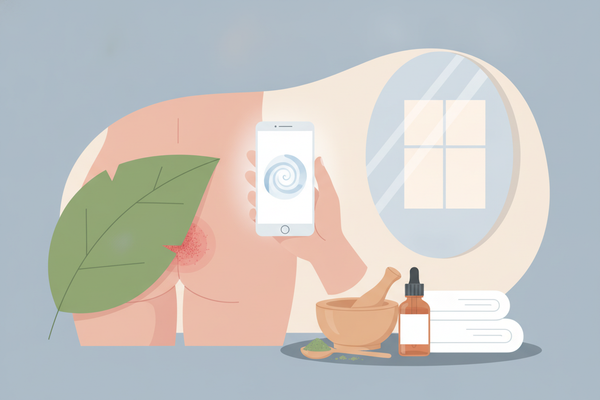
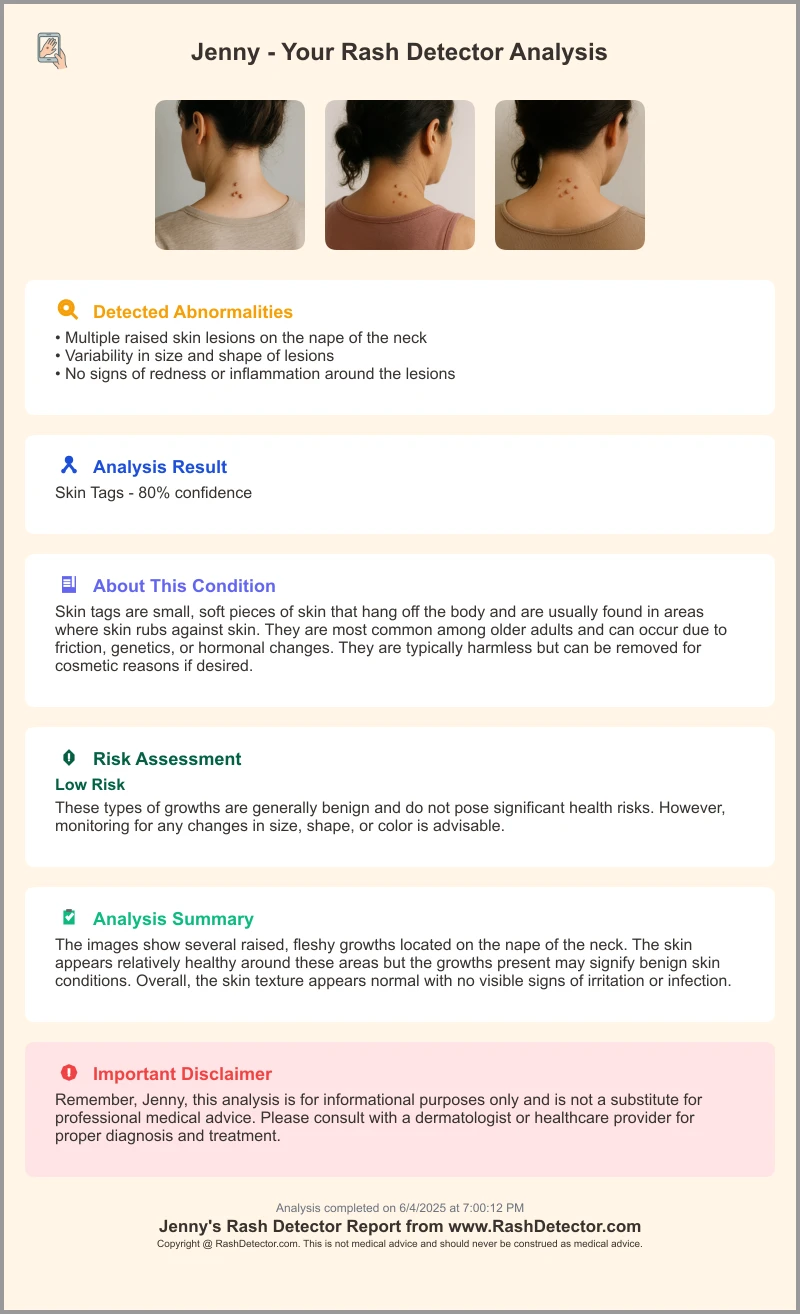
For quick, at-home AI insights on your rash, upload photos to the Skin Rash App and view a sample report like this:
Additional Resources
- Drug Eruptions – DermNet NZ
- Drug Rashes – Johns Hopkins Medicine
- When Is a Drug Rash More Than Just a Rash? – Harvard Health Blog
- Early Recognition & Management of Deadly Drug Rashes – CCJM
- Medication for Drug Reactions & Hives – NYU Langone
FAQ
- How soon do medication rashes appear?
Most rashes develop within days to weeks after starting or changing the dose of a drug. Immediate reactions (IgE-mediated) can occur within minutes to hours.
- When should I stop my medication?
Never discontinue essential drugs without consulting a healthcare provider. Non-essential or suspect medications may be paused under medical supervision to confirm the trigger.
- Which symptoms indicate an emergency?
Seek immediate help for facial or throat swelling, breathing difficulty, hypotension, blistering, skin peeling, or systemic signs like high fever and organ dysfunction.
- Can I treat mild rashes at home?
Yes, mild eruptions often respond to oral antihistamines, topical hydrocortisone, emollients, and cool compresses. For further details on home and medical management, refer to our guide to identifying, managing, and preventing drug-induced rashes.
- How can I prevent future reactions?
Maintain a detailed allergy history, avoid re-exposure, use high-risk drugs judiciously, and consider patch testing or graded challenges when appropriate.