Medication Rash Treatment: A Comprehensive Guide to Identifying, Managing & Preventing Drug-Induced Rashes
Learn effective medication rash treatment strategies to identify, manage, and prevent drug-induced rashes. Ensure safety with professional guidance.
8 min read
Key Takeaways
- Prompt identification and discontinuation of the culprit drug speed up recovery and reduce complications.
- Management ranges from simple antihistamines to IV corticosteroids depending on severity.
- Maintaining a detailed medication history and documentation helps prevent future drug-induced rashes.
- Emergency warning signs—such as breathing difficulty or widespread blistering—require immediate medical attention.
- Preventive measures include symptom diaries, gentle skincare, and honest disclosure of past reactions to all providers.
Table of Contents
- Section 1: Understanding Medication-Induced Rashes
- Section 2: Identifying a Medication Rash
- Section 3: Management & Treatment Strategies
- Section 4: Preventive Measures
- Section 5: When to Seek Professional Help
- Conclusion
Section 1: Understanding Medication-Induced Rashes
Keyword: medication rash treatment
Immune response: The body treats a drug as foreign, triggering skin inflammation. Allergic reactions involve antibodies (IgE) and histamine release, whereas non-allergic rashes stem from direct toxic effects or metabolic by-products. Understanding these pathways guides the choice of antihistamines or steroids.
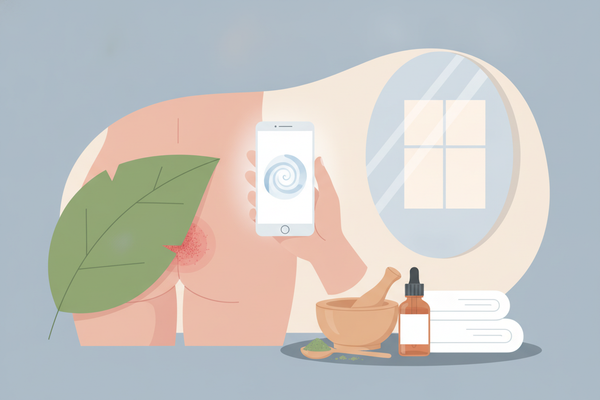
For an at-home preliminary analysis, consider using the Rash Detector AI Skin Analysis App for an instant report:
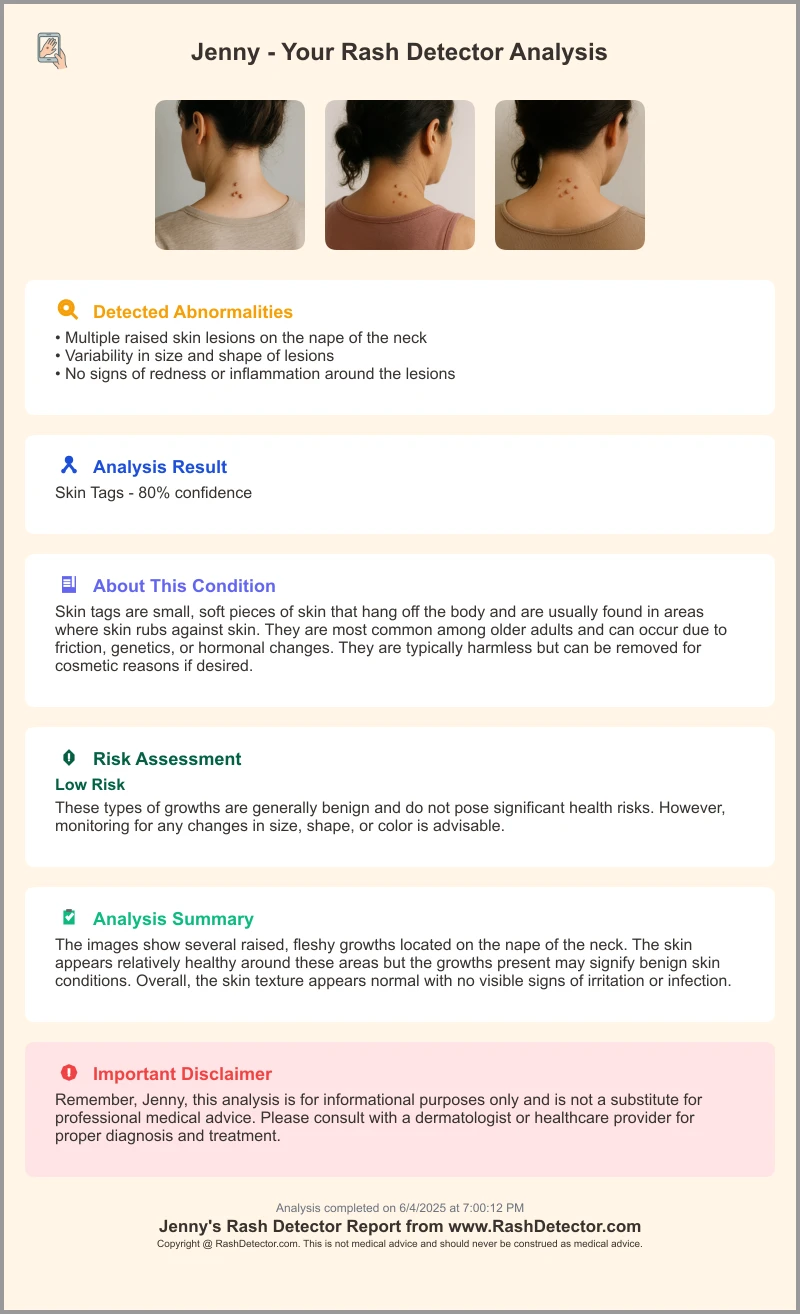
Key symptoms include redness, hives, blisters, peeling, itching, and burning sensations. In hospitals, up to 20% of drug reactions present as urticaria (hives).
Source: Merck Manual
Section 2: Identifying a Medication Rash
Keyword: medication rash treatment
Timing: Most rashes appear 4–14 days after a new drug or dose increase; hives from allergies can surface within hours. Early timing links speed up treatment.
- Migrating hives: Lesions move around the body.
- Fixed drug eruption: Same spot reappears with each dose.
- Morbilliform eruption: Widespread small red spots, like measles.
Watch for systemic signs—fever, facial swelling, joint pain, jaundice or shortness of breath—to differentiate from contact dermatitis or viral exanthems. When in doubt, rapid medical evaluation is key: call 911 if you experience blistering, mucosal sores, or breathing difficulty; see a doctor within 24–48 hours for persistent itching or an unclear rash.
Section 3: Management & Treatment Strategies
Keyword: medication rash treatment
Immediate actions: Discontinue the offending drug under physician guidance and ask for safe, chemically unrelated alternatives. Never stop essential medications without consulting your doctor.
Diagnosis may include a detailed med history, systematic dechallenge, skin biopsy for unclear patterns, and labs (CBC, liver/kidney panels) to check systemic involvement.
Source: Johns Hopkins Medicine
Treatment by severity:
- Mild: Oral antihistamines (cetirizine, loratadine), topical hydrocortisone 1%, cool compresses.
Source: Harvard Health Publishing - Moderate: Short-course oral corticosteroids (prednisone taper), prescription antihistamines, monitor closely.
- Severe/Life-Threatening: Epinephrine for anaphylaxis, IV corticosteroids and hospitalization for SJS/TEN, IVIG for SJS/TEN.
Source: IU Health
Special note: DRESS syndrome requires prolonged corticosteroid taper (≥6 weeks) and regular monitoring of blood counts and organ function. For a more in-depth look at identifying, managing, and preventing drug-induced rashes, see our comprehensive guide to medication rash treatment and our guide to identifying, managing, and preventing drug-induced rashes. For additional strategies and prevention tips, visit our complete guide to identifying, managing & preventing drug-induced rashes.
Section 4: Preventive Measures
Keyword: medication rash treatment
- Read and understand medication leaflets fully.
- Disclose all past drug allergies to every healthcare provider.
- Carry an up-to-date medication list in your wallet or phone.
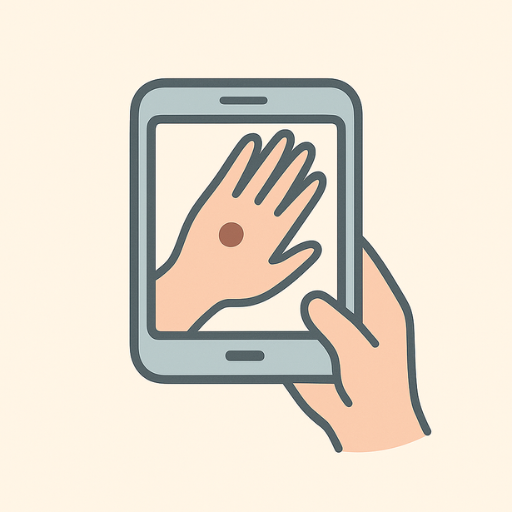
- Keep a symptom diary when starting new drugs—photo-document rashes daily.
- Use gentle, fragrance-free skincare and wear loose cotton clothing.
Source: Harvard Health Publishing
Section 5: When to Seek Professional Help
Keyword: medication rash treatment
- Difficulty breathing, throat tightness, facial or tongue swelling.
- Widespread blistering, peeling skin, or mucosal sores.
- Fever over 101°F or signs of organ distress.
Prepare for appointments by listing all medications (doses, start dates), rash onset and progression, self-treatments tried, and past drug reactions. Consider consultation with a board-certified dermatologist for severe cutaneous adverse reactions or an allergist/immunologist for future drug safety planning. For more details on managing and preventing medication rashes, check out our comprehensive guide to identifying, managing, and preventing drug-induced skin reactions or explore our complete guide to identifying, managing & preventing drug-induced rashes for further information.
Conclusion
- Prompt identification and stopping the culprit drug lead to faster recovery.
- Professional guidance ensures safe, effective treatment—don’t self-adjust meds.
- Detailed documentation (medications, timing, photos) improves diagnosis and prevention.
- Carry your full medication history with you at all times.
If you found this guide helpful, share it with friends and family to help them recognize and manage drug-induced rashes safely.
FAQ
What are the early signs of a medication rash?
The first signs often include redness, itching, hives, or small bumps. Pay attention to timing—a rash 4–14 days after starting a new medication is a strong clue.
How can I tell a drug rash from other skin conditions?
Drug rashes often appear suddenly after starting or increasing a drug dose and can be widespread. Keep a symptom diary and note any systemic symptoms like fever or swelling.
When should I seek emergency care for a rash?
If you experience blistering, mucosal sores, widespread peeling, difficulty breathing, or facial swelling, call 911 or go to the nearest ER immediately.
Can I continue my medication if I develop a mild rash?
Always consult your healthcare provider before stopping any medication. They may suggest safe alternatives or adjust your treatment under supervision. For a comprehensive overview of identifying and managing drug-induced rashes, refer to our comprehensive guide to identifying, managing, and preventing drug-induced rashes.
How can I prevent future drug-induced rashes?
Maintain a detailed record of all medications, disclose past reactions to every provider, and monitor for symptoms when starting new drugs. Gentle skincare and lifestyle practices also help minimize risk. For a complete overview of prevention and management, see our comprehensive guide to identifying, managing, and preventing drug-induced rashes.