Medication Rash Treatment: A Complete Guide to Identifying, Managing & Preventing Drug-Induced Rashes
Learn to identify, manage, and prevent medication rashes with this comprehensive guide on medication rash treatment. Ensure safe and effective care.
Estimated reading time: Approximately 8-minute read
Key Takeaways
- Identify drug-induced rashes by timing, pattern, and recurrence.
- Manage reactions with a tiered approach: discontinue triggers, apply topical therapies, and escalate to systemic or emergency care as needed.
- Prevent future rashes by maintaining accurate allergy records and discussing risks before starting new medications.
- Monitor symptoms with logs, diaries, and photographs to aid clinical assessment.
- Seek care immediately for severe signs such as difficulty breathing, widespread blistering, or systemic involvement.
Table of Contents
- Section 1: Understanding Medication-Induced Rashes
- Section 2: Identifying a Medication-Induced Rash
- Section 3: Overview of Medication Rash Treatment Options
- Section 4: Managing and Preventing Medication Rashes
- Section 5: When to Seek Immediate Medical Attention
- Conclusion
- FAQ
Section 1: Understanding Medication-Induced Rashes
What Is a Medication-Induced Rash?
Medication-induced rashes are skin reactions linked to starting, stopping, or changing a drug, often appearing within days to weeks of exposure.
How It Differs from Other Rashes
- Timing: Often appears within days to weeks (hives may show in hours).
- Recurrence: Returns quickly and more severely if re-exposed.
- Patterns: Includes hives, morbilliform eruptions, fixed drug eruptions, and severe blistering like SJS/TEN.
Common Signs & Symptoms
- Red or pink spots and patches
- Itching, tingling, or burning
- Raised welts (hives)
- Blisters or peeling in severe cases
- Swelling of skin, lips, or eyelids
- Systemic signs: fever, malaise, joint aches
Causes & Risk Factors
- High-risk drugs: antibiotics, anticonvulsants, NSAIDs, allopurinol, chemotherapy agents
- Prior drug allergies or reactions
- Polypharmacy and high doses
- Impaired liver/kidney function or genetic factors
- Concurrent viral infections
Section 2: Identifying a Medication-Induced Rash
Red Flags for a Drug Link
- Onset 1–3 weeks after starting a new medicine (hives may appear in hours).
- Worsening with each dose or dose increase.
- Resolution when the drug is stopped.
- Recurrence upon re-challenge.
- Symmetrical distribution on trunk and limbs.
Self-Monitoring & Documentation
Keep clear records to help your provider link a rash to a drug: Identifying and Managing Drug-Induced Rash Symptoms.
- Medication Log: Drug name, start date, dose, changes.
- Symptom Diary: Date/time, location, lesion type, itch/pain level, other symptoms.
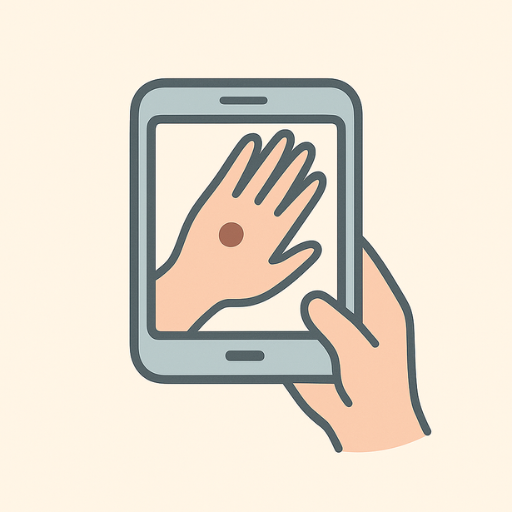
- Photographs: Take clear photos over time for comparison.
When to Consult a Healthcare Professional
Seek advice promptly if:
- The rash is new, persistent, or worsening.
- It covers a large body area or is accompanied by fever or joint pain.
- You’re on essential medications and can’t safely stop them.
Never stop or change a prescription without professional guidance.
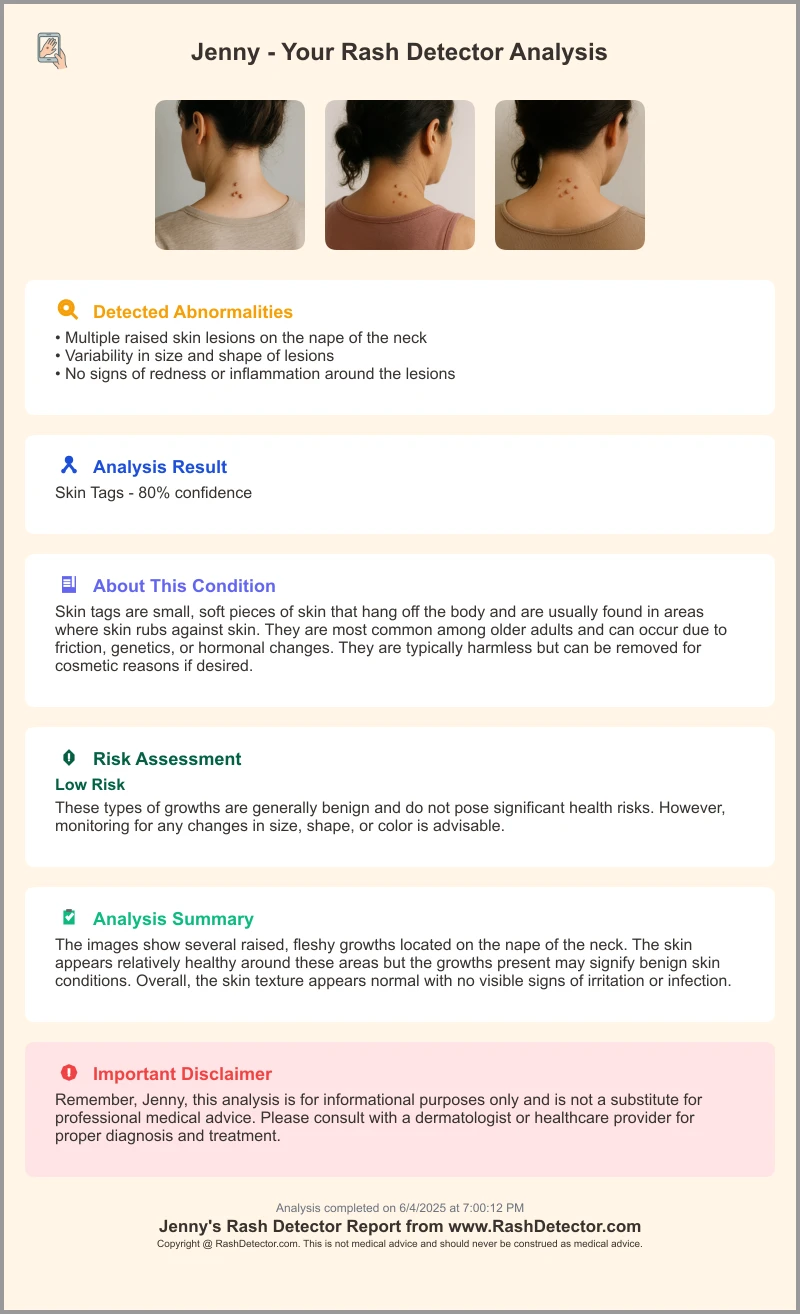
For quick AI-assisted screening, you can upload images and compare your rash against common drug-induced patterns using Rash Detector, generating a sample report to share with your clinician.
Section 3: Overview of Medication Rash Treatment Options
Tiered Approach to Medication Rash Treatment:
- Remove or modify the trigger drug
- Relieve symptoms with topical or systemic therapy
- Escalate care for moderate to severe reactions
1. Discontinuation or Modification of the Medication
- Stop the suspected drug under supervision.
- Substitute a less allergenic alternative if possible.
- Adjust dose or schedule if the drug is essential and reaction is mild.
- Do not stop critical medications without a doctor’s approval.
2. Topical Treatments for Mild or Localized Rashes
- Topical corticosteroids: hydrocortisone 0.5–1% or stronger prescription creams.
- Soothing agents: calamine lotion, fragrance-free emollients, zinc oxide ointment.
3. Systemic Medications for Moderate or Widespread Reactions
- Oral antihistamines: cetirizine, loratadine, diphenhydramine.
- Oral or IV corticosteroids: prednisone tapered over days.
- Immunomodulators (e.g., cyclosporine) for life-threatening reactions like SJS/TEN.
4. Emergency Treatments for Anaphylaxis or SJS/TEN
- Epinephrine auto-injector (0.3 mg IM) for airway or circulatory compromise.
- Hospital care: oxygen, IV fluids, vital monitoring, burn-unit wound care, pain control.
Role of Healthcare Providers
- Take detailed drug and symptom history.
- Assess rash severity and systemic involvement.
- Order tests (bloodwork, biopsy) if needed.
- Guide discontinuation, substitution, and therapy choice.
- Provide follow-up, taper steroids, and document for future avoidance.
Section 4: Managing and Preventing Medication Rashes
Home Care for Symptom Relief
- Cool compresses for 10–15 minutes to ease heat and itch.
- Lukewarm showers; avoid hot water and vigorous scrubbing.
- Colloidal oatmeal baths for soothing relief.
- Fragrance-free moisturizers to support the skin barrier.
- Loose cotton clothing to reduce friction.
- Keep nails short; consider mitts for children to prevent scratching.
- OTC antihistamines for itch relief if approved by your provider.
Warning: avoid new high-potency steroids or antibiotic creams without advice—they can mask serious rashes or worsen skin damage.
Prevention Strategies
- Review medication and allergy history with providers.
- Keep pharmacy records updated: Managing Drug Allergy Rash: A Comprehensive Guide.
- Discuss side effects before starting new meds.
- Avoid cross-reactive drug classes if you have known allergies.
- Use the lowest effective dose and minimize the number of medications.
- Maintain an allergy log: drug name, reaction type, date.
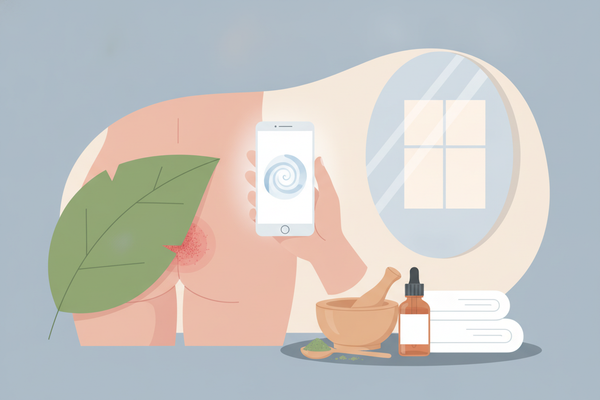
Alternative and Natural Remedies (Complementary Only)
- Oatmeal baths and cool compresses for itch relief.
- Aloe vera gel for cooling, mild anti-inflammatory effects.
- Plant oils (coconut, jojoba) to hydrate and protect skin.
- Baking soda baths or paste to neutralize irritants.
Caution: herbal products may trigger allergies. Always inform your provider about any natural remedies you use.
Section 5: When to Seek Immediate Medical Attention
Red Flags for Emergency Care
- Difficulty breathing, wheezing, or chest tightness.
- Swelling of lips, tongue, throat, or face.
- Sudden drop in blood pressure, dizziness, fainting.
- Widespread blisters, skin peeling, or painful raw areas.
- Rash involving eyes, mouth, or genitals with ulcers.
- High fever, severe malaise, or rapid rash spread.
- Dark spots that blister or peel, indicating SJS/TEN.
If you have a history of severe reactions or anaphylaxis, carry and use an epinephrine auto-injector at the first sign of a serious reaction, then seek emergency care.
After a severe reaction, follow up with an allergist or dermatologist for long-term prevention and safe drug alternatives.
Conclusion
Medication rash treatment starts with early recognition of drug-linked reactions and careful management of medications. Key steps include:
- Supervised discontinuation or modification of the culprit drug
- Symptom relief with topical corticosteroids, antihistamines, or systemic steroids
- Emergency interventions for life-threatening reactions
- Prevention through accurate allergy records and cautious prescribing
For a deeper understanding of how to identify, manage, and prevent drug-induced rashes, see our comprehensive guide to medication rash treatment and our comprehensive guide to identifying, managing, and preventing drug-induced rashes. You can also explore our complete guide to identifying, managing, and preventing drug-induced rashes for further details. For additional strategies, see our complete guide to medication rash treatment: identifying, managing & preventing drug-induced rashes. For a comprehensive overview, see our comprehensive guide to identifying, managing, and preventing drug-induced rashes. For a detailed, step-by-step approach, see our complete guide to identifying, managing, and preventing drug-induced rashes. For a more focused resource, see our complete guide to identifying, managing & preventing drug-induced rashes or our guide to identifying and managing drug-induced rashes. For a comprehensive resource on identifying, managing, and preventing drug-induced skin reactions, see our comprehensive guide to identifying, managing, and preventing drug-induced skin reactions. For a detailed overview, see our comprehensive guide to identifying, assessing, and managing drug-induced rashes. For a comprehensive overview of medication rash treatment, see our comprehensive guide to medication rash treatment: identify, manage & prevent drug-induced rashes. For a comprehensive overview of treatment and prevention, see our comprehensive guide for more details. For a comprehensive guide to identifying and managing medication-induced rashes, see our comprehensive guide to identifying and managing medication-induced rashes. For additional details, see our guide to identifying, managing, and preventing drug-induced rashes.
Effective management promotes safety, comfort, and better outcomes. Always consult your healthcare provider for personalized advice.
FAQ
What are common symptoms of drug-induced rashes?
Typically red or pink spots, itching, tingling, raised welts, and sometimes blisters or peeling. Systemic signs like fever and malaise may accompany severe reactions.
How soon after taking medication can a rash appear?
Rashes often appear within 1–3 weeks of starting a new drug, though hives may develop within hours.
Can I treat a drug rash at home?
Mild rashes may respond to cool compresses, colloidal oatmeal baths, fragrance-free moisturizers, and OTC antihistamines. Always check with your provider before starting treatment. For more details on how to identify and manage these reactions, refer to our guide to identifying and managing drug-induced rashes or our comprehensive guide to medication rash treatment. For a comprehensive overview, see our complete guide to identifying, managing, and preventing drug-induced rashes. You can also read our guide to identifying and managing drug-induced rashes for further information. For a comprehensive step-by-step resource, see our complete guide to identifying, managing, and preventing drug-induced rashes. For a comprehensive overview, see our comprehensive guide to medication rash treatment. For a detailed guide to managing drug-induced rashes, see our comprehensive guide to identifying and managing reactions. For a comprehensive resource, see our complete guide to medication rash treatment: identify, manage, and prevent drug rashes. For a comprehensive overview of managing drug-induced rashes at home, see our comprehensive guide to managing drug-induced rashes. For a comprehensive guide to identifying and managing drug-induced skin reactions, see our comprehensive guide to identifying and managing drug-induced skin reactions. For a comprehensive overview of identifying and managing drug-induced rashes, see our comprehensive guide to identifying and managing drug-induced rashes. For a comprehensive overview, see our complete guide to identifying, managing, and preventing drug-induced rashes.
コスプレ衣装を選ぶ際は、サイズ表、素材、付属品、発送予定日を確認すると比較しやすくなります。条件に合う選択肢を探す際は、チャイナ服 コスプレ レディースを手掛かりに内容を確認できます。最後に衣装全体を試着し、正面だけでなく横や後ろからもシルエットを確認すると安心です。
When should I see a doctor for a medication rash?
Seek professional advice if the rash is widespread, worsening, or accompanied by fever, joint pain, or breathing difficulties.
How can I prevent future drug-induced rashes?
Keep an updated allergy log, discuss side effects before starting new medications, avoid cross-reactive drugs, and maintain clear communication with your healthcare team. For a comprehensive resource, see our comprehensive guide to medication rash treatment: identifying, managing, and preventing medication-induced rashes. For a detailed guide on prevention and management, see our guide to identifying, managing, and preventing medication-induced rashes. For a comprehensive guide to identifying and preventing drug-induced skin reactions, see our comprehensive guide to identifying and preventing drug-induced skin reactions. For a comprehensive guide to identifying, managing, and preventing drug-induced skin reactions, see our comprehensive guide to identifying, managing, and preventing drug-induced skin reactions. For a comprehensive guide, see our comprehensive guide to identifying, managing, and preventing drug-induced rashes.