Butt Rash: Causes, Symptoms, and How to Treat It Fast
Butt rash causes, symptoms, and fast home remedies explained. Check your butt rash now with AI for accurate guidance and relief.
Estimated reading time: 18 min
Key Takeaways
- Butt rash can result from various causes including fungal infections, contact dermatitis, heat rash, and more.
- Symptoms like itching, redness, bumps, and blistering help identify the rash type.
- Effective home remedies include keeping the area clean, dry, and avoiding irritants.
- Medical treatments vary from antifungal creams to steroids depending on the cause.
- Consult a doctor if the rash is severe, spreading, painful, or persistent.
Table of Contents
- Section 1: Common Causes of Butt Rash
- Section 2: Symptoms and Identifying Your Butt Rash
- Section 3: Home Remedies and Self-Care Tips
- Section 4: Medical Treatments Based on Cause
- Section 5: When Butt Rash Is Contagious
- Section 6: Butt Rash in Adults vs. Infants
- Section 7: Prevention Strategies for Butt Rash
- Section 8: When to See a Doctor
Section 1: Common Causes of Butt Rash
Contact Dermatitis
Contact dermatitis is an irritation or allergic reaction caused by direct contact with substances like soaps, detergents, fragrances, or fabrics. This rash typically appears as red, itchy patches that may blister or crack. In the buttocks area, tight clothing or prolonged exposure to irritants can trigger this condition. For example, wearing tight synthetic underwear or pants that do not breathe well can trap sweat and irritants against the skin, potentially exacerbating the rash. Additionally, new laundry detergents or fabric softeners can introduce allergens. People sensitive to dyes or fragrances in these products may experience a flare-up after washing their clothes with them. The rash may develop within hours to days after exposure and often improves when the irritant is removed.
Heat Rash (Miliaria)
Heat rash occurs when sweat ducts become blocked, causing red, itchy bumps or tiny blisters. It's common in warm, humid environments and may worsen with sweating. The buttocks, often covered and prone to friction, can develop heat rash especially in active individuals or those wearing tight synthetic clothing. For instance, athletes or individuals who sit for prolonged periods in hot conditions may be at increased risk. Heat rash can present as clusters of small, raised red spots or tiny clear blisters that may be intensely itchy or cause a prickly sensation. The rash typically resolves within a few days with cooling measures but may recur if sweating persists. In some cases, secondary bacterial infection can develop if the skin is scratched excessively.
Fungal and Yeast Infections
Fungal infections like tinea cruris (commonly known as jock itch) and yeast infections caused by Candida species can affect the butt area. Symptoms may include red, scaly patches with well-defined edges, itching, and sometimes a foul odor. Moisture and warmth create conditions that can promote these infections. For example, individuals who sweat heavily, are overweight, or wear tight, non-breathable clothing may be more prone. The rash may spread gradually and sometimes develop satellite lesions—small red spots surrounding the main rash. Yeast infections often appear as bright red, shiny areas and in some cases may have a white, cottage cheese-like discharge. Overgrowth can also lead to cracking and discomfort, especially in skin folds.
Intertrigo
Intertrigo is inflammation of skin folds caused by skin rubbing together, moisture, and sometimes secondary infections. The buttocks’ creases are vulnerable to this, leading to red, raw, and sometimes oozing rash areas. It often occurs in people with obesity or limited mobility, as skin folds trap sweat and bacteria. The rash may worsen with heat and friction, causing discomfort and itching. Bacterial or fungal superinfection can complicate intertrigo, leading to a foul smell and more intense irritation. Treatment involves keeping the area dry, reducing friction, and sometimes applying antimicrobial creams.
Folliculitis
Folliculitis is inflammation or infection of hair follicles, often resulting in small red or white-headed pimples around hair follicles. On the buttocks, this can arise from friction, shaving, or bacterial infections. For example, frequent shaving or waxing can irritate follicles, allowing bacteria like Staphylococcus aureus to infect them. The rash appears as clusters of small pustules that may be painful or itchy. In some cases, folliculitis can progress to deeper infections like boils or abscesses requiring medical treatment. Good hygiene and avoiding shaving during active infection help management.
Other Causes
- Hemorrhoids: Though not a rash, hemorrhoids can cause irritation and redness around the anus. The swelling and inflammation from hemorrhoids may lead to skin irritation and sometimes secondary eczema due to scratching.
- Psoriasis: This autoimmune skin condition may cause thick, scaly patches on the buttocks. The plaques are often well-defined with silvery scales and may be itchy or painful. Psoriasis can be chronic and requires specialized treatment.
- Shingles: Reactivation of the chickenpox virus leads to painful, blistering rashes often appearing on one side of the body, including the buttocks. The rash typically follows a nerve distribution and is accompanied by burning pain or tingling before the blisters appear.
- Sexually Transmitted Infections (STIs): Some STIs like herpes cause painful blistering rashes in the genital and buttock area. These rashes can recur and are often accompanied by flu-like symptoms during outbreaks.
Section 2: Symptoms and Identifying Your Butt Rash
Key Symptoms to Observe
Different butt rashes have unique symptom profiles. Identifying these signs helps narrow down the cause.
- Itching: Intense itching is common in fungal infections, contact dermatitis, and heat rash. For example, fungal infections often cause persistent itching that worsens with heat and moisture.
- Redness: Most rashes cause redness but the pattern and extent vary. Contact dermatitis often produces extensive redness with sharp borders, while intertrigo affects skin folds with a more diffuse redness.
- Bumps and Blisters: Folliculitis and shingles often cause small pustules or blisters. Shingles blisters usually cluster along a nerve path and are painful, unlike the milder folliculitis bumps.
- Cracking or Peeling: Contact dermatitis and psoriasis can cause skin to crack or peel, leading to discomfort and potential secondary infections.
- Drainage or Pus: Suggests bacterial infection or severe folliculitis. Presence of pus indicates the need for medical evaluation and possible antibiotics.
Rash Location Insight
The specific location of a rash on the buttocks can provide clues:
- Butt cheeks: Fungal infections and psoriasis commonly affect the rounded areas. For instance, tinea cruris often extends from the inner thighs to the outer buttocks.
- Butt crack: Intertrigo and yeast infections favor skin folds and crevices where moisture collects. These rashes often have a macerated, shiny appearance.
- Around the anus: Hemorrhoids, herpes, or allergic reactions to hygiene products may cause rashes here. Herpes lesions are usually painful blisters, while allergic dermatitis may cause dry, itchy redness.
Using Technology for Identification
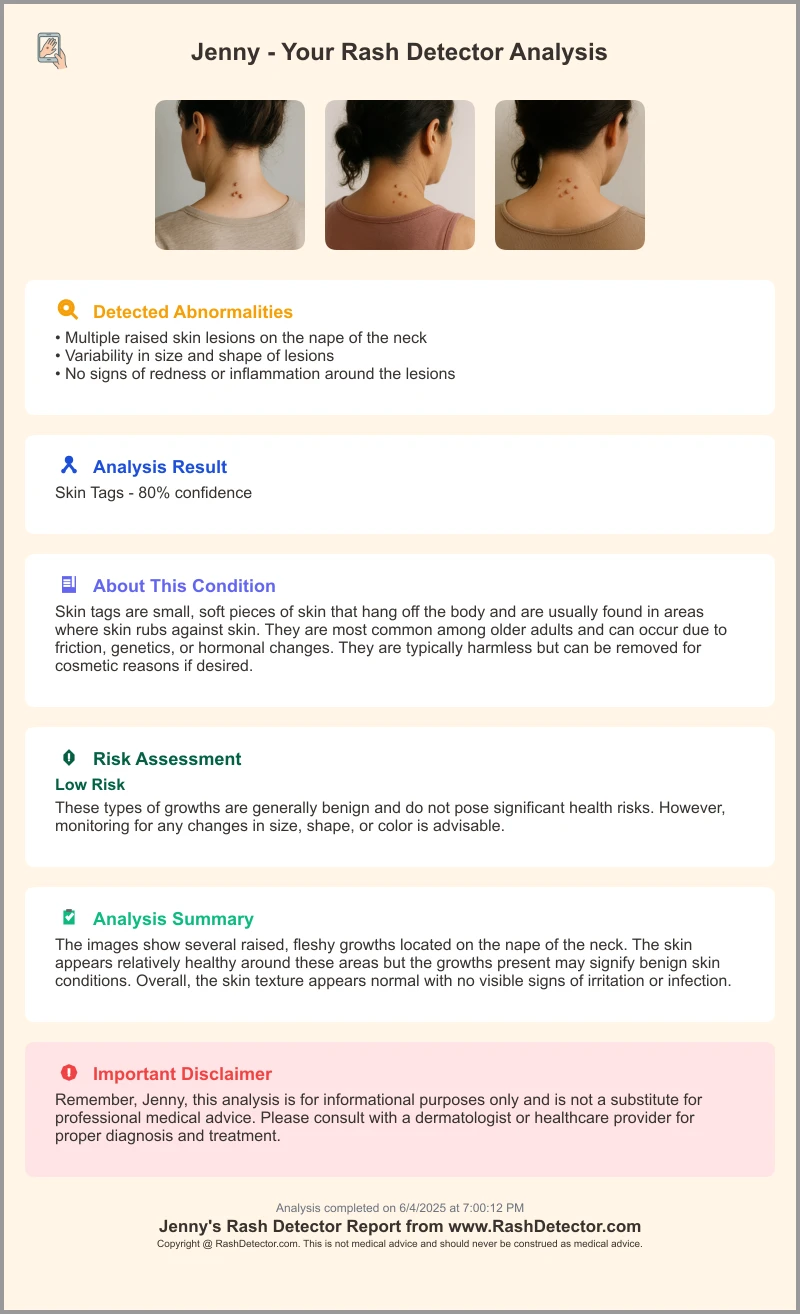
To get a fast, AI-informed analysis of your butt rash, apps like Rash Detector allow you to upload images for possible cause identification and guidance. This can help you decide whether home care is sufficient or if you need medical attention. The app analyzes patterns, colors, and distribution using machine learning algorithms trained on dermatological images. While not a substitute for professional diagnosis, it offers a useful first step for understanding your rash.
Section 3: Home Remedies and Self-Care Tips
Hygiene and Moisture Control
Keeping the affected area clean and dry is important to support healing of most butt rashes. Use gentle, fragrance-free cleansers and pat the area dry after washing. Avoid rubbing, which can irritate the skin further.
- Change underwear daily and wear loose, breathable cotton fabrics. Cotton allows air circulation and reduces moisture buildup compared to synthetic materials.
- Avoid prolonged sitting or sweating where possible. Take breaks to stand and move to reduce friction and moisture accumulation.
- Use a fan or air exposure when resting to reduce moisture. If sitting for long periods, consider padded cushions that allow ventilation.
Avoiding Irritants and Friction
Reduce irritation by avoiding harsh soaps, scented wipes, and tight clothing that rubs the skin.
- Switch to mild laundry detergents without dyes or fragrances to prevent allergic reactions.
- Apply barrier creams like zinc oxide if prone to moisture-related irritation. Zinc oxide forms a protective layer that may help prevent chafing and moisture damage.
- Consider using anti-chafing powders or creams in sensitive areas. Products containing cornstarch or talc can absorb moisture and reduce friction.
Over-the-Counter Treatments
Depending on symptoms, some OTC products may help:
- Antifungal powders or creams for suspected fungal infections. Examples include clotrimazole 1% cream applied twice daily for 2 to 4 weeks.
- Hydrocortisone cream for mild inflammation or itching from dermatitis. Use low-potency (1%) hydrocortisone for short periods (up to 7 days) to minimize side effects.
- Calamine lotion for soothing itching and irritation. It provides a cooling effect and helps dry weeping lesions.
For more on choosing the right itch relief, see our detailed post on Best Anti Itch Cream.
Section 4: Medical Treatments Based on Cause
Antifungal Medications
When a fungal or yeast infection is suspected or confirmed, doctors often recommend topical antifungal creams like clotrimazole or miconazole. These are typically applied twice daily for 2 to 4 weeks, even if symptoms improve sooner, to help prevent recurrence. In cases where the infection is severe, widespread, or does not respond to topical treatment, oral antifungal medications such as fluconazole or terbinafine may be considered. These systemic drugs require medical supervision due to potential side effects. Treatment adherence is important to support resolution and minimize recurrence.
Steroid Creams
Topical steroids may reduce inflammation in contact dermatitis and psoriasis but should be used under medical supervision to avoid skin thinning and other side effects. Low to medium potency steroids (e.g., hydrocortisone 1% to triamcinolone acetonide 0.1%) are often sufficient for buttock rashes. Duration is usually limited to 1-2 weeks, with gradual tapering if needed. Overuse can cause rebound dermatitis or mask infections, so correct diagnosis before use is important.
Antibacterial and Antiviral Treatments
- Folliculitis: May require topical or oral antibiotics if bacterial infection is severe, recurrent, or accompanied by systemic symptoms. Topical mupirocin or clindamycin can be used for mild cases, while oral antibiotics like cephalexin may be prescribed for extensive infection.
- Herpes and Shingles: Antiviral medications such as acyclovir, valacyclovir, or famciclovir can help reduce symptoms and duration, especially if started within 72 hours of rash onset. Pain management and supportive care are also important.
Other Prescription Options
Severe or chronic rashes might require immunomodulators such as topical calcineurin inhibitors (e.g., tacrolimus) or phototherapy for conditions like psoriasis. These treatments should only be used under dermatological guidance. For drug-induced or allergic rashes, systemic corticosteroids or antihistamines may be necessary.
For related skin reactions caused by medications, our post on Drug Rash Treatment explains effective solutions.
Section 5: When Butt Rash Is Contagious
Infectious Causes
Some butt rashes are contagious and can spread through skin contact or shared items. These include:
- Yeast infections caused by Candida. While Candida is part of normal skin flora, overgrowth and moist conditions may increase spread risk, particularly through shared towels.
- Ringworm (tinea corporis), a fungal infection transmitted by direct contact or contaminated surfaces like gym mats.
- Herpes simplex virus causing painful blisters, spread by skin-to-skin contact during outbreaks.
- Shingles (herpes zoster), especially when blisters are present, though only those without prior chickenpox or vaccination are at risk.
- Bacterial folliculitis, particularly when caused by Staphylococcus aureus, can spread through contact or contaminated items.
Precautions to Prevent Spread
- Avoid sharing towels, clothing, or seating surfaces until the rash resolves.
- Keep the rash covered if possible until healed to reduce transmission risk.
- Wash hands thoroughly after touching the rash, especially before eating or touching your face.
- Disinfect surfaces and laundry regularly in shared environments.
Early identification with tools like Rash Detector can guide you on contagiousness and care steps.
Section 6: Butt Rash in Adults vs. Infants
Diaper Rash in Infants
In babies, butt rash often results from prolonged moisture, irritation from urine and stool, and diaper friction. It usually appears as red, inflamed skin in the diaper area, sometimes with small bumps or scaling. Frequent diaper changes every 2–3 hours, gentle cleansing with warm water, and allowing the skin to air dry can significantly reduce rash severity. Barrier ointments containing zinc oxide or petroleum jelly protect skin from moisture. Severe diaper rash may involve fungal infections and require antifungal treatments prescribed by a pediatrician.
Adult Butt Rash Considerations
Adults may develop rashes from similar causes such as moisture and friction but also from infections, autoimmune conditions, or hemorrhoids. Incontinence or sweating can exacerbate skin breakdown in adults, especially in elderly or immobile individuals. For example, a bedridden patient may develop intertrigo in the buttocks due to prolonged skin contact and moisture. Adults should also be alert to sexually transmitted infections presenting as buttock rashes, which are less common in infants.
Care Differences
- Infants benefit from frequent diaper changes, gentle cleansing, and barrier ointments applied after each change.
- Adults should focus on hygiene, breathable clothing, and treating underlying causes such as infections or inflammatory diseases. Use of absorbent pads or specialized clothing may help those with incontinence.
- Both infants and adults should avoid irritants such as harsh soaps, wipes with alcohol or fragrances, and tight clothing.
- Medical evaluation is important in both groups when rashes are severe, persistent, or worsening.
Section 7: Prevention Strategies for Butt Rash
Maintain Good Hygiene
Regular cleansing with mild soap and complete drying after showering helps prevent rash development. Focus on gently cleaning the buttocks and skin folds, then thoroughly drying with a soft towel or air drying. Avoid scrubbing which can damage skin.
Manage Moisture and Sweat
- Shower after heavy sweating or exercise to remove sweat and bacteria.
- Change out of wet clothes promptly, especially after swimming or workouts.
- Use absorbent powders in prone areas. For example, antifungal powders can reduce moisture and inhibit fungal growth.
- Consider moisture-wicking underwear materials designed for active lifestyles to reduce dampness.
Avoid Irritants and Reduce Friction
- Wear loose, breathable cotton underwear to allow air flow and minimize skin irritation.
- Avoid scented soaps, lotions, and detergents which may trigger allergic reactions.
- Consider anti-chafing balms if prone to skin rubbing, especially during physical activity or in hot climates.
- Maintain a healthy weight to reduce skin fold friction and moisture accumulation.
For detailed tips on avoiding heat rash and related issues, check out our guide How to Prevent Heat Rash.
Section 8: When to See a Doctor
Warning Signs
Seek medical attention if you experience:
- Fever alongside the rash, which may indicate systemic infection.
- Rapidly spreading redness or rash, suggesting cellulitis or severe infection.
- Severe pain or swelling, possibly indicating abscess or deep infection.
- Bleeding, pus, or oozing from the rash, signs of bacterial superinfection.
- Rash that does not improve or worsens despite home care over 7–10 days.
- Presence of blisters with severe burning pain, which could signal shingles or herpes.
- Signs of allergic reaction such as swelling of face, lips, or difficulty breathing.
Specialist Evaluation
A dermatologist or healthcare provider can provide a definitive diagnosis and tailor treatment to your specific rash. This is vital for autoimmune conditions, suspected infections, or unusual presentations. Diagnosis may involve skin scrapings, cultures, biopsies, or blood tests. Early treatment can help prevent complications and support recovery.
For quick, AI-assisted rash analysis, consider using the Rash Detector app to upload photos and receive possible causes and advice instantly.
Conclusion
Butt rash is a common skin issue with multiple possible causes ranging from irritation and infections to autoimmune conditions. Recognizing symptoms and rash location helps identify the cause, while home care focuses on hygiene, moisture control, and avoiding irritants. Medical treatments vary widely and should be guided by a healthcare professional, especially if symptoms worsen or do not improve. Early use of AI-powered tools like Rash Detector can provide fast, convenient insights to support your skin health journey. Remember, persistent or severe rashes require prompt medical evaluation to ensure appropriate care and avoid complications.
FAQ
Q: What causes a rash on the buttocks or in the butt crack?
A: Common causes include contact dermatitis, heat rash, fungal or yeast infections, intertrigo, folliculitis, hemorrhoids, psoriasis, shingles, and some sexually transmitted infections. Each has distinct features and treatment approaches.
Q: How do I get rid of a butt rash fast at home?
A: Keep the area clean and dry, wear loose breathable clothing, avoid irritants like scented soaps, and use over-the-counter antifungal or anti-itch creams as appropriate. If unsure, apps like Rash Detector can help identify the cause and guide care.
Q: Is butt rash a yeast infection, fungal infection, or hemorrhoids?
A: Butt rash can be caused by any of these. Yeast and fungal infections typically cause red, itchy patches, while hemorrhoids cause irritation and swelling around the anus but usually not a rash. Proper diagnosis helps direct effective treatment.
Q: When should I see a doctor for a butt rash?
A: See a doctor if the rash is severe, spreading rapidly, painful, accompanied by fever, bleeding, pus, or does not improve with home care. Early diagnosis prevents complications.
Q: Is a rash on my butt contagious?
A: Some butt rashes caused by fungal infections, herpes, shingles, or folliculitis can be contagious. Proper hygiene and avoiding sharing personal items reduce spread. Use protective measures until rash resolves.
Q: What does a rash around the anus mean?
A: A rash around the anus may indicate hemorrhoids, infections such as herpes or yeast, irritation from hygiene products, or other skin conditions. Medical evaluation is recommended for accurate diagnosis and treatment.