Medication Rash Treatment: A Complete Guide to Identifying, Managing & Preventing Drug-Induced Rashes
Learn about medication rash treatment options to safely identify, manage, and prevent drug-induced rashes. Discover effective relief strategies today.

Estimated reading time: 8 minutes
Key Takeaways
- Early Recognition: Spot drug-induced rashes quickly to prevent progression.
- Red-Flag Warning Signs: Blistering, ulcers, fever, or breathing trouble require urgent care.
- Stepwise Treatment: Stop the offending drug, use antihistamines or steroids, and provide supportive care.
- Prevention Strategies: Document allergies, wear medical alerts, and perform allergy testing.
Table of Contents
- Introduction
- Understanding Medication-Induced Rashes
- Identifying the Symptoms
- Diagnosis & When to Seek Professional Help
- Medication Rash Treatment
- Prevention & Risk Management
- Conclusion
- FAQ
Introduction
A medication-induced rash is any new skin eruption caused by prescription drugs, over-the-counter medicines, or supplements. Early intervention can stop mild itching from becoming serious. These drug eruptions often show up as hives, measles-like red bumps, or more complex patterns that may spread across the body. Understanding how these rashes develop and what they look like helps you get relief fast and avoid complications. This guide explains how to spot a drug rash, when to seek help, and step-by-step treatment and prevention strategies.
Understanding Medication-Induced Rashes
Pathophysiology
• Immune-mediated hypersensitivity: The drug or its byproduct acts like a trigger, prompting immune cells to release histamine and inflammatory chemicals, leading to redness, swelling, and intense itching.
• Non-immune toxic effects: High drug levels irritate skin cells directly, causing dryness, peeling, or localized redness.
Timing and Types of Reactions
• Immediate reactions (minutes–hours): Hives (urticaria), anaphylaxis (life-threatening breathing trouble).
• Delayed reactions (days–weeks): Morbilliform rashes, Stevens–Johnson syndrome (SJS), toxic epidermal necrolysis (TEN).
Common Culprit Medications
Antibiotics (penicillins, sulfonamides), anticonvulsants (carbamazepine, lamotrigine), allopurinol, NSAIDs, diuretics, cancer therapies.
Why Early Detection Matters
Stopping the offending drug quickly reduces risk of severe outcomes. Early treatment focuses on removing the trigger, then easing symptoms. For a more in-depth look at identifying, managing, and preventing drug-induced rashes, see our comprehensive guide to medication rash treatment.
Identifying the Symptoms
Recognizing rash features and red flags guides the right treatment and helps you decide if you need urgent care.
Typical Rash Features
Morbilliform red spots, urticaria (itchy welts), pruritus, angioedema, dry or peeling patches in delayed reactions.
Red-Flag Symptoms (Seek Emergency Care)
Blistering or peeling over large areas, painful skin, high fever, mucosal ulcers, breathing difficulties, facial swelling.
When to Suspect a Drug Cause
Rash appears hours to weeks after starting or increasing a medication dose, stops improving while the drug continues, then clears on discontinuation, or recurs on re-exposure.
For a detailed breakdown of drug-induced rash signs, see identifying drug-induced rash symptoms.
Diagnosis & When to Seek Professional Help
Accurate diagnosis ensures you get the right treatment and avoid unnecessary risks.
Why Clinical Evaluation Is Essential
Differentiates drug rash from viral exanthem, ensures you don’t stop vital medicines on your own, and prevents mismanagement of severe reactions like SCARs.
Urgent Warning Signs
Airway compromise, anaphylaxis signs, extensive blistering, mucosal ulcers, high fever, systemic illness.
Diagnostic Approach
History of medication timeline, physical exam of rash and mucous membranes, labs (CBC, liver/kidney function), skin biopsy for unclear cases, allergy testing for immediate or delayed reactions.
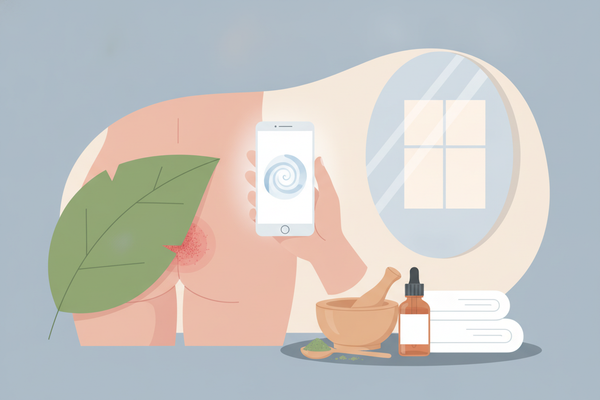
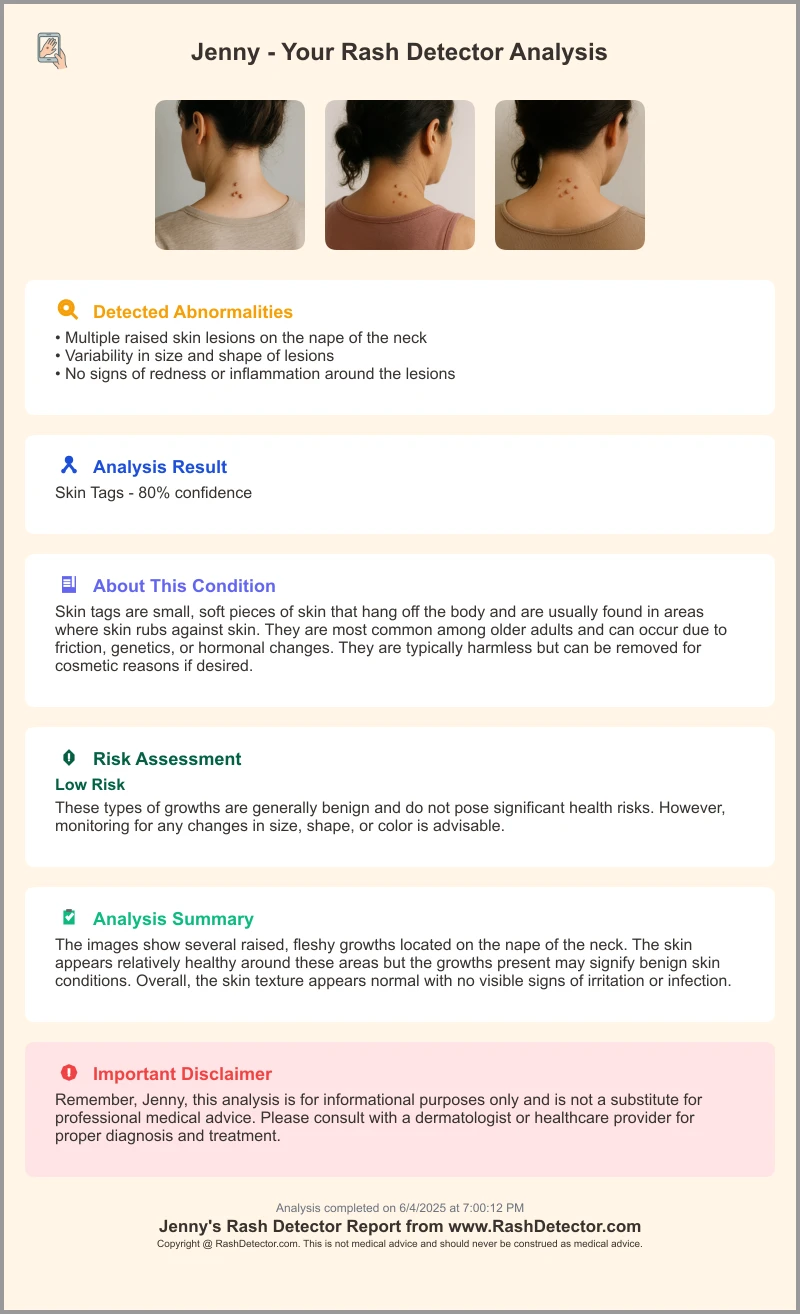
For a quick second opinion on suspicious drug rashes, you can upload your photos to Rash Detector for instant AI analysis:
Medication Rash Treatment
Effective treatment follows a stepwise plan: stop the trigger, relieve symptoms, and prevent complications. For a deeper dive into identifying, managing, and preventing drug-induced rashes, check out our complete guide to identifying, managing & preventing drug-induced rashes and our complete guide to medication rash treatment. You can also find a comprehensive overview in our guide to identifying, managing & preventing drug-induced rashes. For a step-by-step approach, see our guide to identifying and managing drug-induced rashes. For a comprehensive resource, see our comprehensive guide to identifying and managing medication-induced rashes. For a comprehensive overview of identifying, managing, and preventing drug-induced rashes, see our comprehensive guide to identifying, managing, and preventing drug-induced rashes. For a thorough, stepwise approach, see our complete guide to identifying, managing, and preventing drug-induced rashes. For a comprehensive guide to identifying, managing, and preventing drug-induced rashes, see our complete guide to identifying, managing, and preventing drug-induced rashes or our complete guide to identifying, managing, and preventing drug rashes. For a detailed, stepwise approach to managing drug-induced skin reactions, see our complete guide to identifying and managing drug-induced rashes.
Subsection A – Immediate Care Steps
Contact your clinician before stopping essential medicines. Emergency interventions for severe reactions include intramuscular epinephrine, IV antihistamines, high-dose systemic corticosteroids, and ICU admission for SJS/TEN.
Subsection B – Mild to Moderate Rashes
Oral antihistamines (cetirizine, loratadine), topical corticosteroids, emollients, analgesics.
Subsection C – Severe Cutaneous Adverse Reactions (SCARs)
Permanent drug withdrawal, burn-unit hospitalization, IV fluids, nutrition, pain management, sterile wound care, systemic therapies (steroids, IVIG, immunosuppressants).
Subsection D – Home Remedies & Self-Care (Adjunct)
Cool compresses, lukewarm oatmeal baths, gentle cleansers, loose cotton clothing, avoid scratching.
For more on managing drug allergy rashes.
Prevention & Risk Management
Pre-Treatment Strategies
Discuss side effects with your provider, read patient leaflets, report past reactions.
Documentation & Alerts
Record allergies in medical charts, wear medical alert bracelets.
Avoid Unnecessary Medications
Limit OTC drugs and supplements, check new medicines against known allergies.
Role of Allergy Testing
Immediate risk (prick tests), delayed risk (patch tests).
Post-Reaction Management
Permanently avoid culprit drugs, use alternatives, specialist-led desensitization if needed. For a comprehensive overview of prevention and risk management, refer to our comprehensive guide to identifying, managing, and preventing drug-induced skin reactions or our complete guide to identifying, managing, and preventing drug-induced rashes. You can also explore our comprehensive guide to identifying, managing, and preventing drug-induced rashes for more prevention strategies. For additional strategies, see our comprehensive guide to identifying and managing drug-induced skin reactions. For more information on identifying, managing, and preventing drug-induced rashes, see our guide to identifying, managing, and preventing drug-induced rashes. For a detailed look at prevention and risk management, see our guide to identifying, managing, and preventing drug-induced skin reactions. For a comprehensive guide to identifying, managing, and preventing drug-induced rashes, see our comprehensive guide to identifying, managing, and preventing drug-induced rashes or our complete guide to identifying & managing medication-induced rashes. For a comprehensive overview of drug-induced rash prevention, see our comprehensive guide to managing drug-induced rashes.
Conclusion
Medication-induced rashes range from mild itching to life-threatening SJS/TEN. Early recognition, stopping the offending drug, and timely treatment with antihistamines, corticosteroids, or advanced supportive care can save lives. Know the key warning signs—blistering, ulcers, fever, breathing difficulty—and seek emergency help when they appear. Always document drug allergies, use medical alerts, and discuss prevention strategies with your healthcare team.
FAQ
- How quickly do medication rashes appear? They can appear within minutes to hours (immediate) or days to weeks (delayed) after starting a drug.
- When should I seek emergency care? If you experience blistering, peeling, high fever, difficulty breathing, or facial swelling.
- Can mild rashes be managed at home? Yes, using antihistamines, topical steroids, and cool compresses after consulting your healthcare provider.
- How can I prevent future drug rashes? Document allergies, wear medical alerts, perform allergy testing, and avoid known triggers.
- What is SCAR? Severe Cutaneous Adverse Reactions include SJS, TEN, and other life-threatening drug eruptions requiring hospitalization.