Effective Medication Rash Treatment: Identification, Management, and Prevention
Discover effective medication rash treatment strategies, from early identification to prevention, ensuring safe and prompt management of drug-induced skin reactions.
Estimated reading time: 7 minutes
Key Takeaways
- Recognize the various types of medication-induced rashes early to prevent complications.
- Identify high-risk drugs and patient factors to proactively reduce the chance of reactions.
- Know the red flags—blistering, mucosal involvement, breathing difficulty—that require urgent care.
- Follow a stepwise treatment approach: discontinue the suspect drug, manage symptoms, and escalate care as needed.
- Maintain an up-to-date drug allergy record and introduce new medications one at a time for safer prevention.
Table of Contents
- Definition and Overview of Medication-Induced Rash
- Causes and Risk Factors for Medication Rash
- Signs, Symptoms, and Diagnosis of Medication Rash
- Medication Rash Treatment Options
- Prevention and Management of Medication Rash
- Conclusion
Section 1: Definition and Overview of Medication-Induced Rash
A medication-induced rash is an adverse skin reaction triggered by prescription or over-the-counter drugs. It often appears as red, itchy eruptions and can blister or peel. Understanding the types helps you and your doctor choose the right treatment.
Major rash types:
• Hives (urticaria): Raised, itchy welts that move around the skin, often within hours of drug intake.
• Morbilliform (measles-like) rash: Flat or slightly raised red spots that appear days after starting medication.
• Severe reactions (SJS/TEN): Dangerous blistering, skin peeling, and mucous-membrane involvement.
I once saw a child on amoxicillin develop hives within two hours. Quick antihistamines stopped progression.
Definition source: Harvard Health
Severe reaction source: Children’s National
Section 2: Causes and Risk Factors for Medication Rash
Knowing which drugs and patients face higher risk makes prevention easier.
High-risk medication classes:
• Antibiotics (penicillins, sulfa drugs) – common offenders.
• Anticonvulsants – can trigger delayed rashes.
• NSAIDs (ibuprofen, naproxen) – often cause mild to moderate reactions.
Patient risk factors:
• Personal or family history of drug allergies.
• Polypharmacy or frequent drug exposure.
• Underlying immune or autoimmune disorders, like lupus.
Sources: Merck Manual, Harvard Health
Section 3: Signs, Symptoms, and Diagnosis of Medication Rash
Spotting a drug rash early lets you start treatment faster. For more on identifying and managing drug-induced rashes, see Identifying Drug-Induced Rash Symptoms.
Appearance and timing:
• Red spots, bumps, hives, or blisters.
• Onset ranges from hours to days after the drug is started.
Associated systemic symptoms:
• Itching or burning sensation.
• Fever, joint pain, facial swelling.
• Mucosal involvement (lips, eyes, mouth).
Red flags for immediate care:
• Rash on face or mucous membranes.
• Extensive blistering or peeling.
• Difficulty breathing or swallowing.
• High fever over 100.4°F (38°C).
Diagnostic approach:
• Detailed medication history and timeline review.
• Physical skin examination by a clinician.
• Optional labs: complete blood count (CBC), liver and renal panels.
• Skin biopsy when needed to rule out other skin diseases.
A patient’s timeline showed rash onset 48 hours after starting sulfa drugs. Timely biopsy confirmed drug cause.
Sources: Becker ENT & Allergy, Merck Manual
Section 4: Medication Rash Treatment Options
The core of treatment is stopping the culprit drug and relieving symptoms safely. For a deeper dive into how to identify, manage, and prevent drug-induced skin reactions, see our complete guide to identifying, managing, and preventing drug-induced skin reactions. You can also explore our comprehensive guide to medication rash treatment for more detailed strategies and options. For additional insights, our Comprehensive Guide to Medication Rash Treatment covers recognition, management, and prevention in depth. For a broader perspective, our Comprehensive Guide to Medication Rash Treatment also provides detailed information on recognition, management, and prevention. For a focused overview, see our Effective Medication Rash Treatment: A Comprehensive Guide for stepwise approaches and best practices. For a comprehensive overview of strategies and prevention, see our Effective Medication Rash Treatment: Strategies and Prevention. For additional guidance, our complete guide to identifying and managing drug-induced skin reactions offers further details on recognition and management. For a stepwise approach and best practices, you may also find our comprehensive guide to managing drug-induced skin reactions helpful. For a comprehensive resource, see our comprehensive guide to identifying and managing drug-induced rashes for detailed information on recognition and management. For a thorough overview, our guide to drug-induced skin reactions provides stepwise treatment approaches and prevention strategies.
Step 1: Discontinue suspected drug
• Always under physician guidance.
• Replace with an alternative when possible.
(Discontinuation source: Merck Manual)
Over-the-Counter remedies:
• Oral antihistamines (diphenhydramine 25–50 mg every 6–8 hours) for itch relief.
• Topical corticosteroids (1% hydrocortisone cream twice daily) for local inflammation.
(OTC source: Harvard Health)
Prescription interventions:
• Systemic corticosteroids (prednisone taper over 7–14 days) for moderate-to-severe rashes.
• Emergency measures for anaphylaxis or SJS/TEN:
– Epinephrine auto-injector.
– IV fluids and electrolyte management.
– Wound care in a burn unit for extensive skin loss.
(Emergency source: NYU Langone)
Home-care and adjunctive measures:
• Use gentle, fragrance-free cleansers.
• Apply cool compresses.
• Avoid hot showers and harsh soaps.
For a quick AI-based rash evaluation, the Skin Analysis App delivers an instant sample report with key findings and risk assessment.
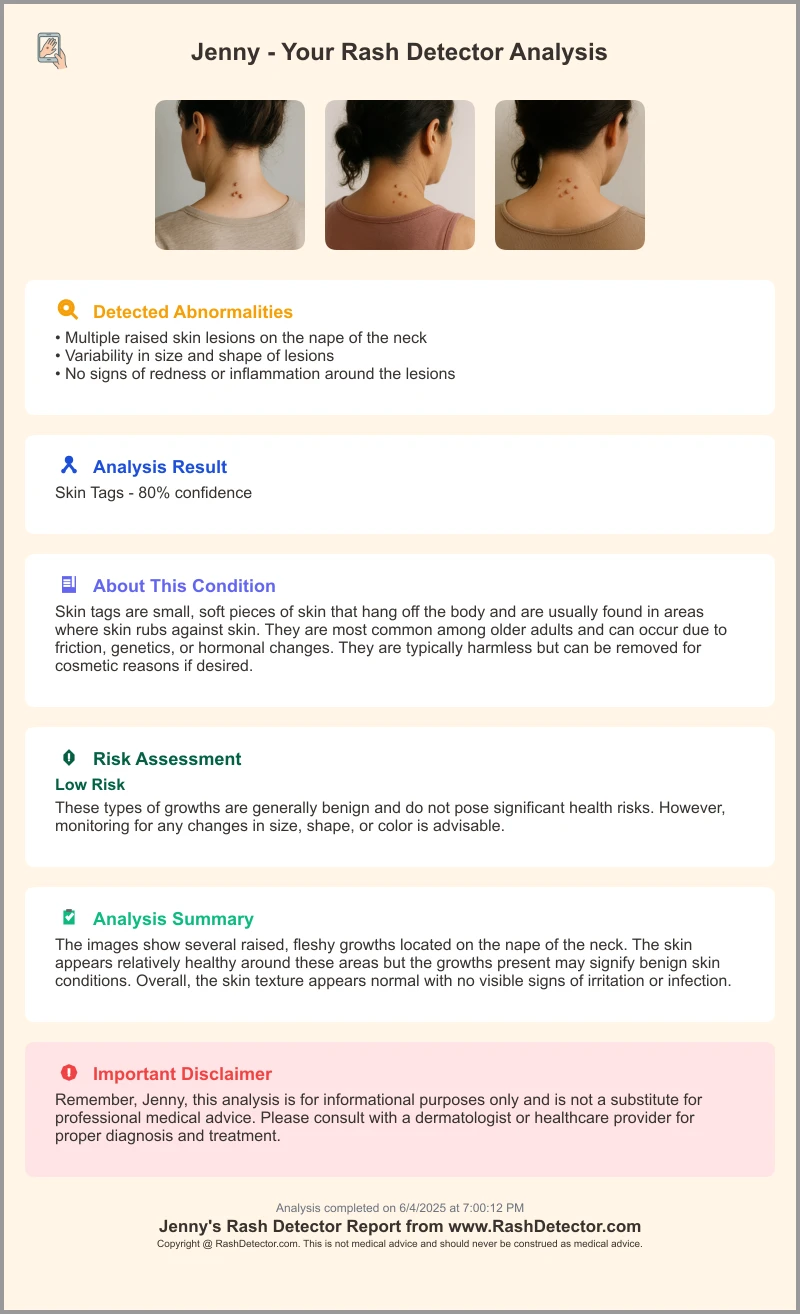
Visit Rash Detector to try it yourself.
Section 5: Prevention and Management of Medication Rash
Preventing drug eruptions reduces the need for extensive treatment. For strategies on long-term safety and prevention, see Managing Drug Allergy Rash. For a broader discussion on recognizing, managing, and preventing drug-induced skin reactions, check out our comprehensive guide to medication rash treatment. You may also find our Medication Rash Treatment: Identification, Diagnosis & Management Guide helpful for understanding diagnosis and management approaches. For a comprehensive overview, see our Medication Rash Treatment: A Comprehensive Guide to Identifying and Managing Medication-Induced Rashes for detailed prevention and management strategies. For more targeted advice, our Medication Rash Treatment: Guide to Managing Drug-Induced Skin Reactions offers practical prevention and management tips. For additional details on comprehensive approaches, see our Effective Medication Rash Treatment: Comprehensive Guide. For a more in-depth look at managing drug-induced skin reactions, our comprehensive guide to managing drug-induced skin reactions provides further strategies and prevention tips. For a detailed overview of effective strategies for identification and management, see our guide to effective medication rash treatment strategies. For additional information on how to identify, manage, and prevent drug-induced skin reactions, see our guide to identifying, managing, and preventing drug-induced skin reactions. For a complete resource, our comprehensive guide to identifying and managing drug-induced skin reactions provides in-depth prevention and management strategies.
Proactive measures:
• Keep an updated allergy list and share it with every provider.
• Start new medications one at a time to identify culprits.
• Monitor skin for changes during the first 1–2 weeks on high-risk drugs.
• At the first sign of rash, return to care with a full medication timeline.
Children’s National
Conclusion
Effective medication rash treatment relies on early recognition, swift drug cessation, symptom relief, and professional oversight. Reactions range from mild hives to life-threatening SJS/TEN, so tailored care is vital. Keep an accurate drug allergy record, monitor new medications closely, and consult a healthcare professional at the first sign of a rash. Prompt action ensures safer outcomes and better long-term health for anyone at risk of drug-induced skin reactions. Medication rash treatment starts with you—stay informed and proactive.
FAQ
How can I tell if my rash is drug-related?
Drug rashes typically appear hours to days after starting a medication. Look for red spots, hives, itching, and any systemic symptoms like fever or facial swelling. A clear timeline linking rash onset to drug initiation is a strong clue.
When should I seek emergency care?
Seek immediate help if you experience blistering, skin peeling, mucosal involvement (lips, eyes, mouth), breathing difficulty, or a high fever over 100.4°F (38°C). These signs may indicate severe reactions like SJS/TEN or anaphylaxis.
Can I switch to a similar drug if I have a rash?
Always consult your healthcare provider. In many cases, a safer alternative exists, but cross-reactivity can occur within drug classes. A specialist may recommend allergy testing before prescribing a substitute.
Are over-the-counter treatments effective?
For mild rashes, oral antihistamines and topical corticosteroids often provide relief. However, moderate-to-severe reactions require prescription interventions and close medical supervision.
How do I prevent future drug rashes?
Maintain an updated allergy list, introduce new medications one at a time, and monitor your skin closely. Sharing your drug reaction history with all providers reduces the risk of repeat episodes.