Medication Rash Treatment: How to Identify, Manage, and Prevent Drug-Induced Skin Reactions
Learn effective medication rash treatment, identification, and prevention techniques to manage drug-induced skin reactions and avoid severe complications.

Estimated reading time: 8 minutes
Key Takeaways
- Medication rashes can range from mild hives to severe cutaneous adverse reactions (SCARs).
- Identifying the culprit drug by correlating timing and rash characteristics is essential.
- Treatment hierarchy: discontinue the trigger, relieve symptoms, escalate to systemic therapy for severe cases.
- Early professional evaluation reduces risk of life-threatening complications like SJS/TEN.
- Preventive measures include reviewing drug history, genetic screening, and monitoring during early treatment.
Table of Contents
- Introduction
- Understanding Medication-Induced Rashes
- Causes and Risk Factors
- Identifying a Medication Rash
- Treatment Options
- When to Seek Medical Advice
- Preventive Measures
- Summary and Final Recommendations
- Additional Resources
Introduction
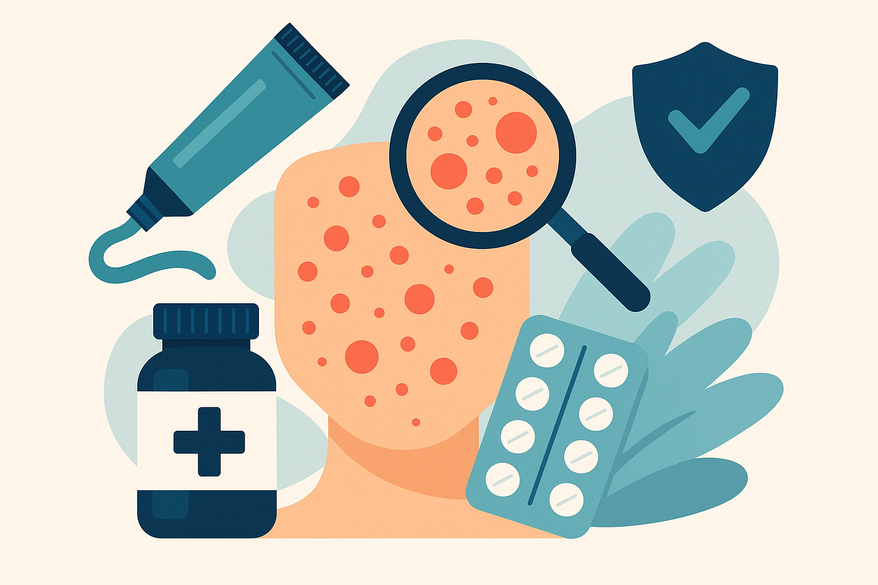
Medication rashes are skin reactions triggered by drugs, ranging from mild redness or hives to life-threatening cutaneous adverse syndromes like Stevens-Johnson syndrome. Timely identification and treatment can prevent serious complications.
Our objectives include defining medication rashes, explaining prompt management, providing step-by-step guidance, and highlighting warning signs and prevention tips.
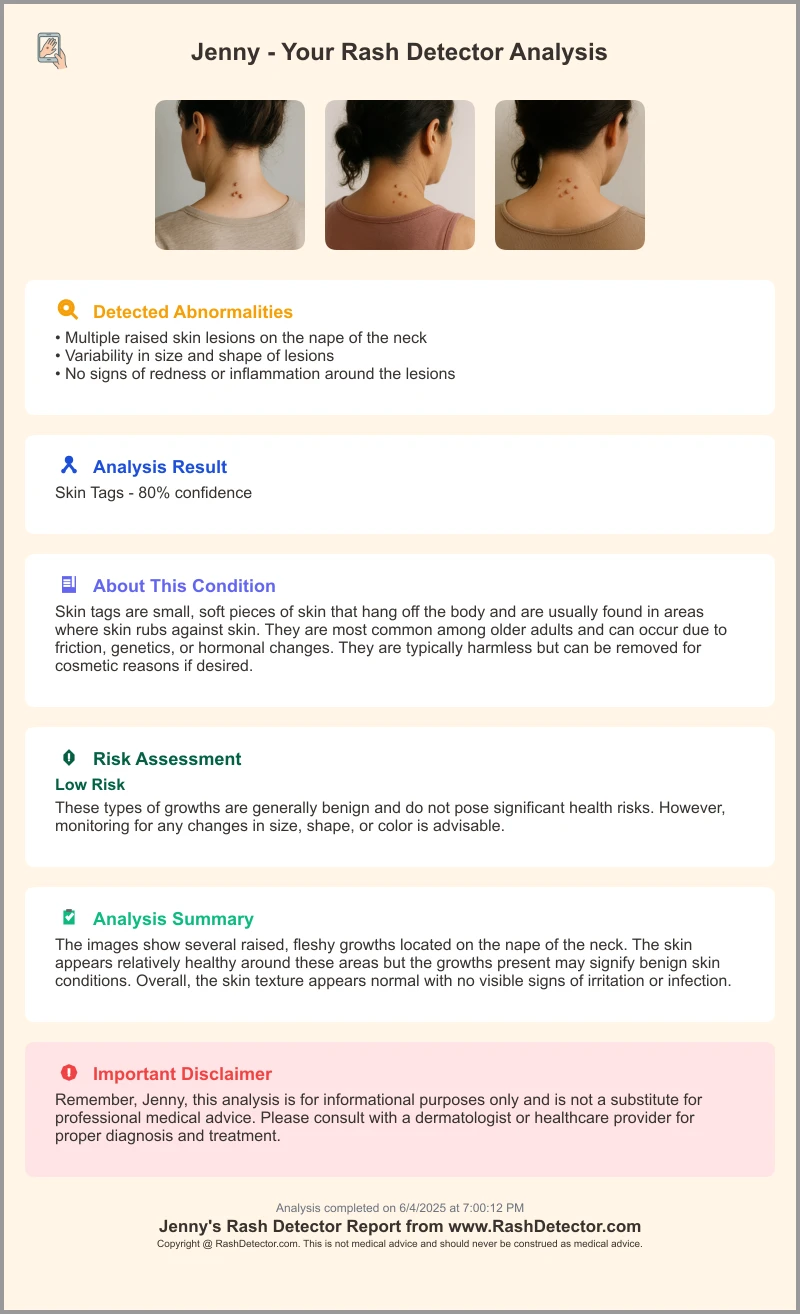
For a quick AI-powered assessment, consider using Rash Detector.
"An ounce of prevention is worth a pound of cure."
Section 1: Understanding Medication-Induced Rashes
A solid treatment plan begins with recognizing what a drug eruption is and how it differs from other skin issues.
What is a drug eruption?
- A hypersensitivity or non-allergic reaction to a medication.
- Manifests as redness, raised bumps, hives, blisters, or peeling.
- Can be localized or widespread.
Key differences from other rashes
- Timing link: appears after starting or changing a medication.
- Pattern: immediate (hours) or delayed (days–weeks).
- Distribution: often symmetric on the trunk or limbs.
Section 2: Causes and Risk Factors
Knowing why certain drugs trigger reactions and who is at greater risk informs prevention.
Immune-mediated vs. non-allergic mechanisms
- Type I–IV hypersensitivity reactions mount an immune response to the drug or its metabolites.
- Non-allergic reactions occur when a drug directly irritates or alters skin cells.
- Delayed reactions often appear 4–14 days after first exposure.
Individual risk factors
- Genetic predisposition—certain HLA types link to severe reactions.
- History of drug allergies or past rashes.
- Polypharmacy and high dosages increase risk.
- Organ impairment (kidney/liver) slows drug metabolism.
Section 3: Identifying a Medication Rash
Quick recognition leads to faster treatment and fewer complications.
Step 1: Review all recent medications
- Include prescriptions, OTC drugs, supplements, topical products, herbal remedies, and vitamins.
Step 2: Correlate timing
- Immediate: within 24 hours of a dose.
- Delayed: days to weeks after starting or increasing a dose.
Step 3: Assess rash characteristics
- Distribution: localized vs. widespread.
- Lesion type: macules, papules, hives, blisters.
- Mucosal involvement: look for mouth or eye sores.
Step 4: Rule out other causes
- Infections, contact dermatitis, or heat rash.
- Prioritize a drug cause if timing and appearance match.
Professional evaluation may include biopsy, patch testing, or specialist referral. For more on pinpointing drug-induced rashes, see Identifying Drug-Induced Rash Symptoms.
Section 4: Treatment Options for Medication Rashes
Effective treatment follows a clear hierarchy: remove the cause, relieve symptoms, and manage severe cases. For a comprehensive overview, see our complete guide to medication rash treatment. You can also consult our Medication Rash Treatment: Identification, Management, and Prevention for additional strategies and prevention tips. For a more detailed discussion, refer to our comprehensive guide to drug-related skin reactions. For a step-by-step approach, see our guide to managing drug-induced skin reactions.
- Discontinue the offending drug
• Stop under medical guidance to avoid withdrawal or disease flare.
• Most rashes resolve within 1–2 weeks after stopping the trigger.
• Never abruptly stop critical medications without doctor approval. - Symptom relief for mild–moderate rashes
• Oral antihistamines reduce itching and hives.
• Topical corticosteroids (e.g., hydrocortisone) ease inflammation.
• Gentle skin care with fragrance-free moisturizers and mild cleansers. - Systemic therapies for severe reactions
• High-dose oral or IV corticosteroids for widespread inflammation.
• Hospitalization with IV fluids and electrolyte support if skin loss is extensive.
• Epinephrine for anaphylaxis with respiratory or cardiovascular compromise.
• IV immunoglobulin or other immunosuppressants for SCARs. - Safe home remedies & self-care
• Cool compresses or oatmeal baths for soothing relief.
• Loose, cotton clothing to reduce friction.
• Avoid scratching—use mittens or keep nails short.
For a detailed guide on managing drug allergy rashes, see Managing Drug Allergy Rash.
Section 5: When to Seek Medical Advice (and Emergency Care)
Knowing when to escalate care is vital.
Warning signs for medical review
- Rapidly spreading rash that’s extremely itchy or painful.
- Facial swelling, flu-like symptoms, fever, or mucosal sores.
- Purple patches, pustules, or widespread blistering.
Severe cutaneous adverse reactions (SCARs)
- Stevens-Johnson syndrome (SJS) and toxic epidermal necrolysis (TEN) can lead to organ failure.
- Characterized by widespread skin detachment and systemic illness.
Emergency indicators
- Anaphylaxis: wheezing, throat tightness, hypotension, facial/lip/tongue swelling.
- Rapidly spreading blisters or skin peeling.
- High fever, altered mental status, signs of organ involvement.
Section 6: Preventive Measures
Preventing drug eruptions is the best strategy. For more on identifying and managing drug-induced skin reactions, see our guide to identifying and managing drug-induced skin reactions. You may also find our Medication Rash Treatment: How to Identify, Manage & Prevent Drug-Induced Skin Reactions helpful for practical prevention and management advice. For further reading, explore our comprehensive medication rash treatment guide for strategies to identify and manage drug-induced skin reactions. For a comprehensive overview of prevention, identification, and management, see Your Guide to Medication Rash Treatment: Identification, Management & Prevention.
Pre-treatment preparation
- Review allergy history and past reactions with all care providers.
- Consider genetic screening (HLA testing) for high-risk medications.
- Discuss alternative drugs if you have known susceptibilities.
Monitoring and early reporting
- Read medication inserts for potential skin side effects.
- Check skin daily during the first days to weeks of a new drug.
- Report any early rash or itching promptly.
Section 7: Summary and Final Recommendations
- Definition: A drug eruption ranges from mild hives to severe SCARs.
- Treatment hierarchy: stop the culprit, relieve symptoms, escalate therapy for severe cases.
- Identification hinges on: correlating rash timing, appearance, and medication history.
- Professional guidance: never self-discontinue critical meds without tailored advice.
- Early evaluation: reduces the risk of life-threatening complications.
Section 8: Additional Resources
For deeper reading, explore these reputable sources:
- Merck Manual drug rashes overview
- Johns Hopkins Medicine drug rash guide
- Harvard Health on severe drug rashes
- NYU Langone treatments for drug reactions
- Medscape treatment protocols
FAQ
What is a medication rash?
A medication rash is a skin reaction triggered by a drug, ranging from mild redness or hives to severe, potentially life-threatening conditions like Stevens-Johnson syndrome.
How do I know which drug caused the rash?
Correlate the timing of symptom onset with recent medication changes and assess rash characteristics; a drug reaction often appears within hours to weeks of starting or adjusting a dose.
Can I treat a medication rash at home?
For mild rashes, cool compresses, oatmeal baths, oral antihistamines, and topical corticosteroids may help—but always consult a healthcare provider before discontinuing any drug.
When should I seek emergency care?
Call emergency services if you experience anaphylaxis, rapidly spreading blisters, skin peeling, high fever, or signs of organ involvement.