OTC Ointment for Rash: How to Choose and Use Effectively
Discover the best OTC ointment for rash relief, how to apply them, and when to see a doctor. Get fast, accurate guidance for your skin with Rash Detector.

Estimated reading time: 18 min
Key Takeaways
- Choosing the right OTC ointment depends on rash cause: allergic, fungal, heat rash, or irritation. Understanding the rash type can help guide more targeted and effective treatment.
- Hydrocortisone 1% may help reduce itch and inflammation in many rashes but should be used cautiously and for a limited duration.
- Calamine lotion can soothe poison ivy, oak, and oozing blisters by drying and cooling the skin.
- Antifungal creams like clotrimazole are used to treat fungal rashes and ringworm, typically requiring consistent application over several weeks for best results.
- Proper application, awareness of ingredients to avoid, and knowing when to see a doctor are important for safe and effective rash care.
Table of Contents
- Section 1: Understanding Rash Types and Causes
- Section 2: Choosing the Right OTC Ointment for Rash
- Section 3: Key Ingredients in OTC Rash Ointments
- Section 4: How to Apply OTC Rash Ointments Safely
- Section 5: Ingredients to Avoid for Certain Rashes
- Section 6: When to Seek Medical Attention for a Rash
Conclusion
FAQ
Section 1: Understanding Rash Types and Causes
What Is a Rash?
A rash is an area of irritated or swollen skin that can appear as red, bumpy, scaly, blistered, or itchy patches. It is important to understand that a rash is a symptom rather than a standalone disease. The skin's appearance changes as a reaction to various triggers, ranging from allergic reactions to infections or environmental factors.
Rashes can vary widely in appearance — some are dry and flaky, others blistered and oozing, and some may present as small bumps or welts. The distribution and pattern of the rash on the body, along with symptoms such as itchiness or pain, can provide clues to its cause.
Common Rash Causes
- Allergic or Contact Dermatitis: This occurs when the skin reacts to an allergen or irritant such as poison ivy, soaps, detergents, or chemicals. The rash often appears as red, itchy, and sometimes blistered patches localized to the area of contact.
- Eczema (Atopic Dermatitis): A chronic inflammatory skin condition characterized by dry, itchy, and scaly patches. Eczema flares can be triggered by allergens, irritants, weather changes, or stress, and often affects the face, hands, and behind the knees.
- Heat Rash (Miliaria): Results from blocked sweat glands in hot and humid environments. It typically presents as clusters of small red bumps or blisters, often causing itching or a prickly sensation. Commonly found in skin folds or areas covered by clothing.
- Irritation and Friction: Repeated rubbing or moisture accumulation from tight or abrasive clothing, diapers, or skin folds can cause chafing and irritation, leading to redness and soreness.
- Fungal Rashes: Caused by dermatophyte fungi or yeast infections, these rashes often present as red, scaly patches with defined edges. Ringworm is a classic example, with a ring-shaped rash that may be itchy or flaky.
Why Identifying Rash Cause Matters
Correctly identifying the cause of your rash is important because treatment varies depending on the underlying reason. For example, allergic rashes often respond to anti-inflammatory and soothing agents, while fungal infections require antifungal medications to address the causative organism.
Treating a fungal rash with steroids may worsen the infection by suppressing the body's immune response, while using an antifungal on an allergic rash may not relieve symptoms. Therefore, understanding the rash cause can lead to more effective, safe treatment and potentially faster healing.
In addition, identifying the cause helps prevent future occurrences by avoiding triggers such as allergens or irritants and managing chronic conditions like eczema with proper skincare routines.
Section 2: Choosing the Right OTC Ointment for Rash
Hydrocortisone 1% Products for Itch and Inflammation
Hydrocortisone 1% cream or ointment is a widely available mild corticosteroid that may reduce inflammation, redness, and itchiness associated with allergic and inflammatory skin conditions. It works by locally suppressing the immune response, which can calm skin irritation.
This product is often used for rashes caused by allergies, eczema, insect bites, and mild contact dermatitis. Its low potency makes it suitable for sensitive areas such as the face, but it should be used sparingly.
Usage Tips:
- Apply a thin layer 1-2 times daily for up to 7 days.
- Avoid prolonged use or application on broken skin to reduce the risk of side effects such as skin thinning or increased susceptibility to infections.
- Do not use on fungal or bacterial infections without medical advice.
Calamine Lotion for Poison Ivy and Oozing Rashes
Calamine lotion contains a combination of zinc oxide and ferric oxide, which provides a soothing and drying effect on the skin. It is commonly used for rashes with oozing or weeping blisters such as poison ivy, poison oak, and other allergic contact dermatitis reactions.
Calamine may help reduce itching and promote drying of the rash, which can help prevent secondary infections caused by scratching.
How to use: Shake well before use and apply a thin layer over the rash 3-4 times daily or as needed. Allow it to dry on the skin for maximum effect.
Zinc Oxide Barrier Ointments for Friction and Moisture Protection
Zinc oxide ointments create a physical barrier that protects the skin from moisture, irritants, and friction. These are often used for diaper rash, chafing from exercise or tight clothing, and skin folds prone to moisture buildup.
By shielding the skin, zinc oxide allows the area to heal and prevents further irritation. These ointments are usually thick and can be applied liberally.
Application: Clean and dry the affected area before use. Apply a generous layer 2-3 times daily and after exposure to moisture such as sweating or bathing.
Antifungal OTC Creams for Fungal Rashes
Fungal infections typically require antifungal creams that target the growth of fungi on the skin. Common OTC antifungals include clotrimazole, miconazole, and terbinafine. They work by disrupting the fungal cell membranes, stopping growth and allowing the skin to heal.
Typical fungal infections treated with these creams include ringworm, athlete’s foot, and yeast infections in skin folds.
Important notes:
- Apply the cream to the affected area and a small margin around it to ensure complete coverage.
- Treatment duration usually ranges from 2 to 4 weeks, even if symptoms improve earlier, to help prevent recurrence.
- Do not use steroid creams on fungal infections unless prescribed by a healthcare provider.
Section 3: Key Ingredients in OTC Rash Ointments
Hydrocortisone 1%
Hydrocortisone is a mild topical corticosteroid that reduces inflammation by suppressing the immune system's overreaction in the skin. It helps relieve redness, swelling, and itchiness commonly seen in allergic or inflammatory rashes.
Because of its potency, hydrocortisone is generally considered safe for short-term use on most body areas, including the face and folds, but should be avoided on broken skin or fungal infections.
Side effects: Long-term or excessive use can lead to skin thinning (atrophy), stretch marks, easy bruising, and potential systemic absorption in rare cases.
Calamine (Zinc Oxide and Ferric Oxide)
Calamine lotion combines zinc oxide’s protective and soothing properties with ferric oxide’s astringent effect, which helps dry out wet or oozing rashes. This combination makes it especially useful for poison ivy, oak, or sumac rash and other blistering skin irritations.
Additionally, calamine has mild antiseptic properties, which may reduce the risk of secondary infections from scratching.
Zinc Oxide
Pure zinc oxide ointments act as a physical barrier that shields irritated skin from moisture and friction. This is why zinc oxide formulations are commonly used in diaper rash prevention and treatment, as well as for chafing or minor burns.
Zinc oxide also has mild anti-inflammatory and antimicrobial effects, supporting skin healing.
Antifungals like Clotrimazole and Miconazole
These antifungal agents work by disrupting the fungal cell membrane, leading to fungal death. Clotrimazole and miconazole have a broad spectrum against dermatophytes and yeasts, making them effective for various fungal skin infections.
They require consistent application for 2-4 weeks, extending even after symptoms improve, to help ensure complete eradication and reduce the chance of recurrence.
Moisturizing and Barrier Repair Ingredients
- Colloidal Oatmeal: A finely ground oatmeal powder that soothes inflamed skin, reduces itch, and helps restore the skin barrier. It is often included in lotions and creams for eczema and other dry, irritated skin conditions.
- Petrolatum: An occlusive agent that locks in moisture by forming a protective barrier on the skin. It prevents water loss, supports healing, and provides protection against irritants.
- Emollients: Substances such as glycerin, lanolin, or natural oils that soften and hydrate the skin, helping to restore the skin’s natural barrier function.
Using ointments or creams with these ingredients can be particularly beneficial for chronic conditions like eczema, where skin barrier dysfunction contributes to symptoms.
Section 4: How to Apply OTC Rash Ointments Safely
General Application Tips
- Clean the affected area gently: Use mild, fragrance-free soap and lukewarm water to clean the rash area before ointment application. Avoid scrubbing, which can worsen irritation.
- Apply a thin layer: Using clean fingers or a cotton swab, apply a thin, even layer of ointment or cream. Applying excessive amounts does not increase effectiveness and may increase side effects.
- Wash hands: Always wash your hands before and after applying ointments to avoid contamination and spreading the rash or infection to other body parts.
- Follow package instructions: Adhere strictly to recommended frequency and duration of use, typically 1-3 times daily, unless otherwise advised by a healthcare professional.
- Avoid touching or scratching the rash: This helps prevent secondary bacterial infection and worsening of symptoms.
Duration of Use
Most OTC hydrocortisone products are intended for short-term use, generally limited to 7 days. Prolonged use can lead to skin thinning, stretch marks, or increased risk of infection. If symptoms persist beyond this period, consult a healthcare provider.
Antifungal creams typically require longer treatment courses, often 2-4 weeks, to fully eradicate the infection. Even if symptoms improve early, continuing treatment as recommended may help prevent recurrence.
Calamine and zinc oxide products can be used as needed for symptom relief or skin protection, but prolonged use should also be discussed with a healthcare professional if symptoms persist.
Special Considerations
- Avoid covering the treated area with tight bandages or occlusive dressings unless directed by a healthcare provider, as this can increase medication absorption and risk of side effects.
- If the rash worsens, spreads, or you notice signs of infection such as pus, increased pain, or fever, discontinue the ointment and seek medical advice promptly.
- Be cautious when applying ointments to sensitive areas like the face, groin, or underarms. Use small amounts and consult a healthcare provider to avoid irritation or side effects.
- Keep treated areas dry and avoid excessive sweating, which can worsen certain rashes like heat rash.
- If you experience adverse reactions such as burning, stinging, or severe irritation after applying an ointment, discontinue use and consult a healthcare professional.
Section 5: Ingredients to Avoid for Certain Rashes
Ointments That Block Pores and Trap Heat
For heat rash and other rashes occurring in sweaty or occluded areas, avoiding thick, occlusive ointments is generally advisable. Heavy petrolatum-based products or greasy creams can block sweat glands, trapping sweat and bacteria. This may exacerbate heat rash symptoms or increase the risk of secondary infections.
Instead, consider lightweight, non-comedogenic lotions or powders that allow the skin to breathe and help keep the area dry.
Fragrances and Dyes
Many OTC ointments contain added fragrances, dyes, or preservatives that can irritate sensitive or allergic skin, potentially worsening the rash or causing new reactions. This is especially true for those with eczema or contact dermatitis.
Choosing fragrance-free, hypoallergenic, and dye-free products may reduce the risk of irritation and improve overall skin tolerance.
Avoid Steroids on Fungal Rashes
Topical steroids like hydrocortisone suppress the local immune response, which can worsen fungal infections by allowing fungi to multiply unchecked. Applying steroids to fungal rashes may cause the rash to spread and become more difficult to treat.
If you suspect a fungal infection, avoid steroids and instead use appropriate antifungal treatments. Consult a healthcare provider if you are unsure.
Other Ingredients to Approach with Caution
- Neomycin and other topical antibiotics: These can cause allergic contact dermatitis in some individuals and should be used cautiously.
- Menthol or Camphor: Found in some itch-relief ointments, these can cause irritation or allergic reactions in sensitive skin.
- Alcohol-based products: Can dry and irritate skin further, especially on broken or sensitive areas.
Section 6: When to Seek Medical Attention for a Rash
Signs That OTC Treatment Isn’t Enough
- Rapidly spreading rash: If the rash enlarges quickly or covers large areas, it may indicate an infection or serious allergic reaction.
- Severe pain or swelling: Intense discomfort or swelling could indicate cellulitis or other complications.
- Signs of infection: Presence of pus, yellow crusting, warmth, fever, or swollen lymph nodes requires prompt medical evaluation.
- Persistent rash: Rash lasting more than 1-2 weeks without improvement despite OTC treatment.
- Rash after new medication: Could indicate a drug reaction, which may be serious.
- Systemic symptoms: Difficulty breathing, swelling of the face or throat, dizziness, or widespread rash with blisters require emergency care.
Why Professional Diagnosis Matters
A healthcare provider or dermatologist can perform a detailed evaluation, including history, physical examination, and if needed, skin scraping, patch testing, or biopsy. This helps identify the possible cause of the rash and guides appropriate treatment.
In some cases, prescription medications or advanced treatments may be necessary to prevent complications or chronicity.
Using Rash Detector for Early Guidance
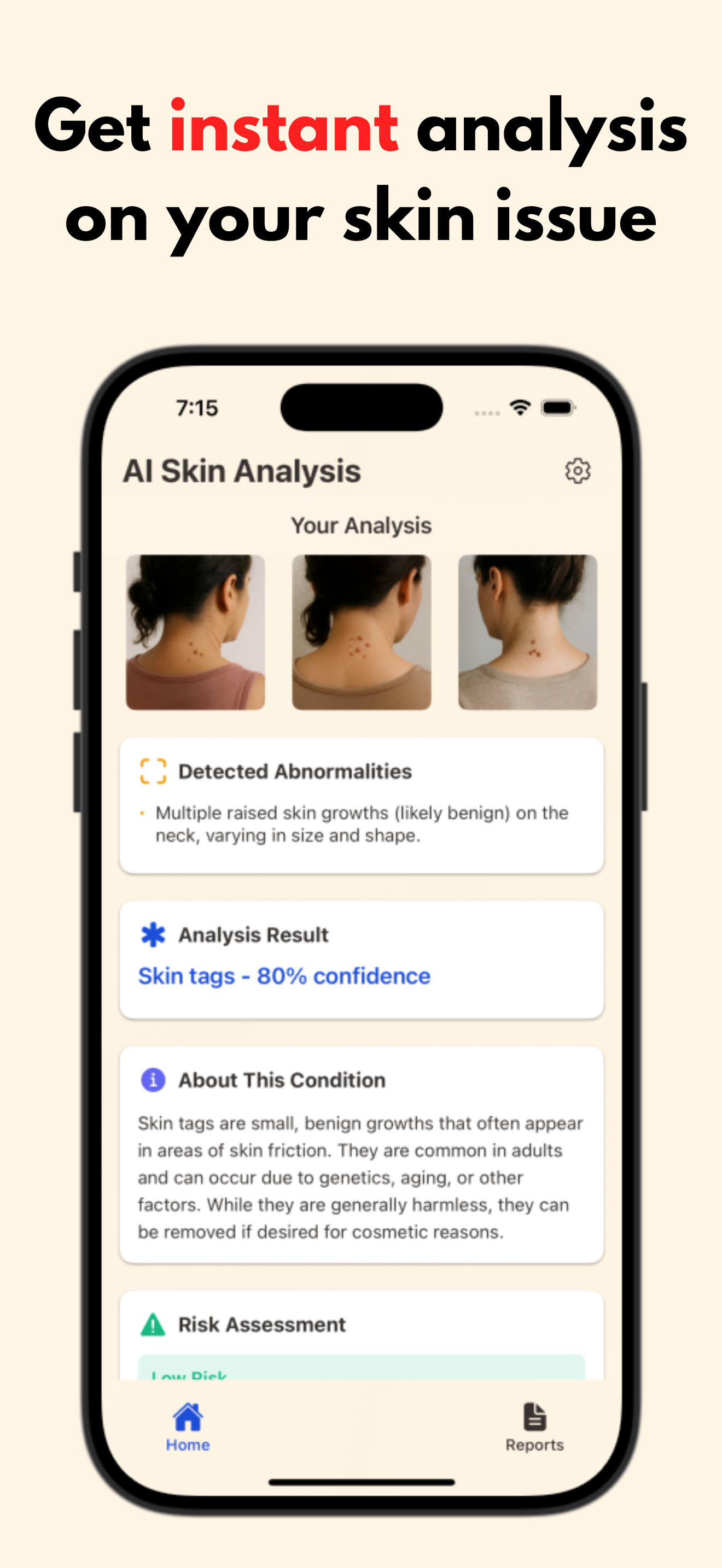
The Rash Detector app uses AI technology to analyze photos of your rash and provide possible causes and treatment suggestions. This tool can be helpful when you’re unsure about the rash type or whether OTC treatment is appropriate.
By receiving instant feedback, users can make more informed decisions about home care or the need to seek professional evaluation, potentially reducing delays in appropriate treatment.
Conclusion
Choosing the right OTC ointment for a rash depends on identifying the rash’s cause. Mild corticosteroids like hydrocortisone 1% may be effective for allergic and inflammatory rashes but require careful use to avoid side effects. Calamine lotion can soothe oozing blisters from poison ivy and similar rashes, while antifungal creams like clotrimazole are used for fungal infections and require consistent application over weeks for best results.
Zinc oxide barrier ointments protect irritated skin from moisture and friction, promoting healing in frictional or diaper rashes. Avoiding pore-blocking ointments in heat rash and fragrance-containing products in sensitive skin may help prevent worsening symptoms.
Proper cleaning, application, and adherence to treatment duration are important for safe and effective rash care. Monitoring for worsening signs or prolonged symptoms is essential to decide when professional medical care is needed.
For quick, convenient preliminary assessment, consider using the Rash Detector app to receive AI-driven analysis and treatment guidance. This tool supports informed decisions on OTC ointment selection and when to seek healthcare.
Remember, while OTC products can be helpful for many mild rashes, severe, spreading, painful, or persistent rashes should always be evaluated by a healthcare professional or dermatologist for accurate diagnosis and appropriate treatment.
FAQ
Q: What is the best OTC ointment for an itchy rash?
A: Hydrocortisone 1% cream is often used to relieve itch and inflammation in many allergic or eczema-related rashes. For fungal or oozing rashes, other specific treatments such as antifungal creams or calamine lotion may be more appropriate.
Q: Which ointment is best for contact dermatitis or poison ivy?
A: For contact dermatitis, a mild corticosteroid like hydrocortisone cream may help reduce inflammation and itch. For poison ivy, oak, or sumac rashes with oozing blisters, calamine lotion is commonly used to soothe, dry, and cool the affected skin.
Q: Can I use hydrocortisone on a rash every day?
A: It is generally not recommended to use hydrocortisone cream daily for more than 7 days without medical advice, as prolonged use can cause skin thinning, increased risk of infection, and other side effects.
Q: What OTC cream should I use for heat rash?
A: For heat rash, lightweight, non-pore-blocking creams or powders that keep the skin dry and cool are preferred. Avoid heavy, occlusive ointments like thick petrolatum that trap sweat and heat. Maintaining loose clothing and cool environments also helps.
Q: What is the best OTC ointment for fungal rash or ringworm?
A: Antifungal creams containing clotrimazole, miconazole, or terbinafine are commonly used for fungal rashes such as ringworm. These require consistent application for 2-4 weeks, continuing even after symptoms improve to help ensure clearance.
Q: When should I see a doctor for a rash instead of using OTC ointment?
A: Seek medical care if the rash spreads rapidly, is painful, shows signs of infection (pus, warmth, fever), persists beyond 1-2 weeks despite treatment, or if you experience systemic symptoms like difficulty breathing or facial swelling. Also consult a doctor if the rash appears after starting a new medication.