Medication Rash Treatment: A Complete Guide to Identifying and Managing Drug-Induced Skin Reactions
Discover comprehensive strategies for medication rash treatment, including identification, management of drug-induced skin reactions, and when to seek urgent care.

10-minute read
Key Takeaways
- Early recognition of medication-induced rashes is crucial for safe management.
- Determine whether a reaction is allergic or non-allergic to guide treatment.
- Always discontinue the suspected drug under medical supervision.
- Treatment options range from topical therapies and antihistamines to systemic steroids and emergency interventions.
- Monitor red-flag symptoms—such as blistering, fever, or breathing difficulty—and seek immediate care.
Table of Contents
- I. Understanding Medication-Induced Rashes
- II. When to Seek Medical Advice
- III. Overview of Treatment
- IV. Detailed Treatment Methods
- V. Preventative Measures and Long-Term Management
- VI. Conclusion
- VII. FAQ
I. Understanding Medication-Induced Rashes
Definition and Classification
Medication-induced rashes can be allergic or non-allergic. Allergic reactions involve the immune system—IgE-mediated hives appear within minutes, while T-cell–mediated redness or peeling may take days. Non-allergic reactions stem from direct drug toxicity, metabolic byproducts, or photosensitivity. Onset varies from minutes to weeks, and distinguishing the type is key to selecting the right treatment.
Causes and Common Offenders
- Antibiotics: penicillins, sulfa drugs
- Anticonvulsants: carbamazepine, lamotrigine
- NSAIDs: ibuprofen, naproxen
- Allopurinol (for gout)
Risk factors include prior drug allergies, high-dose or rapidly escalated therapy, and polypharmacy.
Signs and Symptoms
Watch for:
- Itching (pruritus)
- Hives (urticaria)
- Morbilliform rash (widespread red macules and papules)
- Swelling (angioedema) around the face or lips
- Blistering or peeling—the hallmark of severe reactions
- Mucosal sores in the mouth, eyes, or genitals
Document onset and progression, and refer to our guide on drug-induced rash symptoms for more details.
II. When to Seek Medical Advice
Red Flags for Urgent Care
Call emergency services if you observe:
- Rapidly spreading rash
- Fever above 100.4°F (38°C)
- Blistering or peeling skin
- Facial or lip swelling
- Difficulty breathing or wheezing
- Mucosal sores
These signs may indicate Stevens-Johnson syndrome, toxic epidermal necrolysis, or anaphylaxis.
Monitoring Milder Reactions
For non-emergency cases:
- Photograph the rash daily
- Note any spread or color changes
- Track systemic symptoms such as fever or dizziness
Share your observations—consider using our track progress pictures tool—and consult a healthcare provider within 24 hours.
III. Overview of Treatment
Core Principle
Identify and discontinue the offending drug under clinician guidance. Skin recovery typically takes days to weeks once the trigger is removed.
Matching Treatment to Severity
- Mild: cool compresses and symptom relief
- Moderate: prescription topical or oral medications
- Severe: hospitalization, specialist consultation, possible ICU care
IV. Detailed Treatment Methods
Topical Therapies
- Hydrocortisone 1% cream
- Triamcinolone acetonide 0.1% cream
Apply a thin layer twice daily, avoiding open wounds and the eyes.
Oral Antihistamines
- Non-sedating: cetirizine 10 mg or loratadine 10 mg once daily
- Sedating: diphenhydramine 25–50 mg every 6–8 hours
Take with food to minimize stomach upset.
Systemic Corticosteroids
For extensive inflammation or angioedema: prednisone 0.5–1 mg/kg/day for 5–10 days, then taper. Monitor blood sugar and mood.
Emergency Interventions
- IM epinephrine 0.3–0.5 mg immediately
- IV corticosteroids and fluids
- ICU admission as needed
Supportive and Adjunctive Care
- Cool compresses (10–15 minutes, 2–3 times daily)
- Oatmeal or baking-soda baths
- Fragrance-free emollients
- Avoid hot showers, scented soaps, and tight clothing
V. Preventative Measures and Long-Term Management
Documenting Past Reactions
Maintain an allergy list with drug names, reaction types, and dates. Share with all healthcare providers and consider a MedicAlert ID.
Proactive Communication
Before new prescriptions, inform clinicians of past rashes, request safer alternatives, and discuss testing or dose adjustments.
Specialist Referral and Testing
Allergist or dermatologist evaluation is advised for severe or recurrent rashes, patch testing, and controlled drug challenges.
Skin-Care Routine Post-Reaction
- Use mild cleansers and moisturizers
- Monitor for relapse; seek care if rash persists beyond two weeks
VI. Conclusion
Medication rash treatment hinges on early detection, accurate classification, and appropriate therapy selection. By identifying the offending drug, discontinuing under medical guidance, and matching treatment to severity, patients can achieve safer, faster recovery. Always be vigilant for emergency signs and maintain clear communication with your healthcare team.
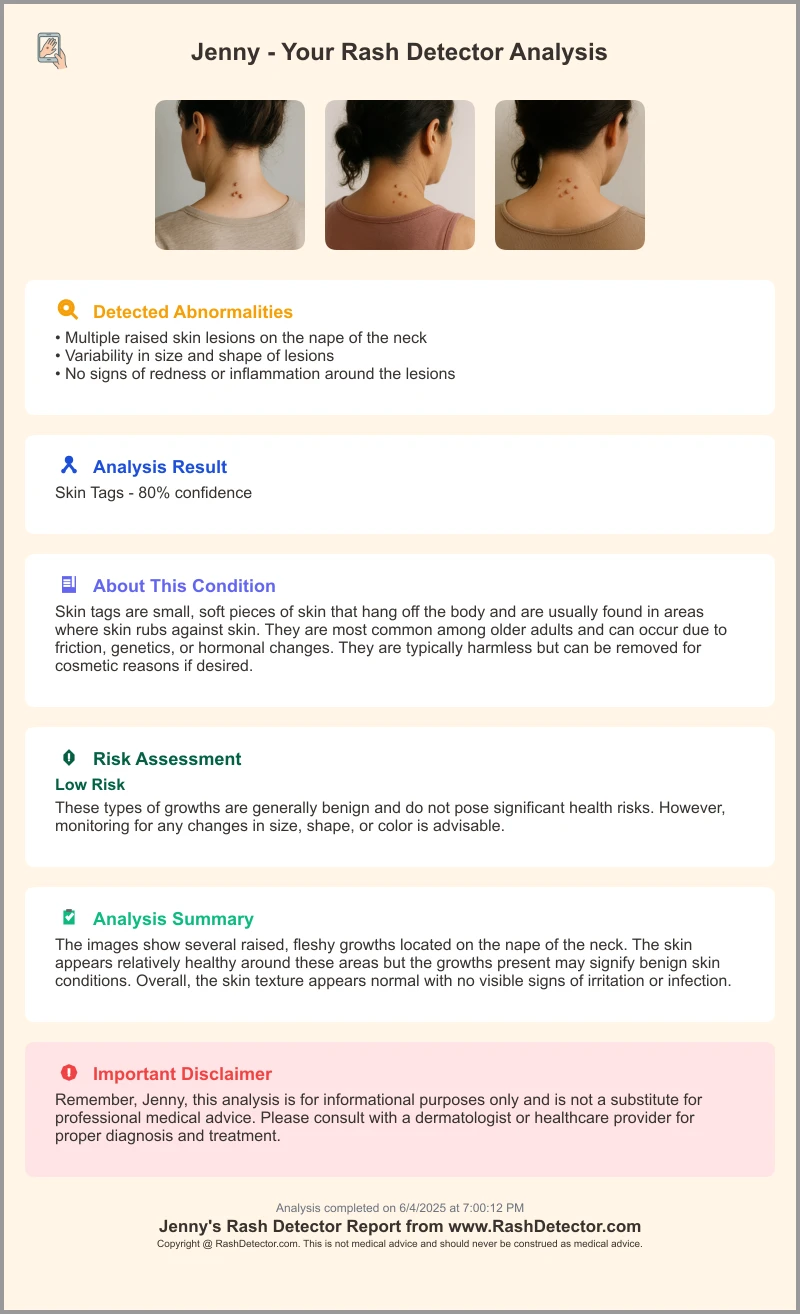
For fast, AI-powered rash analysis alongside your treatment plan, consider Rash Detector.
FAQ
Q1: Can a medication rash go away on its own?
A: Mild rashes often resolve after stopping the drug, but always consult a clinician to confirm your treatment plan.
Q2: What is the first step in treatment?
A: Identify the suspected medication and discontinue it only under medical supervision.
Q3: When is a rash an emergency?
A: Seek immediate care if you experience breathing difficulty, facial swelling, blistering, peeling, fever, or mucosal sores.
Q4: What helps with itching?
A: Antihistamines, topical corticosteroids, cool compresses, and emollients can provide relief.