Effective Medication Rash Treatment: Comprehensive Guide
Discover effective strategies for medication rash treatment, including identification, management, and prevention of drug-induced rashes.

Estimated reading time: 12 minutes
Key Takeaways
- Early recognition is critical to manage drug rashes before they worsen.
- Accurate documentation—photos, timelines, symptom logs—helps clinicians identify the culprit.
- Stepwise care: from OTC remedies to prescription interventions based on severity.
- Specialist collaboration ensures proper diagnosis, treatment, and long-term prevention.
- Prevention via clear allergy records, patient education, and personalized action plans.
Table of Contents
- Introduction
- 1. Identifying Medication-Induced Rashes
- 2. Common Causes and Risk Factors
- 3. Step-by-Step Approach to Medication Rash Treatment
- 4. Medical and Over-the-Counter Options
- 5. Diagnostic Procedures and Professional Guidance
- 6. Prevention and Long-Term Management
- Conclusion
- FAQ
Medication-induced rashes are skin reactions triggered by prescription drugs, over-the-counter medications, or supplements. Effective treatment hinges on early recognition, proper symptom relief, and collaboration with healthcare providers to prevent complications and guide future safe use.
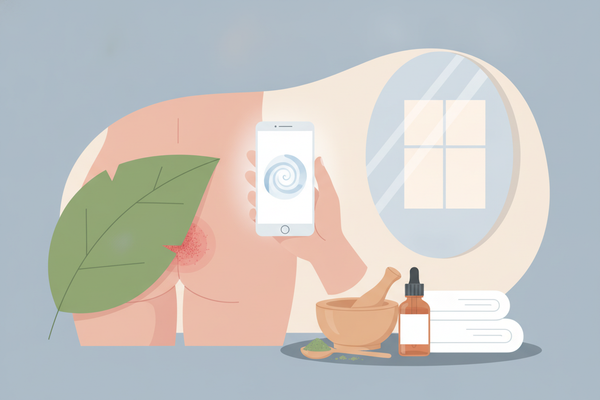
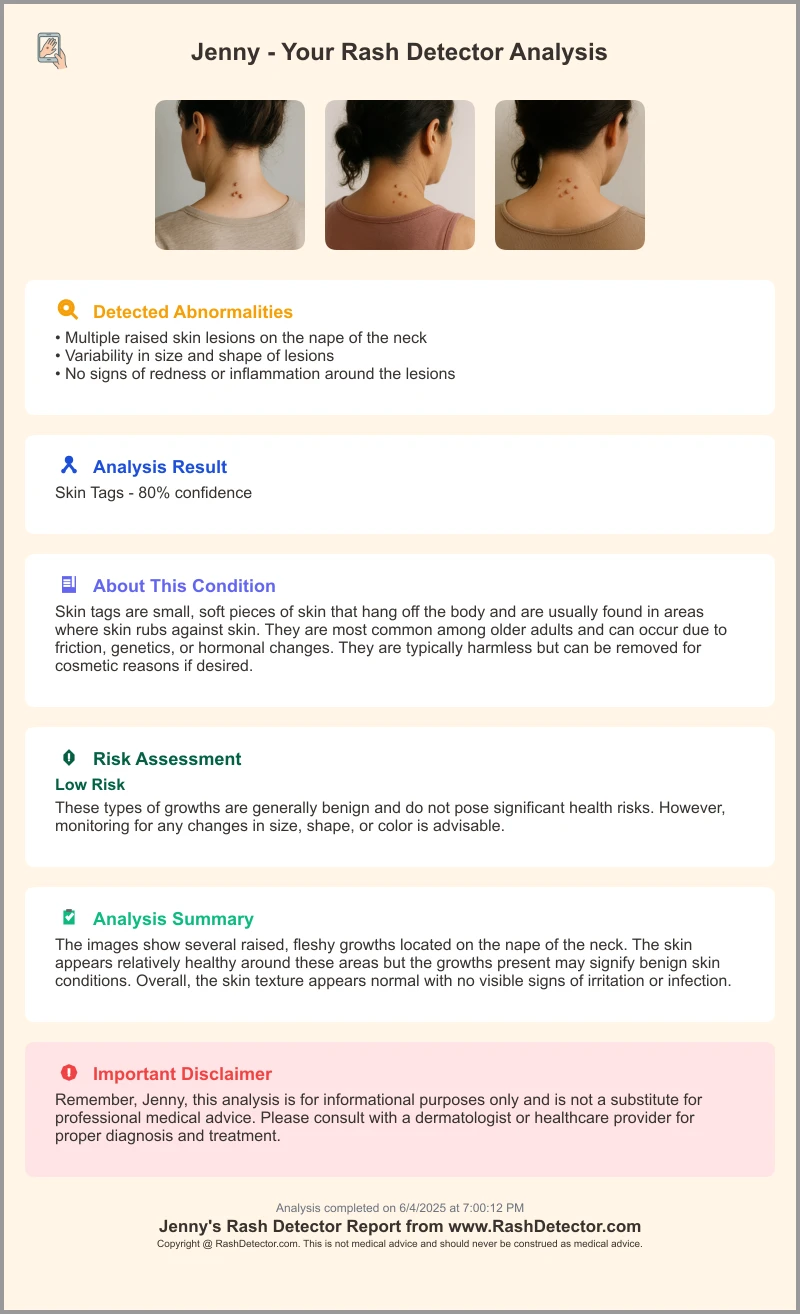
Users seeking instant, image-based analysis can try Rash Detector, an AI skin analysis app that delivers rapid insights.
1. Identifying Medication-Induced Rashes
1.1 Common Symptoms and Signs
- Red or pink spots or patches with intense itching or burning
- Raised bumps or hives (urticaria)
- Measles-like (morbilliform) eruption
- Swelling around eyes, lips, or face
- Warning signs: blistering, peeling skin, mucosal sores, fever, or malaise
Recognizing these features ensures prompt management before complications occur.
1.2 Distinguishing Between Rash Types
- Allergic urticaria: sudden wheals and itching
- Delayed maculopapular eruption: diffuse red spots days after drug initiation
- Severe cutaneous adverse reactions (SCARs):
- Stevens–Johnson syndrome: widespread blistering, mucosal involvement
- Toxic epidermal necrolysis: extensive skin detachment
- DRESS: rash with fever and organ involvement
Pattern recognition guides urgency and treatment intensity.
1.3 Documenting and Monitoring Progression
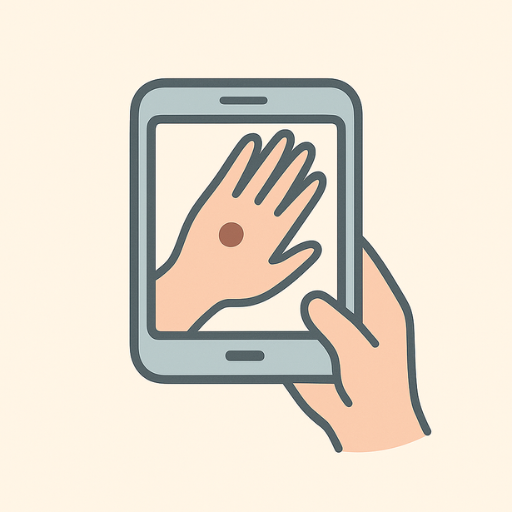
- Photography: daily images in consistent lighting
- Timeline: note medication start, dose changes, rash onset
- Symptom log: track itch intensity, pain, swelling, fever
- Drug list: prescriptions, OTC meds, supplements
Detailed records help clinicians identify the offending agent quickly.
2. Common Causes and Risk Factors
2.1 Medications Frequently Implicated
- Antibiotics: penicillins, sulfonamides
- Anticonvulsants: carbamazepine, lamotrigine
- Allopurinol, NSAIDs, antiretrovirals, chemotherapy
- OTC supplements and herbal products
2.2 Patient Risk Factors
- Previous drug allergies or rashes
- Genetic predispositions (HLA variants)
- Polypharmacy and interactions
- Concurrent viral infections
- High or rapidly escalated doses
2.3 Brief Case Examples
Case 1: Urticaria and lip swelling one hour after antibiotic—treated with epinephrine, IV steroids, then switched drug.
Case 2: Morbilliform rash and low-grade fever 10 days post-anticonvulsant—biopsy confirmed, switched therapy, short-course steroids.
3. Step-by-Step Approach to Medication Rash Treatment
3.1 Immediate Actions Upon Suspicion
- Stay calm; not every rash is severe
- Contact your healthcare provider promptly
- Document onset and progression
- Emergency signs: breathing difficulty, rapid spread, blistering, high fever
3.2 When to Consult a Healthcare Professional
- Worsening or persistent rash
- Interference with daily activities
- No improvement with OTC measures
- Use of high-risk medications
3.3 Medication Discontinuation: Clinician-Guided Only
- Abruptly stopping essential drugs can be dangerous
- Providers weigh risks vs. benefits before discontinuation
- Alternatives or dose adjustments may allow safe continuation
4. Medical and Over-the-Counter Options
4.1 Professional Treatments
- Oral antihistamines: diphenhydramine, cetirizine
- Topical corticosteroids: hydrocortisone 1%
- Systemic corticosteroids: prednisone
- Epinephrine for anaphylaxis
- Hospital care: IV fluids, immunosuppressives, infection control
4.2 OTC Remedies: Pros and Cons
- Oral antihistamines: itch relief vs. drowsiness
- Hydrocortisone cream: mild inflammation vs. skin thinning
- Soothing measures: cool compresses, fragrance-free moisturizers
4.3 Safe Use Instructions
- Follow label directions; avoid combining without advice
- Avoid potent steroids on sensitive areas long-term
- Stop OTC care if no improvement in 48–72 hours
5. Diagnostic Procedures and Professional Guidance
5.1 How Doctors Diagnose Drug Rashes
- Medication history review
- Physical exam of rash morphology and distribution
- Skin biopsy for unclear or severe cases
- Lab tests: CBC, liver/renal panels
5.2 Roles of Specialists
- Primary care: initial evaluation and referrals
- Dermatologists: advanced skin assessment and biopsies
- Allergists: drug allergy testing and alternatives
5.3 Preparing for a Medical Consultation
- Complete list of medications and dates
- Photographs of rash evolution
- Notes on systemic symptoms
- History of prior drug reactions
6. Prevention and Long-Term Management
6.1 Strategies to Prevent Future Rashes
- Document allergies in records; wear alert bracelets
- Consider allergist-performed testing for high-risk drugs
- Inform all providers and pharmacists of sensitivities
- Avoid re-exposure and cross-reactive compounds
6.2 Working with Healthcare Providers for Recurrent Rashes
- Develop an action plan: stop rules, emergency steps
- Carry necessary medications, e.g., epinephrine auto-injector
- Monitor early when starting new drugs
6.3 Alternative Options and Personalized Plans
- Explore lower-risk agents within the same class
- Desensitization protocols for essential drugs
- Use genetics and history to tailor long-term care
Conclusion
Early recognition, thorough documentation, clinician-guided discontinuation, appropriate symptom relief, and specialist involvement form the pillars of effective medication rash treatment. Proactive prevention and clear communication ensure most drug rashes resolve safely and reduce future risks.
FAQ
- Q: When should I stop a medication on my own?
A: Never discontinue essential drugs without consulting your provider. Seek professional guidance to weigh risks and benefits. - Q: Can I use hydrocortisone on my face?
A: Use only low-strength hydrocortisone short-term on the face, and under clinician advice to avoid thinning. - Q: How long until a drug rash clears?
A: Mild rashes often improve in days after stopping the culprit; severe reactions may require weeks and specialist care.