Medication Rash Treatment: A Comprehensive Guide to Recognizing, Managing, and Preventing Drug-Induced Skin Reactions
Discover effective strategies for medication rash treatment, prevention, and management, ensuring prompt identification of drug-induced skin reactions.

Estimated reading time: 8 minutes
Key Takeaways
- Prompt recognition of drug-induced rashes prevents progression to severe reactions.
- Common triggers include antibiotics, NSAIDs, antiseizure and blood pressure medications.
- Management involves stopping the offending agent, antihistamines, corticosteroids, and soothing home remedies.
- Prevention relies on thorough documentation, clear communication, and allergy testing.
- Tools like Rash Detector aid in monitoring rash evolution.
Table of Contents
- Understanding Medication-Induced Rashes
- Recognizing the Symptoms
- Diagnosis & When to Seek Help
- Treatment Options
- Prevention Strategies
- Frequently Asked Questions
Understanding Medication-Induced Rashes
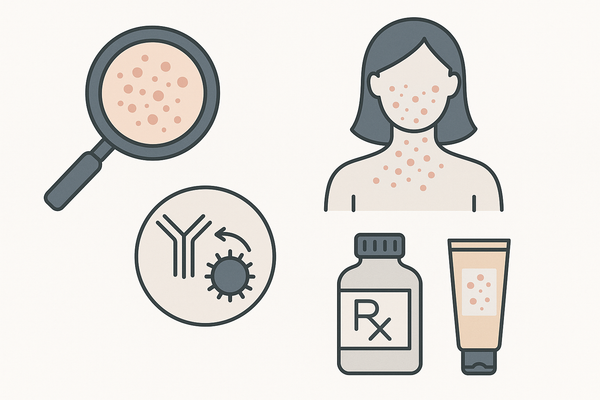
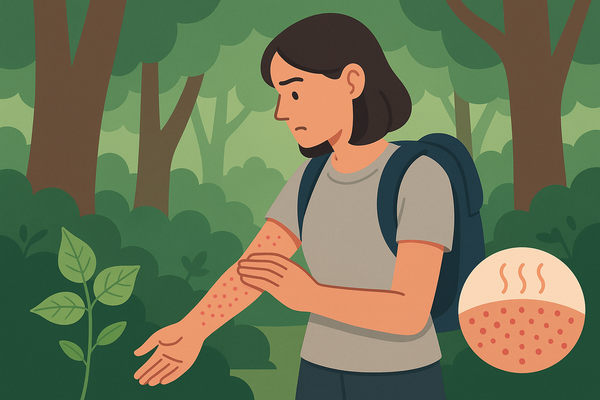
Medication-induced rashes—also known as drug eruptions—occur when the body mounts an adverse reaction to a new prescription, OTC drug, supplement or herbal remedy. They can appear immediately, days, or even weeks after starting the medication.
- Common Triggers: Antibiotics (penicillins, sulfonamides), NSAIDs (ibuprofen, naproxen), antiseizure drugs (lamotrigine, carbamazepine), ACE inhibitors, supplements and herbal remedies.
- Underlying Mechanisms: IgE-mediated allergic reactions (urticaria), Type IV delayed hypersensitivity (maculopapular exanthems), photosensitivity (drug + UV light), dose-dependent toxicity, and idiosyncratic drug interactions.
Recognizing the Symptoms
Early identification of a drug eruption can minimize discomfort and prevent escalation.
- Erythema: Diffuse, bright redness.
- Urticaria (Hives): Raised, itchy welts that blanch under pressure.
- Maculopapular Eruptions: Flat or slightly raised red patches with small bumps.
- Pruritus: Intense, persistent itching.
- Edema: Localized swelling around the rash.
- Vesicles/Blisters: Fluid-filled lesions.
Timing of Onset
- Immediate: Minutes to hours (allergic).
- Delayed: Days to weeks (hypersensitivity or exanthematous reactions).
Mild vs. Serious Reactions
- Mild: Localized rash, mild itching, resolves within 1–2 weeks after stopping the drug.
- Serious: Widespread rash with fever, mucosal involvement, target lesions, blistering or breathing difficulty—possible Stevens-Johnson syndrome or toxic epidermal necrolysis.
Monitoring Severity
- Take daily photos under consistent lighting.
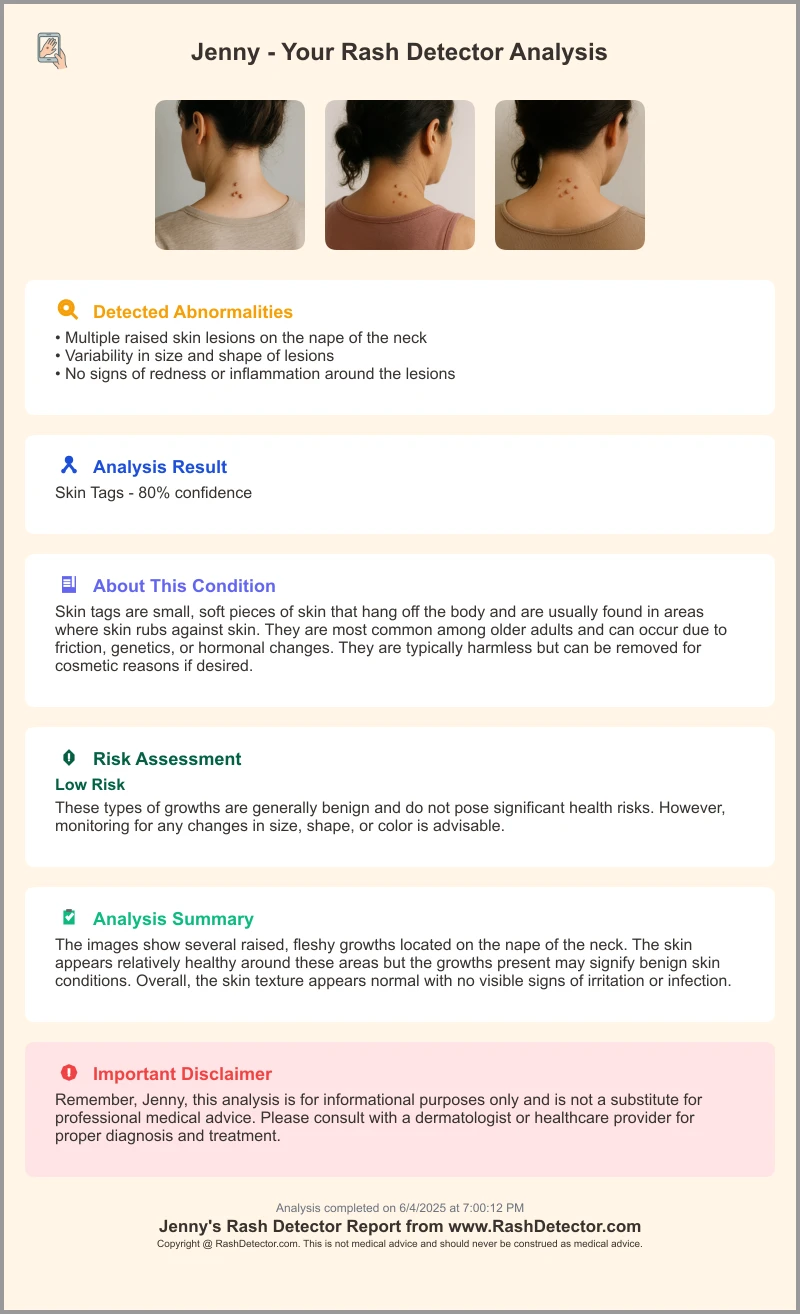
- Log symptom progression, joint pain or fever with an app like Rash Detector.
- Note changes in size, color or associated symptoms.
For a sample report, see the screenshot below:
Diagnosis & When to Seek Help
Stop non-essential medications at the first sign of a rash and contact your healthcare provider. Early intervention can prevent severe complications.
- Prepare for Evaluation: Compile a full medication history (prescription, OTC, supplements), dosages and start dates. Document rash details (onset, progression, location) with clear photos.
- Healthcare Role: Providers will review your history, substitute or discontinue the suspect drug, and may perform tests (skin biopsy, patch testing, blood counts).
Providing a detailed symptom log and high-resolution images accelerates accurate diagnosis and safer treatment planning. For more on how to identify and manage these reactions, see our complete guide to medication rash treatment.
Treatment Options
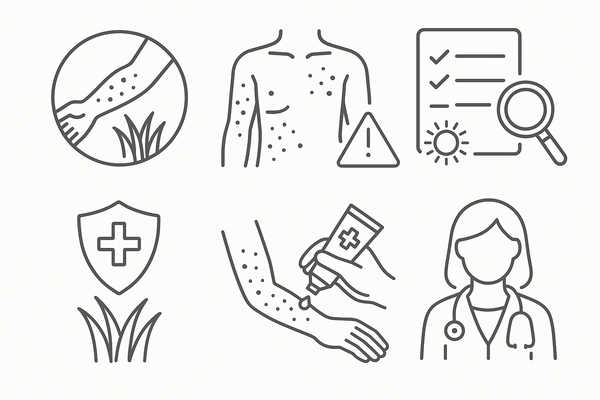
The cornerstone of therapy is discontinuing the offending drug under medical supervision, followed by supportive care tailored to severity. For a comprehensive overview of identification, management, and prevention, refer to our comprehensive guide to drug-induced rash treatment.
Over-the-Counter Remedies
- Oral antihistamines (loratadine, cetirizine) for itching and hives.
- 1% hydrocortisone cream to reduce mild inflammation.
Prescription Treatments
- Short-course oral corticosteroids (prednisone) for moderate to severe eruptions.
- Potent topical steroids (clobetasol) or immunomodulators (tacrolimus) for persistent rashes.
Home Care Strategies
- Cool compresses (15–20 minutes, 2–3 times daily).
- Oatmeal baths using colloidal oatmeal for soothing relief.
- Fragrance-free, petrolatum-based moisturizers to restore the skin barrier.
- Avoid scratching, tight clothing and excessive sun; use SPF 30+ sunscreen.
Alternative & Supportive Measures
- Drug desensitization protocols under allergist supervision when essential.
- Switch to non–cross-reactive alternatives (e.g., a different antibiotic class).
- Calamine lotion or compounded creams from a compounding pharmacy.
Prevention Strategies
Avoidance
- Record drug allergies in all medical records; wear a medical alert bracelet listing the culprit medication.
- Discuss brand vs. generic formulations—excipients can trigger reactions.
Communication Tips
- Inform every provider (dentists, pharmacists, specialists) about past drug reactions.
- Request formal allergy testing or supervised challenge when appropriate.
Recurrence Action Plan
- Discontinue the suspected drug immediately if a rash reappears.
- Seek rapid evaluation via telemedicine or in-person if symptoms worsen.
- Maintain detailed logs (photos, notes) to expedite future care and prevent delays. For additional prevention strategies, see our guide to effective medication rash treatment.
FAQ
What should I do if I suspect a drug-induced rash?
Stop the medication if it’s safe and contact your healthcare provider for evaluation.
How can I tell if a rash is serious?
Look for fever, blistering, mucosal involvement or rapid spread—these signs warrant immediate medical attention.
Are antihistamines enough to treat all drug rashes?
Mild hives may respond to antihistamines, but more severe eruptions often require corticosteroids or specialist care.
How can I prevent future reactions?
Keep a detailed allergy record, communicate with all providers, consider allergy testing, and use non–cross-reactive alternatives when possible.