Medication Rash Treatment: A Comprehensive Guide to Identifying and Managing Drug-Induced Skin Reactions
Learn about medication rash treatment, including identifying drug-induced skin reactions and effective management strategies to ensure safety.
Estimated reading time: 6 minutes
Key Takeaways
- Prompt recognition of medication-induced rashes is crucial to prevent serious complications.
- Common triggers include antibiotics, NSAIDs, anticonvulsants and herbal supplements.
- Diagnosis relies on clinical evaluation, patient history and, in severe cases, biopsy or lab tests.
- Treatment involves discontinuing the offending drug and supportive care with antihistamines or corticosteroids.
- Long-term management focuses on prevention, patient education and careful follow-up.
Table of Contents
- Introduction
- Understanding Medication-Induced Rashes
- Signs and Symptoms of Medication Rashes
- Diagnosis and Medical Evaluation
- Medication Rash Treatment Options
- Prevention and Risk Management
- Follow-Up and Aftercare
- Conclusion
- Additional Resources
Introduction
A medication-induced rash (drug eruption) arises from prescription, over-the-counter or herbal medicines. While many are mild and self-limited, others can escalate to Stevens-Johnson syndrome (SJS) or toxic epidermal necrolysis (TEN), which may involve internal organs. Early recognition mitigates serious outcomes. For more on spotting key features early, see Identifying and Managing Drug-Induced Rash Symptoms.
Understanding Medication-Induced Rashes
Medication-induced rashes, or drug eruptions, represent a spectrum from mild, self-limited eruptions to severe reactions like Stevens-Johnson syndrome (SJS) and toxic epidermal necrolysis (TEN). Common culprits include antibiotics, NSAIDs and anticonvulsants. Genetic predisposition, dose and duration of therapy influence risk.
Signs and Symptoms of Medication Rashes
Early detection hinges on recognizing patterns such as:
- Morbiliform rash: Widespread, red maculopapular lesions.
- Urticaria: Itchy wheals that migrate.
- Fixed drug eruptions: Localized round or oval patches.
- Severe reactions: Mucosal involvement, blisters, fever.
Diagnosis and Medical Evaluation
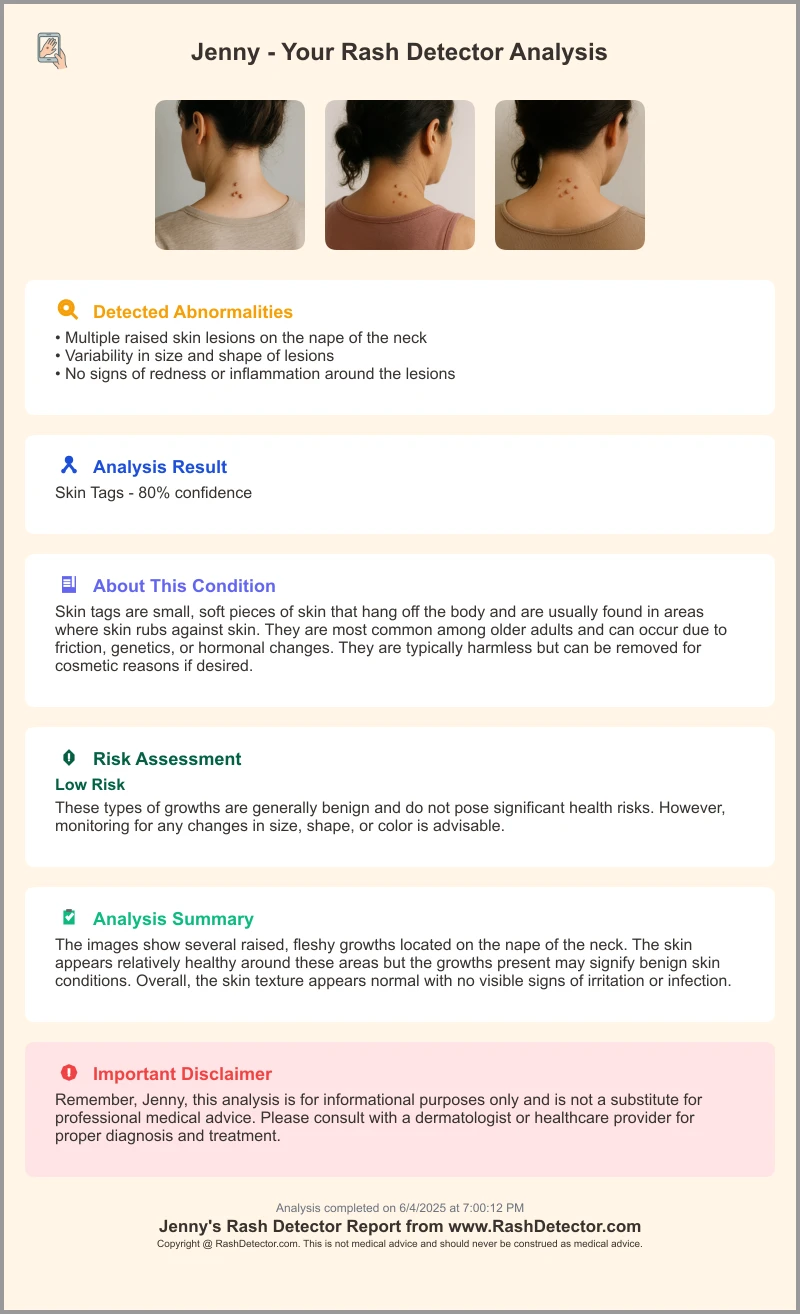
A thorough history and physical exam are the cornerstones. Note timing relative to drug initiation. Laboratory tests and skin biopsy may be warranted for atypical or severe cases. You can also run quick skin assessments using the Rash Detector AI skin analysis app. Upload images and get an instant AI-generated report to guide your next steps:
Medication Rash Treatment Options
Treatment follows a two-step approach:
- Discontinue the offending agent: Safely stop or switch the drug under medical supervision.
- Symptomatic relief: Use antihistamines, topical steroids or systemic corticosteroids for severe cases.
Prevention and Risk Management
Prevent recurrences by:
- Maintaining an accurate drug allergy list.
- Considering alternatives in high-risk individuals.
- Employing desensitization protocols when necessary.
For general rash soothing methods, see Red Itchy Rash: How to Identify and Treat Common Skin Rashes.
Follow-Up and Aftercare
Ensure resolution and plan future care:
- Monitor for delayed reactions.
- Educate patients on signs to watch.
- Document the reaction in medical records.
For strategies on preventing future drug allergy rashes, check out Managing Drug Allergy Rash: A Comprehensive Guide.
Conclusion
Medication-induced rashes vary from benign to life-threatening. Early recognition, proper discontinuation of the drug and tailored therapy—ranging from OTC antihistamines to hospital-based interventions—are essential. Patient education and meticulous follow-up guard against future reactions and ensure safer prescribing.
コスプレ関連の商品を選ぶ際は、用途、サイズ、素材、付属品を順番に確認すると比較しやすくなります。用途に合う候補を整理するときは、甘露寺蜜璃 コスプレで商品内容を見比べられます。複数の商品を比較し、自分の用途、予算、使用環境に合うものを選ぶことが大切です。
Additional Resources
- Merck Manual: “Drug Rashes”
- Johns Hopkins Medicine: “Drug Rashes”
- Harvard Health Blog: “When Is a Drug Rash More Than Just a Rash?”
- NYU Langone: “Medication for Drug Reactions/Hives”
- Children’s National Health: “Drug Rashes”
- Mayo Clinic: Contact Dermatitis Diagnosis & Treatment
FAQ
- What causes medication-induced rashes? These rashes are immune-mediated responses to drug antigens, with triggers including antibiotics, NSAIDs and anticonvulsants.
- How soon do drug rashes appear? Most appear within 1–2 weeks of starting a new medication but can be delayed.
- When is a rash an emergency? Seek immediate care if you have fever, mucosal lesions, blisters or signs of Stevens-Johnson syndrome/TEN.
- Can I restart the medication after a rash? Only under medical supervision, with possible desensitization or alternative therapies.