Medication Rash Treatment: Identification, Diagnosis & Management Guide
Explore effective medication rash treatment strategies including diagnosis, management, and prevention. Learn to identify and handle various drug-induced skin reactions safely.
Estimated reading time: 8 minutes
Key Takeaways
- Early recognition of rash timing, pattern, and systemic symptoms guides urgency.
- Discontinue the culprit drug promptly under medical supervision to prevent escalation.
- Manage mild rashes with OTC antihistamines, hydrocortisone cream, and gentle skin care.
- Escalate care for severe reactions with systemic steroids, immunomodulators, or emergency interventions.
- Prevent future reactions through accurate documentation, clear communication, and allergist evaluation.
Table of Contents
- 1. Understanding Medication Rashes
- 2. Identifying a Medication Rash
- 3. Diagnosis & When to Seek Professional Help
- 4. Medication Rash Treatment Options
- 5. Prevention & Post-Treatment Care
- 6. Conclusion
1. Understanding Medication Rashes
A medication-induced rash is any visible skin or mucosal change caused by a drug. It may be:
- Immune-mediated (allergic hypersensitivity)
• Drug acts as an antigen or hapten, triggering T-cell or antibody-mediated inflammation
• Involves histamine release, cytokines, and vascular permeability changes - Non-immune (direct drug effect)
• Direct irritation of skin cells
• Pigment alterations (hyperpigmentation or hypopigmentation)
• Photosensitivity (UV-dependent damage)
• Vascular reactions (vasodilation, purpura)
Timing patterns:
- Immediate: minutes to hours (e.g., urticaria, anaphylaxis)
- Delayed: days to weeks (e.g., morbilliform rash, DRESS)
- Post-discontinuation: some syndromes worsen after stopping the drug
Common rash types:
- Hives (urticaria): itchy, raised wheals; triggers include penicillins, NSAIDs.
- Morbilliform eruptions: red macules and papules; onset 4–14 days; triggered by sulfonamides, penicillins.
- Fixed drug eruption: round purple spots recurring at the same site; antibiotics, NSAIDs.
- Acneiform rash: papules and pustules; linked to corticosteroids, anti-epileptics.
- Exfoliative dermatitis: widespread redness and scaling; often requires hospitalization.
- Photosensitivity: sunburn-like on UV-exposed skin; tetracyclines, fluoroquinolones are common triggers.
- Severe cutaneous adverse reactions (SCARs): emergencies like SJS/TEN and DRESS.
2. Identifying a Medication Rash
Signs and symptoms:
- Erythema or pink/purple macules and papules
- Itching, burning, stinging, or tenderness
- Swelling of skin, lips, or eyelids
- Hives or fluid-filled blisters
- Peeling or scaling skin
- Mucosal involvement: mouth ulcers, red eyes, genital sores
Warning signs:
- Fever > 38.5 °C, chills, malaise
- Facial or tongue swelling (angioedema)
- Respiratory distress or wheezing
- Enlarged lymph nodes, joint pains
- Dark urine, abdominal pain, jaundice
Checklist for differentiation:
- Timing relative to drug start or dose change
- Rash distribution: symmetric vs. localized
- Systemic symptoms (fever, malaise)
- Exclude other causes: new soaps, infections, foods
For a deeper dive into symptom recognition, see the Identifying Drug-Induced Rash Symptoms resource.
3. Diagnosis & When to Seek Professional Help
Clinical approach:
- Medication history: prescription, OTC, herbal drugs, supplements; start/stop dates; past reactions
- Physical exam: lesion morphology, distribution, mucosal involvement, lymph nodes
- Laboratory tests: CBC, liver/kidney panels, CRP, ESR
- Skin biopsy: confirms unclear or severe cases (e.g., SJS/TEN)
- Allergy testing: penicillin skin tests or supervised challenges
Emergency care criteria:
- Anaphylaxis with respiratory distress → intramuscular epinephrine
- Rapidly spreading blisters or sheet-like peeling (SJS/TEN)
- Mucosal ulcers with high fever or severe malaise
- New dark urine, abdominal pain, jaundice
For advanced management strategies, visit the Managing Drug Allergy Rash guide.
4. Medication Rash Treatment Options
Core principle: Promptly discontinue the culprit drug under medical guidance. Rashes often improve within days to two weeks after cessation.
OTC therapies for mild rashes
- Oral antihistamines: cetirizine, loratadine, fexofenadine; diphenhydramine at night
- Topical hydrocortisone 1% cream, applied 1–2 times daily
- Cool compresses or colloidal oatmeal baths; hypoallergenic moisturizers
- Acetaminophen for pain or fever (check contraindications)
Prescription interventions for moderate to severe rashes
- Potent topical steroids: triamcinolone, betamethasone, clobetasol
- Systemic corticosteroids (prednisone taper; extended for DRESS)
- High-dose or combination antihistamines for refractory urticaria
- Hospital-level care: IV steroids, IVIG, cyclosporine in SJS/TEN
- Intramuscular epinephrine for anaphylaxis
5. Prevention & Post-Treatment Care
Prevention strategies
- Maintain an accurate medication and allergy record
- Share your history with all healthcare providers
- Use medical alert identification for severe allergies
- Review new prescriptions for cross-reactivity
- Consider allergy testing (e.g., penicillin skin tests)
- Extra monitoring for high-risk drugs like anticonvulsants and sulfa drugs
Monitoring and follow-up
- Expect rash resolution within two weeks of drug cessation; re-evaluate if it worsens
- Periodic labs after severe reactions; specialist follow-up for SCARs
Documentation best practices
- Obtain a written summary of the reaction and management plan
- Update your electronic health record allergy list
- Keep your personal record current with new medication experiences
6. Conclusion
Medication rash treatment hinges on prompt identification, cessation of the offending drug, and targeted therapies:
- Recognize signs: timing, rash pattern, systemic symptoms.
- Discontinue the culprit drug under medical supervision.
- Manage mild rashes with OTC antihistamines, hydrocortisone, and gentle care.
- Escalate for severe reactions: systemic steroids, immunomodulators, emergency care.
- Prevent future reactions via documentation, communication, and allergist evaluation.
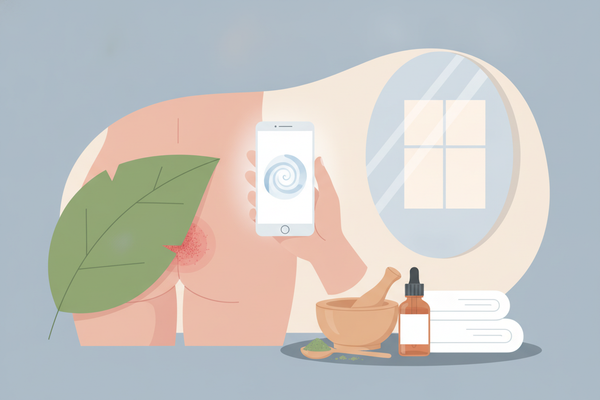
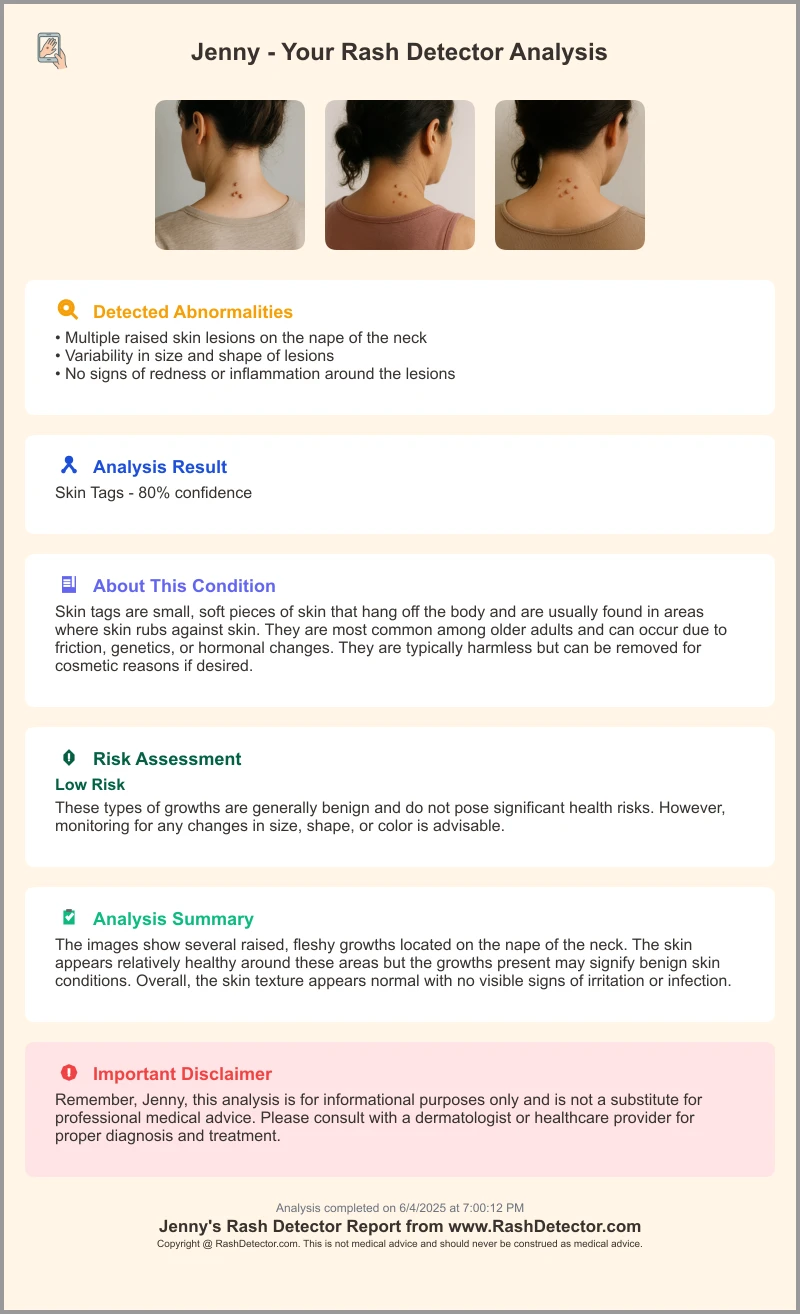
For a quick AI-powered preliminary assessment of a suspected drug rash, try the Rash Detector Skin Analysis App to upload images and receive instant insights.
FAQ
How can I tell if a rash is medication-related?
Assess the timing relative to drug initiation or dose changes, observe the rash pattern, and look for systemic symptoms like fever or malaise. When in doubt, consult a healthcare professional.
Are mild medication rashes treatable at home?
Yes. Use OTC antihistamines, 1% hydrocortisone cream, cool compresses, and hypoallergenic moisturizers. Seek medical advice if symptoms worsen or persist beyond two weeks.
When should I seek emergency care for a rash?
If you experience difficulty breathing, rapid blistering or peeling (possible SJS/TEN), high fever with mucosal involvement, or signs of organ involvement (jaundice, dark urine), go to the emergency department immediately.
シューズを通販で探すときは、商品ごとの実寸と普段履く靴のサイズを照らし合わせましょう。条件に合う選択肢を探す際は、コスプレ靴 サイズを手掛かりに内容を確認できます。長時間使用する場合は、中敷きや滑り止めも準備し、足への負担を減らすことが大切です。
How can I prevent future drug rashes?
Keep an up-to-date list of medications and allergies, share it with all providers, consider allergy testing, and use medical alert identification if you have severe reactions.