Folliculitis Journey: How to Identify, Treat, and Prevent It
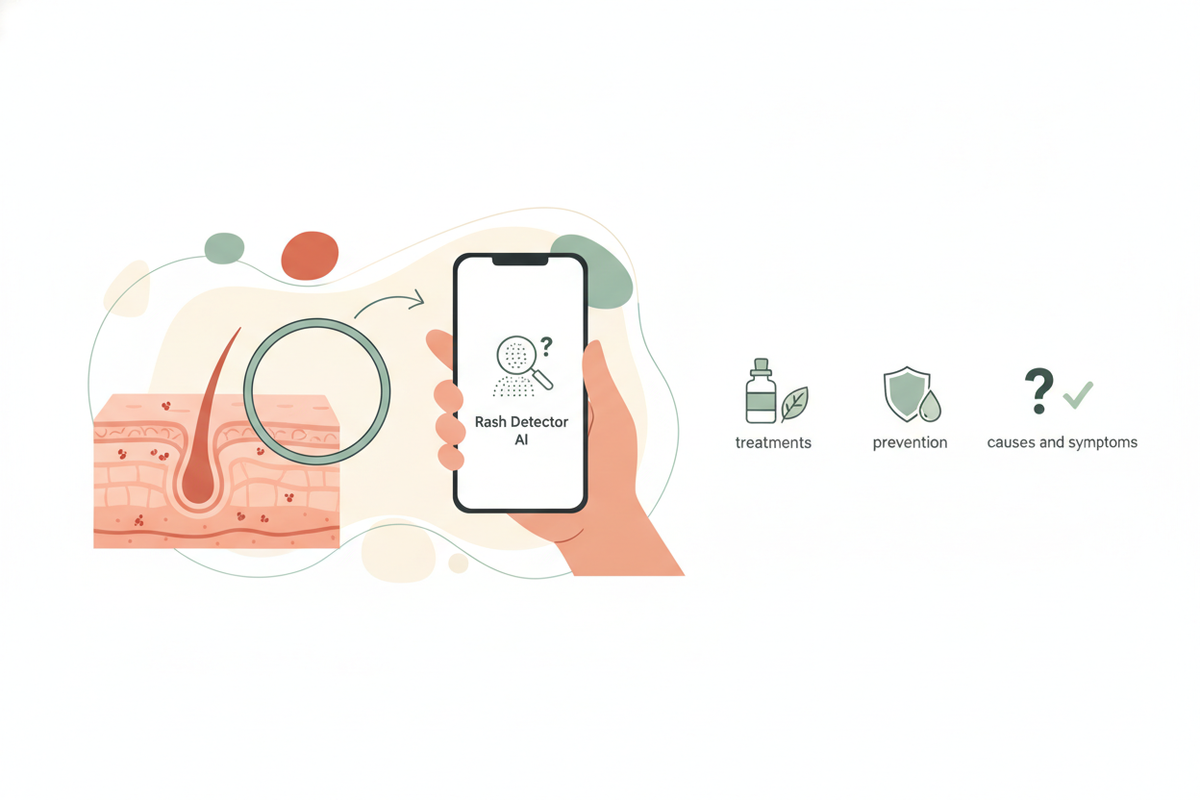
Explore the folliculitis journey with causes, symptoms, treatments, and prevention tips. Check your rash now with AI using Rash Detector.

Estimated reading time: 15 min
Key Takeaways
- Folliculitis is an inflammation of hair follicles often confused with acne or ingrown hairs, but it is caused primarily by infection or irritation of the follicle.
- Common causes include bacterial infections (especially Staphylococcus aureus), fungal infections, shaving irritation, friction from clothing, and exposure to contaminated hot tubs or pools.
- Symptoms range from small red bumps and pustules to itching, tenderness, and sometimes painful swelling; folliculitis can recur and may become chronic if untreated.
- Home care involves gentle cleansing routines, applying warm compresses to soothe inflammation, and avoiding shaving or scratching to prevent worsening.
- Medical treatments may include topical or oral antibiotics for bacterial infections, antifungal medications for fungal causes, and antiparasitic drugs for rare parasitic folliculitis.
- Effective prevention includes maintaining good personal hygiene, using clean razors, wearing loose breathable clothing, avoiding sharing personal items, and ensuring hot tubs or pools are properly maintained.
- Seek medical advice when folliculitis is severe, rapidly spreading, recurrent despite treatment, or causing scarring, hair loss, or systemic symptoms.
Table of Contents
- Section 1: Understanding Folliculitis and Its Differences
- Section 2: Causes and Triggers of Folliculitis
- Section 3: Types of Folliculitis You Should Know
- Section 4: Recognizing Symptoms and Visual Signs
- Section 5: Home Care and Self-Care Strategies
- Section 6: Medical Treatments for Folliculitis
- Section 7: Preventing Folliculitis Effectively
- Section 8: When to See a Doctor
- Conclusion
- FAQ
Section 1: Understanding Folliculitis and Its Differences
What is Folliculitis?
Folliculitis is an inflammation or infection of the hair follicles—the small openings in the skin where each hair grows. When these follicles become irritated or infected, they swell and form small red bumps or pustules. This condition can affect any hair-bearing area of the body including the scalp, face, neck, chest, back, buttocks, and legs. The severity can range from mild, localized irritation to widespread outbreaks that cause discomfort and potential scarring.
Folliculitis occurs when the hair follicle’s natural barrier is breached, allowing microorganisms such as bacteria, fungi, or parasites to invade. The immune system reacts by causing inflammation, redness, and sometimes pus formation. The pattern of the bumps typically follows the distribution of hair follicles, distinguishing it from other skin conditions.
How Folliculitis Differs from Acne and Ingrown Hairs
Because folliculitis often presents with red bumps or pustules, it’s frequently mistaken for acne or ingrown hairs. However, the underlying causes and treatments differ significantly:
- Folliculitis: Primarily caused by infection or irritation of the hair follicle, often due to bacteria like Staphylococcus aureus, fungi, or parasites. The bumps are centered precisely on hair follicles and can be itchy or painful.
- Acne: Develops from clogged sebaceous (oil) glands combined with bacteria and inflammation. Acne lesions include blackheads, whiteheads, papules, pustules, and cysts, often larger and more widespread than folliculitis bumps.
- Ingrown hairs: Occur when a hair curls back or grows sideways into the skin, causing localized irritation and sometimes a single red bump. There is usually no infection involved unless secondary bacterial invasion occurs.
Recognizing these differences matters because treatments vary. For example, acne treatments like retinoids or benzoyl peroxide may irritate folliculitis, while folliculitis caused by infection may require antimicrobial therapy. Misdiagnosis can delay effective treatment and increase the risk of complications such as scarring.
Modern tools such as Rash Detector utilize AI to analyze images of skin conditions, helping users differentiate folliculitis from acne or ingrown hairs with greater accuracy, especially when clinical diagnosis is uncertain.
Section 2: Causes and Triggers of Folliculitis
Bacterial Infections
Bacterial infection, particularly with Staphylococcus aureus, is a common cause of folliculitis. These bacteria are commonly found on the skin and can invade follicles when there is a break in the skin barrier—such as from minor cuts, abrasions, shaving nicks, or friction. Once inside the follicle, bacteria multiply and trigger an inflammatory response, resulting in pustules filled with pus.
Other bacteria, including Pseudomonas aeruginosa, can cause folliculitis especially in specific contexts like hot tub exposure (see Hot Tub Folliculitis below). The severity depends on the bacterial strain and host immunity. In some cases, methicillin-resistant Staphylococcus aureus (MRSA) can cause more difficult-to-treat infections.
Fungal and Yeast Infections
Fungi and yeasts like Malassezia species can invade hair follicles, particularly in warm, moist areas such as the scalp, groin, and underarms. Fungal folliculitis may cause persistent itchy pustules that do not respond to antibiotics. This type often requires antifungal treatments like topical ketoconazole or oral antifungals depending on severity.
For example, Malassezia folliculitis is more common in tropical climates or in people using immunosuppressive medications. It tends to present as itchy, uniform red bumps on the chest and back.
Physical Triggers: Shaving, Friction, and Hot Tubs
- Shaving: Shaving can cause micro-trauma to the skin and follicles, creating entry points for bacteria. Using dull razors, shaving against the grain, or shaving without proper skin preparation may increase risk. Ingrown hairs caused by shaving also predispose to folliculitis.
- Friction: Constant rubbing from tight clothing, sports equipment, or repetitive motion can irritate follicles. For example, athletes or people wearing tight synthetic fabrics may develop folliculitis in affected areas.
- Hot tub folliculitis: This condition is caused by Pseudomonas aeruginosa, a bacterium that thrives in inadequately chlorinated or heated water. It can cause itchy red pustules within 1-2 days of exposure, often on covered areas such as the trunk and buttocks.
Other Factors
Additional triggers include:
- Excessive sweating: Sweat can promote bacterial growth and clog follicles, especially in hot climates or during exercise.
- Oily skin products: Heavy creams and oils can block follicles, increasing susceptibility to infection.
- Immunosuppression: People with diabetes, HIV, cancer, or those on immunosuppressive medications may be more prone to persistent or severe folliculitis.
- Medications: Antibiotics can sometimes disrupt normal skin flora, potentially leading to resistant infections like gram-negative folliculitis.
- Underlying skin conditions: Conditions like eczema or dermatitis can compromise the skin barrier and increase risk.
Section 3: Types of Folliculitis You Should Know
Scalp Folliculitis
Scalp folliculitis is common and usually manifests as small red bumps or pustules accompanied by itching or tenderness. It can be mistaken for dandruff or seborrheic dermatitis. If severe or untreated, scalp folliculitis may cause temporary hair thinning or patchy hair loss due to inflammation damaging the follicles. Causes include bacterial infection, fungal invasion, or irritation from hair products.
Treatment typically involves antibacterial or antifungal shampoos and topical medications. Maintaining scalp hygiene and avoiding harsh hair products can help prevent recurrence.
Beard Folliculitis
This form primarily affects men who shave regularly. Razor irritation can cause follicular inflammation leading to red, inflamed bumps in the beard or neck area, sometimes painful or itchy. This condition is sometimes called pseudofolliculitis barbae when ingrown hairs are also involved.
Proper shaving techniques — such as using a sharp razor, shaving in the direction of hair growth, and applying soothing aftershave products — can reduce risk. In persistent cases, topical antibiotics or retinoids may be prescribed.
Hot Tub Folliculitis
Hot tub folliculitis develops following exposure to contaminated water containing Pseudomonas aeruginosa. It typically appears as itchy, red pustules 1-4 days after exposure, often on areas covered by swimwear. The condition often resolves within 7-10 days without treatment, but symptomatic relief with cool compresses or antihistamines may be helpful.
To help prevent hot tub folliculitis, ensure hot tubs and pools are properly chlorinated and cleaned regularly.
Gram-Negative Folliculitis
This form can arise as a complication of long-term antibiotic therapy for acne, which can alter normal skin flora and allow gram-negative bacteria like Klebsiella, Enterobacter, or E. coli to infect follicles. It presents as clusters of pustules or nodules, often on the face.
Gram-negative folliculitis may require different oral antibiotics such as ciprofloxacin, and often benefits from specialist management.
Folliculitis Decalvans
A rare, chronic, scarring folliculitis that primarily affects the scalp, leading to permanent hair loss in affected areas. It is characterized by recurrent pustules, crusting, and scarring alopecia. The exact cause is unclear but may involve bacterial infection and immune dysfunction.
Early diagnosis and treatment by a dermatologist are important to slow progression. Treatments may include prolonged antibiotics, corticosteroids, or other immunomodulatory therapies.
Section 4: Recognizing Symptoms and Visual Signs
Typical Signs of Folliculitis
- Clusters of small red bumps or pustules centered on hair follicles, usually less than 5 mm in diameter
- Itching or burning sensation, which can sometimes be intense
- Tenderness or localized pain, especially if follicles become deeply infected
- Possible crusting, oozing, or yellowish discharge if pustules rupture
- Recurrent outbreaks in the same region, sometimes worsening over time
- In some cases, swelling or formation of larger boil-like abscesses
How to Differentiate from Similar Conditions
Folliculitis lesions are characteristically small and grouped around hair follicles, whereas acne lesions vary in size, including larger nodules and cysts. Ingrown hairs typically present as single, isolated bumps containing a visible hair shaft beneath the skin surface.
Other conditions that can mimic folliculitis include eczema, contact dermatitis, and pityrosporum folliculitis (fungal). Careful observation of lesion distribution, symptoms, and history helps differentiation.
Visual Examples
Using AI-powered diagnostic apps like Rash Detector can assist in visual recognition. For example, this demonstrates a detailed analysis report where the app highlights folliculitis-specific features such as pustule clustering, follicular involvement, and lesion morphology, helping users understand their condition objectively.
Section 5: Home Care and Self-Care Strategies
Gentle Cleansing and Warm Compresses
Maintaining cleanliness is essential in managing folliculitis. Use mild, fragrance-free cleansers suitable for sensitive skin to wash affected areas twice daily. Avoid harsh scrubbing that can worsen irritation. Warm compresses applied for 15-20 minutes, 3-4 times daily, may help reduce inflammation and encourage drainage of pus from infected follicles, promoting healing.
For example, soak a clean cloth in warm water, wring out excess liquid, and gently apply it to affected skin. Ensure compresses are clean to avoid introducing new bacteria.
Avoid Scratching and Shaving
Scratching or picking at lesions can spread infection and increase risk of scarring. Keep nails trimmed and consider wearing soft gloves at night if itching is intense. Shaving should be avoided in affected areas until lesions heal. If shaving is necessary, use a sharp, clean razor, shave in the direction of hair growth, and apply moisturizing shaving creams to minimize follicular trauma.
Use Over-the-Counter Treatments
- Topical antibacterial washes containing chlorhexidine or benzoyl peroxide may reduce bacterial colonization. For example, a 5% benzoyl peroxide wash used once daily might decrease follicular bacteria.
- Anti-itch creams containing hydrocortisone or calamine lotion can alleviate discomfort but should be used sparingly and only for short durations to avoid skin thinning.
- Consult our Best Anti Itch Cream guide for product recommendations tailored to sensitive skin.
When to Seek Medical Advice
If symptoms worsen, spread beyond initial sites, become increasingly painful, or fail to improve after 5-7 days of home care, consult a healthcare provider. Early intervention can help prevent complications such as abscess formation or scarring.
Section 6: Medical Treatments for Folliculitis
Topical Antibiotics
For mild bacterial folliculitis, physicians may prescribe topical antibiotics such as mupirocin or clindamycin applied 2-3 times daily for 7-14 days. These agents target the bacteria directly in the follicles, reducing inflammation and promoting healing. Patients should apply a thin layer and avoid occlusive dressings unless advised.
Oral Antibiotics
In cases of extensive, recurrent, or resistant folliculitis, oral antibiotics may be necessary. Common choices include cephalexin (250-500 mg every 6 hours) or doxycycline (100 mg twice daily) over 7-14 days. The choice depends on bacterial susceptibility, patient allergies, and severity.
Close follow-up is important to monitor response and side effects. Prolonged courses may be indicated for chronic folliculitis or specific types like folliculitis decalvans.
Antifungals and Antiparasitics
Fungal folliculitis requires antifungal therapy such as topical ketoconazole cream applied twice daily or oral antifungals like fluconazole or itraconazole for several weeks. Treatment duration depends on clinical response.
Rare parasitic causes (e.g., Demodex folliculitis) may require antiparasitic agents like ivermectin under medical supervision.
Additional Medical Interventions
- Incision and drainage: Large abscesses or boils may require a minor surgical procedure to drain pus and relieve pressure.
- Laser hair removal: In chronic or recurrent folliculitis, reducing hair density via laser may decrease follicle infections and inflammation.
- Specialist referral: Patients with scarring, resistant infections, or unusual presentations benefit from dermatologist evaluation for tailored management and possible biopsy.
Section 7: Preventing Folliculitis Effectively
Maintain Good Hygiene
Regular cleansing with a gentle soap or antibacterial wash helps reduce bacterial colonization. It's important to shower promptly after sweating or exercising, as sweat promotes bacterial growth. Avoid hot water which can dry and irritate skin; lukewarm water is preferable.
Use Clean Razors and Avoid Sharing Personal Items
Change razors after 5-7 shaves to avoid dull blades that cause micro-injuries. Sanitize razors by rinsing with hot water or using rubbing alcohol. Sharing razors, towels, or clothing can spread infectious agents responsible for folliculitis; avoid sharing to reduce transmission risk.
Wear Loose, Breathable Clothing
Tight synthetic fabrics trap heat and moisture, increasing friction and bacterial growth. Choose loose-fitting clothes made from cotton or moisture-wicking materials to keep skin dry and reduce irritation.
Care with Hot Tubs and Pools
To help prevent hot tub folliculitis, ensure the water is well-chlorinated and the filtration system is maintained. Avoid prolonged immersion in hot tubs or pools with poor hygiene standards. Shower immediately after swimming to wash away contaminants.
Section 8: When to See a Doctor
Signs You Should Seek Medical Care
- Folliculitis that spreads rapidly, becomes increasingly painful, or forms large abscesses
- Recurrent outbreaks persisting despite consistent home care
- Development of scarring, hair loss, or signs of chronic folliculitis
- Associated systemic symptoms such as fever, chills, or malaise
Specialist Consultation
A dermatologist is best positioned to diagnose complex or atypical folliculitis cases. They can perform skin biopsies, cultures, or laboratory tests to identify causative organisms and recommend targeted treatments. For example, cases involving scarring alopecia or resistant infections often require specialist care.
Using Technology for Early Detection
Apps like Rash Detector enable users to upload rash images and receive AI-powered analysis within minutes. This technology may help identify folliculitis early, distinguish it from similar skin conditions, and guide timely medical consultation if needed. Tracking the rash's progress using such tools can also assist healthcare providers in treatment decisions.
Conclusion
Folliculitis is a common yet often misunderstood skin condition characterized by inflammation of hair follicles due to infection or irritation. Recognizing the condition accurately and understanding its causes, symptoms, and types is important for effective management and prevention.
While mild folliculitis often improves with home care practices like gentle cleansing, warm compresses, and avoiding shaving, persistent or severe cases may require medical treatments including topical or oral antibiotics, antifungals, or procedural interventions. Prevention through good hygiene, proper shaving habits, and avoiding known triggers like contaminated hot tubs plays a key role in reducing recurrences.
Utilizing innovative tools like Rash Detector can empower you to monitor your skin health and seek timely medical advice. Remember, if you experience severe, spreading, or recurrent folliculitis, or if you notice scarring or hair loss, consult a healthcare professional or dermatologist for accurate diagnosis and appropriate treatment to ensure safe and effective care.
FAQ
Q: What is the fastest way to get rid of folliculitis?
A: For mild folliculitis, the fastest approach includes maintaining gentle skin hygiene, applying warm compresses multiple times daily to reduce inflammation and promote drainage, avoiding shaving or irritating the area, and using over-the-counter antibacterial washes like benzoyl peroxide. Severe or persistent cases require medical evaluation and may need prescription topical or oral antibiotics.
Q: How long does folliculitis take to heal?
A: Mild folliculitis often improves within 7-10 days with proper care. However, more severe, deep, or recurrent folliculitis can take several weeks to fully resolve and might require medical treatment to prevent complications.
Q: Is folliculitis contagious?
A: Some forms of folliculitis caused by bacteria or fungi can spread through direct skin contact or sharing personal items like towels and razors. Maintaining good personal hygiene and avoiding sharing such items can reduce transmission risk.
Q: How do I know if it is folliculitis, acne, or an ingrown hair?
A: Folliculitis presents as small, clustered red or pus-filled bumps focused on hair follicles and often accompanied by itching or tenderness. Acne involves clogged pores with blackheads, whiteheads, or larger inflamed pimples. Ingrown hairs are usually isolated bumps with a visible trapped hair. Using diagnostic apps like Rash Detector can assist in distinguishing these conditions.
Q: What causes folliculitis to keep coming back?
A: Recurring folliculitis may be due to persistent triggers such as shaving irritation, tight clothing causing friction, poor hygiene, or untreated bacterial or fungal infections. Chronic skin conditions or resistant bacteria may also contribute. Medical evaluation is important to identify and manage underlying causes.
Q: When should I see a dermatologist for folliculitis?
A: Consult a dermatologist if folliculitis is spreading rapidly, causing significant pain, recurring frequently, leading to scarring or hair loss, or not improving despite home treatments. Specialists offer advanced diagnostics and targeted therapies to manage complex cases effectively.
Note: This article provides general educational information about folliculitis. It does not replace professional medical advice, diagnosis, or treatment. If you experience severe, persistent, or worsening symptoms, please consult a healthcare provider or dermatologist promptly.