Medication Rash Treatment: A Comprehensive Guide to Managing Drug-Induced Skin Reactions
Learn about medication rash treatment strategies, identification, and prevention of drug-induced skin reactions, ensuring your health and safety.
Estimated reading time: 8 minutes
Key Takeaways
- Drug-induced rashes are common and can range from mild irritation to life-threatening reactions.
- Early recognition and prompt discontinuation of the offending medication are crucial steps.
- Home remedies and OTC options can soothe mild cases; severe reactions require medical evaluation and prescription therapies.
- Long-term prevention hinges on clear allergy documentation and cautious reintroduction of high-risk drugs.
- Always consult a healthcare professional for accurate diagnosis and personalized medication rash treatment plans.
Table of Contents
- Introduction
- Section 1: Understanding Medication-Induced Rashes
- Section 2: Recognizing Symptoms and Diagnosis
- Section 3: Medication Rash Treatment Options
- Section 4: Long-Term Management and Prevention
- Section 5: Consulting Healthcare Professionals
- Conclusion
Introduction
Medication-induced rashes, also known as drug rashes, are skin reactions triggered by medications and can range from mild bumps to serious blisters. Over 90% of oral or injectable medicines can cause rashes, which may signal severe allergic reactions or toxicities requiring prompt medication rash treatment (PMC6880410; Healthline). This guide offers comprehensive, evidence-based medication rash treatment strategies for identifying, managing, and preventing drug-induced skin reactions. We will cover:
- Understanding rashes
- Recognizing symptoms and diagnosis
- Treatment options
- Long-term management and prevention
- Consulting healthcare professionals
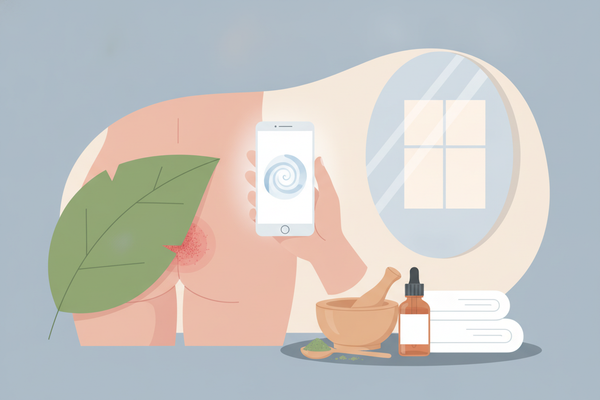
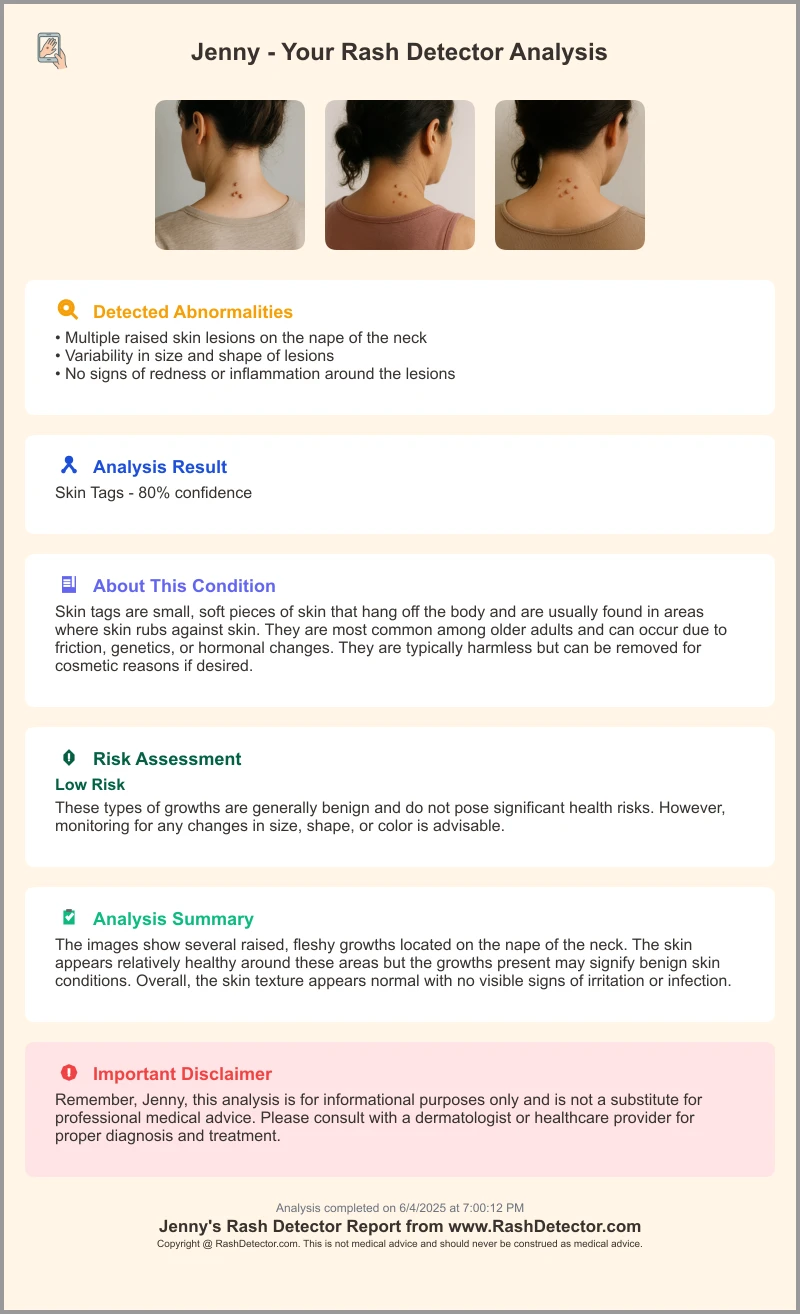
For a quick, photo-based preliminary analysis, try the Rash Detector AI Skin Analysis App. Upload images of your rash and get instant insights to discuss with your doctor.
Section 1: Understanding Medication-Induced Rashes
Keyword: medication rash treatment
A medication-induced rash is any cutaneous change—redness, bumps, hives, blisters, itching, or peeling—triggered by a drug. These drug eruptions, a form of hypersensitivity, can involve immune and non-immune pathways.
Common Causes
- Allergic reactions (IgE-mediated hypersensitivity)
- Non-allergic side effects (toxic metabolite buildup)
- Photosensitivity (UV-triggered skin response)
- Drug–drug interactions that amplify skin toxicity
High-Risk Medications
- Antibiotics: penicillins, sulfonamides
- NSAIDs: ibuprofen, naproxen
- Antiseizure drugs: phenytoin, carbamazepine
- Over-the-counter drugs, supplements, herbal products
Prevalence Data
- More than 90% of oral/injectable medications can cause cutaneous reactions.
- Severe cutaneous adverse reactions (SCARs) account for about 2% of drug rashes and carry high mortality if untreated.
Sources:
GoodRx: Drug Rash Skin Reaction
Merck Manual: Drug Rashes
Section 2: Recognizing Symptoms and Diagnosis
Keyword: medication rash treatment
Symptom Spectrum
- Mild: isolated redness, small hives, mild itching
- Moderate: widespread hives, plaques, peeling skin
- Severe: blistering, mucous membrane involvement, fever, swollen lymph nodes
Allergic vs. Non-Allergic
- Allergic rashes: rapid hives, angioedema, intense itching
- Non-allergic rashes: fixed drug eruptions, photosensitivity patches
Diagnostic Approach
- Self-assessment: new medication + mild rash without systemic signs
- Professional evaluation: rash progression, fever, breathing issues
- Tests: full medication review, skin biopsy, patch testing
Red Flags Requiring Urgent Care
- Rash with fever, mouth/eye sores, difficulty breathing
- Rapidly spreading rash or large body surface area
- Blistering or peeling skin
For detailed symptom identification, see Identifying and Managing Drug-Induced Rash Symptoms.
Scenario Examples:
- Patient starts antibiotic and develops hives plus viral-like fever
- Rash persists more than 48 hours after stopping the suspected drug
Sources:
Johns Hopkins Medicine: Drug Rashes
Harvard Health Blog: When Is a Drug Rash More Than Just a Rash?
GoodRx: Drug Rash Skin Reaction
Section 3: Medication Rash Treatment Options
Keyword: medication rash treatment
Core Principle: Discontinue the suspected medication under medical guidance. This is the first step toward resolution and preventing worsening.
Immediate Home Remedies for Mild Rashes
- Cool compresses: apply for 10–15 minutes, 3–4 times daily
- Colloidal oatmeal baths: soothe itching and calm inflammation
- Fragrance-free moisturizers: restore the skin barrier and reduce dryness
Over-the-Counter Treatments
- Topical 1% hydrocortisone cream: thin layer 2×/day
- Oral antihistamines (diphenhydramine 25–50 mg every 6–8 hours)
Prescription Interventions for Moderate/Severe Rashes
- Medium- to high-potency topical steroids (triamcinolone cream)
- Short-course oral corticosteroids (prednisone taper over 7–14 days)
- Immunosuppressants (cyclosporine) for SCARs
- Hospitalization for Stevens-Johnson syndrome or toxic epidermal necrolysis
For expert management of drug allergy rashes, see Managing Drug Allergy Rash.
Potential Side Effects
- Increased infection risk
- Gastrointestinal upset
- Adrenal suppression with long-term steroids
Clinical Guidelines
- Early referral to a dermatologist improves outcomes
- Report serious reactions to the FDA MedWatch program
Sources:
Harvard Health Blog: When Is a Drug Rash More Than Just a Rash?
GoodRx: Drug Rash Skin Reaction
Section 4: Long-Term Management and Prevention
Keyword: medication rash treatment
Managing Underlying Conditions
- Discuss alternative drug classes or lower starting doses with your provider
- Consider desensitization protocols for essential medications under specialist supervision
Prevention Strategies
- Document all drug allergies and reactions in your medical record
- Start high-risk medications at low doses and monitor skin daily
- Avoid known triggers (e.g., sulfa drugs after prior reactions)
Lifestyle and Follow-Up
- Broad-spectrum sunscreen (SPF 30+) for photosensitivity protection
- Maintain a medication log: drug name, dose, start/stop dates, rash onset
- Schedule allergy testing or patch tests after rash resolution to pinpoint causes
Sources:
Johns Hopkins Medicine: Drug Rashes
Merck Manual: Drug Rashes
Healthline: Drug Rash
Section 5: Consulting Healthcare Professionals
Keyword: medication rash treatment
Why See a Professional: Accurate diagnosis and personalized medication rash treatment plans prevent complications. Self-diagnosis can miss life-threatening signs.
Key Questions for Your Appointment
- Which medication is most likely causing my rash?
- Are there safer alternative treatments?
- Do I need a skin biopsy or allergy test?
- What are the risks if I continue this medication?
Reputable Resources for Further Reading
- Johns Hopkins Medicine: Drug Rashes
- Harvard Health Blog: When Is a Drug Rash More Than Just a Rash?
- Mayo Clinic: Drug Allergy
Sources:
Johns Hopkins Medicine: Drug Rashes
GoodRx: Drug Rash Skin Reaction
Harvard Health Blog: When Is a Drug Rash More Than Just a Rash?
Conclusion
Medication rash treatment begins with recognizing drug-induced skin changes, stopping the culprit drug, and applying appropriate home and medical therapies. Long-term prevention hinges on clear documentation, cautious drug initiation, and lifestyle adjustments. Always consult healthcare professionals if a rash appears. Track symptoms, ask questions, and use reputable resources to stay informed about safe medication use. If you suspect a drug rash, seek prompt medical advice to protect your health and prevent serious complications.
FAQ
What are the common signs of a medication-induced rash?
You may notice redness, itching, hives, blisters, or peeling skin. Systemic signs like fever or swollen lymph nodes suggest a more serious reaction.
How soon after taking a drug can a rash develop?
Most rashes appear within days to weeks of starting a new medication. Fixed drug eruptions can recur faster upon re-exposure.
Can I treat a mild medication rash at home?
Yes—cool compresses, colloidal oatmeal baths, and OTC hydrocortisone or antihistamines often relieve mild symptoms. Always consult your doctor before stopping any prescription.
When should I seek urgent medical care?
If you experience blistering, mucous membrane involvement, fever, breathing difficulties, or rapidly spreading lesions, seek immediate evaluation.
How can I prevent future drug rashes?
Document all reactions, discuss alternative drugs with your provider, start high-risk medications at low doses, and wear sunscreen if photosensitivity is a concern.