Comprehensive Guide to Medication Rash Treatment
Learn effective medication rash treatment steps, from identification to prevention, and ensure safe management of drug-induced skin reactions.
Estimated reading time: 8 minutes
Key Takeaways
- Early detection is crucial: link rash onset to medication changes promptly.
- Identify the rash type (e.g., morbilliform, urticaria, severe SJS/TEN) to guide treatment.
- Treatment ranges from OTC remedies to hospital-based care for life-threatening reactions.
- Prevent recurrence by documenting allergies, communicating with providers, and practicing sun protection.
Table of Contents
- Understanding Medication-Induced Rashes
- Identifying Medication-Induced Rashes
- Diagnostic Process
- Medication Rash Treatment Options
- Prevention and Management Strategies
- Case Studies & Expert Perspectives
- Conclusion
- FAQ
Understanding Medication-Induced Rashes
A medication-induced rash is an abnormal skin reaction triggered by a prescription or over-the-counter drug or its breakdown products. Recognizing this reaction and pinpointing its cause are the first steps in effective treatment. Common mechanisms include:
- Immune reactions (allergic or hypersensitivity)
- Non-immune effects (toxic, irritant, photosensitivity)
- Drug–drug interactions
- Metabolism issues due to liver or kidney impairment
Major rash types:
- Morbilliform (maculopapular) rash: Pink/red spots on the trunk and limbs, appearing 1–2 weeks after drug initiation; common with penicillins, sulfonamides, anticonvulsants, allopurinol.
- Urticaria and angioedema: Raised, itchy welts or deep facial swelling; onset within minutes to hours for IgE-mediated allergies; look out for NSAIDs, antibiotics, contrast dyes.
- Fixed drug eruption: Recurring dark red or purple patches at the same location, often due to sulfonamides, NSAIDs, tetracyclines.
- Photosensitive reactions: Sunburn-like rash on exposed areas with minimal UV exposure; triggered by tetracyclines, diuretics, retinoids.
- Severe reactions (SJS/TEN, DRESS): Life-threatening conditions with blistering, mucosal involvement, fever, and organ dysfunction.
Tip: Symmetry, timing, and recurrence on re-exposure help differentiate drug rashes from eczema or psoriasis.
Identifying Medication-Induced Rashes
Look for:
- Red or pink patches, small bumps, welts
- Itching, burning, or pain
- Blisters or peeling skin
- Swelling of the face, lips, tongue, or limbs
- Systemic signs: fever, fatigue, joint pain, swollen lymph nodes, breathing difficulty
Emergency red-flag signs:
- Throat swelling, difficulty swallowing
- Wheezing or chest tightness
- Rapid heartbeat, dizziness, fainting
- Widespread blistering or skin peeling
- Mucosal involvement with fever
Personal risk factors include prior drug allergies, atopic conditions, autoimmune disease, organ impairment, and polypharmacy. For deeper guidance on symptom recognition and rash patterns, visit Rash Detector.
Diagnostic Process
A clear record and professional evaluation guide targeted therapy:
- Self-monitoring: Log medication details, rash onset, location, spread, and symptoms. Take photos under consistent lighting.
- Healthcare assessment: History review, physical exam, vital signs, and safe drug discontinuation or substitution.
- Diagnostic tests:
- Blood tests (CBC, liver/kidney function, CRP/ESR)
- Skin tests (prick, intradermal, patch)
- Skin biopsy for suspected SJS/TEN or vasculitis
Source: Merck Manual
Medication Rash Treatment Options
Treatment intensity depends on rash severity:
- Discontinue or adjust the offending drug: Permanently stop for severe reactions; consider substitution or dose reduction for mild cases.
- Home and OTC remedies: Oral antihistamines (cetirizine, loratadine; diphenhydramine), 1% hydrocortisone, calamine, colloidal oatmeal baths, cool compresses, loose clothing.
- Prescription therapies: Potent topical steroids (triamcinolone), systemic antihistamines, short-course oral prednisone, immunosuppressives for DRESS, hospital care for SJS/TEN (IV fluids, wound care, IVIG).
- Emergency anaphylaxis management: Epinephrine auto-injector, EMS activation, IV fluids, oxygen, antihistamines, steroids, bronchodilators.
For additional approaches to managing drug allergy rashes, see Rash Detector.
Prevention and Management Strategies
- Keep an up-to-date medication and allergy list.
- Inform every provider about drug allergies.
- Use a single pharmacy to avoid interactions.
- Follow dosing instructions and avoid leftover medications.
- Practice sun protection with photosensitizing drugs.
For chronic or recurrent rashes, track patterns, seek specialist testing, and carry MedicAlert jewelry or an allergy card.
Case Studies & Expert Perspectives
Case Study 1: A patient on amoxicillin develops itchy red spots after 7 days. No systemic signs. Amoxicillin discontinued, switched antibiotic, treated with antihistamines and mild steroid. Rash resolved in one week; penicillin allergy documented.
Case Study 2: Three weeks after starting carbamazepine, a patient develops fever, mucosal blistering, and widespread rash. Immediate hospital admission, drug cessation, intensive supportive care. Advised against rechallenge and to wear a MedicAlert bracelet.
“Early recognition and prompt drug withdrawal are critical to prevent progression to life-threatening reactions.” – American Academy of Dermatology
Conclusion
Medication-induced rashes range from mild discomfort to life-threatening emergencies. Linking rash onset to medications, documenting timelines, and choosing appropriate treatments—from home remedies to intensive care—are key to recovery. Engage with healthcare professionals before altering any medications and maintain clear communication to prevent future reactions.
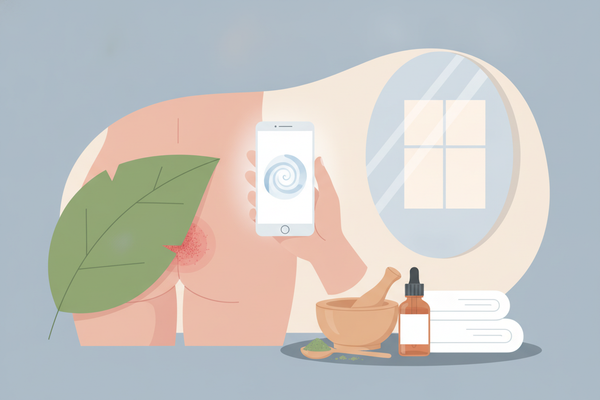
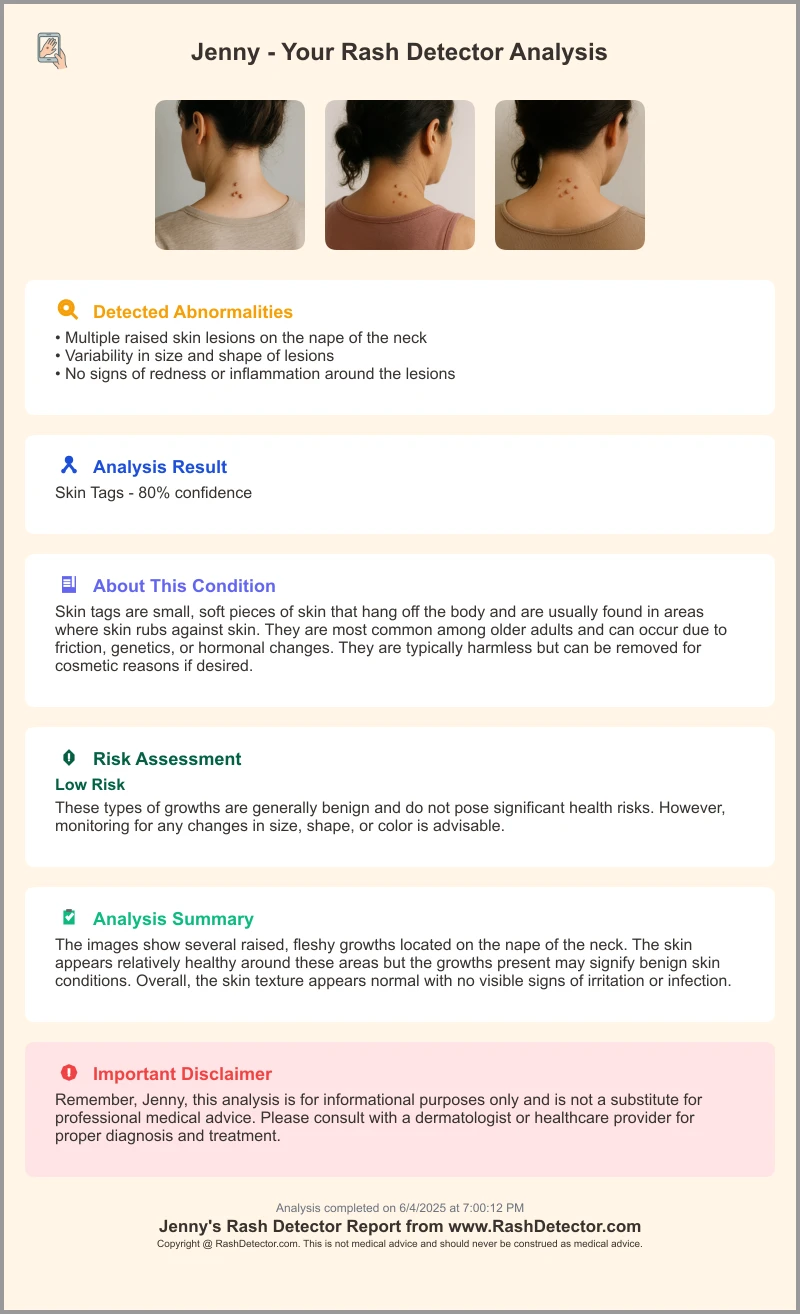
To help you monitor and track your rash over time, you can upload clear photos to the Rash Detector skin analysis app and receive an instant sample report:
FAQ
- How long does a medication rash last after stopping the drug?
Mild rashes often improve within 2–3 days and clear in 1–2 weeks. Severe reactions may require longer healing times. - Can I continue my medication if the rash is mild?
Only under clinician guidance. Non-allergic side effects may be monitored, but allergic rashes typically require stopping the drug. - Is it safe to take a related drug after one caused a rash?
Cross-reactivity varies by drug class. An allergist can assess risk and may perform supervised testing. - Should I use topical antibiotics on a medication-induced rash?
Generally no. Topical antibiotics can cause contact dermatitis and worsen the rash unless specifically prescribed. - Can rash-detection apps replace seeing a doctor?
No. Apps can help track patterns but cannot replace professional evaluation for potentially serious drug reactions.