Medication Rash Treatment: A Guide to Drug-Induced Skin Reactions
Discover effective strategies for medication rash treatment, from early recognition to long-term prevention, ensuring safe management of drug-induced rashes.

Estimated reading time: 8 minutes
Key Takeaways
- Early recognition of drug-induced rashes can prevent severe complications.
- Distinguish between allergic and nonallergic reactions and identify severity.
- Follow immediate first-aid steps and know when to seek emergency care.
- Long-term management includes documentation, specialist referral, and prevention strategies.
- Access expert resources for detailed guidance and support.
Table of Contents
- 1. Understanding Medication-Induced Rashes
- 2. Identifying the Causes
- 3. Diagnosing a Medication Rash
- 4. Immediate Steps in Treatment
- 5. Long-Term Management and Prevention
- 6. Expert Recommendations and Resources
- 7. Conclusion
1. Understanding Medication-Induced Rashes
Definition: Skin reactions triggered by drugs or their metabolites. They fall into two categories:
- Allergic (immune-mediated)
- Nonallergic (irritation, photosensitivity)
Onset timing:
- Immediate: minutes to hours
- Delayed: days to weeks
Common types:
- Morbilliform: widespread pink macules and papules
- Urticaria: transient, itchy wheals
- Fixed drug eruption: recurrent round patches at the same site
- Severe reactions:
- Anaphylaxis: rapid, life-threatening
- Stevens–Johnson syndrome (SJS)/TEN: blistering, mucosal involvement
- DRESS: rash with fever and organ involvement
2. Identifying the Causes
High-risk medication classes: Antibiotics (penicillins, sulfonamides), anticonvulsants, NSAIDs, biologics.
Patient risk factors:
- Previous drug allergy
- Polypharmacy
- Viral infections (e.g., Epstein–Barr)
- Genetic predispositions (HLA types)
- Organ impairment
3. Diagnosing a Medication Rash
Self-assessment: Correlate timing, rash morphology, distribution, and symptoms (itch vs pain).
Red flags: Blistering, mucosal involvement, facial swelling, breathing difficulty, high fever.
Workup: Detailed drug history, physical exam, CBC, liver/kidney panels, skin biopsy for SJS/TEN or DRESS, allergy testing under supervision. For a deeper understanding of how to identify and manage these reactions, see our comprehensive guide to identifying and managing medication-induced rashes.
4. Immediate Steps in Treatment
First-aid for mild reactions:
- Consult prescriber before stopping essential meds.
- Oral antihistamines (cetirizine, loratadine).
- Topical corticosteroids (hydrocortisone 1%).
- Soothing care: cool compresses, oatmeal baths.
- Avoid irritants: fragrance-free cleansers, loose clothing.
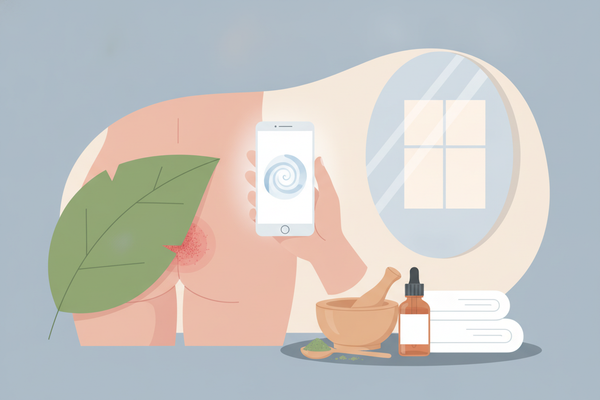
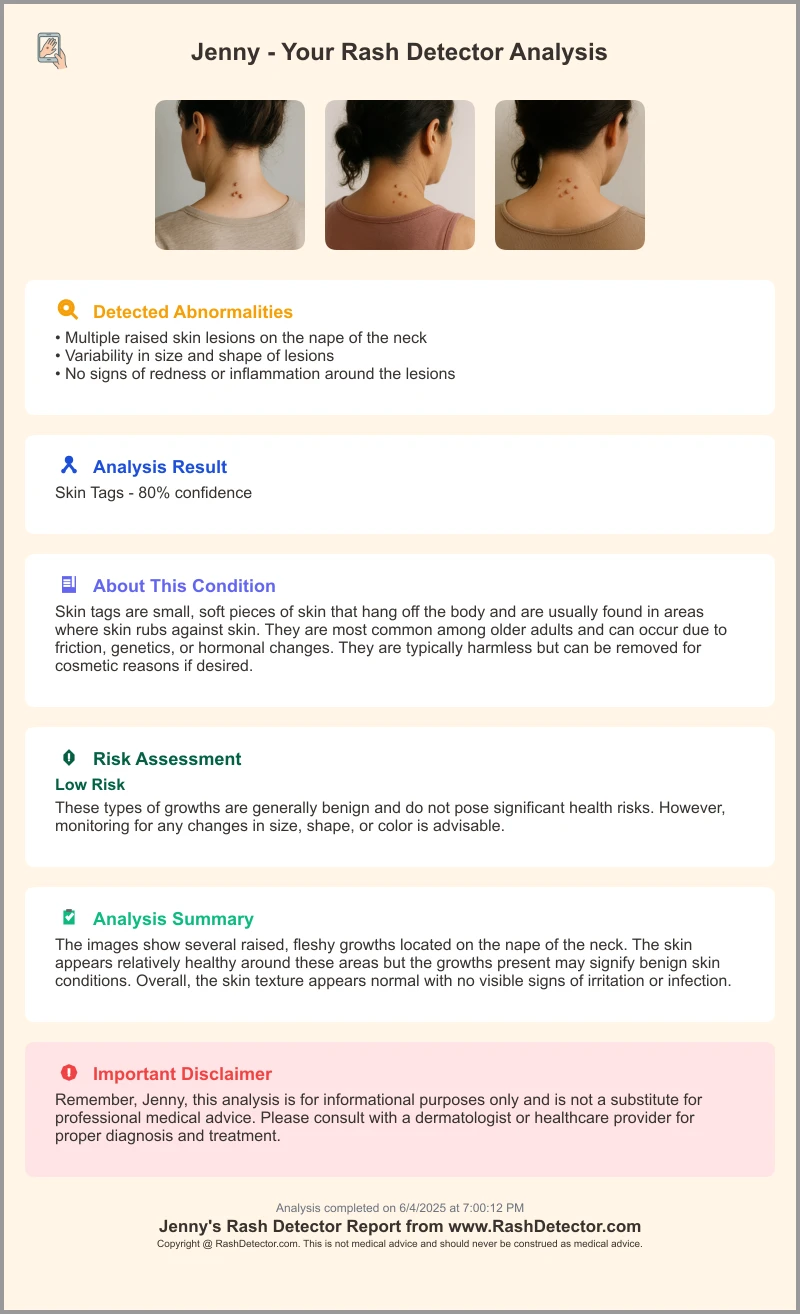
Track changes with photos and symptom journal. For AI-assisted monitoring, consider Rash Detector:
Severe reaction management: IM epinephrine for anaphylaxis; ICU/burn unit care for SJS/TEN; systemic steroids for DRESS. For a detailed overview of how to identify, manage, and prevent these drug-induced skin reactions, see our complete guide to medication rash treatment. For further step-by-step instructions on identification, management, and prevention, refer to our effective medication rash treatment guide.
5. Long-Term Management and Prevention
Documentation: Record the culprit drug and reaction in medical records.
Specialist referral: Allergist or dermatologist for testing and risk assessment.
Prevention: Avoid cross-reactive drugs, maintain updated allergy lists, consider genetic screening (e.g., HLA-B*5801), slow titration of high-risk medications. For a comprehensive approach to recognizing, managing, and preventing medication-induced rashes, refer to our comprehensive guide to medication rash treatment and our comprehensive guide to medication rash treatment.
6. Expert Recommendations and Resources
Best practices: Early recognition, prompt withdrawal, supportive care tailored to severity, clear allergy records.
Curated resources:
- Merck Manual – Drug Rashes
- Johns Hopkins Medicine – Drug Rashes
- NYU Langone – Medication for Drug Reactions & Hives
- Managing Drug Allergy Rash: A Comprehensive Guide
- Identifying and Managing Drug-Induced Rash Symptoms
Disclaimer: This guide is for informational purposes only. Consult a healthcare professional for personalized advice.
ウィッグの候補を比べる場合は、毛質、耐熱性、長さ、セットのしやすさを同じ基準で確認しましょう。用途に合う候補を整理するときは、コスプレ ウィッグ 耐熱で商品内容を見比べられます。セットするときは耐熱温度を守り、目立たない部分から少量ずつ試しましょう。
7. Conclusion
Effective medication rash treatment hinges on early detection, correct drug withdrawal, and appropriate supportive care. Mild rashes usually resolve with antihistamines and topical steroids, while severe reactions require emergency intervention. Long-term prevention relies on thorough documentation, specialist referrals, and cautious drug selection. If you suspect a medication rash, contact your healthcare provider promptly and seek emergency care for any red-flag signs.
FAQ
- What causes a medication rash? A drug rash results from allergic or nonallergic skin reactions to medications or their metabolites.
- When should I seek emergency care? Seek immediate help if you experience blistering, mucosal involvement, facial swelling, breathing difficulty, or high fever.
- How are severe rashes treated? Anaphylaxis requires IM epinephrine; SJS/TEN needs ICU or burn unit care; DRESS often calls for systemic corticosteroids. For more on recognition, management, and prevention, see our effective medication rash treatment guide.
- Can medication rashes be prevented? Yes—by avoiding known triggers, maintaining allergy records, slow drug titration, and genetic screening where appropriate.
- Who should I see for follow-up? A dermatologist or allergist/immunologist for testing, monitoring, and long-term management.