Your Guide to Medication Rash Treatment: Identification, Management & Prevention
Learn to identify, manage, and prevent medication-induced rashes, from mild eruptions to severe reactions like SJS and TEN, with this comprehensive guide.
Estimated reading time: 8 minutes
Key Takeaways
- Early recognition of drug-induced rashes is vital to prevent serious complications like SJS/TEN.
- Immediate steps include consulting your clinician, discontinuing the culprit drug under guidance, and soothing mild symptoms at home.
- Red flags—such as blistering, mucosal sores, or breathing difficulties—warrant emergency care.
- Treatment options range from cool compresses and antihistamines for mild eruptions to ICU-level support for severe SCARs.
- Prevention relies on thorough allergy documentation, medical alert identification, and proactive discussion with healthcare providers.
Table of Contents
- Introduction
- Understanding Medication-Induced Rashes: Medication Rash Treatment Basics
- Identifying Medication-Induced Rashes: Medication Rash Treatment Identification
- Immediate Steps & Initial Management: Medication Rash Treatment Emergency Care
- In-Depth Medication Rash Treatment Options: Medication Rash Treatment Strategies
- Prevention & Long-Term Management: Medication Rash Treatment Prevention
- When to Seek Professional Help: Medication Rash Treatment Urgency
- Conclusion
Medication rash treatment means knowing how to stop the drug causing the rash, ease itching or swelling, and avoid serious skin reactions. Early recognition of drug-induced rashes is critical—they may be mild and self-limited or evolve into life-threatening syndromes such as Stevens–Johnson syndrome (SJS) and toxic epidermal necrolysis (TEN). Prompt management lowers the risk of complications and mortality.
Understanding Medication-Induced Rashes: Medication Rash Treatment Basics
A medication-induced rash is any skin eruption caused by a prescription, over-the-counter, herbal, or supplement drug. It may appear days to weeks after exposure or even after the drug is stopped. Drug eruptions range from mild red spots to blistering and systemic illness.
Common Types and Appearances
- Morbilliform eruption: Pink-red macules and papules starting on the trunk, itchy, appearing 1–2 weeks after drug initiation.
- Urticaria (hives): Raised, itchy wheals that migrate and fade within hours; may signal anaphylaxis if accompanied by breathing issues.
- Fixed drug eruption: Round patches recur at the same site with each dose and often leave dark spots when healing.
- Photosensitive rash: Redness or blistering confined to sun-exposed areas, often linked to tetracyclines, thiazides, or sulfonamides.
- Severe Cutaneous Adverse Reactions (SCARs):
- SJS/TEN: Painful red or purplish rash, blistering, skin sloughing, mucosal sores; TEN may cover >30% body surface.
- DRESS: Rash plus fever, swollen lymph nodes, organ injury, and high eosinophils.
Common Culprit Medications
Any drug can trigger a rash, but frequent offenders include:
- Antibiotics: penicillins, sulfonamides, cephalosporins
- Antiepileptics: carbamazepine, phenytoin, lamotrigine
- Allopurinol
- NSAIDs: ibuprofen, naproxen
- Antiretrovirals and chemotherapy/immunomodulators
Identifying Medication-Induced Rashes: Medication Rash Treatment Identification
Watch for warning signs when starting or changing a medication:
- New red or pink spots, bumps, or welts
- Itching, burning, or stinging sensation
- Spread from trunk to limbs
- Migratory hives
- Severe features: blistering, peeling, mucosal sores, fever, malaise
For more detail on common presentations and symptom breakdown, see identifying drug-induced rash symptoms.
When to Suspect a Medication Cause
- New medicine started in the past days to weeks or dose increased
- Rash recurs on re-exposure
- No other triggers (infection, contact allergens)
- Rash clears after stopping the drug and returns on rechallenge
Gathering Medical History and Documentation
Prepare to help your clinician pinpoint the culprit:
- Complete list of all medications, OTC drugs, supplements, and start dates
- Timeline of rash onset, progression, and symptoms
- Records of past drug reactions or allergies
- Dated photos of the rash at various stages
Immediate Steps & Initial Management: Medication Rash Treatment Emergency Care
- Don’t Ignore a New Rash
Contact your prescribing clinician or pharmacist promptly. Avoid stopping critical medicines without guidance. - Stopping the Suspected Drug
Under medical advice, discontinue the offending agent. Your clinician may substitute alternative therapies. - Symptom Relief for Mild Rashes
No blisters or systemic signs:- Cool compresses and lukewarm baths
- Oral antihistamines (diphenhydramine, cetirizine)
- Topical hydrocortisone for inflammation
- Fragrance-free moisturizers and mild cleansers
- Cautions & Red Flags
Seek ER/911 if you experience:- Difficulty breathing or throat tightness
- Swelling of lips, tongue, face, or throat
- Widespread blistering or painful mucosal rash (SJS/TEN)
- High fever, organ signs (dark urine, jaundice)
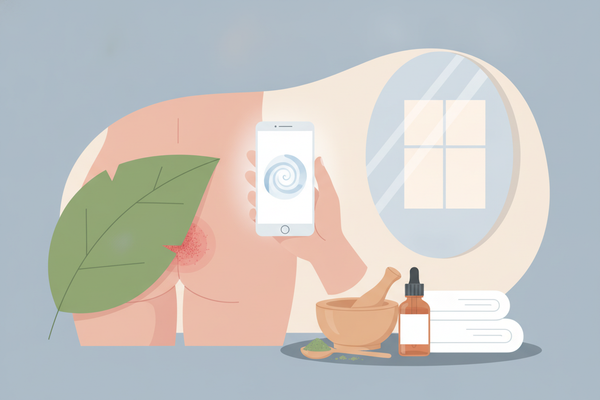
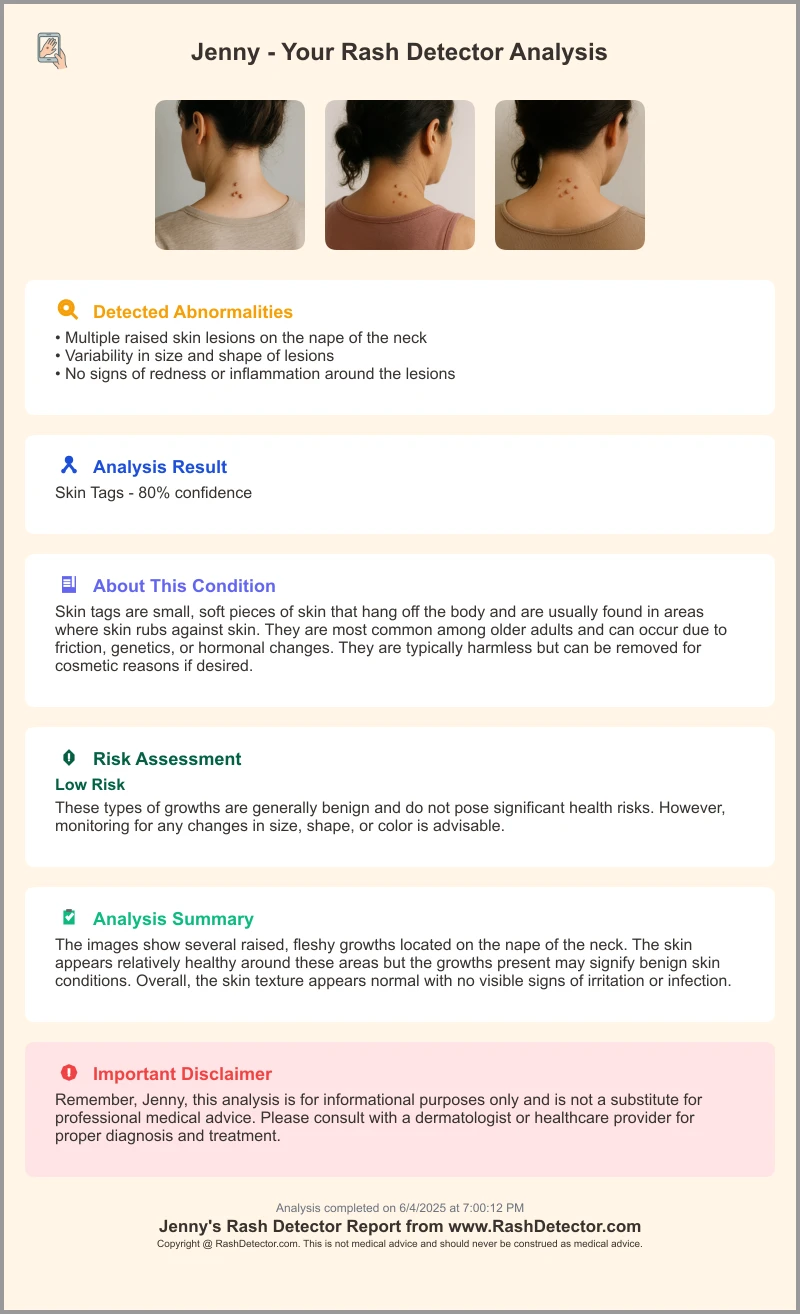
To track and analyze your rash, consider the AI-powered Rash Detector Skin Analysis App. Below is a sample report:
In-Depth Medication Rash Treatment Options: Medication Rash Treatment Strategies
General Principle
Withdrawal of the offending drug is the cornerstone. Treatment then focuses on symptom relief, preventing infection, and supporting affected organs. For a more comprehensive overview, see our comprehensive guide to identifying and managing drug-induced rashes. For a step-by-step approach to identification, management, and prevention, refer to our complete guide to medication rash treatment. For additional strategies and prevention tips, you may also want to review our complete guide to medication rash treatment: identification, management & prevention. For another thorough resource, see our comprehensive guide to medication rash treatment: identification, management, and prevention. For a detailed, step-by-step approach to identification, management, and prevention, see our guide to identifying, managing, and preventing drug-induced skin reactions. For a complete overview, see our complete guide to identification, management, and prevention of medication rashes.
Mild-to-Moderate Reactions
- Oral antihistamines for itching
- Topical corticosteroids for localized inflammation
- Short courses of oral steroids for extensive eruptions or DRESS
- Supportive skin care: barrier creams, sun avoidance, gentle bathing
Severe Drug Rashes (SCARs: SJS/TEN, DRESS)
Hospitalization in an ICU or burn unit may include:
- Immediate drug withdrawal
- IV fluids, electrolytes, nutrition, and pain control
- Burn-style wound care and infection prevention
- Systemic therapies under expert guidance (e.g., IVIG, high‐dose steroids)
- Multidisciplinary care: dermatology, critical care, ophthalmology, nephrology
Prevention & Long-Term Management: Medication Rash Treatment Prevention
Prevention Strategies
• Inform every provider of past drug rashes and allergies.
• Ensure clear allergy documentation in your medical record.
• Wear a medical alert bracelet for serious drug reactions.
• Review allergy history before starting new medications. For a detailed discussion on prevention and management, visit our medication rash treatment identification, management, and prevention guide. For a more comprehensive resource, see our complete guide to identifying, managing, and preventing drug-induced rashes. For a thorough overview of prevention and long-term management, see our comprehensive guide to drug-related skin reactions. For additional information, refer to our comprehensive guide to medication rash treatment: identification, management & prevention. For a complete overview of identification and management, see our guide to identifying and managing drug-induced rashes. For a comprehensive guide to identification and management, see our comprehensive guide for identification and management of medication rashes.
Follow-Up & Monitoring
• Schedule visits to track rash resolution and organ tests.
• Expect full clearance in days to weeks; steroid taper may require extension.
• Seek dermatology/allergy follow-up for complex reactions.
Patient Education & Self-Advocacy
Keep a personal drug allergy list and share it at every appointment. Detailed prevention measures are available at managing drug allergy rash.
When to Seek Professional Help: Medication Rash Treatment Urgency
Immediate Emergency Care (ER/911) Red Flags
- Respiratory distress or throat tightness
- Facial, lip, or tongue swelling
- Dizziness, fainting, or shock signs
- Widespread blistering with mucosal involvement
- High fever, severe pain, organ signs
Same-Day Provider Contact If
- Rash begins days to weeks after a new or changed medication
- Rash spreads or becomes very itchy without systemic red flags
- Uncertainty about continuing a medication
Routine Follow-Up
• Monitor mild rashes improving under care.
• Adhere to steroid taper and skin-care regimens.
• Re-evaluate if flare-ups or new symptoms occur.
Conclusion
Medication-induced rashes range from mild, self-limited eruptions to life-threatening SCARs like SJS/TEN and DRESS. Early recognition and proper treatment—stopping the offending drug, symptom relief with antihistamines and corticosteroids, and supportive or intensive care for severe cases—are essential. Use this guide to spot warning signs, take immediate action, and engage with healthcare providers for safe medication use.
FAQ
- How can I tell if my rash is medication-related?
Medication rashes often appear days to weeks after starting or increasing a drug. They may recur on re-exposure and clear when the drug is stopped. Absence of other triggers and a consistent timeline are key clues. - What home remedies help soothe a mild drug rash?
Cool compresses, lukewarm baths, oral antihistamines, and low-potency topical corticosteroids can ease itching and inflammation. Gentle, fragrance-free moisturizers support skin healing. - When should I seek emergency care for a medication rash?
Head to the ER or call 911 if you experience breathing difficulty, facial swelling, widespread blisters or peeling, mucosal involvement, high fever, or signs of organ dysfunction. - Can medication rashes be prevented?
Prevention relies on thorough documentation of past drug reactions, wearing medical alert identification, and discussing allergy history with every healthcare provider before starting new medications.