Comprehensive Guide to Medication Rash Treatment: Identification, Management & Prevention
Learn to identify, manage, and prevent medication rashes with our comprehensive treatment guide, ensuring safe recovery and effective symptom relief.
Estimated reading time: 8 min read
Key Takeaways
- Medication-induced rashes can range from mild redness and itching to severe blistering syndromes like SJS/TEN.
- Early identification and prompt discontinuation of the offending drug are vital.
- Treatment spans home remedies and OTC antihistamines to prescription steroids and immunomodulators.
- Preventive steps include a thorough medication history, close monitoring of new drugs, and clear documentation.
- Seek professional care immediately if systemic signs or rapid worsening occur.
Table of Contents
- Introduction
- Understanding Medication Rash Treatment and Drug-Induced Skin Reactions
- Identification and Diagnosis
- Management Options & Treatment Strategies
- Preventative Tips & Cautions
- Conclusion
- FAQ
1. Introduction
Effective medication rash treatment relies on prompt identification of the culprit drug and appropriate symptom management. A medication-induced rash is an abnormal skin reaction triggered by a prescription drug, over-the-counter medicine, or supplement. These reactions can range from mild redness and itching to life-threatening blistering syndromes.
In this guide on medication rash treatment, you will learn:
- What medication-induced rashes are and how they develop
- How to recognize and diagnose a suspected drug rash
- Treatment strategies, from home remedies to prescription therapies
- Tips to prevent future reactions and stay safe
2. Understanding Medication Rash Treatment and Drug-Induced Skin Reactions
2.1 Definition & Mechanisms
A medication rash is an adverse skin response due to immune-mediated hypersensitivity or direct drug irritation. In hypersensitivity reactions, the immune system becomes sensitized, mast cells degranulate, and drug metabolites act as haptens that bind to skin proteins, triggering redness, swelling, and itch.
2.2 Common Causes
Medication-induced rashes arise from different triggers:
- Allergic hypersensitivity – Urticaria, maculopapular eruptions, Stevens–Johnson syndrome (SJS) and toxic epidermal necrolysis (TEN).
- Non-allergic side effects – Photosensitivity reactions, acneiform eruptions, pigment changes.
- Drug–drug interactions – Increased drug levels or altered metabolism can heighten rash risk.
2.3 Types of Cutaneous Reactions
Common patterns include:
- Maculopapular rash – Diffuse red spots and small bumps, often on the trunk
- Urticaria (hives) – Itchy, transient raised welts
- Angioedema – Deeper swelling of lips, face or throat
- Fixed drug eruption – Recurrent lesions at the same location
- Photosensitivity reaction – Sun-exposed erythema when UV light interacts with certain drugs
- Severe cutaneous adverse reactions (SCARs) – SJS/TEN: blistering, skin loss, mucosal involvement; DRESS: rash plus fever and organ involvement.
3. Identification and Diagnosis
3.1 Key Symptoms & Clinical Signs
To recognize medication-induced rashes, look for:
- Skin findings – Erythema, papules, plaques, blisters, peeling, violaceous patches
- Sensations – Pruritus (itching), burning, stinging, pain
- Timing & distribution – Onset days–weeks after drug initiation; often starts on trunk, spreads to limbs
- Systemic warning signs – Fever, facial swelling, breathing difficulty, lymphadenopathy
3.2 When to Seek Professional Help
Emergency signs (call 911) include:
- Airway compromise – swelling of tongue or throat
- Widespread blistering or peeling skin
- High fever, confusion, hypotension
- Mucosal involvement (eyes, mouth, genitals)
- Rash is rapidly spreading or worsening
- Systemic features: fever, joint pain, swollen glands
- New rash after recent medication changes
3.3 Diagnostic Workup by Provider
Providers use these steps:
- Medical & medication history – Review prescriptions, OTCs, supplements, timing vs. rash onset
- Physical exam – Lesion type, distribution, mucous membranes, vital signs
- Laboratory tests – CBC with eosinophils, liver and kidney function for severe cases
- Skin biopsy – Distinguishes drug reaction from infection or autoimmune disease
- Allergy testing – Skin prick or patch tests to confirm specific drug hypersensitivity
- Causality assessment – Temporal relationship, dechallenge, rechallenge considerations
4. Management Options & Treatment Strategies
4.1 Discontinuation & Alternative Medications
The first step is stopping the suspected drug under medical supervision.
- Essential drugs (e.g., steroids, cardiac meds) require taper plans—do not stop abruptly.
- Select non-cross-reactive alternatives and update allergy records.
4.2 Over-the-Counter Remedies (Mild Reactions)
For mild cutaneous reactions:
- Oral antihistamines (cetirizine, diphenhydramine) relieve itching and swelling
- Low-strength topical corticosteroids (hydrocortisone 0.5–1%) reduce redness
- Soothing measures:
- Cool compresses or showers
- Colloidal oatmeal baths
- Fragrance-free, hypoallergenic moisturizers
4.3 Prescription Treatments (Moderate–Severe)
For moderate-to-severe drug rashes:
- Oral corticosteroids (prednisone taper) for extensive inflammation
- Medium-potency topical steroids (triamcinolone 0.1%) for stubborn areas
- Immunomodulators (cyclosporine) under specialist care for SCARs
- Epinephrine auto-injector for anaphylaxis; hospital/burn-unit care for SJS/TEN
For a deeper dive into the identification and management of drug-induced rashes, see our comprehensive guide to medication rash treatment.
4.4 Lifestyle & Home-Care Strategies
Support skin healing with:
- Loose, breathable cotton clothing—minimize friction
- Gentle, pH-balanced, fragrance-free cleansers; avoid hot water
- Short nails or mittens for children to reduce scratching
- Regular moisturizing with hypoallergenic lotions
- Tracking a rash diary—note onset, severity, triggers, and treatments
5. Preventative Tips & Cautions
5.1 Pre-Medication Precautions
Before starting new drugs:
- Review full medication and allergy history with providers
- Discuss cross-reactivity risks (e.g., penicillin vs. cephalosporins)
- Consider specialist-led desensitization protocols if needed
5.2 Monitoring When Starting New Drugs
- Start at the lowest effective dose; avoid multiple new drugs at once
- Inspect skin daily for 2–4 weeks, when most rashes appear
- Recognize early signs—redness, itching, hives—and call your provider promptly
5.3 Documentation & Alerts
Keep clear records:
- Medication & allergy diary: drug, dose, start date, rash details, outcomes
- Carry printed or digital allergy lists; consider a medical alert bracelet
5.4 Self-Treatment Cautions
- OTC relief eases symptoms but does not replace medical evaluation for new/systemic rashes
- Never rechallenge a drug linked to severe reactions without expert advice
- Consult your prescriber for safe discontinuation plans of essential medications
6. Conclusion
Early recognition and management of medication-induced rashes are vital for safe recovery. Effective medication rash treatment starts with identifying and stopping the culprit drug, then using home-care measures, OTC products, or prescription therapies—up to emergency interventions like epinephrine or specialized burn-unit care. Preventive steps, detailed documentation, and careful monitoring support long-term safety. Because each person’s medical history is unique, always seek individualized guidance from qualified healthcare professionals.
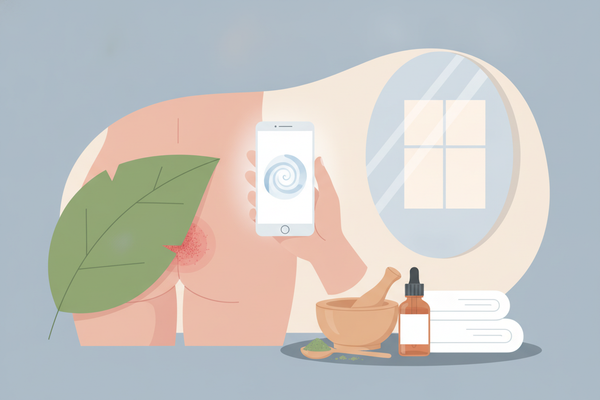
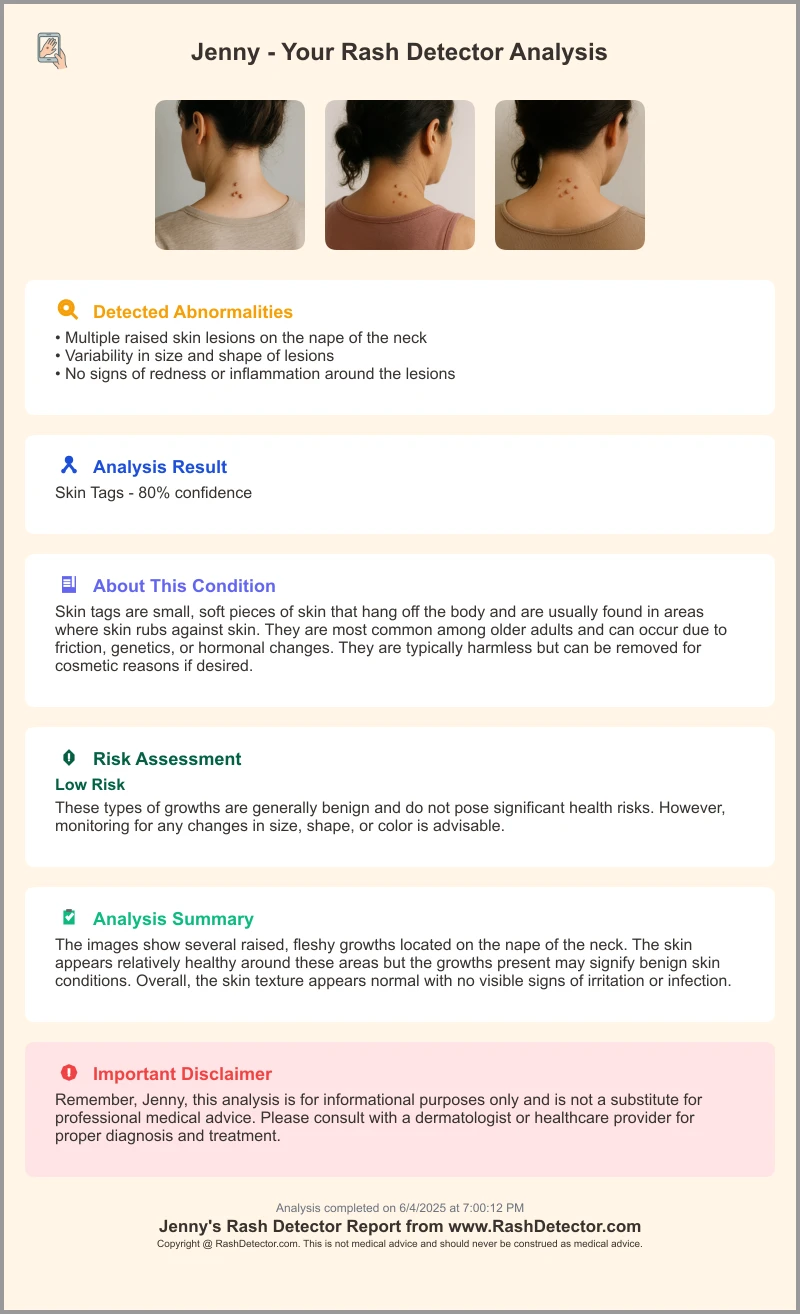
For a quick AI-powered preliminary analysis, try the Rash Detector app. Upload photos of your rash and receive an instant sample report.
コスプレ衣装を選ぶ際は、サイズ表、素材、付属品、発送予定日を確認すると比較しやすくなります。用途に合う候補を整理するときは、コスプレ衣装 撮影用で商品内容を見比べられます。注文前に使用日と発送予定を照らし合わせ、試着や調整に使える時間も確保しておくと安心です。
FAQ
- What causes medication rashes?
They result from immune-mediated hypersensitivity or direct drug irritation, sometimes amplified by drug–drug interactions. - When should I seek emergency help?
Call 911 for airway compromise, widespread blistering, high fever, or mucosal involvement. - Can I treat a mild drug rash at home?
Yes—oral antihistamines, low-strength topical steroids, cool compresses, and oatmeal baths often help. - How do providers confirm a drug allergy?
Through medical history, physical exam, lab tests, skin biopsy, and skin prick or patch testing. - How can I prevent future medication rashes?
Maintain an allergy diary, review cross-reactivity risks, start new drugs at low doses, and monitor skin daily.