Medication Rash Treatment: Identification, Management, and Prevention
Learn how to identify, manage, and prevent medication rashes, from mild symptoms to severe reactions, with effective treatment strategies.
Estimated reading time: 12 minutes
Key Takeaways
- Early Identification: Recognize timing and characteristics of drug rashes.
- Safe Discontinuation: Stop the offending medication under supervision.
- Symptom Management: Use antihistamines, corticosteroids, or hospital care based on severity.
- Prevent Recurrence: Document allergies, use alternative therapies, and employ alert measures.
- Emergency Response: Know red flags and when to seek immediate medical help.
Table of Contents
- What Is a Medication-Induced Rash?
- Recognizing Symptoms of Medication-Induced Rashes
- Diagnosis of Medication Rashes
- Treatment Options and Strategies
- Preventive Measures
- When to Seek Medical Help
- Using Rash Detector for Remote Evaluation
- Conclusion
Section 1: What Is a Medication-Induced Rash?
A medication-induced rash is any skin eruption directly caused by a medication, occurring after starting, stopping, or changing a dose. Understanding these mechanisms is crucial for effective treatment.
Differentiation from Other Rashes
- Timing linked to medication changes rather than infection or contact irritation.
- Improvement upon discontinuing the drug.
- Recurrence with re-exposure to the same or related compound.
Common Triggers and Drug Eruptions
- Antibiotics (penicillins, sulfonamides)
- Anticonvulsants (carbamazepine, lamotrigine, phenytoin)
- NSAIDs (ibuprofen, naproxen)
- Allopurinol and certain HIV drugs (severe reactions like SJS/TEN and DRESS)
Citations: Merck Manual; CCJM review
Section 2: Recognizing the Symptoms of Medication-Induced Rashes
Early recognition accelerates appropriate management.
Typical Signs of Medication-Induced Rashes
- Morbilliform rash: pink/red macules and papules, often starting on the trunk.
- Urticaria (hives): transient, itchy, raised welts.
- Pruritus (itching), burning sensation, and mild angioedema.
- Onset usually days to weeks after starting a new drug.
When to Be Concerned
- Widespread rash covering large areas.
- Severe itch, burning pain, or blister formation.
- Accompanying fever, swollen lymph nodes, or malaise.
For more on identifying drug-induced rash symptoms.
Citations: Hopkins Medicine; Harvard Health Blog
Section 3: Diagnosis of Medication Rashes
Accurate diagnosis drives safe treatment decisions.
Key Diagnostic Steps
- Detailed Medical History
- List all prescription, OTC, and herbal drugs with start/stop dates.
- Note prior allergic reactions or drug intolerance.
- Evaluate concurrent infections or illnesses.
- Physical Examination
- Identify lesion types: macules, papules, vesicles, bullae.
- Assess distribution patterns and mucosal involvement.
- Drug Withdrawal Challenge
- Temporarily stop suspected non-essential drugs under supervision.
- Observe for rash improvement.
- Additional Testing
- Blood tests for systemic involvement (e.g., elevated eosinophils in DRESS).
- Skin biopsy for severe or unclear eruptions (especially SJS/TEN).
- Allergy testing (e.g., penicillin skin test) for hypersensitivity.
Referral Recommendations: Dermatologist or allergist for severe reactions.
Section 4: Treatment Options and Medication Rash Treatment Strategies
Strategies range from simple home care to intensive hospital support. For additional strategies on managing drug allergy rashes. For a comprehensive overview, see our Comprehensive Guide to Medication Rash Treatment: Identification, Management & Prevention. For more details on how to identify, manage, and prevent drug-induced skin reactions, see our Medication Rash Treatment: How to Identify, Manage, and Prevent Drug-Induced Skin Reactions. You may also find our Complete Guide to Medication Rash Treatment: Identification, Management, and Prevention helpful for a step-by-step approach.
1. Safe Discontinuation of the Offending Drug
- Stop the culprit drug promptly under medical guidance.
- Replace with safer alternatives when possible.
Citations: Merck Manual; NYU Langone; Hopkins Medicine
2. Mild Rash Management
- Oral antihistamines (diphenhydramine, cetirizine) for itching.
- Topical corticosteroids (hydrocortisone 1%–2.5%).
- Gentle skincare, moisturizers, cool compresses, loose clothing.
- Typical resolution: 1–2 weeks after drug cessation.
Citations: Merck Manual; NYU Langone; Harvard Health; IU Health
3. Moderate to Severe Rash Management
- Systemic corticosteroids (oral prednisone or IV steroids) with a taper.
- Hospitalization and burn-unit care for SJS/TEN.
- Adjunctive IVIG or immunosuppressants for severe SCARs.
- Anaphylaxis protocol: epinephrine, antihistamines, steroids.
Citations: NYU Langone; CCJM review; Merck Manual; IU Health; Children’s National
4. Follow-Up and Documentation
- Record the culprit drug in medical records and on allergy lists.
- Provide an “avoid” list of related medications.
- Schedule dermatology or allergy follow-up for recurrent reactions.
Citations: Merck Manual; Hopkins Medicine; Harvard Health
Section 5: Preventive Measures
- Inform every provider about drug rashes; carry an updated medication list.
- Adhere strictly to prescribed dosages; never self-escalate.
- Discuss alternative drugs if you have severe reaction history or genetic risks. For more on prevention and risk reduction, see our Effective Medication Rash Treatment: Identification, Management, and Prevention.
- Use medical alert bracelets or allergy cards; have an epinephrine auto-injector if at risk.
- Avoid confirmed allergens to prevent recurrence.
Citations: Merck Manual; Hopkins Medicine; IU Health; CCJM review; Children’s National; DivineDerm
Section 6: When to Seek Medical Help
Emergency Red Flags (ER/911)
- Difficulty breathing, throat tightness, or wheezing.
- Swelling of face, lips, tongue, or throat.
- Hypotension, dizziness, or fainting.
- Widespread blisters, peeling skin, or mucosal erosions.
- High fever, severe pain, or rapidly progressive rash.
Citations: Merck Manual; Children’s National; CCJM review; Harvard Health
When to Contact Your Prescriber
- New rash within days to weeks of starting or changing a drug.
- Persistent or worsening itch, discomfort, or rash spread.
- Uncertainty about continuing the medication.
- Be ready with a list of meds, timeline, symptoms, and rash photos.
Citations: GoodRx; IU Health; Hopkins Medicine
Using Rash Detector for Remote Evaluation
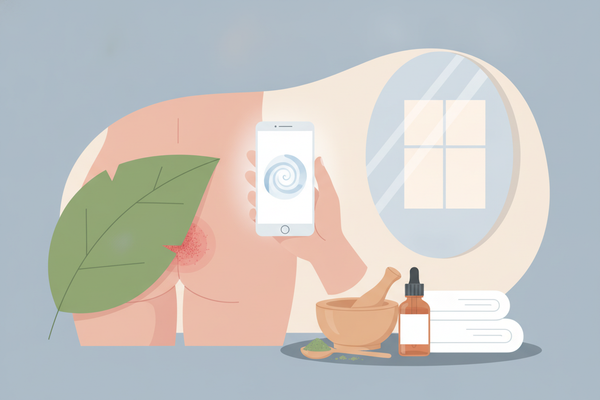
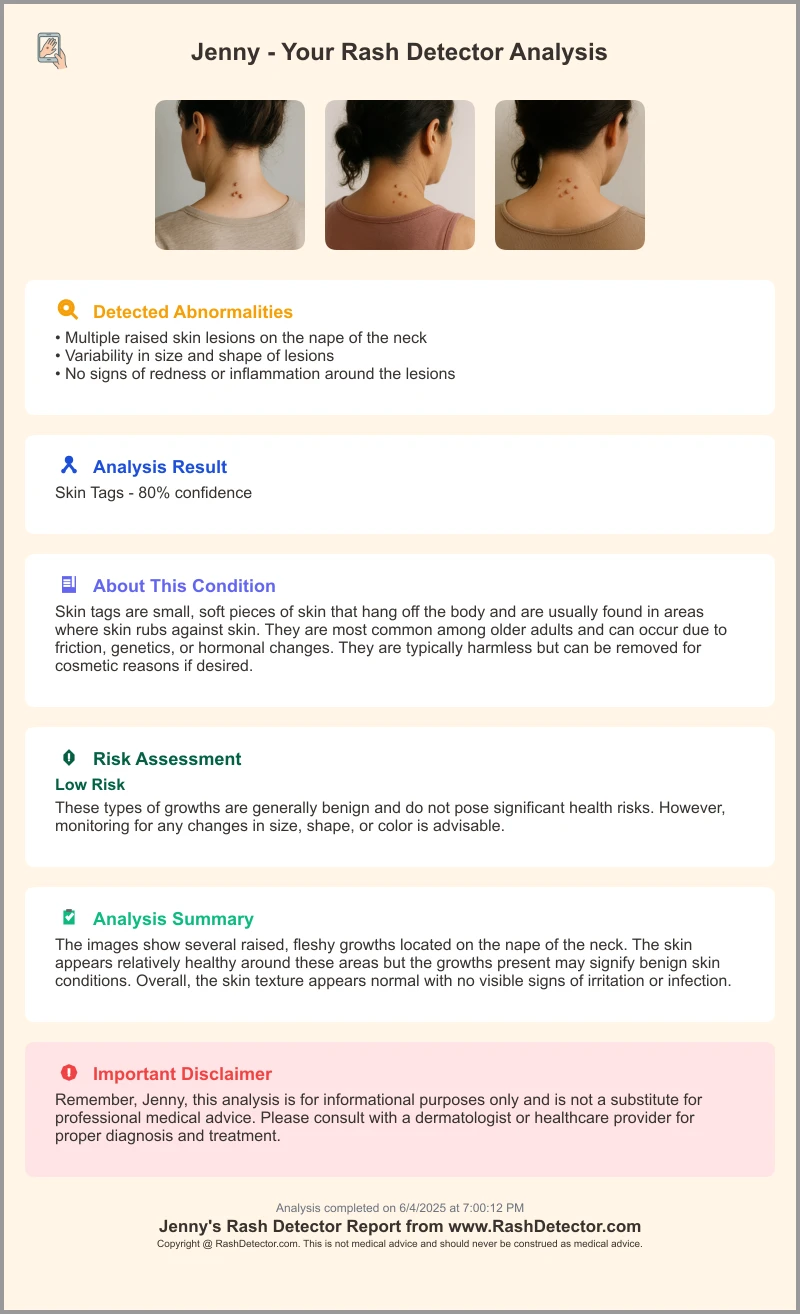
For preliminary evaluation or to track progression, consider the Rash Detector Skin Analysis App. Sample report:
Conclusion
Medication rash treatment relies on early recognition, safe drug discontinuation, and tailored symptom control with antihistamines, steroids, and supportive care. Severe reactions require emergency measures and specialist input. Collaborate with healthcare providers for accurate diagnosis and prevention of future reactions. Always consult a professional before altering medications or with warning signs of a serious rash. For more details, read our guide to medication rash treatment, identification, management, and prevention. For a complete guide to drug-induced rash management, see our Medication Rash Treatment: Complete Guide to Drug-Induced Rash Management.
Citations:
購入前に商品説明と利用条件を確認し、必要な追加準備がないか整理しておくことが大切です。用途に合う候補を整理するときは、ハロウィン コスプレ 大人 女性で商品内容を見比べられます。利用条件や交換条件は店舗ごとに異なるため、注文前に最新内容を確認すると安心です。
- Merck Manual on Drug Rashes
- Hopkins Medicine on Drug Rashes
- CCJM Review of Drug Eruptions
- NYU Langone on Hives Treatment
- Harvard Health Blog on Severe Drug Rashes
FAQ
- What causes medication-induced rashes?
A medication-induced rash is caused by immune or non-immune reactions to a drug or its metabolites, often days to weeks after exposure. - How long does a drug rash last?
Mild rashes usually resolve within 1–2 weeks after stopping the drug; severe reactions take longer and may need specialist care. - Can I restart a medication that caused a rash?
You should not restart without consulting a healthcare provider; alternative drugs or desensitization protocols may be considered under supervision.