Complete Guide to Medication Rash Treatment: Identification, Management & Prevention
Learn how to identify, manage, and prevent medication rashes effectively. This guide covers all you need to know for safe medication rash treatment.
Estimated reading time: 7-minute read
Key Takeaways
- Medication rashes can range from mild itching to life-threatening reactions; early recognition is vital.
- Identify common drug rashes, their timing, and red-flag symptoms requiring urgent care.
- Treatment involves stopping the offending drug, using topical or oral therapies, and emergency interventions if needed.
- Prevention relies on thorough documentation, specialist testing, and choosing safe alternatives.
Table of Contents
- Understanding Medication Rashes
- Signs & Symptoms to Watch For
- When to Seek Professional Help for Medication Rash Treatment
- Medication Rash Treatment Options
- Preventative Measures & Managing Risks
- Conclusion
Understanding Medication Rashes
A drug-induced rash is a skin reaction caused by an immune response or direct irritation from a medication. Medication rash treatment starts with knowing the types and timing of these reactions. For more on identifying drug-induced rash symptoms.
Key points:
- Onset: can occur within hours or up to weeks after starting a drug.
- Mechanism: immune-mediated (allergic) vs. non-allergic (irritant or toxic).
- Culprit drugs:
• Antibiotics (penicillins, sulfonamides)
• Anticonvulsants (carbamazepine, phenytoin)
• NSAIDs (ibuprofen, naproxen)
• Allopurinol
Types of drug rashes:
- Morbilliform eruption: red measles-like spots, often 1–2 weeks after medication.
- Urticaria and angioedema: itchy wheals, may include swelling of lips or throat.
- Fixed drug eruption: a single patch that reappears at the same spot.
- Severe cutaneous adverse reactions (SCARs):
• SJS/TEN: widespread blistering, skin peeling, mucosal sores
• DRESS: rash with fever and organ involvement
Signs & Symptoms to Watch For
Knowing the warning signs helps you act fast.
Mild–Moderate Symptoms
- Red spots or patches on the trunk and limbs
- Symmetrical rash distribution
- Itching or mild burning sensation
Red-Flag Symptoms (seek evaluation immediately)
- Blistering, peeling, or painful skin
- Widespread skin detachment
- Fever, flu-like symptoms, and swollen glands
- Mouth, eye, or genital sores
- Facial, lip, or tongue swelling
- Difficulty breathing or wheezing
- Signs of organ involvement (jaundice, low urine output)
Learn more about managing drug allergy rash.
When to Seek Professional Help for Medication Rash Treatment
Knowing when to call 911, go to the ER, or see your doctor can be lifesaving.
Emergency Warning Signs (call 911 or go to ER):
- Trouble breathing, throat tightness, or chest pain
- Rapid facial or tongue swelling
- Sudden dizziness or fainting
- Rapidly spreading rash, blisters, or large raw areas
- High fever (>101°F) with rash
- Mucosal sores in eyes or mouth
Non-Emergency but Prompt Evaluation (call prescriber or PCP):
- New rash soon after starting or changing a medication
- Worsening or unrelenting itching for several days
- You have weakened immunity, liver, or kidney disease
- Rash covers large body areas without severe systemic signs
Distinguishing mild vs. allergic/severe reactions:
- Mild: skin-only, no breathing or systemic issues, treatable at home under guidance.
- Allergic/Severe: includes hives, swelling, breathing issues, fever, or organ signs; requires immediate drug discontinuation and emergency therapy.
Role of Healthcare Professionals:
- Take a detailed drug history and timeline.
- Perform a physical exam; may order skin biopsy or lab tests.
- Decide which medications to stop or continue.
- Prescribe topical or systemic treatment.
- Document allergies and advise on alternative drugs.
Medication Rash Treatment Options
This section covers evidence-based ways to treat drug-induced skin reactions.
General Principle
- The first step is stopping the offending drug under medical supervision.
- Most rashes improve in days to weeks after drug discontinuation.
- Never stop critical medications (e.g., seizure or heart drugs) without advice.
- Topical Treatments
• Topical corticosteroids reduce redness and itch.
• Soothing emollients and cool compresses calm irritated skin. - Oral Medications
• Antihistamines relieve itching and hives.
• Systemic corticosteroids for severe or widespread reactions; taper slowly. - Emergency Treatments
For life-threatening reactions: epinephrine, high-dose antihistamines, systemic steroids, IV fluids, IVIG or cyclosporine, hospitalization. - Over-the-Counter Remedies & Home Care
For mild cases after clinician approval: OTC antihistamines, low-strength hydrocortisone, gentle cleansers, lukewarm showers, soft clothing, cool compresses. - Prescription Treatments & Adherence
Medium/high-potency topical steroids, oral/IV steroids, immunosuppressants or biologics for severe cases; follow dosing and taper schedules.
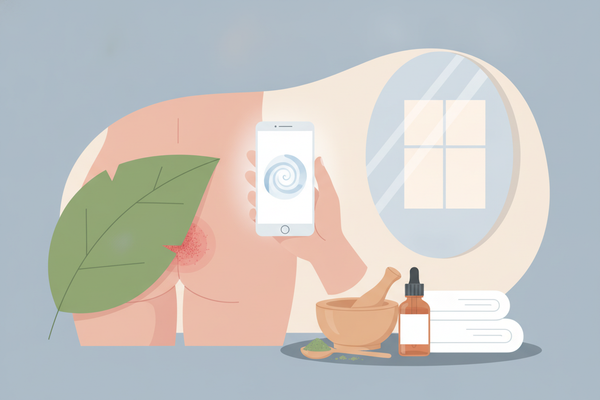
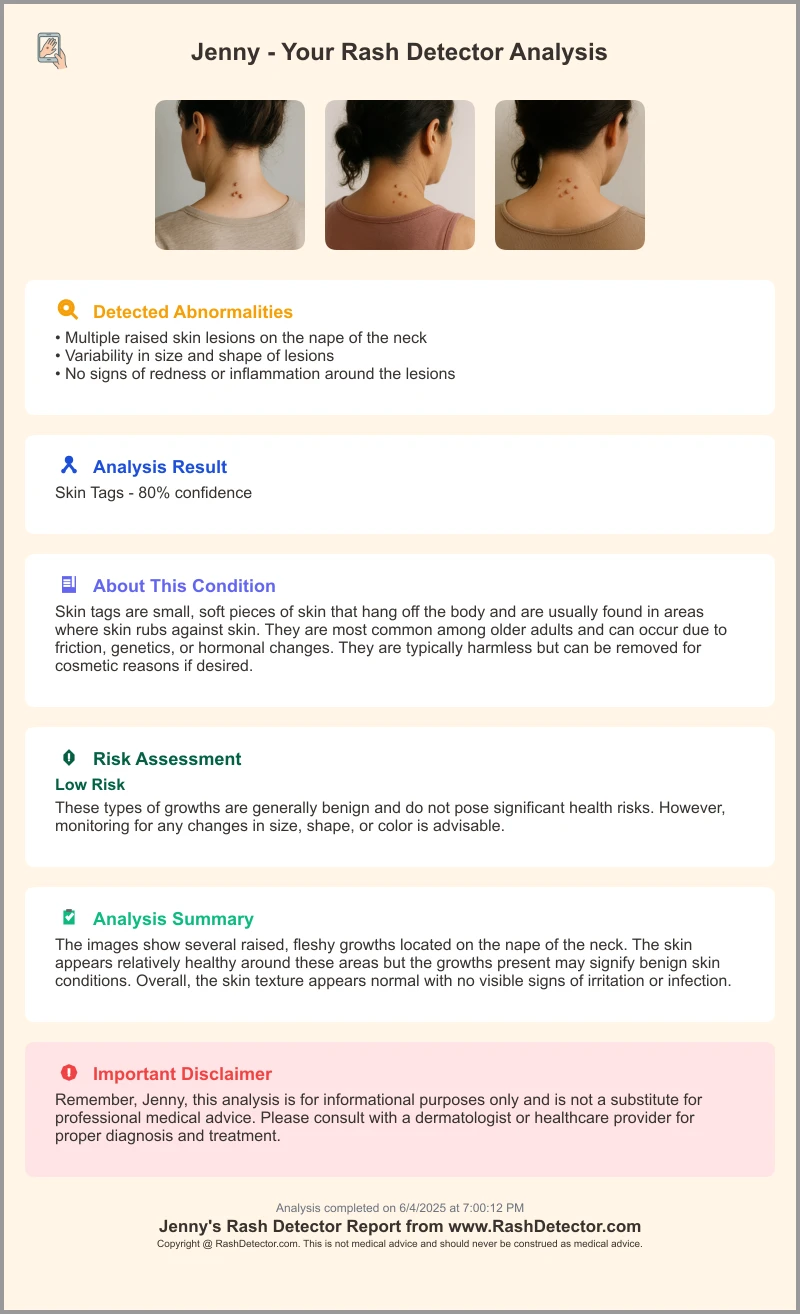
For a quick, AI-assisted rash assessment, try the Skin Analysis App from Rash Detector. Upload your images and get an instant sample report:
Preventative Measures & Managing Risks
Prevention helps avoid repeat reactions and serious outbreaks. For long-term strategies on preventing recurring rashes.
Pre-Treatment Strategies
- Record a complete drug and allergy history, including family history of severe reactions.
- Consider patch or skin testing for certain drugs under specialist care.
- Use graded drug challenges or desensitization protocols for essential medications when risks are high.
- Start with the lowest effective dose and increase gradually for high-risk drugs.
Monitoring & Documentation
- Maintain a personal medication diary: drug name, dose, start/stop dates, rash onset and symptoms.
- Take photos of skin changes over time.
- Ensure clear documentation in medical records and pharmacy profiles of the allergy and reaction type.
Alternatives for Prone Individuals
- Switch to chemically unrelated medications when possible.
- Refer to an allergist or dermatologist for complex histories and supervised testing.
- Use medical alert bracelets or cards listing severe reaction history.
Conclusion
A medication rash is a drug-induced skin eruption that can range from mild itchy spots to life-threatening reactions. Early recognition and timely medication rash treatment—stopping the culprit drug, using topical or oral therapies, and seeking urgent care for red flags—are key to a safe recovery. Keeping detailed records, working closely with healthcare professionals, and implementing preventive strategies ensure you can continue needed medications with minimal risk.
FAQ
- How to differentiate a drug rash from other rashes?
Look at timing: a rash appearing soon after starting or changing a medication is suspect. Other causes may need evaluation. - Typical duration of a medication rash?
Most clear in days to 1–2 weeks after stopping the drug; immune-mediated rashes can take longer. - Is rechallenge safe?
Avoid re-exposure after true allergic or severe reactions. Desensitization under specialist care may be the only safe option. - Can I self-treat at home?
Only for mild, non-progressive rashes after consulting a provider. Use OTC antihistamines, low-strength hydrocortisone, and gentle skin care. - What info to give my provider?
Provide a detailed medication list with dates, rash onset and changes, associated symptoms, and past reactions. - Should I stop the drug on my own?
For severe reactions, stop immediately and call 911. For non-emergency rashes, consult your prescriber before stopping, especially for essential meds.