Medication Rash Treatment: Comprehensive Guide for Identification and Management
Learn about medication rash treatment, identification, and management to prevent mild rashes from developing into severe conditions.
Est. reading time: 8 minutes
Key Takeaways
- Medication-induced rashes can range from mild itching to life-threatening reactions like SJS/TEN.
- Early identification and prompt discontinuation of the offending drug are critical to limit progression.
- Diagnosis relies on a thorough history, physical exam, and targeted tests (biopsy, blood work, patch testing).
- Treatment spans home care, OTC remedies, prescription therapies, and multidisciplinary coordination.
- Prevention includes cautious dosing, pre-treatment allergy testing, and maintaining a detailed rash diary.
Table of Contents
- Introduction
- Understanding Medication-Induced Rashes
- Signs and Symptoms
- Diagnosis
- Treatment Options
- Prevention and Management
- When to Seek Professional Help
- Integrating AI for Early Rash Insights
- Conclusion
- FAQ
Introduction
Medication-induced rashes affect up to 2–3% of hospitalized patients and many outpatients. A medication-induced rash is a skin reaction triggered by a drug, ranging from mild redness and itching to severe, life-threatening conditions like Stevens-Johnson syndrome (SJS) or toxic epidermal necrolysis (TEN).
Common causes include:
- Antibiotics (penicillins, sulfonamides)
- Anticonvulsants (phenytoin, carbamazepine)
- NSAIDs (ibuprofen, naproxen)
- Chemotherapeutic agents
Early identification and prompt treatment are critical to prevent progression. Proper management reduces discomfort, avoids complications, and speeds healing. For more information, see CCJM article and NEI Practice Tools.
Understanding Medication-Induced Rashes
Drugs can cause skin reactions by two main mechanisms:
- Immune-mediated: A drug binds to skin proteins as a hapten, triggering IgE or T-cell responses and allergic eruptions.
- Non-immune: Direct toxicity from a drug or its metabolic byproducts damages skin cells.
Key rash types:
- Urticaria (hives): Raised, itchy welts that move around the body.
- Morbilliform rash: Widespread red or pink macules and papules, often on the trunk, resembling measles.
- Fixed drug eruptions: Lesions that recur at the same spot each time the drug is taken.
- Severe reactions:
- Stevens-Johnson syndrome (SJS) / Toxic epidermal necrolysis (TEN): Blistering and skin peeling over >10% of the body, often with mucosal involvement.
- DRESS (Drug Reaction with Eosinophilia and Systemic Symptoms): Rash plus high eosinophil count and organ injury.
- AGEP (Acute Generalized Exanthematous Pustulosis): Tiny sterile pustules on red skin.
Risk factors include female sex, older age, polypharmacy, immunocompromise, and specific HLA genetic markers linked to drug sensitivity.
Signs and Symptoms
Early recognition is vital. Look for:
- Pruritus: Intense itching that drives scratching.
- Erythema: Flat or raised red patches or plaques.
- Papules/wheals: Small raised bumps or hives.
- Morbilliform pattern: Symmetrical red spots on the trunk.
- Blisters/peeling: Fluid-filled vesicles or skin sloughing.
- Systemic signs: Fever, malaise, facial swelling.
To determine if a rash is drug-related, note if it appears soon after a new drug or dose change and clears after stopping the suspect medication. True drug rashes often appear symmetrically on the trunk.
Urgent red flags:
- Anaphylaxis: Difficulty breathing, throat tightness.
- Rapidly spreading blisters or skin sloughing.
- High fever, joint pain, mucosal ulcers, signs of organ failure.
For a full spectrum of drug-related rashes, visit identifying drug-induced rashes.
Diagnosis
Accurate diagnosis guides effective treatment. Key steps:
Medical history
- List all prescription drugs, over-the-counter medicines, supplements.
- Record dose changes and timing of symptom onset.
- Note known drug allergies and past rash episodes.
Physical exam
- Examine rash morphology: macules, papules, vesicles, pustules.
- Assess distribution: trunk, limbs, mucous membranes.
- Look for mucosal involvement or skin detachment.
Diagnostic tests
- Skin biopsy: Gold standard for severe or unclear cases.
- Blood work: Eosinophil count for DRESS; liver and kidney panels.
- Patch or prick testing: Done weeks after rash resolves to identify the culprit.
- Scoring systems (e.g., SCORTEN) to gauge SJS/TEN severity.
Never alter medications without medical guidance. Consult a professional before making changes. For more, see MSD Manual and GoodRx health topic.
Medication Rash Treatment Options
An effective, stepwise approach:
Step 1: Discontinue suspected drug
- Only under direct medical supervision.
- Substitute a safer, non–cross-reactive alternative when possible.
Home care & OTC for mild cases
- Cool compresses (15–20 minutes) to ease redness and itch.
- Colloidal oatmeal baths to soothe pruritus.
- OTC antihistamines (e.g., loratadine 10 mg once daily) for hives.
- Topical hydrocortisone 1% cream, apply twice a day.
- Fragrance-free moisturizers after bathing to lock in moisture.
Learn about the most effective creams at anti-itch cream solutions and compare options at OTC vs prescription rash.
Prescription therapies for moderate-to-severe reactions
- Oral corticosteroids (prednisone taper) to calm inflammation.
- Immunosuppressants (cyclosporine 3–5 mg/kg/day) in ICU for SJS/TEN.
- Antibiotics if secondary skin infection develops.
- Switch to non–cross-reactive drug alternatives (e.g., a non-penicillin antibiotic).
Symptom relief strategies
- Nighttime sedating antihistamines for better sleep.
- Calamine lotion on oozing or weeping lesions.
- Wound care: Non-adherent dressings, sterile daily changes.
Team-based care
Collaboration between dermatologists, allergists, and primary care ensures safe, targeted treatment.
Prevention and Management
Preventing drug rashes saves time and pain. Key steps:
- Read patient leaflets and package inserts carefully.
- Start new medications at a low dose and titrate slowly.
- Conduct pre-treatment allergy testing for high-risk drugs (penicillin).
- Use medical alert IDs for known drug allergies.
Long-term management:
- Keep a rash diary: drug name, dose, start date, rash onset, symptoms, resolution.
- Photograph the rash daily until it clears for provider review.
- Avoid re-exposure except under supervised desensitization or testing.
Effective communication:
- Share diary entries and photos at every medical visit.
- Report side effects promptly via patient portals or calls.
- Discuss allergy history and alternative options with all providers.
When to Seek Professional Help
Knowing when to act can be life-saving:
Call emergency services if you have:
- Anaphylaxis signs: wheezing, throat tightness, severe facial swelling.
- Rapidly spreading skin blisters or detachment over >10% BSA.
- High fever (>38.5 °C), low blood pressure, signs of shock.
Schedule an urgent provider visit if:
- Rash persists or worsens despite home remedies.
- New systemic symptoms like joint pain, facial edema, or liver/kidney pain arise.
Communicate effectively with your care team:
- Present a full medication list with timing details.
- Describe rash progression: location, morphology, symptom changes.
- Share symptom logs and photographs.
- Ask clear questions: “Do I need a steroid taper?” or “Should I see dermatology?”
Integrating AI for Early Rash Insights
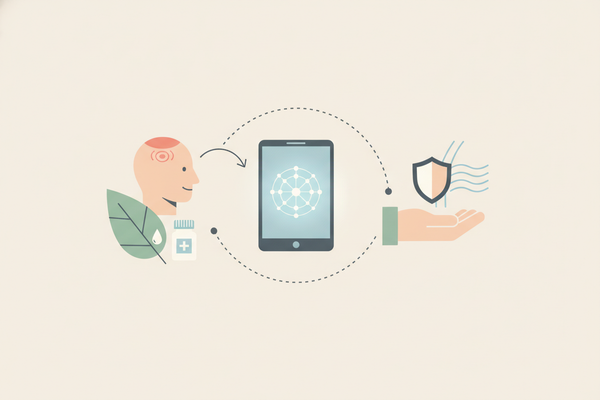
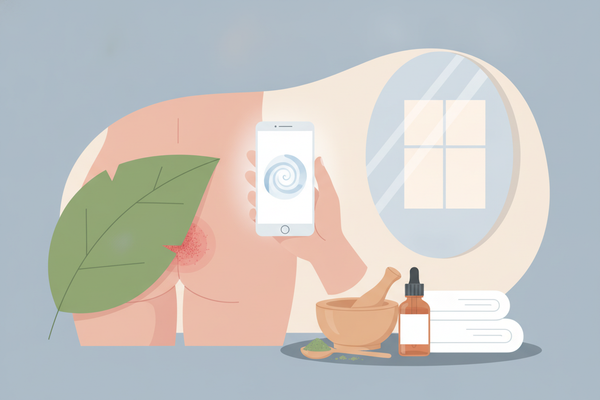
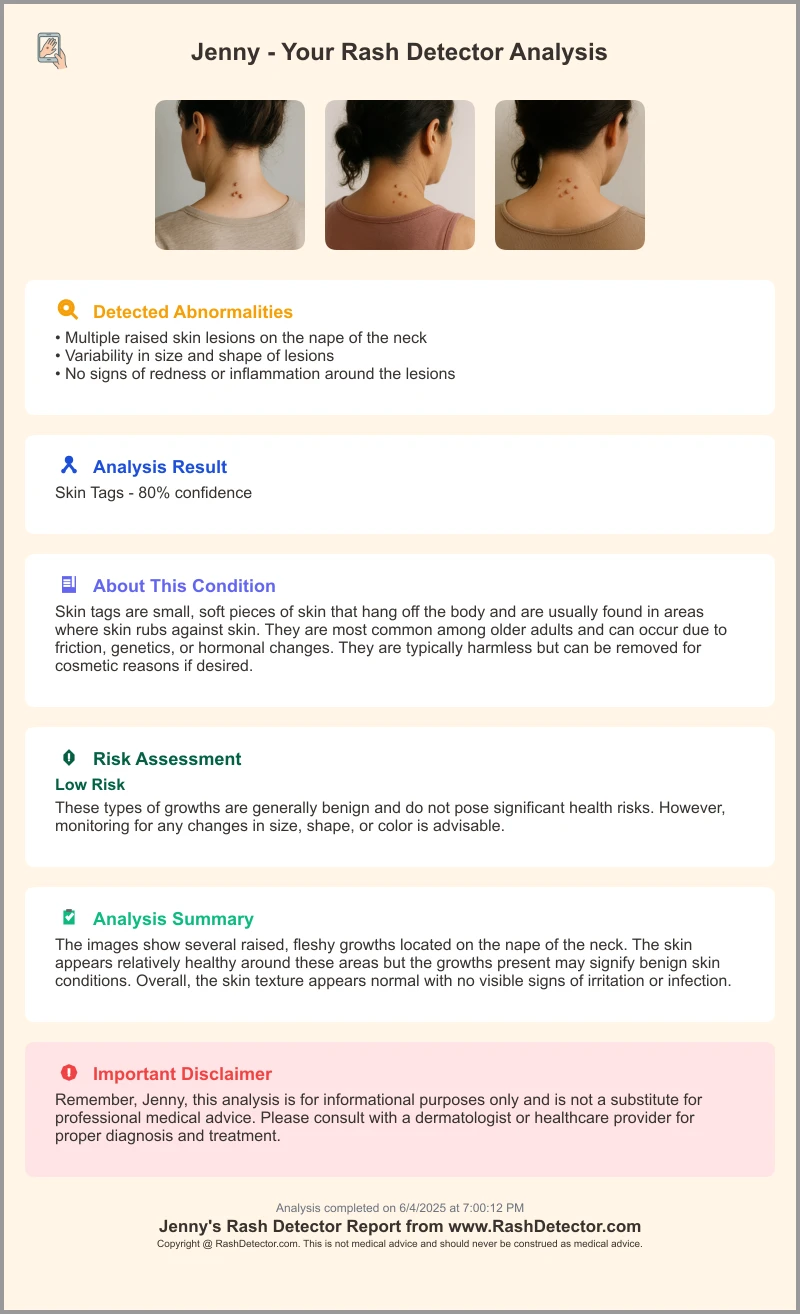
Tools like the Rash Detector can provide instant AI-based insights by analyzing images of your rash, complementing professional care.
コスプレ衣装を選ぶ際は、サイズ表、素材、付属品、発送予定日を確認すると比較しやすくなります。複数の候補を比較する際は、エヴァ コスプレ衣装 通販で仕様の違いを確認できます。注文前に使用日と発送予定を照らし合わせ、試着や調整に使える時間も確保しておくと安心です。
Conclusion
Early recognition, thorough history, accurate diagnosis, supervised drug discontinuation, and targeted treatment are vital. Prompt action can stop mild itching or hives from progressing to severe, life-threatening conditions like SJS/TEN. Always consult healthcare professionals for personalized care and follow-up.
FAQ
- What are the most common types of medication-induced rashes? Morbilliform rash, urticaria, fixed drug eruptions, and severe reactions like SJS/TEN and DRESS.
- How quickly do drug rashes typically appear? Most appear within 1–2 weeks of starting a new medication or after a dose increase, though some may be delayed.
- Should I stop my medication at the first sign of a rash? Always consult a healthcare professional before discontinuing any drug; only stop under medical supervision.
- Are over-the-counter creams effective? Mild rashes often improve with OTC antihistamines, cool compresses, and 1% hydrocortisone, but persistent or severe cases require prescription therapies.
- Can AI tools like Rash Detector replace professional care? AI can offer early insights, but it should complement, not replace, evaluation by qualified healthcare providers.