Rashes by Body Part: Comprehensive Guide to Causes and Care
Learn about rashes by body part—face, arms, legs, chest, hands, and more. Discover common causes and when to seek medical attention. Expert guidance included.

Estimated reading time: 15 min
Key Takeaways
- Rash location can help narrow down possible causes such as eczema, psoriasis, fungal infections, or allergic reactions by correlating typical patterns and environmental factors.
- Common areas include face, arms, legs, chest, back, groin, hands, and skin folds, each with distinct rash patterns influenced by moisture, friction, and exposure.
- Some rashes may signal urgent care, especially if painful, spreading rapidly, or accompanied by systemic symptoms such as fever or difficulty breathing.
- AI-powered apps like Rash Detector can analyze rash images quickly to suggest possible causes, incorporating location and visual data to assist users.
- Always consult a healthcare professional for diagnosis and treatment, especially for persistent, severe, or worsening rashes, to ensure proper management and rule out serious conditions.
Table of Contents
- Section 1: Why Rash Location Matters
- Section 2: Rashes on the Face and Around the Mouth
- Section 3: Rashes on Arms and Hands
- Section 4: Rashes on Legs and Feet
- Section 5: Rashes on Chest, Back, and Torso
- Section 6: Rashes in Skin Folds, Groin, and Sweaty Areas
- Section 7: Red-Flag Symptoms and When to Seek Care
- Conclusion
- FAQ
Section 1: Why Rash Location Matters
Understanding Rash Patterns by Body Part
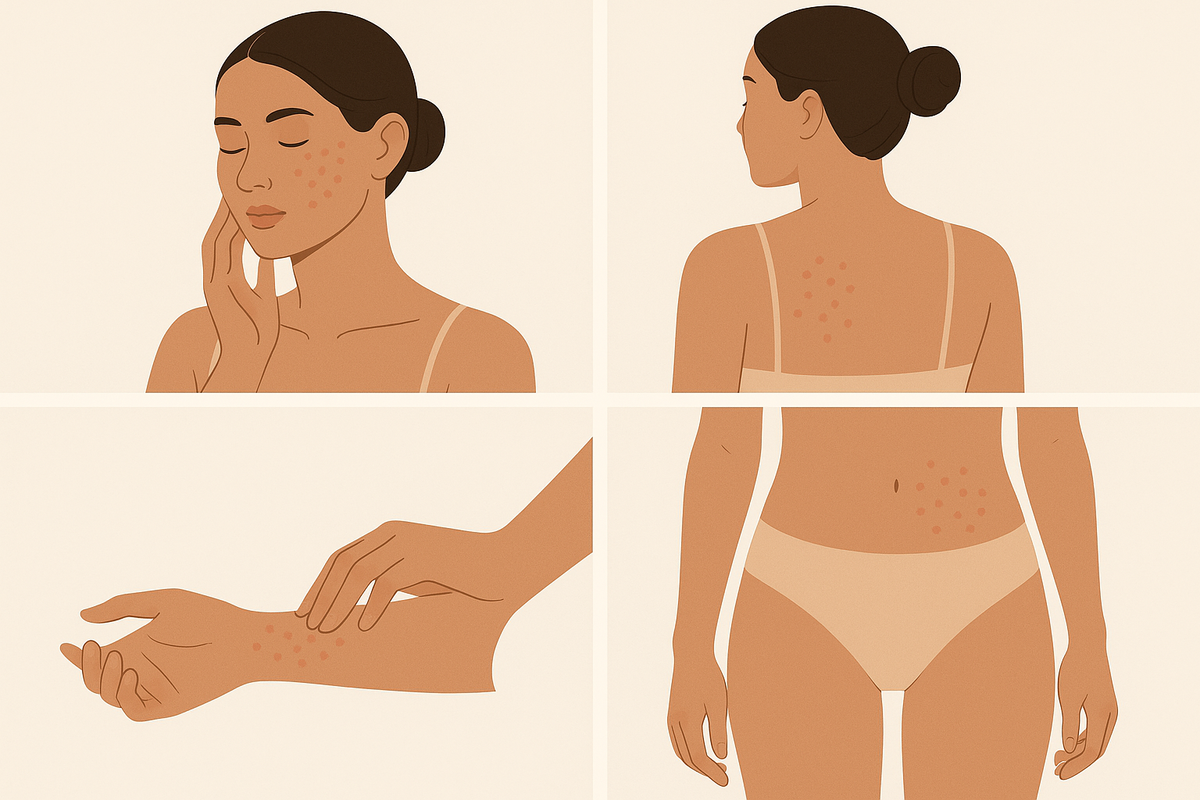
Rashes by body part can provide important clues to their cause. Certain skin conditions tend to affect specific areas due to factors such as skin thickness, moisture levels, exposure to irritants or allergens, and immune response variations. For example, eczema often affects areas with thinner skin and flexural surfaces such as the inner elbows and behind the knees, where skin folds and moisture can trap irritants. Psoriasis, on the other hand, frequently appears on thicker, extensor surfaces like the scalp, elbows, and knees, presenting as well-demarcated, scaly plaques.
Other examples include fungal infections favoring warm, moist areas like skin folds and the groin, while allergic contact dermatitis typically appears on exposed areas like the hands or forearms where contact with allergens occurs. Viral exanthems may begin on the face or trunk and spread, providing additional diagnostic clues.
Common Factors Influencing Rash Location
- Skin Environment: Moist, occluded areas such as the groin, armpits, and under breasts can promote fungal and bacterial infections due to increased humidity and temperature.
- Exposure: Sun-exposed areas like the face and chest are more prone to rashes caused by photosensitivity reactions, sunburn, or conditions exacerbated by ultraviolet light such as lupus erythematosus or polymorphous light eruption.
- Contact: Hands and arms are frequently in contact with chemicals, plants, soaps, or metals that can trigger allergic or irritant contact dermatitis. Occupations with repeated exposure to such agents often correlate with rash location.
- Friction and Pressure: Areas subjected to mechanical irritation, such as the waistline from belts or the backs of knees due to bending, may develop rashes like intertrigo or pressure-induced dermatitis.
How Location Guides Diagnosis
Healthcare providers consider rash location along with rash appearance and patient history when forming differential diagnoses. For example, a rash localized between the buttocks may suggest fungal infections or irritant dermatitis due to moisture and friction, whereas facial rashes might indicate seborrheic dermatitis, rosacea, or allergic reactions to topical agents.
Apps like Rash Detector use location data along with image recognition to assist in identifying possible causes by comparing user-uploaded photos with large datasets of labeled rashes in similar locations. This can help users preliminarily identify whether a rash is likely inflammatory, infectious, or allergic in nature, guiding timely medical consultation.
For more information on why rashes appear in specific areas and the underlying mechanisms, see our article Why Do Rashes Appear in Certain Areas?
Section 2: Rashes on the Face and Around the Mouth
Common Causes of Facial Rashes
Facial rashes can be distressing due to their visibility and impact on appearance. Common causes include:
- Rosacea: Characterized by persistent central facial redness, visible small blood vessels, and sometimes acne-like papules and pustules. It typically affects adults between 30-50 years old and may be worsened by triggers such as heat, alcohol, spicy foods, and sunlight.
- Contact Dermatitis: Both irritant and allergic types can cause redness, swelling, and itching. Common irritants include harsh skincare products, fragrances, and preservatives. Allergic reactions can result from nickel-containing jewelry or certain cosmetics.
- Seborrheic Dermatitis: Presents as greasy, yellowish, flaky patches commonly on the scalp, eyebrows, nasolabial folds, and around the nose. It is linked to Malassezia yeast colonization and may worsen in cold, dry weather.
- Viral Exanthems: Viral infections such as measles, rubella, and chickenpox often start with facial rashes before spreading. These rashes are usually accompanied by systemic symptoms like fever and malaise.
Rash Around the Mouth: What to Consider
Perioral rashes require specific attention due to their distinct causes:
- Perioral Dermatitis: Characterized by clusters of small, red papules and scaling around the mouth, sparing the skin immediately adjacent to the lips. It is often associated with prolonged topical steroid use, fluorinated toothpaste, or occlusive cosmetics. Avoiding steroids and irritants is important, with treatments including topical antibiotics or calcineurin inhibitors.
- Allergic Reactions: Reactions to lip balms, toothpastes, food allergens, or dental hygiene products can cause redness, itching, and occasionally swelling around the mouth.
- Impetigo: A contagious bacterial skin infection, primarily caused by Staphylococcus aureus or Streptococcus pyogenes, leading to honey-colored crusted sores around the mouth, often in children.
When to Seek Medical Advice for Facial Rashes
The face’s delicate skin and cosmetic significance necessitate timely evaluation. Seek medical advice if the rash:
- Spreads rapidly or develops blisters or pustules, suggesting infection or severe inflammation.
- Is painful, swollen, or accompanied by warmth, which may indicate cellulitis or other bacterial infections.
- Is accompanied by systemic symptoms such as fever, malaise, or swollen lymph nodes, signaling possible systemic infection.
For more information on facial rashes, including photos and treatment options, visit our guide on Rash on Face.
Section 3: Rashes on Arms and Hands
Why Rashes Appear on Arms
Arms are often exposed to environmental factors and irritants, making them common sites for various rashes:
- Contact Dermatitis: Exposure to soaps, detergents, cleaning agents, or plants like poison ivy can cause localized redness, swelling, and itching. Allergic contact dermatitis may develop delayed hypersensitivity reactions, while irritant dermatitis results from direct damage to the skin barrier.
- Psoriasis: Chronic immune-mediated condition presenting with well-demarcated, thick, silvery scaly plaques often on the extensor surfaces such as elbows and forearms. Psoriasis may be associated with nail changes and arthritis.
- Atopic Dermatitis (Eczema): Characterized by dry, itchy, red patches often on the flexural creases of elbows. It is common in children but can persist into adulthood.
- Heat Rash (Miliaria): Results from blocked sweat ducts causing red, itchy bumps, especially in hot, humid environments.
Rashes on Hands: Common Triggers
Hands are subject to frequent washing, exposure to chemicals, and physical activities that may cause or aggravate rashes:
- Contact Dermatitis: Both allergic and irritant types are common. Frequent handwashing, use of alcohol-based sanitizers, and gloves can disrupt the skin barrier leading to dryness and irritation.
- Fungal Infections (Tinea manuum): Often presents as a scaly, itchy rash on the palms or between fingers. It can be mistaken for eczema but typically has clearer edges and may co-occur with athlete's foot.
- Dyshidrotic Eczema: Characterized by small, intensely itchy blisters on the sides of fingers, palms, and sometimes soles. It tends to flare seasonally or with stress.
Tips to Manage Arm and Hand Rashes
- Use gentle, fragrance-free cleansers and apply moisturizers regularly to help restore the skin barrier.
- Protect hands with cotton or vinyl gloves when handling irritants or chemicals; avoid latex if allergic.
- Keep skin dry and avoid prolonged exposure to water or sweat.
- Consider using barrier creams before exposure to known irritants.
- Seek dermatology evaluation if rashes worsen, spread, or persist beyond two weeks despite home care, to rule out infections or immune-mediated diseases.
For detailed insights, visit our posts on Rash on Arms and Rash on Hands.
Section 4: Rashes on Legs and Feet
Common Causes of Leg Rashes
Leg rashes are common and can arise from vascular, inflammatory, infectious, or allergic causes:
- Stasis Dermatitis: Occurs with chronic venous insufficiency, leading to poor blood flow in the lower legs. Presents with redness, scaling, itching, and sometimes skin thickening or ulcers, particularly around the ankles. Compression therapy and leg elevation are key treatments.
- Psoriasis: Thick, scaly plaques often involve the knees and shins. Nail changes and associated psoriatic arthritis may also be present.
- Contact Dermatitis: Exposure to irritants like soaps, plants (e.g., poison ivy), or insect bites can trigger localized rashes with redness and itching.
- Viral Rashes: Parvovirus B19 infection can cause the classic “slapped cheek” rash on the face and a lacy, reticular rash on the limbs, including legs.
Rashes on the Feet: What to Know
The feet’s enclosed environment with warmth and moisture makes them susceptible to specific rashes:
- Fungal Infections (Athlete’s Foot): Tinea pedis manifests as itchy, scaly, sometimes macerated skin between toes or on soles. It can lead to fissures and secondary bacterial infections if untreated.
- Dyshidrotic Eczema: Intense itching with vesicles on the soles and sides of feet, often recurring and aggravated by stress or sweating.
- Contact Dermatitis: Allergic reaction to shoe materials (e.g., rubber, adhesives) or topical products can cause localized redness and itching.
Prevention and Care for Legs and Feet Rashes
- Wear breathable, well-fitting footwear and moisture-wicking socks to reduce sweat accumulation.
- Maintain good foot hygiene by washing daily and thoroughly drying between toes.
- Apply emollients regularly to keep skin hydrated and prevent fissures.
- Avoid walking barefoot in public areas to reduce fungal infection risk.
- Seek prompt medical care if rashes are painful, spreading, or accompanied by swelling or signs of infection.
For comprehensive guides, see our posts on Rash on Legs.
Section 5: Rashes on Chest, Back, and Torso
Typical Rashes on the Torso
The torso is a common site for rashes related to infections, inflammation, or contact irritants:
- Heat Rash (Miliaria): Small, itchy red papules or vesicles caused by blocked sweat ducts, common during hot, humid conditions. Typically appears on the chest, back, and areas covered by clothing.
- Psoriasis: Well-demarcated, thick plaques with silvery scales may appear on the chest and back, sometimes accompanied by nail pitting and arthritis.
- Contact Dermatitis: Reaction to clothing materials, laundry detergents, or topical products can cause itchy, red patches on the torso, often correlating with areas in direct contact.
- Viral Rashes: Chickenpox and measles present widespread red spots or vesicles on the chest and back, frequently associated with systemic symptoms.
Rashes on the Back: Special Considerations
Rashes on the back may be overlooked due to limited visibility. Common causes include:
- Shingles (Herpes Zoster): Reactivation of varicella-zoster virus causes painful, blistering rashes typically confined to one dermatome on one side of the torso. Early treatment with antivirals can reduce complications.
- Fungal Infections: Tinea corporis (ringworm) can affect the back, presenting as circular, scaly patches with central clearing.
- Psoriasis and Eczema: Scaly, itchy plaques or patches may develop on the back and chest, sometimes requiring medical evaluation if extensive.
Skin Self-Examination Tips
Due to limited visibility, regular skin self-examinations are helpful to monitor new or changing rashes on the back and chest. Use the following steps:
- Stand in front of a full-length mirror to examine the front and sides.
- Use a hand-held mirror to inspect the back and back of the arms.
- Seek assistance from a family member or friend to check hard-to-see areas.
- Look for new red patches, scaling, blisters, or changes in size, shape, or color of existing lesions.
- Photograph lesions to track progression over time.
For a detailed guide, see How to Do a Skin Self Exam at Home.
Section 6: Rashes in Skin Folds, Groin, and Sweaty Areas
Why Rashes Appear in Skin Folds
Skin folds such as the groin, armpits, under breasts, and between buttocks are prone to rashes due to several factors:
- These areas remain warm and moist, providing an environment that can encourage fungal (e.g., Candida) and bacterial overgrowth.
- Friction from skin rubbing together or from clothing causes irritation and inflammation.
- Occluded skin traps sweat, sebum, and debris, which can exacerbate irritation and infection.
Common Causes of Fold and Groin Rashes
- Candidiasis: Yeast infections may appear as red, moist, sometimes white patches, often with satellite pustules. More common in individuals who are overweight or have diabetes.
- Intertrigo: Inflammation from skin-to-skin friction, often complicated by secondary bacterial or fungal infection, presenting as raw, red areas with maceration.
- Contact Dermatitis: Irritation from soaps, detergents, deodorants, or personal care products.
- Heat Rash: Blocked sweat ducts in these occluded areas cause red bumps and itching.
Rash Between Buttocks
Rashes between the buttocks can be uncomfortable due to constant moisture and friction. Causes include:
- Fungal infections such as Tinea cruris, often extending from the groin.
- Intertrigo from skin rubbing and maceration.
- Psoriasis or eczema presenting with redness, scaling, or fissuring.
Managing these rashes includes maintaining dryness, using antifungal creams when appropriate, and avoiding irritants. For more information and relief tips, see our post Rash Between Buttocks Cheeks: Causes, Relief & Expert Guidance.
Section 7: Red-Flag Symptoms and When to Seek Care
Symptoms Indicating Urgent Medical Attention
While many rashes resolve with appropriate home care, certain symptoms warrant prompt medical evaluation to prevent complications:
- Rapidly Spreading Rash: May suggest aggressive infection such as cellulitis or necrotizing fasciitis.
- Severe Pain or Swelling: Could indicate deep tissue infection or vascular compromise.
- Blistering or Open Sores: Raises concern for bullous disorders, severe infections, or burns.
- Fever, Chills, or Feeling Unwell: May indicate systemic infection or inflammatory response.
- Difficulty Breathing or Facial Swelling: Signs of anaphylaxis requiring emergency care.
- Rash with Joint Pain or Neurological Symptoms: Could signal autoimmune or serious infectious processes.
When to See a Dermatologist
Persistent rashes that do not improve with standard treatments, have unclear causes, or are recurrent should be evaluated by a dermatologist. Early specialist input can enable tailored therapies, prevent progression, and improve quality of life.
Using AI Tools for Rash Analysis
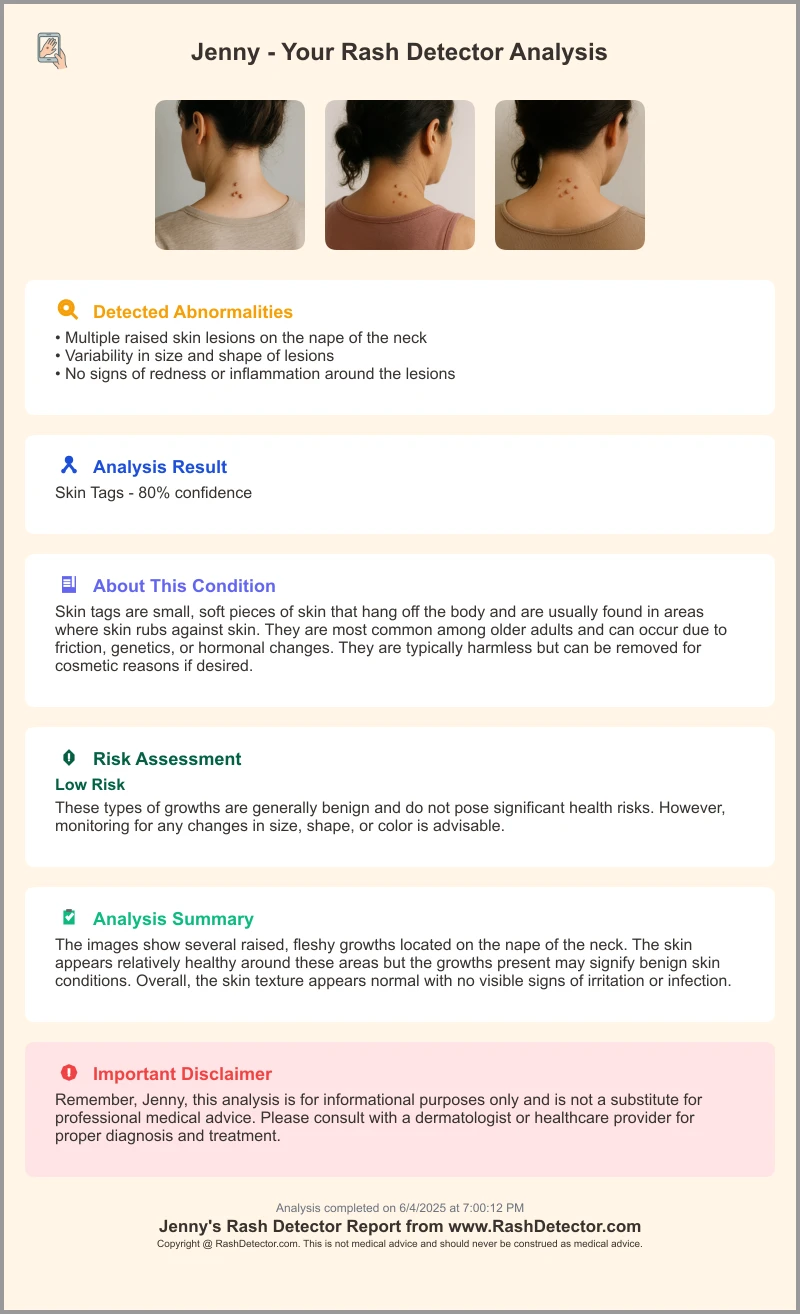
AI-powered tools like Rash Detector allow users to upload clear, well-lit photos of rashes from multiple angles. The AI analyzes color, shape, distribution, and location to suggest possible diagnoses and care recommendations within minutes. This can help users decide whether to seek urgent medical care or manage symptoms at home.
However, AI tools do not replace clinical evaluation. They should be used as supplementary aids alongside professional medical advice.
Conclusion
Understanding rashes by body part can be helpful for identifying possible causes and choosing appropriate care. Whether the rash is on your face, arms, legs, chest, or in skin folds like the groin, the location provides valuable diagnostic clues. Common conditions such as eczema, psoriasis, fungal infections, and contact dermatitis have characteristic patterns that can guide treatment strategies.
AI-powered apps like Rash Detector offer quick, accessible analysis to support your understanding by leveraging image and location data. However, these tools cannot replace professional medical advice. Always consult a healthcare provider for persistent, worsening, severe, or rapidly spreading rashes to receive accurate diagnosis and effective treatment tailored to your individual needs.
FAQ
Q: What does a rash on a specific body part mean?
A: The location of a rash can help narrow down possible causes by correlating with common patterns seen in specific conditions. For example, rashes on the face may indicate rosacea or contact dermatitis, while rashes in skin folds often suggest fungal infections or intertrigo. Combined with rash appearance, symptoms, and patient history, location is a key diagnostic clue.
Q: What causes rashes on arms and legs?
A: Rashes on arms and legs can result from contact dermatitis due to exposure to irritants or allergens, eczema, psoriasis, insect bites, or viral infections. Environmental factors such as sunlight, moisture, and friction also contribute.
Q: Why do I have a rash on my face or around my mouth?
A: Facial and perioral rashes may arise from allergic reactions, perioral dermatitis, seborrheic dermatitis, or infections like impetigo. Use of certain skincare or dental products can trigger or worsen these rashes.
Q: What causes a rash in the groin, armpits, or skin folds?
A: These warm, moist areas are prone to fungal infections such as candidiasis, intertrigo caused by friction and moisture, heat rash, and contact dermatitis due to irritants.
Q: When should I worry about a rash and see a doctor?
A: Seek medical care if a rash spreads quickly, is painful, blisters, or is accompanied by fever, systemic symptoms, or breathing difficulties. Persistent or worsening rashes despite treatment also require evaluation.
Q: How can I tell if a rash is eczema, hives, psoriasis, or a fungal infection?
A: Each condition has characteristic features: eczema is itchy and dry, often on flexural areas; hives are raised, red, and fleeting, usually from allergies; psoriasis shows thick, scaly plaques with silvery scales; fungal infections often have ring-shaped or moist scaly patches. For precise identification and treatment, consult a healthcare provider. Using Rash Detector can help provide initial guidance but is not a substitute for medical diagnosis.