Why Do Rashes Appear in Certain Areas? Understanding Rash Location
Discover why rashes appear in certain areas, what rash location reveals, and how to identify common causes by body part. Learn when to seek medical advice.

Estimated reading time: 13 min
Key Takeaways
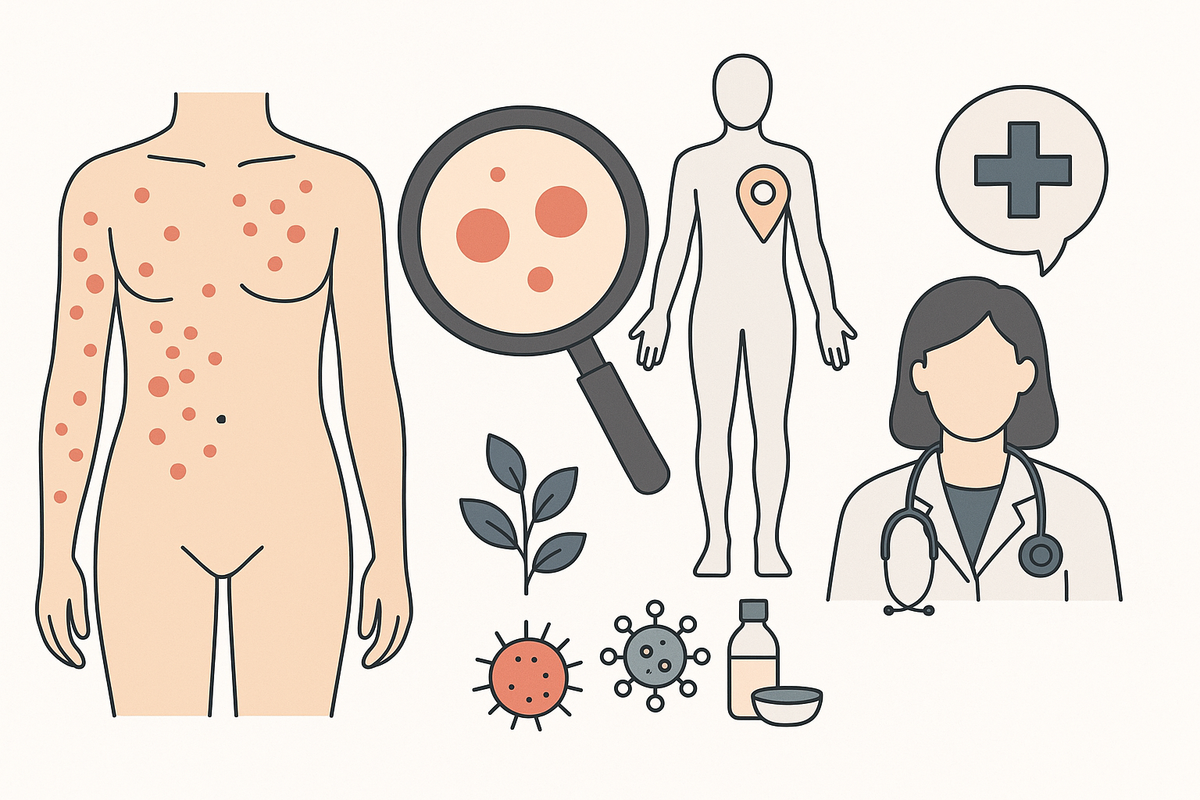
- The location of a rash offers important clues about its cause.
- Common triggers include contact allergens, friction, sweat, infections, and chronic skin conditions.
- Rash-prone areas include the face, arms, legs, chest, groin, skin folds, and hands.
- Some rashes are limited to one body part, while others may spread or move.
- See a doctor for any severe, spreading, persistent, or painful rash.
Table of Contents
- Section 1: Why Do Rashes Appear in Certain Areas?
- Section 2: Common Causes of Rashes by Body Location
- Section 3: How Rash Location Helps Identify the Cause
- Section 4: Environmental, Allergic, and Infectious Triggers
- Section 5: Chronic and Recurring Rashes in Specific Areas
- Section 6: When Rash Location Signals a Serious Condition
- Conclusion
- FAQ
Section 1: Why Do Rashes Appear in Certain Areas?
Understanding Rash Distribution
When a rash develops, its location is rarely random. The phrase "why do rashes appear in certain areas" is a key question for patients and clinicians alike. Where a rash shows up—whether as a rash on the face, arms, legs, chest, or between the buttocks—offers important clues about what’s causing it and how to approach care.
Factors Influencing Rash Location
- Contact with Irritants or Allergens: Skin that comes into direct contact with a triggering substance (e.g., jewelry, cosmetics, plants) is more likely to develop a localized rash. For example, a person allergic to nickel may notice a rash exactly where a necklace or watchband touches their skin, while poison ivy causes a rash wherever the plant’s oil contacts the body.
- Friction and Chafing: Areas where skin rubs together—such as under the breasts, groin, or between buttocks—are prone to irritation, especially in hot or humid conditions. Runners and athletes often experience rashes on inner thighs or underarms due to repetitive motion.
- Moisture and Sweat: Skin folds are warm and moist, creating an environment where rashes from yeast (fungal) or bacteria can develop. For instance, diaper rash in babies and intertrigo in adults often develop in these moist areas.
- Sun and Environmental Exposure: Sun-exposed areas (face, arms, chest) may develop rashes from sunlight, heat, or airborne allergens. People with certain sensitivities may experience photodermatitis—an abnormal skin reaction to sunlight—on these exposed regions.
- Skin Structure and Genetics: Differences in skin thickness, oiliness, hair growth, and immune responses affect where rashes are likely to occur. For example, people with oily skin may develop seborrheic dermatitis on the scalp or face, while those with dry, sensitive skin may get eczema in skin creases.
Examples of Rash Location Patterns
Some rashes favor specific areas. For example:
- Contact dermatitis often appears where an allergen touches the skin, such as the wrist (from a watch) or earlobe (from earrings).
- Psoriasis is common on elbows, knees, scalp, and lower back, but can also affect the nails and palms.
- Intertrigo forms in skin folds where moisture accumulates, such as the groin, under the breasts, and between the toes. It can become secondarily infected, making the rash more severe and uncomfortable.
Understanding these patterns is helpful for identification and management. Recognizing that the location of a rash is often related to external or internal factors can help guide initial care and the decision to seek medical attention.
For example, a rash limited to the area beneath a new bracelet may suggest contact dermatitis, while a symmetrical rash on both arms may point to a systemic or internal cause. Additionally, some rashes, like shingles, follow specific nerve pathways, creating distinctive stripe-like patterns that can be diagnostic clues.
Section 2: Common Causes of Rashes by Body Location
Face
A rash on the face is often due to irritants (cosmetics, soaps), allergic reactions, or chronic conditions like eczema and rosacea. Sun exposure and viral infections (like fifth disease or herpes) can also cause facial rashes. Because the face is visible and exposed, it’s especially sensitive to triggers. Seborrheic dermatitis, which appears as flaky, red patches, commonly affects areas around the nose, eyebrows, and hairline. Children may develop facial rashes from viral illnesses such as measles or hand-foot-and-mouth disease, while adults can experience perioral dermatitis—a rash around the mouth—sometimes linked to topical steroid use or certain toothpaste ingredients.
Arms and Legs
Rash on arms and rash on legs can result from contact with plants (poison ivy), insect bites, medications, or atopic dermatitis. Arms and legs are commonly affected by sunburn and friction from clothing or sports equipment. Some rashes, such as hives, can appear anywhere but may start on the limbs. Folliculitis, which is inflammation of hair follicles, can cause red bumps on the thighs and forearms, especially after shaving or exposure to hot tubs. In children, viral rashes may first appear on the extremities, as seen in hand-foot-and-mouth disease or certain types of scarlet fever.
Chest and Back
Rash on chest and back may indicate heat rash, allergic reactions to fabrics or detergents, or infectious causes like chickenpox and shingles. Acne, sometimes mistaken for a rash, also frequently affects these areas. Tight clothing and sweating can exacerbate symptoms. Shingles (herpes zoster) often starts as a tingling or burning sensation on one side of the chest or back before developing into a stripe of painful blisters. In children, chickenpox is known for starting on the torso and then spreading outward. Adults may develop pityriasis rosea, which often begins with a large “herald patch” on the chest or back followed by smaller spots distributed in a ‘Christmas tree’ pattern.
Groin, Buttocks, and Skin Folds
The rash between buttocks, groin, or under the breasts is often caused by friction, moisture, and poor air circulation. Fungal infections like candida, bacterial infections, and intertrigo are common here. Diaper rash in infants and jock itch in adults are classic examples. In addition, lichen sclerosus—a chronic inflammatory skin condition—can cause itchy, white patches in the genital area, while hidradenitis suppurativa may present as painful lumps and draining sinuses in the groin or underarms. Obesity and diabetes may increase the risk of skin fold rashes due to increased moisture and compromised skin barriers.
Hands and Feet
Rash on hands or feet may result from frequent washing (irritant dermatitis), allergic reactions (latex gloves), or infections (athlete’s foot). Hand eczema and dyshidrotic eczema—itchy blisters on the sides of fingers—are also location-specific. Palmoplantar psoriasis causes thick, scaly plaques on the palms and soles, while hand-foot-and-mouth disease in children produces red spots and blisters on these areas. Plantar warts, caused by human papillomavirus, may be mistaken for a rash on the soles of the feet.
Additional Examples by Location
- Scalp: Seborrheic dermatitis, psoriasis, tinea capitis (fungal infection), and lice infestations can cause scalp-specific rashes.
- Neck: Allergic contact dermatitis from perfumes or jewelry, heat rash, or viral exanthems in children.
- Elbows and Knees: Psoriasis plaques, eczema, and lichen planus often favor these areas due to their thicker skin and exposure to trauma.
Internal Resources for Further Reading
For in-depth tips on symptom relief, see Best Anti Itch Cream: Top Picks and How to Choose. If your rash followed medication use, explore Rash from Medication: Causes, Symptoms & Next Steps.
Section 3: How Rash Location Helps Identify the Cause
Localized vs. Widespread Rashes
Location helps distinguish between rashes that are localized (affecting one specific spot) and those that are generalized (spreading across the body). For instance:
- Localized rashes often result from direct contact with irritants, such as a watchband causing a wrist rash. This can help pinpoint the source—if only the left wrist is affected and a new watch was recently worn, contact dermatitis is possible.
- Widespread rashes might signal systemic reactions—like viral infections (measles, rubella), drug allergies (morbilliform drug eruption), or autoimmune diseases (lupus, dermatomyositis).
Hives (urticaria) are notable for moving around the body, appearing in one spot and then fading as new spots arise elsewhere. This mobility can be a clue for allergic reactions or immune responses. Hives may develop on the arms one hour, then on the legs or trunk the next, making them distinctive from static rashes.
Mapping Rash Patterns
Doctors use the location and pattern of a rash to narrow down potential causes. Careful observation of the rash's shape, distribution, and evolution over time is important:
- Linear patterns may indicate contact with a plant or chemical. Poison ivy typically causes streaks or lines of blisters where the plant brushed against the skin.
- Symmetrical rashes (on both sides of the body) might be due to internal triggers, such as viral exanthems or drug reactions. For example, a measles rash often starts on the face and spreads symmetrically to the trunk and limbs.
- Rashes in sun-exposed areas could be photosensitive eruptions. Lupus, for example, can cause a butterfly-shaped rash across both cheeks and the bridge of the nose (malar rash) that may worsen with sun exposure.
- Dermatomal patterns: Shingles (herpes zoster) follows the distribution of a single sensory nerve, producing a stripe-like rash on one side of the body. Recognizing this pattern is important for timely antiviral treatment.
Linking Location to Diagnosis
Specific rashes have classic distributions. For example:
- Eczema in children often affects the face and scalp; in adults, it’s more common in elbow and knee creases. Eczema may become lichenified (thickened) in areas of chronic scratching, such as the wrists or ankles.
- Psoriasis typically appears on extensor surfaces (elbows, knees), scalp, and lower back. Inverse psoriasis, by contrast, affects skin folds and appears smooth and red without scale.
- Shingles follows a single nerve path (dermatome), creating a stripe of rash on one side of the body. Early symptoms may include burning pain or tingling even before the rash appears.
- Hand-foot-and-mouth disease produces a distinctive rash of red spots and sometimes blisters on the hands, feet, and inside the mouth, most common in children under five.
- Meningococcal infection can cause a rapidly spreading, purple, non-blanching rash often starting on the trunk and legs—an emergency requiring immediate medical attention.
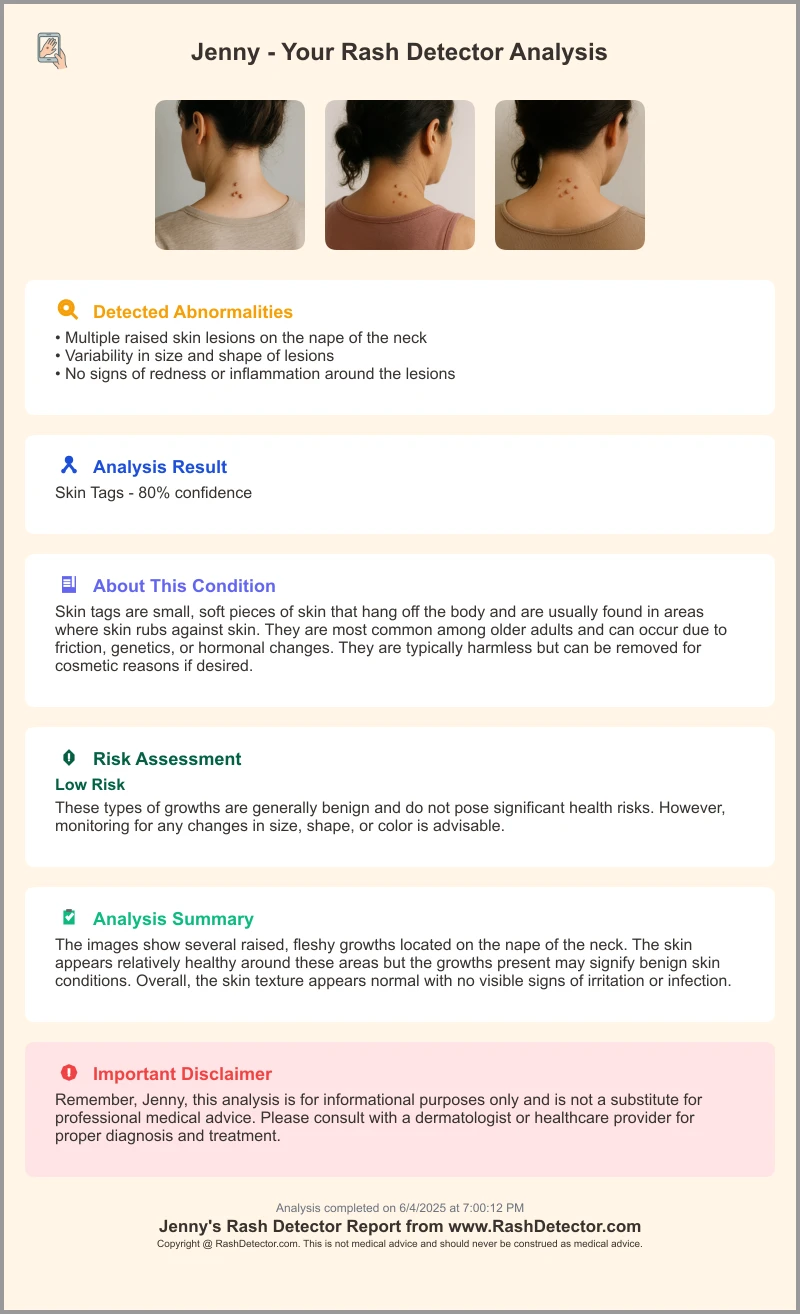
Accurate identification often starts with mapping where the rash is located and how it has spread or changed over time. For a rapid, AI-powered analysis, try uploading images to Rash Detector for instant guidance.
Section 4: Environmental, Allergic, and Infectious Triggers
Contact Dermatitis
Contact dermatitis develops when the skin reacts to a substance it touches. The rash usually appears precisely where contact occurred. Common triggers:
- Allergens: Nickel in jewelry, fragrances, latex, or plants like poison ivy. Even a brief encounter can cause a reaction in sensitive individuals. For example, a nickel allergy may result in a red, itchy rash under a belt buckle or on the earlobes after wearing certain earrings.
- Irritants: Soaps, detergents, cleaning chemicals, and prolonged water exposure. Healthcare workers and food handlers often develop irritant dermatitis from frequent handwashing.
This explains why rashes often show up on the hands, wrists, face, or areas covered by clothing or accessories. The sharp borders of contact dermatitis often match the shape of the contact object, such as a rectangular patch from a bandage or a circle from a watch face.
Environmental Factors
- Heat and Sweat: Hot weather and tight clothing can cause heat rash, especially in skin folds or under the breasts. Heat rash (miliaria) appears as small, red bumps and is common in infants and athletes. Wearing loose, breathable clothing and staying cool can help prevent this rash.
- Friction: Rashes commonly develop under watchbands, bra straps, or where skin rubs together. Chafing is frequent among runners and cyclists, often affecting the inner thighs and underarms. Additionally, friction from ill-fitting shoes can cause blisters or calluses on the feet.
- Sunlight: Photosensitive rashes often appear on the face, arms, and chest after sun exposure. Certain medications (such as some antibiotics and diuretics) can increase sun sensitivity, leading to photodermatitis—a rash triggered by sunlight.
Infectious Causes by Area
- Fungal: Athlete’s foot (between toes), jock itch (groin), and yeast infections (skin folds). These infections thrive in warm, moist environments and are more common in athletes, those who sweat heavily, and people with diabetes.
- Bacterial: Impetigo (face, arms), cellulitis (legs), and folliculitis (hair-bearing areas). Impetigo is highly contagious and characterized by honey-colored crusts, often around the mouth and nose in children. Cellulitis presents as red, swollen, painful skin that may spread rapidly and requires prompt medical treatment.
- Viral: Chickenpox (trunk, then spreads), hand-foot-and-mouth disease (hands, feet, mouth). Measles and rubella start on the face and spread to the trunk and limbs. Herpes simplex virus causes grouped blisters, typically on the lips (cold sores) or genital area.
- Parasitic: Scabies often targets the webs of fingers, wrists, and waistline. The burrows created by the mites appear as thin, wavy lines and are intensely itchy, especially at night. Close contacts should also be treated to prevent reinfestation.
Infectious rashes often start in one area and may spread, depending on hygiene, scratching, or immune status. Early identification and appropriate hygiene measures (such as hand washing and avoiding scratching) are important to limit spread.
Preventive Tips for Environmental and Infectious Triggers
- Wash hands regularly and avoid sharing towels or personal items, especially if someone in the household has a contagious rash.
- Keep skin folds clean and dry; use absorbent powders if necessary.
- Change sweaty clothes promptly and shower after exercise.
- Apply sunscreen to sun-exposed areas to help prevent photosensitive rashes.
Section 5: Chronic and Recurring Rashes in Specific Areas
Eczema (Atopic Dermatitis)
Eczema is a chronic condition marked by itchy, inflamed skin. It favors certain locations:
- Infants: Cheeks, scalp, outer arms and legs. Eczema can cause oozing and crusting in these areas, making infants irritable and interfering with sleep.
- Older children/adults: Elbow creases, behind knees, wrists, ankles, and sometimes the face. Chronic scratching can lead to thickened, leathery skin (lichenification), especially at flexural sites.
Triggers include dry skin, stress, allergens, and irritants. The rash location evolves with age and lifestyle habits. For example, adults who work with wet hands or harsh chemicals may develop hand eczema, while athletes may notice more flare-ups in areas prone to sweat and friction.
Eczema often improves with moisturizers, avoidance of triggers, and sometimes topical medications. Identifying the common locations helps distinguish eczema from other skin conditions, such as psoriasis or fungal infections.
Psoriasis
Psoriasis causes thick, scaly plaques that most often develop on:
- Elbows and knees
- Scalp and back
- Palms, soles, and sometimes nails (resulting in pitting or separation from the nail bed)
Psoriasis may also appear in skin folds (inverse psoriasis), particularly in the groin, buttocks, or underarms. These patterns can help distinguish psoriasis from other chronic rashes. Psoriasis is often associated with nail changes and may be accompanied by joint pain (psoriatic arthritis).
The location and appearance of psoriatic plaques—well-demarcated, silvery scales on extensor surfaces—are classic features. Inverse psoriasis, by contrast, appears as smooth, red patches in skin folds and lacks the typical scale due to moisture.
Intertrigo and Skin-Fold Rashes
Rashes in skin folds—like under the breasts, groin, or between buttocks—are often due to intertrigo: irritation from heat, moisture, and friction. Secondary infection by yeast (Candida) or bacteria is common. Risk factors include obesity, diabetes, and immobility.
- Symptoms: Red, raw, sometimes oozing rash with a distinct border. Satellite pustules or smaller lesions may appear around the main rash in cases of yeast infection.
- Prevention: Keep folds clean and dry, wear breathable clothing. Barrier creams or absorbent powders may help reduce friction and moisture. In persistent or recurrent cases, antifungal or antibacterial treatments may be needed.
Sites like Rash Detector can help you compare images and get location-specific guidance for these persistent rashes. Remember that chronic rashes in the same area may signal an underlying health issue, such as diabetes, so it’s important to seek medical advice if the rash does not resolve with basic care.
Section 6: When Rash Location Signals a Serious Condition
Warning Signs by Area
While most rashes are not dangerous, some locations or features should prompt urgent medical evaluation:
- Face: Swelling of lips, eyes, or tongue with a rash may indicate a severe allergy (anaphylaxis). This is a medical emergency—call emergency services immediately.
- Hands/feet: Painful, purple, or blistering rashes can be signs of vasculitis or serious infection. For example, purplish spots (purpura) may suggest meningococcemia, especially if accompanied by fever and lethargy.
- Groin/buttocks: Rapidly spreading redness, swelling, or pain could indicate cellulitis or necrotizing fasciitis (medical emergencies). These conditions can progress quickly and require prompt treatment.
Rashes accompanied by fever, difficulty breathing, confusion, or severe pain anywhere on the body require immediate attention. In addition, a rapidly spreading rash, blistering, or signs of systemic illness (such as vomiting, headache, or neck stiffness) should never be ignored.
Systemic Symptoms
- Widespread rash with fever: Can signal meningitis, toxic shock syndrome, or severe drug reactions (such as Stevens-Johnson syndrome or DRESS syndrome). These are rare but potentially life-threatening conditions and require emergency care.
- Persistent, unhealed rashes: Rarely, a persistent rash may be a sign of skin cancer (such as basal cell carcinoma, squamous cell carcinoma, or melanoma) or autoimmune disease (lupus, dermatomyositis, or vasculitis). Any non-healing or changing lesion should be evaluated by a doctor or dermatologist.
Always seek professional advice if you’re unsure, symptoms are severe, or the rash does not improve with basic care. For more on medication-related rashes, see Drug Rash: Causes, Symptoms, and How to Identify It.
Who Is at Higher Risk?
- Infants and elderly: May be more vulnerable to infections and complications. For example, diaper rash in infants can quickly become infected, while older adults have thinner skin and may not notice early signs of infection.
- People with weakened immune systems: May experience unusual rash locations or patterns, and are at higher risk for severe infections. This includes people undergoing chemotherapy, living with HIV/AIDS, or taking immunosuppressive medications.
- Those with chronic diseases: Diabetes, cancer, or autoimmune disorders can alter rash presentation and severity. For instance, people with diabetes are more likely to develop fungal infections in skin folds or have delayed healing of skin lesions.
Note: This article is for educational purposes only. Always consult a doctor or dermatologist for diagnosis and treatment, especially for severe, spreading, painful, or persistent symptoms.
Conclusion
Understanding why rashes appear in certain areas can guide you toward the right diagnosis and faster relief. Rash location is a helpful clue, influenced by contact with allergens, friction, moisture, skin type, infection, and underlying health. Whether you’re dealing with a rash on the face, arms, legs, chest, hands, or in skin folds, knowing the common causes and when to seek help is important. For fast, AI-powered analysis and personalized guidance, consider uploading images to Rash Detector. If you have doubts, persistent symptoms, or severe reactions, always see a healthcare professional for expert care.
FAQ
Q: Why do rashes appear in specific areas of the body?
A: Rashes often appear in certain areas due to direct contact with irritants or allergens, friction, sweat, infection, or chronic skin conditions. Anatomy, genetics, and environmental factors also play a role in determining where a rash develops. For example, people with a family history of eczema may develop rashes on the insides of the elbows or behind the knees, while those with allergies to nickel may get rashes under jewelry.
Q: What does the location of a rash tell you about the cause?
A: The location can reveal the underlying trigger. For example, rashes on the hands may suggest contact dermatitis, while rashes in skin folds may point to fungal infections or intertrigo. Symmetrical or widespread rashes may indicate systemic issues or reactions, such as viral infections or drug allergies. Careful attention to where the rash started and how it has spread is helpful for diagnosis.
Q: Why do rashes show up in skin folds, groin, or under the breasts?
A: Skin folds are warm and moist, making them prone to friction and overgrowth of bacteria or yeast. These areas are common sites for intertrigo and fungal infections, especially in hot weather or with poor ventilation. Keeping these areas dry and clean can help prevent these types of rashes, but persistent or worsening symptoms should be evaluated by a healthcare provider.
Q: Can hives move from one part of the body to another?
A: Yes, hives (urticaria) are known to appear in one area, fade, and then reappear elsewhere. This migrating pattern is typical of allergic or immune responses. Hives usually appear as raised, red, itchy welts and can be triggered by foods, medications, or unknown causes (idiopathic).
Q: What kind of rash appears after contact with an irritant or allergen?
A: Contact dermatitis causes a rash at the site of exposure, typically presenting as red, itchy, sometimes blistered or scaly patches. The rash's location matches where the irritant or allergen touched the skin. Common examples include poison ivy (linear streaks) and nickel (under jewelry). Avoiding the trigger and using topical treatments usually help, but see a doctor if the rash is severe or does not improve.
Q: When should a rash in one area be checked by a doctor?
A: See a healthcare provider if the rash is severe, spreading, painful, persistent, associated with fever or other symptoms, or if you have underlying medical conditions that increase risk for complications. Early evaluation is especially important for infants, elderly, or anyone with a weakened immune system. Never ignore rashes that blister, turn purple, or are accompanied by difficulty breathing or other systemic symptoms.