Rash Between Buttocks Cheeks: Causes, Relief & Expert Guidance
Learn about rash between buttocks cheeks—causes, symptoms, relief, and when to see a doctor. Get expert tips and instant analysis with Rash Detector.
Estimated reading time: 13 min
Key Takeaways
- The rash between buttocks cheeks, or intergluteal rash, is a common skin issue with various causes.
- Symptoms can include redness, itching, burning, and sometimes pain or oozing.
- Hygiene, moisture, friction, and underlying conditions like fungal infections are often responsible.
- Proper care, home management, and knowing when to seek medical advice are crucial for relief.
- AI tools like Rash Detector can help you analyze your rash and guide your next steps.
Table of Contents
- Section 1: Understanding Rash Between Buttocks Cheeks
- Section 2: Common Causes of Intergluteal Rash
- Section 3: Recognizing Symptoms and When to Worry
- Section 4: Effective Home Remedies and Prevention
- Section 5: Medical Treatments for Butt Rashes
- Section 6: How Rash Detector Can Help
- Conclusion
- FAQ
Section 1: Understanding Rash Between Buttocks Cheeks
What Is an Intergluteal Rash?
A rash between the buttocks cheeks, also known as an intergluteal rash or butt rash, refers to any skin irritation, discoloration, or lesion that occurs in the crease separating your buttocks. This area is particularly susceptible to skin problems due to its anatomy and the environmental conditions it is exposed to daily. The region is a skin fold, which naturally traps heat and moisture, both of which can disrupt the skin's barrier and lead to irritation or infection. Intergluteal rashes can affect people of all ages—from infants (commonly as diaper rash) to adults and seniors. Those with active lifestyles, people who sit for long periods, and individuals with certain chronic health problems (such as diabetes) may be at higher risk.
Why This Area Is Prone to Rashes
- Moisture accumulation: The intergluteal fold is a prime site for sweat and water to collect, especially after exercise, bathing, or during hot weather. Skin in this region is often covered by clothing, which reduces evaporation and keeps moisture in place. This persistent dampness weakens the skin's defenses and encourages the growth of microbes like bacteria and fungi.
- Friction: Daily activities such as walking, running, cycling, or even prolonged sitting can cause the skin of the buttocks to rub together. This constant friction can wear down the protective layer of the skin, resulting in redness, soreness, and, in severe cases, erosions or fissures. Chafing is especially common in athletes or people who wear tight-fitting clothes.
- Lack of ventilation: The area between the buttocks is naturally less exposed to airflow. Tight undergarments, synthetic fabrics, and snug pants further decrease ventilation, trapping heat and moisture. This can exacerbate irritation and make it harder for the skin to heal.
- Hygiene challenges: The intergluteal fold can be difficult to clean effectively, particularly for people with limited mobility, obesity, or incontinence. Inadequate cleansing may leave behind sweat, fecal residue, or irritants, which can provoke or worsen a rash.
Types of Rashes Found Between Butt Cheeks
The intergluteal region is susceptible to several distinct types of rashes, each with unique features and underlying causes:
- Contact dermatitis: This irritation occurs when the skin reacts to an external substance—such as harsh soaps, laundry detergents, scented wipes, or certain types of fabric. It may present as red, itchy, sometimes blistered patches. The reaction can be immediate or develop after repeated exposure.
- Fungal infections: Yeast (Candida) and dermatophyte fungi thrive in warm, moist environments. Candidal intertrigo is a classic example, appearing as shiny, red, sometimes raw patches with distinct borders, often with satellite pustules (tiny red bumps or pimples nearby). Fungal rashes tend to worsen in humid conditions or when the area remains wet.
- Heat rash (miliaria): Occurs when sweat ducts become blocked, leading to small, itchy bumps or blisters. Heat rash is especially common in hot, humid climates, after intense exercise, or in individuals wearing non-breathable clothing.
- Psoriasis: This chronic autoimmune skin condition can affect the intergluteal fold, producing well-defined, pink or red plaques with silvery scales. In skin folds, plaques may appear less scaly and more shiny or raw (a variant called "inverse psoriasis").
- Bacterial infections: Bacteria can invade the skin if it is broken or macerated. Impetigo, for example, can produce honey-colored crusts, while folliculitis presents as small, red bumps or pus-filled lesions around hair follicles. In rare cases, deeper infections like cellulitis can develop, which may be serious.
Understanding the differences between these rashes is critical, as management strategies differ. For instance, steroid creams may help with allergic rashes but can worsen fungal infections. The following sections will help you recognize these rashes and guide your next steps for care.
Section 2: Common Causes of Intergluteal Rash
Friction and Chafing
Mechanical friction is one of the most frequent triggers of butt rashes. This is especially true for those who are overweight, participate in sports, or spend long hours sitting. The repeated movement of skin-on-skin or skin-on-fabric contact can break down the outermost layer of skin (stratum corneum), leading to redness, soreness, and eventually to painful erosions or splits. Some people may notice the skin turning raw or developing shiny, glazed patches. Over time, chafed skin becomes more vulnerable to infection.
- Wearing tight or synthetic underwear and pants increases friction and traps sweat against the skin. Cotton and moisture-wicking fabrics are often better choices for reducing chafe.
- Obesity or having large skin folds increases the surface area for friction and the likelihood of sweat accumulation. This can make management and prevention more challenging.
- People whose jobs require long hours of sitting (such as drivers, office workers) or athletes (runners, cyclists) are at higher risk. Taking breaks to stand and using breathable clothing can help reduce risk.
Moisture and Sweat
Moisture is a key contributor to intergluteal rashes. Sweat, water from bathing, or residual moisture after using the bathroom can remain trapped in the skin fold. Over time, this constant dampness causes the skin to macerate—soften and break down—making it more vulnerable to irritation and infection. If not addressed, chronic moisture can lead to persistent redness, itching, and eventually skin breakdown or ulcers.
- People prone to heavy sweating (hyperhidrosis), athletes, and those living in hot climates are particularly vulnerable. Even sedentary individuals can be affected if they wear occlusive clothing or cannot change out of wet garments promptly.
- Infants and adults who wear diapers or incontinence pads are at increased risk of developing rashes due to prolonged exposure to moisture and irritants from urine or stool.
- Inadequate drying after showers or baths is a common, often overlooked cause. Always gently pat (not rub) the area dry with a soft towel, and consider using a hairdryer on a cool setting for folds that are difficult to reach.
Infections: Fungal, Bacterial, and Viral
The skin between the buttocks is an ideal environment for microbes to multiply. Each type of infection has hallmark features:
- Fungal (Candidal) intertrigo: Especially common in people with diabetes, obesity, or those on antibiotics. The rash is typically bright red, well-defined, with possible oozing or satellite lesions (smaller spots nearby). People may notice increased itching, burning, and a persistent sensation of moisture.
- Bacterial infections: Staphylococcus and Streptococcus species can infect chafed or broken skin, leading to impetigo (honey-colored crusts), folliculitis (small, pus-filled bumps), or cellulitis (spreading redness and swelling, often with warmth and pain).
- Viral infections: Though rare, herpes simplex virus can cause clusters of painful blisters or ulcers in the buttocks crease. This is more common in individuals with weakened immune systems.
Prompt recognition and treatment of infections are important to prevent spreading or complications. If you are unsure whether you have an infection, it's best to consult a healthcare provider.
Other Causes
- Allergic/contact dermatitis: Reactions to new soaps, fragranced wipes, detergents, latex in underwear or pads, or topical medications. Symptoms can include intense itching, redness, swelling, and sometimes blisters.
- Psoriasis: Inverse psoriasis in the buttock crease may look less scaly than elsewhere but is usually well-demarcated, shiny, and sometimes tender. It often recurs and may be associated with psoriasis on other parts of the body (like elbows or scalp).
- Heat rash (miliaria): Results from blocked sweat ducts, leading to tiny, itchy bumps or even blisters. The rash is most common in infants, but adults exposed to hot, humid conditions or wearing occlusive clothing can develop it, too. For more prevention tips, see our heat rash prevention guide.
- Other rare causes: Lichen planus, seborrheic dermatitis, and even certain sexually transmitted infections may sometimes present in the intergluteal area.
Identifying the precise cause of your rash is crucial. Many rashes look alike, but treatments can differ. If you are not certain about the cause, or if your rash is not improving, using tools like Rash Detector or consulting a healthcare provider can help you decide on your next steps.
Section 3: Recognizing Symptoms and When to Worry
Typical Symptoms of Butt Rash
Intergluteal rashes can present with a range of symptoms, from mild discomfort to significant pain or distress. Being able to recognize these can help you decide how urgently you need to act:
- Redness or pink patches: The most common sign, often starting as a flat, red area in the crease. Over time, the redness may spread or intensify, especially if the area remains moist or irritated.
- Itching or burning: These sensations may be mild at first but can become intense, particularly with sweat, heat, or exposure to irritants. Nighttime itching is common and may disturb sleep.
- Raw, sore skin: The skin can become tender to touch, especially during activities like walking or sitting. Washing with soap or exposure to urine or stool may sting.
- Peeling, scaling, or cracked skin: Chronic rashes, especially those from fungal infections or psoriasis, may result in scaling or flaking. In some cases, the skin may crack (fissures), which can be painful and slow to heal.
- Oozing or weeping: Some rashes produce clear, yellowish, or even greenish fluid, especially if infected. Wetness may be constant or only appear after scratching.
- Bumps, pustules, or blisters: Small red bumps (folliculitis), pus-filled lesions (impetigo, infected intertrigo), or blisters (viral infections) may develop. These are signs that the rash may have become infected.
It's worth noting that symptoms can overlap between different types of rashes. For example, fungal and bacterial infections may both cause redness and oozing, but treatment is different.
Warning Signs That Need Medical Attention
While most mild rashes can be managed at home, certain symptoms suggest a more serious problem and should prompt you to seek medical advice:
- Spreading redness or swelling: If the rash expands rapidly, becomes raised or swollen, or moves beyond the buttocks crease, it could indicate cellulitis or a spreading infection.
- Severe pain, warmth, or tenderness: Increasing pain rather than improvement, or a sensation of heat to the touch, may also point to infection.
- Fever or feeling unwell: Systemic symptoms like fever, chills, malaise, or confusion suggest that the infection may be affecting your whole body.
- Persistent rash: If your rash does not respond to home care after 7 days, or keeps recurring, a more thorough medical evaluation is needed.
- Pus, foul odor, or rapidly worsening symptoms: Pus (yellow or green), a bad smell, and rapid changes can indicate a bacterial infection that needs antibiotics.
- Blisters, ulcers, or bleeding: These are concerning findings, especially if they develop suddenly or are associated with pain or fever.
Never try to self-treat severe, spreading, or persistent rashes with prescription creams without medical advice. A healthcare provider can assess the rash, perform any necessary tests, and recommend targeted treatment.
When to Use a Rash Analysis App
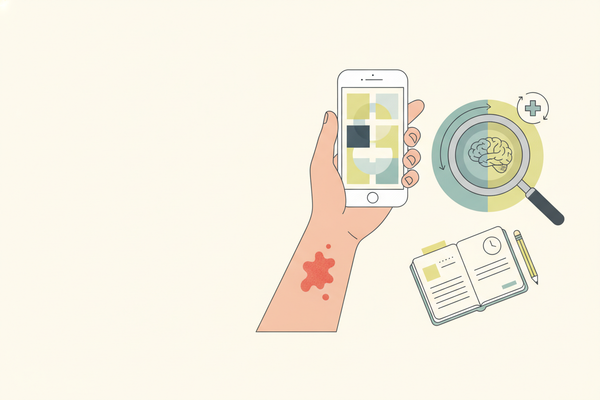
If you are uncertain about the cause or severity of your rash, a digital tool like Rash Detector can provide helpful insights. By uploading three clear images (from different angles and distances), you get an AI-generated analysis that compares your rash to thousands of documented skin conditions. While not a substitute for a professional diagnosis, this can help you:
- Better understand the potential causes of your rash
- Track changes in the rash over time by comparing photos
- Prepare for a medical appointment by having a report to share with your provider
- Decide whether your symptoms may be managed at home or if you need urgent care
Always remember: Severe, spreading, painful, or persistent rashes require evaluation by a doctor or dermatologist for proper diagnosis and treatment.
Section 4: Effective Home Remedies and Prevention
First Steps for Relief
If you notice a rash starting to develop in your buttocks fold, prompt action can prevent worsening and speed recovery. Here are evidence-based first steps:
- Keep the area clean and dry: Wash gently with lukewarm water and a mild, fragrance-free soap. Avoid scrubbing, which can irritate sensitive skin. Gently pat dry using a soft towel after washing, swimming, or exercising. If the area is difficult to dry, you can use a hairdryer on a cool, low setting for a few seconds.
- Wear loose, breathable clothing: Choose cotton underwear and loose-fitting pants or shorts. These allow for airflow, reducing moisture and friction. Avoid synthetic, tight, or non-breathable fabrics that trap heat and sweat.
- Use barrier creams: Products containing zinc oxide or petroleum jelly (petrolatum) form a physical barrier, helping to shield raw or chafed skin from further irritation. These are especially useful for people who experience chafing from exercise or for infants/adults in diapers.
- Avoid irritants: Switch to fragrance-free, hypoallergenic soaps, detergents, and wipes. Avoid using harsh cleansers, antiseptics, or alcohol-based products on the rash.
Targeted Home Remedies
- Antifungal powders or creams: If you suspect a yeast (candidal) rash—especially if the area is moist, red, and has satellite spots—over-the-counter antifungal creams (such as clotrimazole, miconazole) can help. Apply a thin layer after cleaning and drying the area. Powders can help keep the fold dry, but avoid overuse, as buildup can also irritate.
- Cool compresses: Applying a clean, cool, damp washcloth for 5-10 minutes a few times a day can soothe burning, itching, or discomfort. Always dry the area thoroughly after.
- Oatmeal baths: Colloidal oatmeal (available at drugstores) can be added to a lukewarm bath to calm inflammation and relieve itching. Soak for 10-15 minutes, then gently pat dry.
- Calamine lotion: For mild, weeping rashes, calamine lotion can help dry out the area and reduce itching. It is not suitable for open wounds or deep cracks.
- Avoid scratching: Scratching increases irritation and risk of infection. Trim your nails and use soft, loose clothing to reduce temptation.
- Absorbent powders: Talc-free absorbent powders or cornstarch can help keep the area dry, but use sparingly to avoid caking.
While these remedies are safe for most mild rashes, discontinue use and consult your healthcare provider if you notice worsening, new symptoms, or no improvement after several days.
Prevention Tips
- Shower promptly after any activity that causes sweating. Change out of damp or sweaty clothes as soon as possible.
- Dry the intergluteal fold thoroughly after bathing—use a soft, clean towel or a hairdryer on a cool setting.
- If prone to sweating, consider using an absorbent powder or moisture-wicking underwear. For athletes, specialty products designed to prevent chafing (such as anti-chafe balms or sticks) can be helpful.
- Maintain a healthy weight to reduce the depth of skin folds and friction.
- Improve mobility, if possible, to make cleaning and drying the area easier. For those with limited mobility, caregivers should be instructed on proper skin care techniques.
- Stay hydrated and eat a balanced diet to support healthy skin.
- For ongoing itch management or recurrent rashes, see our guide on best anti itch creams for more targeted solutions.
Taking these steps daily can markedly reduce your risk of developing intergluteal rashes, especially if you have risk factors such as obesity, diabetes, or participate in sports.
Section 5: Medical Treatments for Butt Rashes
When Over-the-Counter Isn’t Enough
If your buttocks rash does not improve after 7 days of home care, or if symptoms are severe, you should seek medical attention. A healthcare provider or dermatologist can determine the underlying cause and prescribe targeted therapy. Examples of medical treatments include:
- Prescription antifungals: For persistent or widespread yeast infections, stronger topical agents (such as ketoconazole, econazole) or oral medications (such as fluconazole) may be prescribed. These are particularly important for rashes that have failed to respond to over-the-counter creams.
- Topical steroids: Short courses of mild to moderate corticosteroid creams (such as hydrocortisone or triamcinolone) can rapidly reduce inflammation and itching in cases of allergic or irritant dermatitis, and certain chronic skin conditions. However, these should never be used on suspected fungal rashes unless prescribed, as they can make fungal infections worse.
- Antibiotics: If a bacterial infection is suspected (pus, crusts, spreading redness), a provider may prescribe topical or oral antibiotics (such as mupirocin ointment or oral cephalexin). Prompt treatment is important to prevent the infection from spreading to deeper tissues.
- Special therapies for chronic conditions: For conditions like psoriasis, lichen planus, or hidradenitis suppurativa, more specialized therapies such as immunomodulators, biologics, or phototherapy may be considered. Chronic management often involves regular follow-up with a dermatologist.
What to Expect During a Medical Visit
- Physical examination: The provider will carefully inspect the rash—the color, distribution, borders, scale, and signs of infection provide important diagnostic clues.
- Lab tests: Swabs may be taken from the area for bacterial or fungal cultures, especially if there is pus, oozing, or if the rash is not responding to standard treatments. A potassium hydroxide (KOH) prep may be used to identify fungus under the microscope.
- Medical history: You may be asked about recent exposures (new soaps, detergents, clothing), your hygiene routine, any new medications, chronic health problems, and previous rash episodes.
- Skin biopsy: In rare cases, a small sample of skin may be taken for histological analysis—especially if a chronic or unusual rash is suspected.
- Discussion of care plan: Expect to receive instructions on medication application, hygiene measures, and when to follow up.
It is important not to use strong prescription creams, especially steroids or antifungals, without a doctor's guidance. Misuse can worsen infections, thin the skin, or mask underlying disease.
When to Seek Emergency Care
- Rapidly spreading redness, swelling, or pain that does not improve with simple measures
- Signs of systemic illness: high fever, chills, confusion, feeling very unwell
- Blisters, ulcers, or persistent bleeding that does not heal with standard care
Severe rashes can sometimes indicate deeper infections or other serious conditions. Always consult a healthcare provider for diagnosis and treatment—especially if your rash is severe, spreading, very painful, or persistent.
Section 6: How Rash Detector Can Help
Instant Analysis at Your Fingertips
Determining the cause of a rash between the buttocks cheeks can be difficult—even for medical professionals—since many rashes look similar. The Rash Detector app offers a rapid, AI-powered second opinion. By leveraging a large, curated database of skin images and machine learning algorithms, Rash Detector helps you:
- Identify whether your rash looks most like a fungal, bacterial, allergic, or chronic skin condition
- Receive personalized suggestions for home care and next steps
- Track your rash over time by uploading follow-up images
- Document your symptoms and generate a report to share with your healthcare provider
How It Works
- Take or upload three high-quality photos of your rash (different angles and distances are best; good lighting is important)
- The app's AI analyzes features such as color, shape, border, scaling, and distribution
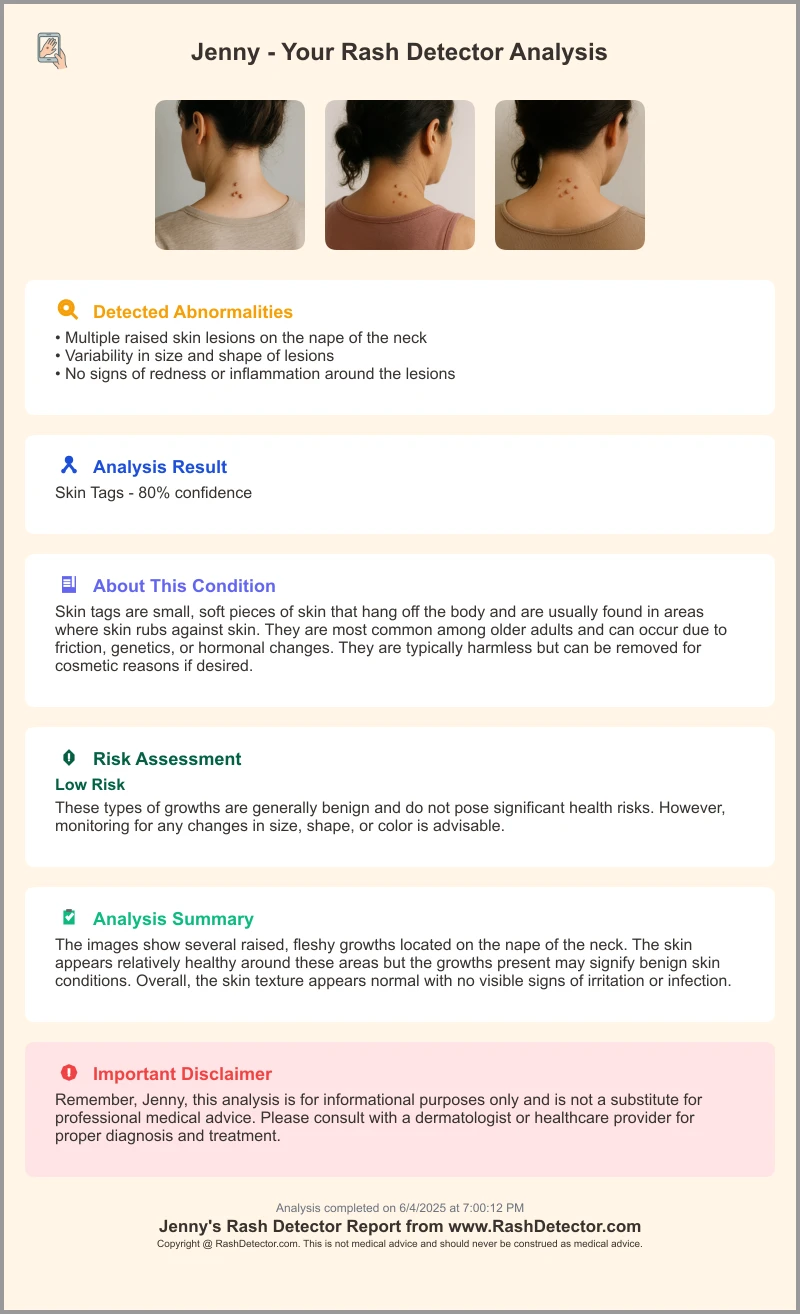
- You receive a detailed report listing the most likely causes (such as intertrigo, candidiasis, contact dermatitis, or psoriasis) and practical advice about home care or when to seek medical help
- Guidance includes care instructions, a symptom checklist, and red flag warnings for when to see a doctor
Why Use Rash Detector?
- Peace of mind: The app can help you quickly understand whether your rash is likely to be serious or manageable at home
- Track changes: Upload images over several days to see if your rash is improving or worsening—helpful for monitoring the effect of home remedies or medications
- Prepare for appointments: Print or share your report with your doctor to streamline your visit and give a clear history of your symptoms
- Private and accessible: Use the app from home, any time, without waiting for an appointment
While Rash Detector cannot provide a definitive diagnosis or replace a medical professional, it is a valuable educational tool for identifying patterns, understanding your symptoms, and knowing when to take further action. Always consult a healthcare provider for persistent, severe, or spreading rashes.
Conclusion
A rash between buttocks cheeks, or intergluteal rash, is uncomfortable but common. Causes range from simple chafing to infections and chronic skin conditions. With good hygiene, moisture control, and simple remedies, most butt rashes improve quickly. However, persistent, severe, spreading, or painful symptoms demand medical attention. For instant analysis and guidance, try Rash Detector to help you understand your rash and know when to seek professional help.
Remember: This article is for informational purposes only and does not provide a diagnosis. Always see your doctor or dermatologist for persistent, painful, severe, or spreading rashes.
FAQ
Q: What causes a rash between buttocks cheeks?
A: Common causes include friction, sweat, fungal or bacterial infections, contact dermatitis, and chronic conditions like psoriasis. Moisture and heat in this area make it especially prone to rashes.
Q: Can I treat a butt rash at home?
A: Many mild rashes improve with good hygiene, keeping the area dry, and using barrier creams or antifungal powders. If symptoms worsen or don’t improve in a week, see a healthcare provider.
Q: When should I see a doctor for a rash between my butt cheeks?
A: Seek medical attention if your rash is severe, painful, spreading, accompanied by fever, or not improving after a week of home care. Also, see a doctor for blisters, oozing, or signs of infection.
Q: How can I prevent intergluteal rash?
A: Keep the area clean and dry, wear loose clothing, change out of sweaty clothes promptly, and use fragrance-free products. For ongoing prevention, review our tips in the home remedies section above.
Q: Can Rash Detector diagnose my rash?
A: Rash Detector offers instant analysis and guidance based on your photos but does not provide a definitive diagnosis. Always consult a medical professional for diagnosis and treatment.