Rash on Legs: Causes, Treatments, and When to Worry
Discover the causes of rashes on legs, how to identify them, home remedies, and when to see a doctor. Learn about itchy, red, or swollen leg rashes here.

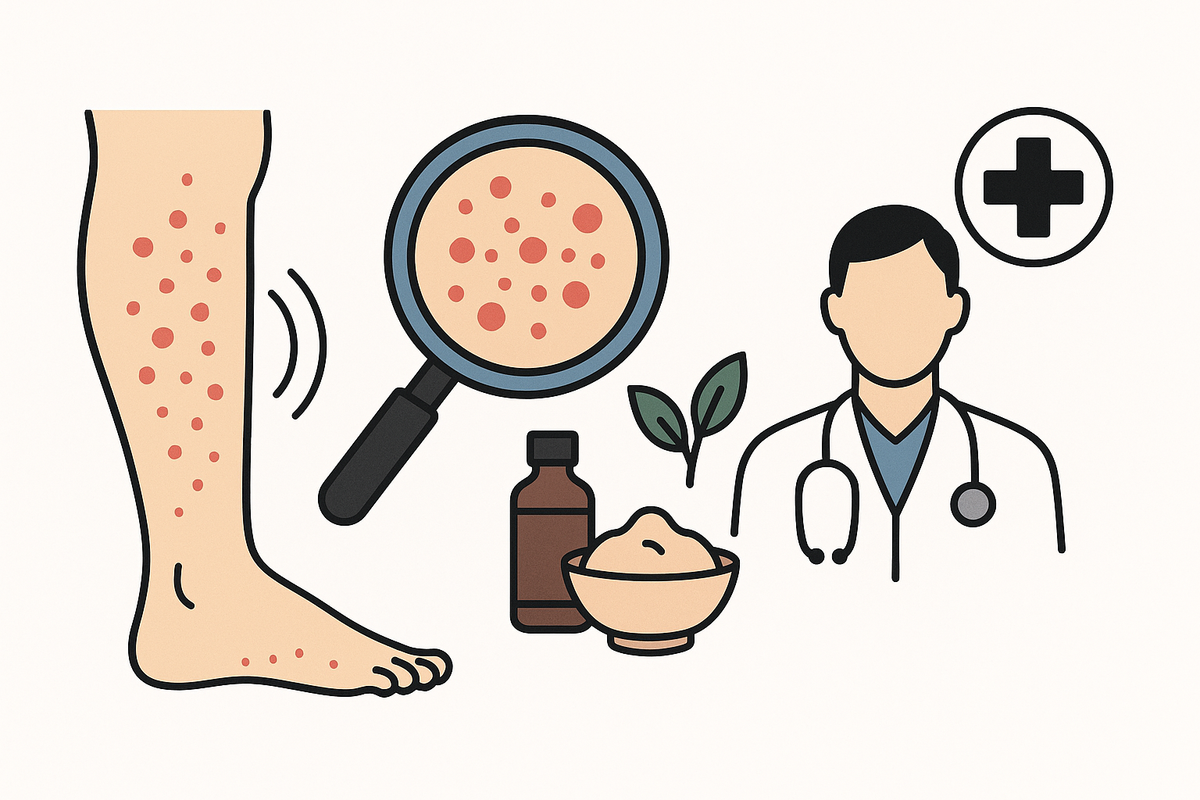
Estimated reading time: 13 min
Key Takeaways
- Rash on legs can have many causes, including eczema, infections, allergies, and circulation problems.
- Red, itchy, or bumpy leg rashes often respond to home care, but some need medical attention.
- Location, appearance, and associated symptoms help narrow down the cause.
- Prompt care is important if the rash is painful, spreading, or accompanied by fever.
- Apps like Rash Detector can help you analyze your rash and offer general guidance, but do not replace professional medical advice.
Table of Contents
- Section 1: Common Causes of Rash on Legs
- Section 2: Infections That Cause Leg Rashes
- Section 3: Allergic Reactions and Insect Bites
- Section 4: Red Bumps, Spots, and Specific Leg Rash Locations
- Section 5: Stasis Dermatitis and Leg Swelling in Adults
- Section 6: Home Treatments, OTC Remedies, and Prevention
- Conclusion
- FAQ
Section 1: Common Causes of Rash on Legs
Eczema (Atopic Dermatitis)
Eczema is a common cause of itchy rash on legs, especially in children but also in adults. It typically appears as dry, scaly, red patches that can become thickened over time due to scratching. Eczema often affects the backs of the knees, shins, and ankles. Triggers include dry skin, soaps, heat, and allergens.
- Symptoms: Itchy, dry, cracked skin; sometimes oozing or crusting.
- Location: Common on lower legs, inner thighs, behind knees.
Psoriasis
Psoriasis is an autoimmune condition that can cause well-demarcated, silvery-scaled plaques. A red rash on legs from psoriasis may appear on the shins and knees. Flare-ups can be triggered by stress, illness, or skin injury.
- Symptoms: Thick, silvery scales; sometimes painful or itchy.
- Location: Shins, knees, sometimes ankles.
Contact Dermatitis
Contact dermatitis occurs when the skin reacts to an irritant or allergen. Common triggers for a rash on lower legs include fragrances in lotions, certain fabrics, plants like poison ivy, and even laundry detergent. The rash is often red, itchy, and sometimes blistered.
- Symptoms: Redness, swelling, possible blisters or weeping.
- Location: Anywhere irritant/allergen touched; inner thighs, shins, or ankles.
Other Common Causes
- Lichen planus: Purple, flat-topped bumps, sometimes with white lines.
- Lupus: Butterfly rash on the face is classic, but lupus can also cause red or purple rashes on the lower legs or ankles.
- Drug rashes: Medications can cause rashes that often start on the trunk but may involve the legs. Learn more in our guide on drug rash identification.
Section 2: Infections That Cause Leg Rashes
Cellulitis
Cellulitis is a potentially serious bacterial infection of the skin and underlying tissues, most often caused by streptococci or staphylococci. It frequently affects the lower legs and can become severe if not treated.
- Symptoms: Swelling, redness, warmth, pain, and sometimes fever or chills.
- Spread: The rash may expand and is often tender to the touch.
If cellulitis is suspected (especially with fever or rapidly spreading redness), seek medical attention immediately.
Fungal Infections
Ringworm (tinea corporis) is a fungal infection that causes a circular, red rash with a clearer center. It can appear on the legs, including the inner thigh. Fungal rashes are often itchy and may have a scaly border.
- Symptoms: Red, ring-shaped, sometimes raised patches.
- Location: Inner thighs, shins, calves, ankles.
Other Infectious Causes
- Folliculitis: Infection of hair follicles, often from shaving or friction, causing red bumps or pustules.
- Impetigo: Contagious bacterial infection with honey-colored crusts, more common in children but can affect adults.
- Scabies: Infestation by mites, causing intense itching and small bumps, especially around ankles or inner thighs.
When Infection Is Suspected
Look for signs like fever, spreading redness, severe pain, or pus. If present, consult a doctor promptly. For more on distinguishing different rash types, see this skin self-exam guide.
Section 3: Allergic Reactions and Insect Bites
Insect Bites
Insect bites are a frequent cause of rash on legs, especially in warmer months. Flea bites can cause clusters of small, red, itchy bumps on the lower legs and feet. Mosquitoes, bed bugs, or ants may also be culprits.
- Symptoms: Itchy welts, sometimes blistering or with a central punctum (bite mark).
- Pattern: Flea and bed bug bites often appear in lines or clusters; mosquito bites are more scattered.
Allergic Reactions (Hives)
Hives (urticaria) are raised, red or pale welts that can appear suddenly, often due to an allergic trigger (foods, medications, insect stings, or plants). Hives are very itchy and may move around the body, including the legs.
- Symptoms: Raised, itchy welts, often with pale centers.
- Duration: Usually resolve within hours to a few days, but chronic hives can last longer.
Contact Allergens
Plants like poison ivy, poison oak, or sumac may cause a rash on shins and ankles after outdoor exposure. Latex, adhesives, or topical medications are other possible triggers.
- Symptoms: Red, itchy, sometimes blistered rash.
- Pattern: May follow the path of plant contact or areas under adhesive bandages.
When to Suspect an Allergy
If the rash appeared suddenly after new exposure, especially with swelling of lips/tongue or trouble breathing, seek emergency care. For more on drug-related allergic rashes, visit our post on drug allergy rash causes.
Section 4: Red Bumps, Spots, and Specific Leg Rash Locations
Red Bumps and Folliculitis
Small red bumps on legs are often due to folliculitis, especially after shaving (razor burn). This is irritation or infection of hair follicles, which can cause clusters of itchy, sometimes tender bumps on shins or thighs. Heat rash (miliaria) is another possible cause, especially in hot weather.
- Symptoms: Tiny red or white bumps, sometimes with pus.
- Triggers: Shaving, sweating, friction from tight clothing.
Itchy Legs and Heat Rash
Heat rash appears as small, red bumps or clear vesicles, frequently on the thighs or behind the knees. It is more common in hot, humid conditions or after exercise.
- Symptoms: Itchy or prickly sensation, small red bumps or blisters.
- Location: Thighs, behind knees, shins, ankles.
See our full guide on preventing heat rash for tips to avoid flare-ups.
Inner Thigh Rash and Ankle Rash
Inner thigh rashes are often caused by chafing (friction), sweat, fungal infections, or allergic contact dermatitis from clothing. Ankles can develop rashes due to insect bites, poor circulation, or contact with plants and irritants.
- Inner thigh: Look for redness, itching, and possible scaling.
- Ankles: Swelling, redness, or clusters of bites; stasis dermatitis in older adults (see next section).
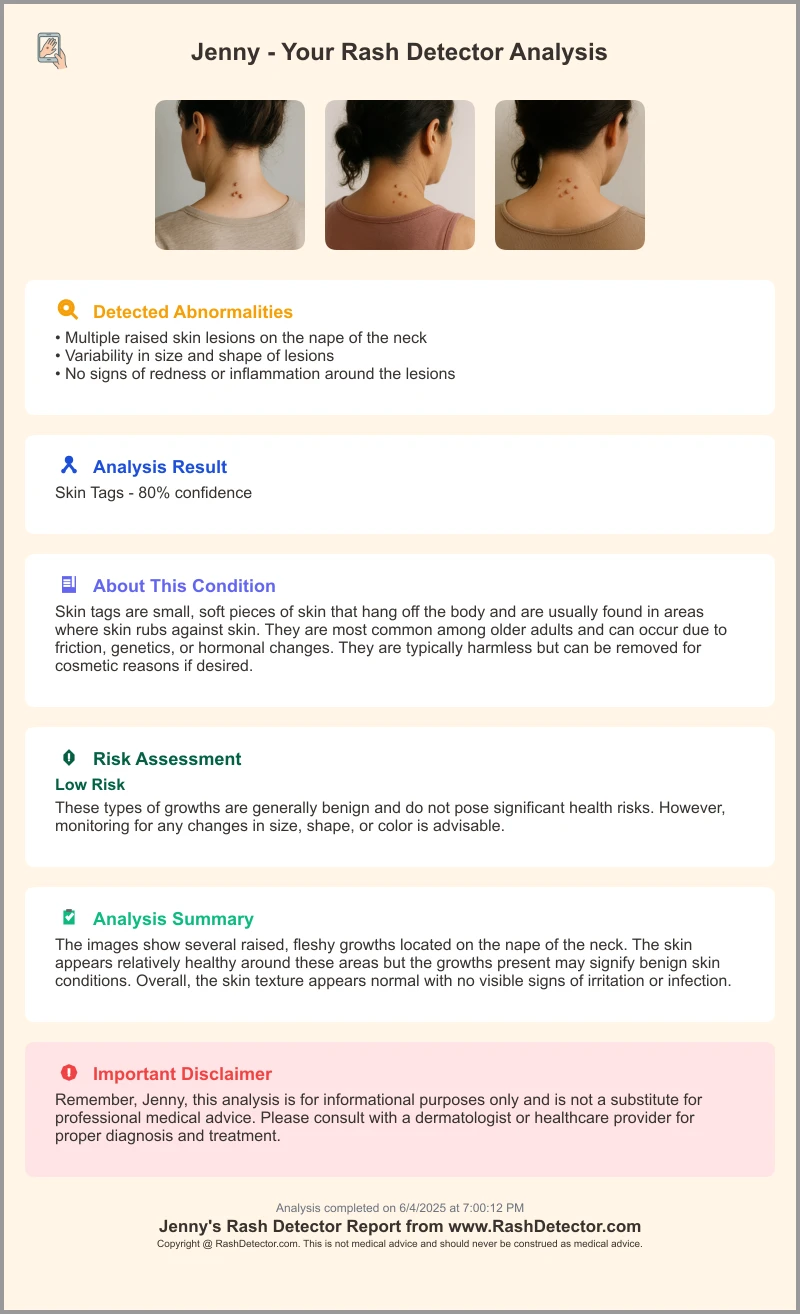
Illustrative Example
Wondering how a rash analysis works? Here’s a sample report from Rash Detector:
Section 5: Stasis Dermatitis and Leg Swelling in Adults
What Is Stasis Dermatitis?
Stasis dermatitis is a chronic inflammatory skin condition caused by poor circulation (usually in the lower legs). It often affects older adults or people with vein problems. Blood pools in the legs, leading to swelling, redness, scaling, and sometimes open sores.
- Symptoms: Red-brown discoloration, scaling, itching, swelling, and sometimes weeping blisters or ulcers on the lower legs and ankles.
- Risk factors: Varicose veins, obesity, heart failure, history of leg swelling.
How Stasis Dermatitis Differs From Other Rashes
Unlike eczema or contact dermatitis, stasis dermatitis is closely tied to venous insufficiency. The rash appears around the ankles and lower legs, often with associated swelling. Over time, the skin may become thickened and discolored, and ulcers can develop if not managed.
Management and When to Seek Care
- Keep legs elevated when possible.
- Use compression stockings as advised by a doctor.
- See a healthcare provider for any open sores, severe swelling, or signs of infection.
Stasis dermatitis is best managed with medical supervision; treatment focuses on improving circulation and caring for the skin.
Section 6: Home Treatments, OTC Remedies, and Prevention
Home Care for Mild Leg Rashes
For many non-serious causes of rash on legs, home care may provide relief. General self-care tips include:
- Keep the area clean and dry: Wash gently with lukewarm water and a mild, fragrance-free cleanser.
- Moisturize: Use hypoallergenic, fragrance-free moisturizers to help prevent dryness and irritation.
- Cool compresses: Apply a clean, damp cloth to soothe itching and redness.
- Avoid scratching: Scratching can lead to infection or worsen the rash.
Over-the-Counter Remedies
- Hydrocortisone cream: May reduce itching and inflammation for eczema, contact dermatitis, and insect bites. For a detailed breakdown, see our list of the best anti-itch creams.
- Calamine lotion: Can soothe itching from hives, poison ivy, or insect bites.
- Oatmeal baths: Colloidal oatmeal may help reduce itch and soothe inflamed skin.
- Oral antihistamines: May help with allergic rashes and hives.
Note: Always follow package instructions and consult a pharmacist or doctor if unsure.
Prevention Strategies
- Wear loose, breathable clothing to reduce sweat and friction.
- Use gentle, fragrance-free soaps and detergents.
- Moisturize regularly, especially after bathing.
- Protect legs from insect bites with repellent and long pants when outdoors.
- Avoid known irritants and allergens.
For more on home care and effective solutions, read our in-depth guide on skin rash treatments.
When to See a Doctor
- Rash is spreading rapidly or is very painful.
- Accompanied by fever, chills, or feeling unwell.
- Presence of open sores, blisters, or pus.
- Signs of poor circulation (severe swelling, discoloration).
- Rash does not improve after a week of home care.
If you’re unsure about the cause or severity of your rash, or if you have underlying health conditions, consult a doctor or dermatologist. Apps like Rash Detector can help you analyze your rash and provide general guidance, but they do not replace professional medical advice. Always see a healthcare provider for diagnosis and treatment, especially for severe, spreading, painful, or persistent symptoms.
Conclusion
Rashes on the legs are common and can result from a wide range of causes, including eczema, infections, allergies, insect bites, and circulation problems like stasis dermatitis. Recognizing the underlying cause is important for effective management—while some leg rashes may respond to home care and over-the-counter remedies, others require prompt medical attention, especially if they are spreading, painful, or associated with systemic symptoms like fever or leg swelling.
To help identify possible causes and get general guidance, you can use tools such as Rash Detector, which analyzes photos of your rash and offers instant insights. However, always consult a healthcare provider for diagnosis and treatment, especially if your symptoms are severe, worsening, or persistent. For more guidance on prevention, home remedies, and when to seek care, explore our blog's resources and stay proactive about your skin health.
FAQ
Q: What are the most common causes of a rash on the legs?
A: Common causes include eczema, contact dermatitis, psoriasis, fungal infections like ringworm, insect bites, and stasis dermatitis (especially in older adults). Allergic reactions, heat rash, and drug rashes are also possible triggers.
Q: How do I know if my leg rash is cellulitis or something else?
A: Cellulitis usually presents as a spreading, red, warm, and tender area, often with swelling and sometimes fever. It may be painful and can cause the skin to feel tight. If you suspect cellulitis, seek medical attention immediately.
Q: What is stasis dermatitis and why does it cause a rash on the lower legs?
A: Stasis dermatitis is caused by poor circulation in the lower legs, often due to chronic venous insufficiency. It can lead to swelling, redness, scaling, and sometimes ulcers, typically around the ankles and shins.
Q: How can I treat an itchy rash on my legs at home?
A: For mild, non-infected rashes, keep the area clean, use fragrance-free moisturizers, try cool compresses, and consider over-the-counter hydrocortisone or calamine lotion. Avoid scratching and wear loose clothing. If the rash worsens or doesn’t improve, see a doctor.
Q: When should I see a doctor for a rash on my legs?
A: Seek medical care if the rash is rapidly spreading, very painful, associated with fever, blistering, open sores, or if you have underlying health conditions (like diabetes or poor circulation). Also see a doctor if home care hasn’t helped after a week.
Q: What insect bites cause clusters of rashes on the lower legs and feet?
A: Flea bites can cause small, itchy red bumps in clusters on the lower legs and feet. Bed bug bites may also appear in lines or groups. Mosquitoes and ants can cause scattered itchy welts. Allergic reactions or scratching can worsen the rash.
コスプレウィッグを選ぶ際は、色味、長さ、毛量、前髪、耐熱温度を確認すると比較しやすくなります。サイズやセット内容を確認する場合は、ピンク髪 コスプレウィッグから候補を探せます。使用後は毛流れを整えて十分に乾かし、形が崩れない状態で保管することが大切です。