Rash on Hands: Causes, Treatments, and When to Seek Help
Discover common causes of a rash on hands, effective treatments, prevention tips, and when to see a doctor. Learn about eczema, dermatitis, and more.
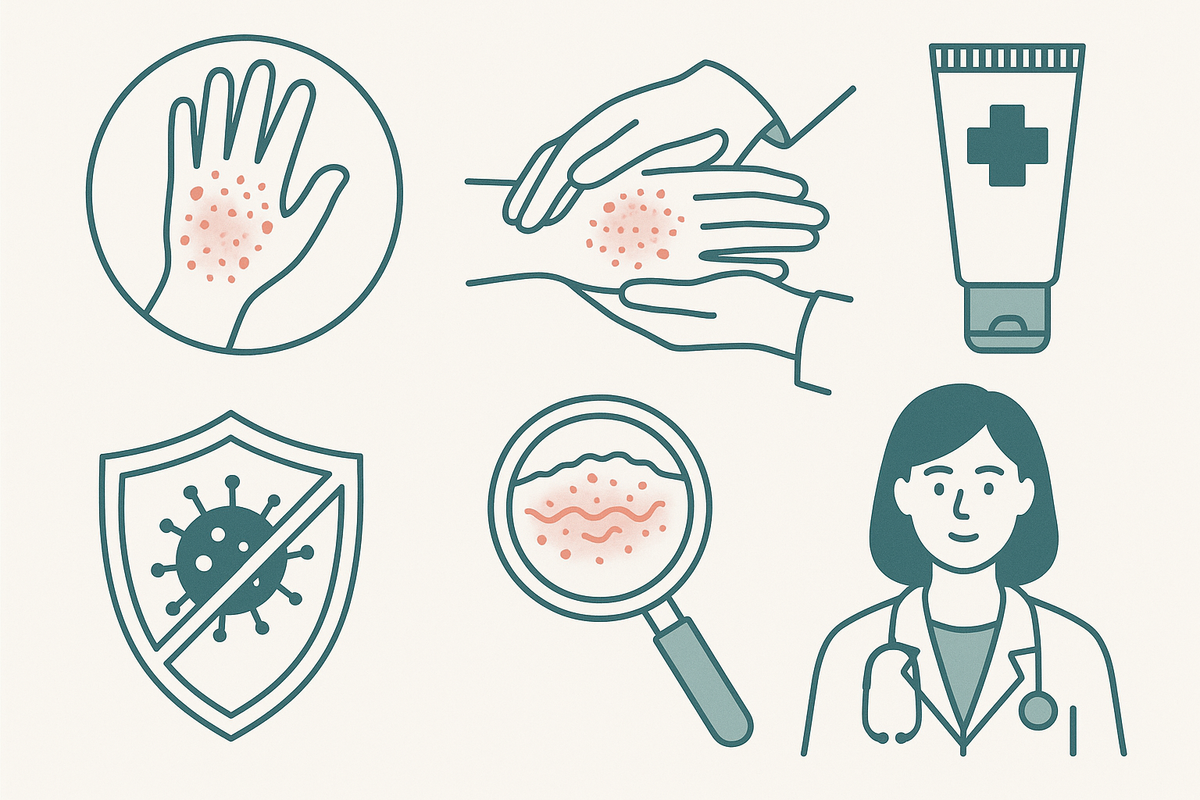
Estimated reading time: 13 min
Key Takeaways
- A rash on hands can be caused by eczema, contact dermatitis, infections, and more.
- Triggers include irritants like soaps, plants, and allergens such as latex or nickel.
- Itchy rash on hands may signal dyshidrotic eczema, fungal infection, or autoimmune issues.
- Home remedies include gentle cleansers, moisturizers, and OTC creams—but some cases need a doctor.
- Persistent, painful, or spreading hand rashes require prompt medical evaluation.
Table of Contents
- Section 1: Understanding a Rash on Hands
- Section 2: Common Causes of Hand Rashes
- Section 3: Contact Dermatitis Triggers
- Section 4: Infections and Autoimmune Conditions
- Section 5: Treatment Options and Home Remedies
- Section 6: Prevention Strategies and When to See a Doctor
- Conclusion
- FAQ
Section 1: Understanding a Rash on Hands
What Is a Rash on Hands?
A rash on hands refers to any noticeable change in the skin’s color, texture, or appearance on the hands. Rashes can be localized or spread to fingers, palms, or even wrists. They often appear as red, itchy, or blistered areas, and might be dry, scaly, bumpy, or swollen. The sensation can range from mild itchiness to severe discomfort or burning. The appearance and feeling of the rash may vary depending on the underlying cause, duration, and whether it's acute or chronic. In some cases, the rash may be associated with other symptoms, such as pain, warmth, or even numbness if swelling is significant.
Rashes on the hands can be acute (appearing suddenly and resolving within days to weeks) or chronic (lingering or recurring over months or years). Acute rashes are often triggered by a new exposure, while chronic rashes may be related to ongoing skin conditions such as eczema or psoriasis. The skin on the hands is also more likely to crack, bleed, or become infected if the rash disrupts the protective barrier.
Types of Hand Rashes
- Itchy rash on hands: Common in eczema and allergic reactions. This type of rash is usually red, raised, and may be accompanied by scratching marks. The itch can worsen at night or after exposure to water or irritants.
- Blisters on hands: Seen in dyshidrotic eczema, hand, foot, and mouth disease, and some fungal infections. These blisters are often small (1-2 mm), clustered, and filled with clear fluid. They may rupture and crust over.
- Dry, cracked skin: Often a sign of hand dermatitis or chronic eczema. Fissures can be painful and increase the risk of secondary infection.
- Red, scaly patches: Psoriasis and contact dermatitis are common culprits. The scales may be silvery or white, and the patches can thicken over time if untreated.
Other less common types of hand rashes include papular eruptions (small bumps), urticaria (hives), and purpuric lesions (small purple spots due to bleeding under the skin).
Why Are Hands Prone to Rashes?
Hands are constantly exposed to environmental factors—soaps, cleaning products, water, and allergens—making them vulnerable to irritation and skin barrier disruption. The thin skin on the backs of hands and the thicker skin of palms respond differently to triggers, which can affect the type and severity of rash.
The skin of the hands is uniquely structured: the palms have a thick stratum corneum (outer skin layer) to protect against friction and environmental insults, whereas the back of the hands has thinner, more delicate skin, making it susceptible to dryness and injury. Frequent washing, especially with hot water or harsh soaps, strips away natural oils, weakening the skin’s barrier. Hands may also be exposed to multiple potential allergens or irritants daily, from hand sanitizers and cleaning agents to food ingredients and gardening plants.
For those looking to understand their rash, digital tools like Rash Detector allow users to upload images and receive instant analysis, helping identify possible causes and guiding next steps. While such tools can provide helpful guidance, they are not a substitute for professional medical evaluation.
Section 2: Common Causes of Hand Rashes
Eczema and Dyshidrotic Eczema
Eczema (atopic dermatitis) is a frequent reason for rashes on hands, marked by dryness, redness, and intense itching. It can occur at any age but is often seen in children and young adults. Eczema flares may be triggered by environmental factors (such as cold weather or dry air), emotional stress, or allergens. Chronic eczema can result in thickened, leathery skin and persistent itch.
Dyshidrotic eczema is a specific type that causes small, deep blisters—often itchy—on the palms, fingers, and sides of the hands. Triggers can include stress, sweating, and frequent handwashing. The blisters can be extremely itchy and may burst, leading to peeling and cracks. Flare-ups are often seasonal, more common in spring and summer, or linked to stressful periods.
- Symptoms: Itchy vesicles, scaling, and sometimes painful cracks. In severe cases, blisters may become large and filled with pus (if infected).
- Who gets it: Adults aged 20-40 are more often affected, but anyone can develop it. It is more common in those with a history of allergies or atopic conditions.
Hand Dermatitis
Hand dermatitis refers to inflammation resulting from irritation (irritant contact dermatitis) or allergy (allergic contact dermatitis). This is common among healthcare workers, hairdressers, mechanics, food handlers, cleaners, and anyone exposed to frequent wet work or chemicals. Repeated exposure to water and irritants weakens the skin’s protective barrier, making it more susceptible to inflammation and allergic reactions.
- Symptoms: Red, dry, or scaly patches, sometimes with fissures or oozing. In chronic cases, the skin may become thickened and hyperpigmented.
- Common triggers: Detergents, sanitizers, hair dyes, solvents, and even frequent use of disposable gloves.
Other Causes
- Fungal infections (like Tinea manuum): Typically one hand affected, with scaling and redness. This infection is more common in adults and may be associated with athlete’s foot or nail fungus. It can spread by direct contact with contaminated surfaces or from other infected body parts.
- Psoriasis: Thickened, silvery plaques, sometimes with pustules (palmoplantar pustulosis). Psoriasis may also affect the nails, leading to pitting, thickening, or detachment.
- Autoimmune conditions: Lupus and other diseases can cause hand rashes with systemic symptoms. These rashes are often photosensitive (worsen with sun exposure) and may be accompanied by joint pain or fatigue.
- Drug reactions: Some medications cause allergic rashes on the hands; see Drug Rash: Causes, Symptoms, and How to Identify It for details. Drug rashes can be widespread or localized, and may involve other parts of the body.
When to Suspect a Non-Skin Cause
Sometimes, a rash on hands is a clue to a broader health issue, such as viral infections (measles, hand, foot, and mouth disease) or even syphilis. Other systemic diseases like vasculitis (inflammation of blood vessels), thyroid disorders, or nutritional deficiencies may also present with hand rashes. If the rash is accompanied by fever, joint pain, oral ulcers, or malaise, a full medical evaluation is warranted to rule out underlying systemic illness.
Section 3: Contact Dermatitis Triggers
Irritant vs. Allergic Contact Dermatitis
Contact dermatitis is a leading cause of hand rashes. There are two main types:
- Irritant contact dermatitis: Caused by frequent exposure to soaps, detergents, or cleaning agents. Develops gradually and affects most people with enough exposure. This form is often seen in people who wash their hands multiple times daily or who work in wet environments. It can lead to dry, chapped skin that may crack and bleed.
- Allergic contact dermatitis: Occurs when the immune system reacts to a specific substance (allergen). Can develop suddenly, even after years of use. The rash may appear hours to days after contact and can spread beyond the area of contact due to immune response.
Common signs of contact dermatitis include itching, redness, swelling, and sometimes blistering. In chronic cases, the skin may become thick, leathery, and hyperpigmented. Repeated scratching or exposure can worsen symptoms and prolong healing.
Common Triggers and Allergens
- Soaps and detergents: Dry out and irritate the skin barrier. Fragranced or antibacterial soaps are more likely to cause irritation.
- Cleaning chemicals: Bleach, ammonia, and solvents are harsh on hand skin. Even diluted solutions can cause irritation with repeated exposure. Industrial chemicals and disinfectants are also common culprits.
- Latex: Allergy to gloves or elastic bands causes redness, swelling, and itching. Latex allergy can be mild (localized rash) or severe (systemic reactions such as hives or difficulty breathing).
- Nickel: Jewelry, watchbands, and coins may trigger reactions. Nickel allergy is a common cause of allergic contact dermatitis.
- Plants: Poison ivy, poison oak, and poison sumac are notorious for causing very itchy, blistering rashes. Plant oils can linger on surfaces and clothing, leading to delayed reactions.
Other less common triggers include adhesives (in bandages), preservatives in creams, hair dyes, paraphenylenediamine (in black henna tattoos), and topical antibiotics such as neomycin.
Prevention and Management
- Wear gloves when cleaning or gardening. Nitrile gloves are a good alternative for those allergic to latex. Change gloves frequently and avoid using them for prolonged periods to reduce sweating inside the glove, which can worsen rashes.
- Choose fragrance- and dye-free products. Look for products labeled “hypoallergenic” or “for sensitive skin.”
- Wash hands with lukewarm water and gentle cleansers. Avoid hot water and rough towels, which can damage the skin barrier further.
- Moisturize immediately after washing. Apply a thick, emollient moisturizer to damp skin to lock in moisture. Ointments (like petrolatum) are more effective than lotions for very dry skin.
Patch testing may be recommended by a dermatologist to identify specific allergens. Keeping a diary of exposures and symptoms can also help pinpoint triggers.
For more on prevention, see our guide on How to Prevent Heat Rash: Practical Tips for Every Season.
Section 4: Infections and Autoimmune Conditions
Hand, Foot, and Mouth Disease (HFMD)
HFMD is a viral illness common in children, but adults can be affected too. It causes small red spots and blisters on the hands, feet, and mouth. The rash is usually accompanied by fever, sore throat, and malaise. HFMD spreads easily through respiratory droplets and contact with contaminated surfaces. The blisters may be painful and can make eating or drinking uncomfortable, especially in children. Outbreaks are most common in daycare centers and schools. Good hand hygiene and disinfecting surfaces can help prevent spread.
- Symptoms: Painful or itchy blisters on hands and fingers, mouth ulcers, fever. Other symptoms can include loss of appetite, irritability, and sometimes a sore throat.
- Course: Rash usually resolves within 7–10 days. Most cases are mild, but rare complications can include dehydration if mouth pain limits fluid intake.
Fungal Infections: Tinea Manuum
Tinea manuum, or hand ringworm, is a fungal infection that usually affects one hand. The rash is often dry, scaly, and can have a raised border. It can be transferred from athlete’s foot or contaminated surfaces. The infection can also affect the nails (onychomycosis), causing them to thicken, discolor, or crumble.
- Symptoms: Itchy, peeling, red skin, often affecting the dominant hand. The rash can be annular (ring-shaped), with clearer skin in the center.
- Treatment: Requires topical or sometimes oral antifungal medications. Over-the-counter antifungal creams (such as clotrimazole or terbinafine) are first-line treatments, but stubborn cases may need prescription-strength medications.
Reinfection is possible if underlying fungal infections on the feet or nails are not also treated. Preventing spread involves not sharing towels, washing hands regularly, and keeping skin dry.
Psoriasis and Palmoplantar Pustulosis
Palmoplantar psoriasis causes thick, scaly plaques on the palms, sometimes with pustules (small pus-filled bumps). Palmoplantar pustulosis is a related condition with clusters of sterile pustules, often painful, and can be chronic. These conditions can significantly impact function due to pain and cracking, especially for people whose work involves manual labor.
- Symptoms: Red, thickened patches, sometimes with yellow-brown pustules. The skin may crack, bleed, and be tender to touch.
- Associated features: Nail changes, joint pain in some cases. Some people with psoriasis may develop psoriatic arthritis, which can affect hand joints.
Treating palmoplantar psoriasis may require topical steroids, vitamin D analogs, or systemic medications in severe cases. Moisturizers and avoiding triggers such as smoking can help manage symptoms.
Syphilis and COVID-19-Associated Hand Rashes
Syphilis (secondary stage) can cause a distinctive non-itchy rash on the palms and soles, sometimes accompanied by other systemic signs such as fever, sore throat, muscle aches, and swollen lymph nodes. The rash may be faint and is often overlooked. Early detection and antibiotic treatment are important to prevent complications.
COVID-19 may rarely cause red or purple rashes on hands and feet (sometimes called "COVID toes"). These are typically mild but warrant attention if accompanied by other COVID symptoms. The rashes can look like chilblains (small, itchy red or purple bumps) and may be tender or swollen.
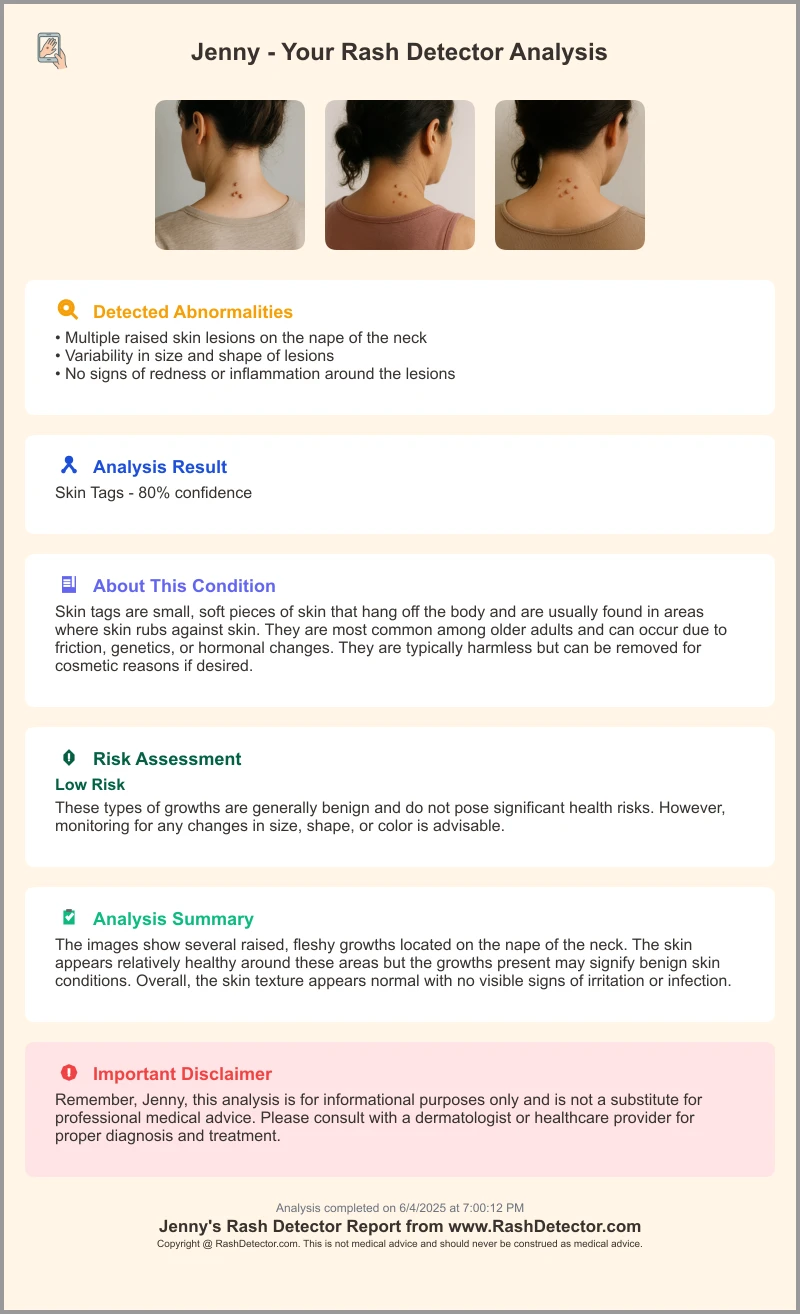
If you suspect an infectious or autoimmune cause, always consult a healthcare provider. For rapid analysis, try uploading images to Rash Detector to get possible causes and guidance.
Section 5: Treatment Options and Home Remedies
Over-the-Counter (OTC) Treatments
- Hydrocortisone cream: May reduce inflammation and itching for mild eczema and dermatitis. Apply a thin layer to affected areas up to twice daily. Avoid using on broken skin or for longer than 1–2 weeks without advice.
- Calamine lotion: May soothe itch, especially for allergic rashes from plants or insect bites. Shake well before use and apply as needed.
- Antifungal creams: For fungal causes like tinea manuum. Apply as directed; treatment may need to continue for 2–4 weeks after rash clears to help prevent recurrence.
- Moisturizers: Thick, fragrance-free creams help support the skin barrier and prevent dryness. Apply after handwashing and before bed. Products containing ceramides, petrolatum, or urea are often used for very dry skin.
For more detailed product recommendations, visit our guide to the Best Anti Itch Cream: Top Picks and How to Choose.
Home Remedies
- Cool compresses to help reduce inflammation or itchiness. Soak a clean cloth in cool water and apply for 10–15 minutes as needed.
- Avoid scratching to reduce the risk of infection. Keep nails trimmed short, and consider wearing cotton gloves at night.
- Oatmeal baths for soothing irritated skin. Use colloidal oatmeal available at pharmacies; soak hands for 10–15 minutes, then pat dry and moisturize.
- Wear cotton gloves at night to help prevent scratching and aid healing. This also helps creams and ointments stay on the skin longer.
Other home strategies include avoiding known triggers, using humidifiers in dry environments, and applying petroleum jelly to very dry or cracked areas. For allergic reactions, removing the offending substance and washing hands promptly can help minimize severity.
When to Avoid Home Treatment
- Severe, rapidly spreading, or blistering rashes.
- Signs of infection: Pus, warmth, swelling, fever. Infected rashes may require prescription antibiotics.
- Failure to improve after a week of home care.
Never use potent steroids or prescription medications without medical advice. For drug-related rashes, see Drug Rash Treatment: Effective Solutions for Skin Reactions.
If your rash is accompanied by severe pain, difficulty moving your fingers, or signs of a systemic illness (such as high fever, confusion, or difficulty breathing), seek emergency care immediately. Always consult your doctor or dermatologist for diagnosis and treatment, especially for severe, spreading, painful, or persistent symptoms.
Section 6: Prevention Strategies and When to See a Doctor
Daily Habits for Prevention
- Gentle cleansing: Use mild, unscented soaps. Avoid hot water. Pat hands dry rather than rubbing, and avoid air dryers, which can further dry the skin.
- Moisturize after washing: Apply moisturizer immediately to lock in hydration. Carry a small tube of cream for use after handwashing outside the home.
- Protection: Wear gloves when working with chemicals, cleaning agents, or gardening. For prolonged tasks, use cotton liners under rubber or nitrile gloves to absorb sweat and reduce irritation.
- Patch test new products: Apply to a small area before full use. Wait 24–48 hours to observe for any reaction.
Consistency is key: making these habits part of your daily routine may gradually strengthen your skin’s resilience.
Avoiding Common Triggers
- Identify and avoid specific allergens (latex, nickel, fragrances). If you suspect an allergy, ask your doctor about patch testing.
- Limit exposure to known plant irritants like poison ivy and sumac. When outdoors, wear protective clothing and wash hands/clothes promptly after possible exposure.
- Follow good hand hygiene, but avoid over-washing. Use hand sanitizers with moisturizers when soap and water are not available. Rinse thoroughly to remove all soap residue.
Keep a symptom diary to identify patterns and possible exposures. This can help when discussing your symptoms with a healthcare provider.
When to Seek Medical Attention
- Rash spreads rapidly or involves eyes, mouth, or genitals.
- Associated with fever, joint pain, or feeling unwell.
- Blisters, open sores, or pus are present.
- No improvement after one week of self-care.
Other warning signs include difficulty moving fingers, severe pain, or signs of dehydration (for example, if mouth ulcers make drinking difficult). If you have a history of immune system disorders, diabetes, or poor circulation, seek prompt evaluation for any hand rash.
Note: This article is for educational purposes only. For a diagnosis or treatment, see a healthcare provider, dermatologist, or use a skin analysis tool such as Rash Detector. Severe, spreading, or persistent symptoms should always be evaluated promptly.
Conclusion
A rash on hands can result from a variety of causes, including dyshidrotic eczema, contact dermatitis, infections, and autoimmune conditions. Identifying triggers and using proper hand care are essential steps. While mild cases may improve with OTC treatments and home remedies, persistent, painful, or unusual rashes require medical attention. Early recognition and management can help prevent complications and restore comfort. If you’re unsure about your hand rash, consider using a digital tool like Rash Detector for instant analysis and guidance, or consult your healthcare provider. Remember, if your rash is severe, spreading, or not improving, seeing a doctor or dermatologist is always the safest course of action.
FAQ
Q: What causes a rash on the hands and palms?
A: Common causes include eczema (especially dyshidrotic eczema), contact dermatitis from irritants or allergens, fungal infections, psoriasis, autoimmune diseases, and viral illnesses. Identifying recent exposures or new products can help narrow down the cause. In some cases, medical evaluation and testing are needed to determine the exact trigger.
Q: Is a rash on my hands a sign of COVID-19?
A: While rare, COVID-19 can cause rashes on the hands and feet, sometimes appearing as red or purple spots or swollen areas. These should be considered in context of other symptoms like fever or respiratory issues. Always seek medical advice if concerned.
Q: How do I treat a rash on my hands at home?
A: Use mild cleansers, apply fragrance-free moisturizers, and consider over-the-counter hydrocortisone or calamine for itch. Avoid scratching and known triggers. If there is no improvement in a week, or if symptoms are severe, see a doctor. Do not use prescription creams without a doctor's supervision.
Q: When should I see a doctor for a hand rash?
A: Seek medical attention if the rash is spreading, painful, blistering, involves other body parts, or is associated with fever, swelling, pus, or systemic symptoms. Persistent rashes that don't improve with self-care also need medical evaluation. Early intervention helps prevent complications.
Q: Can syphilis cause a rash on the palms of the hands?
A: Yes. In its secondary stage, syphilis can cause a non-itchy rash on the palms and soles, sometimes with other symptoms like fever or sore throat. This requires prompt diagnosis and treatment by a healthcare provider. If you suspect this, do not delay seeking care.
Q: What plants cause rashes on the hands?
A: Poison ivy, poison oak, and poison sumac are the most common plants causing allergic contact dermatitis on the hands. These rashes are usually intensely itchy, blistering, and can spread if the oils remain on the skin. Washing exposed skin promptly with soap and water can help reduce severity.