Rash on Arms: Causes, Pictures, Treatments & When to Worry
Learn about rash on arms: causes, types, pictures, home remedies, and when to see a doctor. Comprehensive guide to itchy, red, and sudden arm rashes.

Estimated reading time: 14 min
Key Takeaways
- A rash on arms can be caused by allergies, infections, autoimmune diseases, or irritants.
- Visual features and symptoms help identify the specific type of arm rash.
- Common causes include eczema, contact dermatitis, hives, infections, and drug reactions.
- Home remedies like moisturizers and antihistamines may help, but some rashes require medical attention.
- See a doctor for rapidly spreading rashes, infection signs, or severe symptoms.
Table of Contents
- Section 1: Understanding Rash on Arms – Overview and Symptoms
- Section 2: Common Causes of Rash on Arms
- Section 3: Specific Rashes That Affect Arms and Legs
- Section 4: Identifying Rash on Arms – Pictures and Patterns
- Section 5: Allergic and Irritant Rashes – Triggers and Prevention
- Section 6: Treatments, Home Remedies, and When to See a Doctor
- Conclusion
- FAQ
Section 1: Understanding Rash on Arms – Overview and Symptoms
What is a Rash on the Arms?
A rash on arms refers to any noticeable change in the color, texture, or appearance of the skin covering your upper limbs, including the forearms. This disruption can affect small, localized patches or be widespread, sometimes even extending onto the hands, shoulders, or torso depending on the underlying cause. Rashes can appear suddenly or develop slowly over time. They may look like flat spots, raised bumps, blisters, or rough patches and can be dry, moist, or weepy. While most arm rashes are not life-threatening, they can be uncomfortable and signal a range of underlying issues, from minor irritations to more serious systemic illnesses.
Common Symptoms of Arm Rashes
- Redness: Often seen in allergic or irritant reactions; can be patchy or widespread. Redness may also be accompanied by warmth and swelling, especially if inflammation is present.
- Itchiness: An itchy rash on arms is common with eczema, hives, or contact dermatitis. Persistent itching can lead to scratching, which sometimes causes breaks in the skin and increases infection risk.
- Bumps or Blisters: Fluid-filled blisters can occur with infections or allergic reactions. Small bumps, called papules, can cluster together, while larger blisters (bullae) may indicate more severe reactions.
- Scaling or Flaking: Chronic conditions like psoriasis and eczema may cause thick, scaly patches that flake off. Dryness and cracking are also common, especially in winter or low-humidity environments.
- Pain or Burning: Sometimes present in shingles, severe allergic reactions, or when the skin is significantly inflamed. Some rashes may produce a stinging or tingling sensation rather than true pain.
Acute vs. Chronic Arm Rashes
Rashes can develop suddenly (acute) or persist over weeks to months (chronic). Acute arm rashes often result from exposure to an allergen (such as poison ivy), irritant (like a new soap), or infection. Common examples include contact dermatitis, viral exanthems, and hives. These rashes may resolve within days to a couple of weeks, especially if the trigger is identified and avoided.
Chronic rashes are those lasting longer than six weeks. They may wax and wane or persist continuously. Chronic conditions affecting the arms include eczema (atopic dermatitis), psoriasis, and autoimmune diseases like lupus. Chronic rashes can be frustrating due to their persistent symptoms, and they often require ongoing management.
In some cases, rashes are accompanied by systemic symptoms such as fever, joint pain, fatigue, malaise, or swollen lymph nodes. These additional signs may indicate a more serious underlying medical condition and warrant prompt evaluation by a healthcare provider.
Section 2: Common Causes of Rash on Arms
Allergic and Irritant Dermatitis
Contact dermatitis is a common cause of arm rashes. It occurs when the skin reacts to direct contact with an allergen (like poison ivy, nickel, or fragrances) or an irritant (such as detergents or solvents). Symptoms include an itchy rash on arms, redness, and sometimes blistering. The pattern of the rash often follows the area of exposure, and sharp borders may be seen where the irritant or allergen touched the skin. In severe cases, the skin may crack, ooze, or bleed.
- Allergic Contact Dermatitis: Triggered by immune reaction to substances like latex, plants, or certain metals. Sensitization may occur after repeated exposure, meaning you might not react the first time, but develop a rash after subsequent contact.
- Irritant Contact Dermatitis: Caused by repeated exposure to soaps, cleaners, or chemicals. This type is more common in people with sensitive skin or those whose jobs involve frequent handwashing or exposure to harsh substances (e.g., healthcare workers, cleaners).
Inflammatory Skin Conditions
- Eczema (Atopic Dermatitis): Chronic, itchy, often red rash on the arm and other areas. May be associated with allergies, asthma, or family history. Eczema flare-ups can be triggered by stress, weather changes, sweat, or certain fabrics (like wool). The inside of the elbows (antecubital fossae) is a classic location in children, but adults can develop eczema anywhere on the arms.
- Psoriasis: An immune-mediated condition causing thick, silvery scales and plaques, sometimes appearing on elbows and forearms. Plaques may crack and bleed, and nail involvement (pitting, discoloration) is possible. Psoriasis tends to be chronic and can flare periodically, often due to stress or infection.
- Urticaria (Hives): Raised, red or pale welts that are intensely itchy, often triggered by allergies, stress, temperature changes, or infections. Hives can appear and disappear within hours, but chronic urticaria can persist for six weeks or longer.
Infectious Causes
- Viral: Chickenpox and measles can cause widespread rashes including on the arms. Fifth disease (see Section 3) is another viral cause. Viral exanthems tend to be symmetrical and may follow a prodrome of fever, malaise, or upper respiratory symptoms.
- Bacterial: Cellulitis (deep skin infection) and impetigo (superficial infection) can create red, swollen, sometimes painful patches. Cellulitis is often warm to the touch and may cause fever. Impetigo, common in children, produces honey-colored crusts.
- Fungal: Ringworm (tinea corporis) appears as a circular, itchy red rash on the arm or forearm. It is more common in warm, humid environments or after contact with animals or contaminated surfaces. Athlete’s foot and jock itch are similar but occur on the feet and groin.
- Parasitic: Scabies is caused by the Sarcoptes scabiei mite and leads to intense itching and burrow-like tracks. It often spreads in close-contact settings such as families, schools, or nursing homes. The wrists, web spaces of the fingers, and forearms are common sites.
Drug and Medication Reactions
Certain medications can trigger rashes, either as a side effect or an allergic reaction. This may present as a diffuse, itchy rash on arms and other areas. Drug rashes can range from mild, flat red spots (morbilliform exanthem) to severe blistering conditions (such as Stevens-Johnson syndrome). Common culprit medications include antibiotics (penicillins, sulfa drugs), anticonvulsants, and nonsteroidal anti-inflammatory drugs (NSAIDs). For comprehensive guidance, see Drug Rash: Causes, Symptoms, and How to Identify It. If you develop a rash shortly after starting a new medication, notify your healthcare provider immediately.
Section 3: Specific Rashes That Affect Arms and Legs
Fifth Disease (Erythema Infectiosum)
Caused by parvovirus B19, Fifth disease is common in children but can affect adults. It often starts with mild fever, headache, and cold-like symptoms, followed by a lacy red rash on the arms and legs. The rash may be more visible after sun exposure, exercise, or hot showers. Adults may experience joint pain or swelling, especially in the hands, wrists, knees, and ankles. Fifth disease is usually mild, but pregnant women and people with weakened immune systems should seek medical guidance if exposed.
Pityriasis Rosea
This self-limited, viral-associated condition begins with a single “herald patch” (a large, scaly pink spot), followed by smaller patches on the trunk and arms. The rash may form a Christmas-tree pattern on the back and sometimes extends to the forearms. Most cases resolve within several weeks without treatment, but itching can be troublesome. Pityriasis rosea is most common in adolescents and young adults. Occasionally, it may be mistaken for ringworm or eczema.
Ringworm (Tinea Corporis)
A fungal infection causing a circular, scaly, and often itchy rash on the arm or other body parts. Edges are more raised and red, with central clearing, giving it a “ring” appearance. It can spread through direct skin-to-skin contact, shared towels, gym equipment, or from pets. Scratching can cause secondary bacterial infection or spread the fungus to other body areas.
Shingles (Herpes Zoster)
Shingles is a reactivation of the chickenpox virus, producing a painful, blistering rash that usually appears on one side of the body, including the arms. Tingling, burning, or shooting pain often precedes the rash by several days. The blisters eventually crust over and heal, but pain (postherpetic neuralgia) can persist for weeks or months, particularly in older adults. The rash is usually limited to a single dermatome (area of skin supplied by one nerve).
Granuloma Annulare and Lupus
- Granuloma Annulare: Causes raised, ring-shaped bumps, often on the hands, forearms, or feet. It’s usually painless and non-itchy, though some people report mild discomfort or tenderness. The cause is not fully understood, but it may be related to immune system activity. Lesions may resolve on their own within months to years.
- Lupus (SLE): Autoimmune disorder that can cause a red, sometimes scaly rash, often with sun sensitivity. The classic lupus rash is a "malar" or butterfly-shaped rash across the cheeks and nose, but other forms may appear on the forearms or hands, especially after sun exposure. Lupus can also cause joint pain, fatigue, and organ involvement, making medical evaluation essential.
If you notice a persistent or unusual rash, consider using a tool like Rash Detector to help analyze symptoms and identify possible causes, but always follow up with a healthcare provider for diagnosis and treatment.
Section 4: Identifying Rash on Arms – Pictures and Patterns
Visual Features of Arm Rashes
Recognizing the pattern, color, and distribution of a rash on arms is key for narrowing down the cause. Here are some distinguishing features and how they relate to specific diseases:
- Red, Itchy Patches: Eczema, contact dermatitis, and hives often produce red, inflamed, and itchy regions. Eczema tends to be chronic and may appear in the elbow creases, while hives are more transient and can pop up anywhere on the arms.
- Ring-shaped or Annular Rash: Ringworm (tinea corporis) presents with clearly demarcated, circular rashes with raised edges and central clearing. Granuloma annulare also forms rings but is usually non-itchy and flesh-colored.
- Lacy or Reticulated Rash: Fifth disease’s hallmark is a lacy, net-like rash on the arms and legs. This is more common in children but can be seen in adults too.
- Blisters: Shingles and severe allergic reactions can produce clusters of blisters. In shingles, these are typically grouped along a nerve distribution (dermatome) and do not cross the midline.
- Thick, Scaly Plaques: Psoriasis forms sharply bordered, thick, silvery scales on the elbows, forearms, or knees. The skin underneath may bleed if scales are removed (Auspitz sign).
Arm Rash Picture Gallery
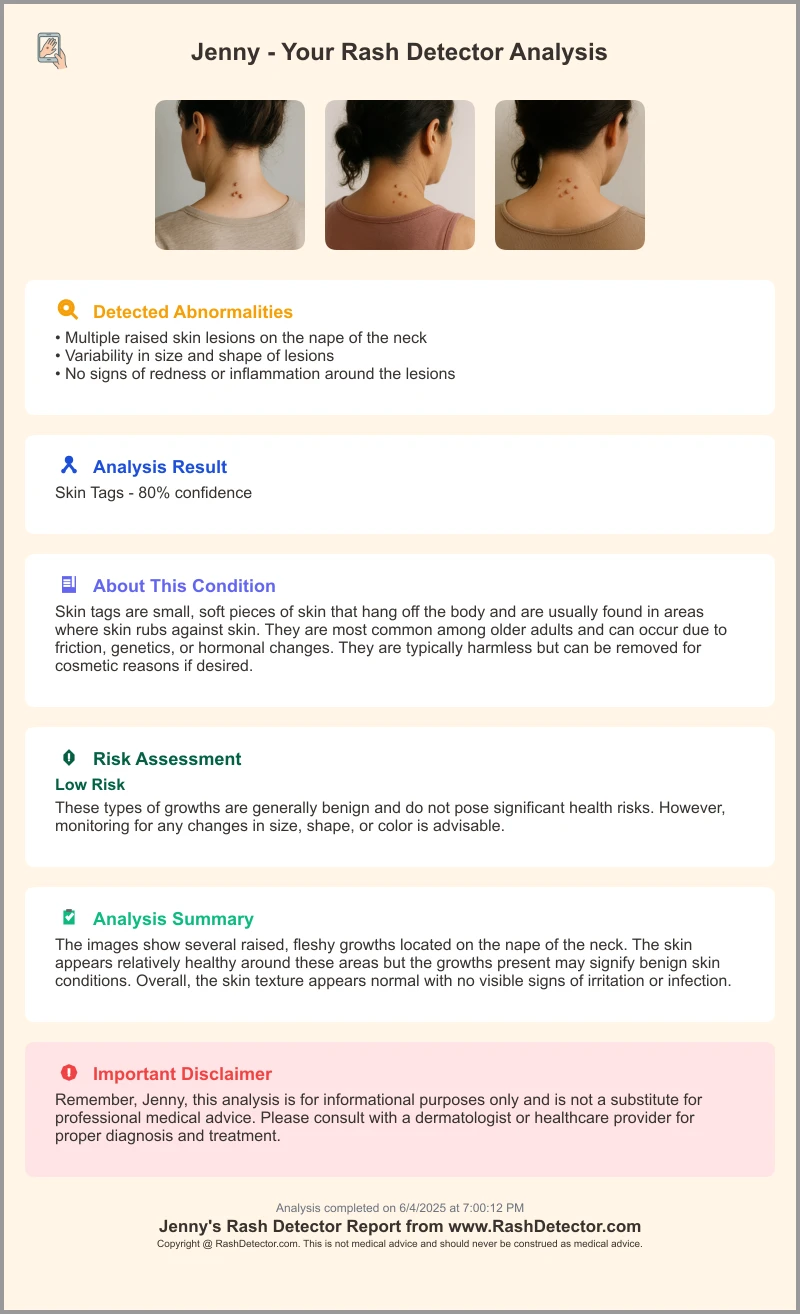
Identifying rash types visually can be challenging. Below is a screenshot of a sample report from Rash Detector, an AI-powered app that analyzes uploaded images of rashes and provides possible causes and guidance. This can help users compare their symptoms to common patterns, but remember: only a healthcare professional can provide a definitive diagnosis.
When to Document Your Rash
- Take clear, well-lit photos of the affected area from multiple angles, including close-ups and wider shots for context. Use natural lighting when possible, and avoid using flash, which can distort color.
- Note any changes over time (size, color, bumps, blisters, etc.). For example, record if the rash expands, develops new features, or resolves with certain treatments.
- Record associated symptoms like fever, pain, swelling, or systemic complaints such as fatigue or joint pain. This information can help a healthcare provider narrow the differential diagnosis.
- Consider uploading images to Rash Detector for instant analysis. While the app can provide possible causes and next steps, always consult a healthcare provider for diagnosis and treatment, especially if your rash is severe or worsening.
For step-by-step instructions on examining your skin, visit How to Do a Skin Self Exam at Home: A Step-by-Step Guide. Regular self-exams are especially important for people with a history of skin conditions or those at risk for skin cancer, as some rashes can mimic or mask early signs of malignancy.
Section 5: Allergic and Irritant Rashes – Triggers and Prevention
Allergic Triggers on the Arms
- Plants: Poison ivy, poison oak, and sumac are known for causing allergic rashes on exposed skin like forearms. The rash usually appears 12-48 hours after exposure and follows the line of contact with the plant’s oil (urushiol). Avoiding these plants when hiking or gardening and learning to identify them can help prevent reactions.
- Metals: Nickel in jewelry, watches, bracelets, and even mobile phones can provoke an itchy rash on arms at the site of prolonged contact. Nickel allergy is a common cause of contact dermatitis.
- Latex: Gloves and medical supplies may cause allergic contact dermatitis, particularly among healthcare workers, hairdressers, or people who use latex-containing products frequently. Symptoms can include itching, redness, and swelling, sometimes progressing to blisters or oozing lesions.
- Medications: Both topical (e.g., antibiotic ointments) and oral medications (e.g., antibiotics, anticonvulsants) can result in arm rashes. The appearance may range from mild redness to severe blistering. For more, see Drug Allergy Rash: Identification, Causes, and What to Do.
Irritant Exposures
- Detergents, soaps, and cleaning products can dry and irritate the skin, especially with frequent use. People who do laundry or clean professionally are at higher risk. Symptoms often start as dryness and progress to redness, cracking, or scaling.
- Repeated handwashing or sanitizing may lead to contact dermatitis on the forearms, particularly in healthcare workers or food service employees. Alcohol-based sanitizers are less likely to cause irritation than soap-and-water, but overuse can still dry the skin.
- Physical friction from clothing, watch bands, sports equipment, or carrying heavy bags can trigger rashes in sensitive individuals. Tight sleeves or rough fabrics (like wool) can exacerbate irritation, especially in people with eczema or sensitive skin.
Prevention Strategies
- Wear protective clothing and gloves when handling chemicals, cleaning products, or outdoor plants. If you must work in environments with frequent exposures, consider barrier creams or double-gloving.
- Choose fragrance-free, hypoallergenic skin products and detergents. Fragrances and preservatives are common triggers for allergic and irritant reactions.
- Moisturize regularly, especially after washing. Thick creams or ointments are generally more effective than lotions. Pay special attention to the backs of hands, elbows, and forearms.
- Rinse skin thoroughly after potential exposures, such as gardening or cleaning. Remove jewelry and wash skin under and around watch bands to prevent buildup of allergens or irritants.
- Be mindful of new personal care or laundry products that may contain allergens. If you develop a new rash, stop using recently introduced products and consult ingredient lists for potential culprits.
If you’ve started a new medication and notice a rash, review Rash from Medication: Causes, Symptoms & Next Steps for detailed guidance on what to do next.
Section 6: Treatments, Home Remedies, and When to See a Doctor
First Steps at Home
- Remove the trigger: Wash the affected area with mild soap and water if you suspect contact with an irritant or allergen. Take off jewelry, watches, or clothing that may be contributing and avoid further exposure if possible.
- Cool Compresses: Apply a clean, damp cloth for 10-15 minutes to relieve itching or swelling. Repeat several times a day as needed. Cool compresses can also help reduce inflammation and soothe burning sensations.
- Moisturizers: Use fragrance-free creams or ointments to soothe dry, flaky skin. Look for products containing ceramides, petrolatum, or dimethicone for best results. Apply immediately after bathing while the skin is still damp to lock in moisture.
- Over-the-counter antihistamines: For itchy rash on arms, medications like cetirizine, loratadine, or diphenhydramine may help reduce symptoms. Non-drowsy options are preferable during the day, but nighttime antihistamines can aid sleep if itching is severe.
- Hydrocortisone cream: 1% OTC cream may ease mild inflammation from eczema or contact dermatitis. Apply a thin layer to the affected area no more than twice daily for up to one week unless otherwise directed. Avoid use on broken or infected skin.
For more on topical solutions, see Best Anti Itch Cream: Top Picks and How to Choose. If symptoms worsen or do not improve within a week, consult your doctor.
When to Seek Medical Care
- Rash is rapidly spreading or associated with trouble breathing, swelling of the face or lips (possible allergic emergency). These are signs of anaphylaxis, a potentially life-threatening reaction requiring immediate emergency care.
- Signs of infection: pus, increasing redness, warmth, pain, or fever. Infected rashes may require oral or IV antibiotics and can spread quickly, particularly in people with diabetes or compromised immune systems.
- Rash is painful, blistering, or involves the eyes or mouth. Severe blistering conditions (e.g., Stevens-Johnson syndrome) are rare but require urgent attention.
- Persistent rash that does not improve with home care. Any rash lasting longer than a few weeks, or that recurs frequently, should be evaluated by a healthcare professional.
- Associated joint pain, muscle aches, or other systemic symptoms. These may indicate an underlying autoimmune or infectious process that needs medical workup.
Important: Always consult a doctor or dermatologist for diagnosis and treatment, especially if symptoms are severe, spreading, painful, or persistent. This guide is for general informational purposes only, and should not be used as a substitute for professional medical advice. If you are ever in doubt about the cause or severity of a rash, it is better to err on the side of caution and seek care.
Medical Treatments
- Prescription corticosteroids for severe inflammation. These may be topical, oral, or injected depending on severity and extent.
- Antibiotics for bacterial skin infections (like cellulitis or impetigo). The route and duration depend on the type of infection and patient risk factors.
- Antifungal creams or pills for ringworm and other fungal rashes. Some fungal infections require prolonged treatment to fully resolve.
- Antiviral medications for shingles or viral exanthems. Early treatment of shingles (within 72 hours of rash onset) can reduce pain and complications.
- Immunomodulators for autoimmune conditions. These include topical calcineurin inhibitors, systemic immunosuppressants, or biologic agents for conditions like psoriasis or lupus, usually prescribed and monitored by a specialist.
Digital Tools for Rash Analysis
Apps like Rash Detector let you upload images and get instant analysis of your rash on arms, offering potential causes and next steps. These tools may use artificial intelligence to compare your photo to known cases and provide a list of possible diagnoses and home care tips. While these tools can provide useful guidance, never rely solely on them for diagnosis—always see a healthcare provider if you are concerned. AI tools can supplement but not replace a thorough medical evaluation, especially for complex or severe rashes.
Conclusion
A rash on arms can be caused by a wide range of factors—everything from eczema, allergies, and infections, to autoimmune diseases and medication reactions. Careful observation of symptoms, triggers, and rash appearance can help narrow down the cause, but many rashes share similar features, making diagnosis challenging without medical training. While many arm rashes respond to basic home remedies, always seek medical care for rashes that are severe, spreading, painful, or accompanied by other symptoms such as fever, joint pain, or swelling. Digital tools like Rash Detector can help you better understand your rash, assist with documentation, and provide educational information, but nothing replaces personalized advice from a healthcare professional. For any uncertainties or persistent symptoms, consult your doctor or a board-certified dermatologist.
FAQ
Q: What causes a sudden rash on my arms?
A sudden rash on arms can result from allergic reactions (such as contact with plants, metals, or new soaps), viral or bacterial infections, insect bites, or reactions to new medications. In some cases, stress or environmental factors (like heat or sweating) can also trigger rapid-onset rashes. If the rash appears with swelling, pain, fever, or spreads quickly, seek medical attention for proper evaluation and management.
Q: What does an allergic rash on the arms look like?
An allergic rash on arms often appears as red, raised, and itchy patches or welts (hives). It may be scaly, blistered, or have a lacy pattern depending on the allergen. The skin may swell and develop bumps or blisters in severe cases. In contact dermatitis, the rash typically follows the area that touched the allergen, often with sharp borders. Nickel, latex, and poison ivy are common triggers.
Q: How do I get rid of an itchy rash on my arms fast?
To quickly soothe an itchy rash on arms, apply a cool compress, use fragrance-free moisturizers, and consider an OTC antihistamine such as cetirizine or loratadine. Mild hydrocortisone cream can help reduce itching and inflammation for allergic or irritant rashes. Avoid scratching as much as possible to prevent further irritation or infection. If the rash is severe, spreading, or not improving after a few days of home care, see a healthcare provider for further evaluation.
Q: Could a rash on my arms be a sign of an underlying disease?
Some arm rashes are linked to underlying conditions like autoimmune diseases (lupus, psoriasis), infections (viral, bacterial, fungal), or drug reactions. Persistent, severe, or recurrent rashes, especially those accompanied by other symptoms like joint pain, fever, fatigue, or weight loss, should be evaluated by a healthcare professional to rule out systemic illness and determine the best course of action.
Q: What is the lacy rash on my arms and legs?
A lacy (reticulated) rash on arms and legs is commonly seen in Fifth disease (erythema infectiosum), a viral infection caused by parvovirus B19. The rash often follows flu-like symptoms and is more common in children, but can affect adults as well. Other causes of lacy rashes are rare, so if you see this pattern, especially after viral symptoms, mention it to your healthcare provider.
Q: When should I worry about a rash on my arms?
Seek prompt medical attention if the rash spreads quickly, is accompanied by trouble breathing, facial swelling, fever, severe pain, or signs of infection (pus, warmth, red streaks). Persistent or recurring rashes, or those associated with systemic symptoms (joint pain, fatigue, swollen lymph nodes), should also be evaluated by a healthcare professional. Early evaluation can help prevent complications and ensure proper treatment.