Medication Rash Treatment: Complete Guide to Identifying, Managing, and Preventing Drug-Induced Rashes
Learn how to identify, manage, and prevent medication rashes with our complete guide to effective medication rash treatment and long-term safety.
Estimated reading time: 8 minutes
Key Takeaways
- Medication-induced rashes can be immune-mediated or toxic hypersensitivity reactions.
- Early recognition and discontinuation of the offending drug prevents severe complications like SJS/TEN and DRESS.
- Mild rashes may be managed at home with OTC antihistamines, topical corticosteroids, and soothing measures.
- Severe reactions require immediate medical attention, possible hospitalization, and advanced therapies.
- Preventive strategies include accurate allergy documentation, risk assessment, and clear communication with care teams.
Table of Contents
- Section 1: Understanding Medication-Induced Rashes
- Section 2: Identifying a Medication Rash
- Section 3: Managing a Medication-Induced Rash
- Section 4: Treatment Options for Medication Rashes
- Section 5: Preventative Measures and Long-Term Care
- Conclusion
- FAQ
Section 1: Understanding Medication-Induced Rashes for Effective Medication Rash Treatment
A medication rash is a cutaneous adverse drug reaction that may be immune-mediated or toxic. In immune-mediated cases, the body’s defense system mistakes the drug or its byproducts for threats, causing inflammation. Toxic reactions arise when the drug directly irritates skin cells or increases photosensitivity.
Key differences from other rashes include:
- Timing: Appears after starting or changing the dose of a drug.
- Distribution: Often widespread and symmetrical.
- Systemic symptoms: Fever, joint pain, or organ involvement.
Common culprits:
- Antibiotics (penicillins, sulfonamides)
- Anti-seizure drugs (carbamazepine, lamotrigine)
- NSAIDs (ibuprofen, naproxen)
- Allopurinol, diuretics, ACE inhibitors
- Chemotherapy agents and photosensitizers (tetracyclines)
Why early recognition matters:
- Prevents progression to Stevens-Johnson syndrome, TEN, or DRESS
- Enables timely discontinuation of the offending drug
- Reduces risk of long-term skin or organ damage
Sources: Merck Manual, Johns Hopkins Medicine, PMC10982164
Section 2: Identifying a Medication Rash: Medication Rash Treatment
Use this symptom checklist (adapted from Identifying and Managing Drug-Induced Rash Symptoms):
- Skin changes
- Macules and papules
- Hives (itchy, raised welts)
- Angioedema (swelling of lips, eyelids)
- Blisters or peeling
- Purpura (purple spots)
- Sensations
- Pruritus (itching)
- Burning or tenderness
- Systemic signs
- Fever or chills
- Swollen lymph nodes
- Facial swelling or eye irritation
Minor vs. severe reactions:
- Minor: mild itch, no blisters, no fever—often home-manageable.
- Severe: difficulty breathing, rapid spread, mucous involvement—requires emergency care.
Red-flag signs needing immediate care:
- Anaphylaxis (chest tightness, wheezing, throat swelling)
- SJS/TEN (painful blisters, skin peeling)
- DRESS (rash plus fever, swollen glands, organ involvement)
Maintain a medication log:
- Drug name, dose, start date
- Rash onset, daily photos, progression
- Associated symptoms (fever, joint pain)
Section 3: Managing a Medication-Induced Rash: Medication Rash Treatment
Initial actions:
- Assess for red-flag signs and call emergency services if present.
- If mild, contact your prescriber the same day to discuss stopping, tapering, or switching the drug.
- Document the rash with daily photos and symptom notes.
At-home comfort measures (mild cases):
- Cool compresses
- Colloidal oatmeal baths
- Fragrance-free moisturizers
- Loose, breathable clothing
- Avoid hot water, harsh soaps, new skincare products
Over-the-counter options (with clinician approval):
- Oral antihistamines (cetirizine, loratadine, diphenhydramine)
- Topical 1% hydrocortisone cream (Best Anti-Itch Cream)
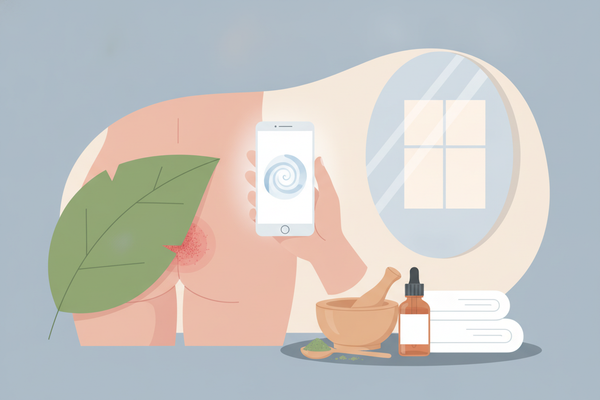
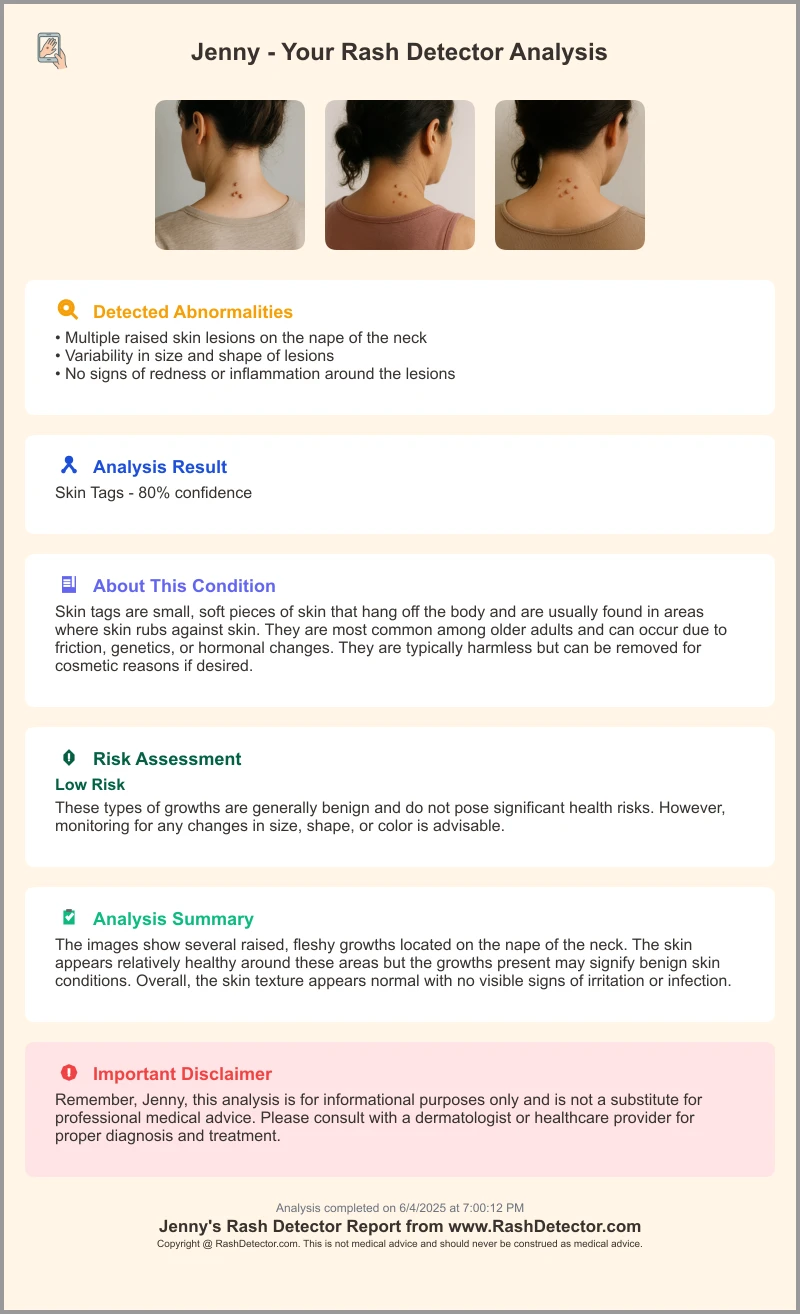
For AI-assisted analysis, upload images to Rash Detector and receive an instant report:
When to seek urgent care:
- Rapid rash spread or intense itching
- Onset of fever or facial swelling
- Use of high-risk drugs (anticonvulsants, allopurinol)
- History of severe drug reactions
Section 4: Treatment Options for Medication Rashes: Medication Rash Treatment
First step: discontinue the offending drug under medical supervision. Resolution often begins within days. For a more detailed overview, see our comprehensive guide to identifying, managing, and preventing drug-induced rashes.
Mild-to-moderate symptomatic treatments:
- Oral antihistamines for itch relief
- Topical corticosteroids for localized inflammation
- Moisturizers and barrier creams
- Short-course oral steroids (e.g., prednisone) with a taper plan
Severe reaction management:
- Immediate drug withdrawal and ICU or burn unit care
- Supportive care: fluids, wound care, infection prevention
- Systemic therapies: IVIG, high-dose steroids, epinephrine for anaphylaxis
Clinical decision factors:
- Timeline of drug exposure and rash onset
- Physical exam and lab tests (CBC, liver enzymes)
- Skin biopsy when needed
- Risk–benefit analysis of continuing therapy
Potential side effects:
- Antihistamines: drowsiness, dry mouth
- Topical steroids: skin thinning
- Oral steroids: elevated blood sugar, mood changes
- Immunosuppressives: higher infection risk
Sources: IU Health, Merck Manual, Doctronic.ai
Section 5: Preventative Measures and Long-Term Care: Medication Rash Treatment
Accurate allergy documentation:
- Record specific drug and reaction type in your medical record.
- Carry an allergy card or wear a medical alert bracelet.
Medication reviews and risk assessment:
- Discuss past reactions before starting new drugs.
- Consider genetic testing for high-risk medications.
- Start high-risk drugs at lower doses with close monitoring.
Allergy testing and specialist referrals:
- Skin testing or graded challenge by an allergist/dermatologist.
- Differentiate true allergies from side effects.
Monitoring new medications:
- Inspect skin daily for the first weeks.
- Report any rash early, even if mild.
- Never stop critical medications without advice.
Communication strategies:
- Inform all healthcare providers of allergies.
- Use one pharmacy to flag cross-reactions.
- Obtain a written summary of drugs to avoid after discharge.
Sources: PMC10982164, Dermatology Seattle, Merck Manual
Conclusion
Early medication rash treatment hinges on recognizing any new or changing rash after drug exposure.
- Identify rashes early and watch for red flags (breathing issues, swelling, blistering).
- Promptly review and discontinue suspected medications with professional guidance.
- Use appropriate symptomatic care for mild cases; seek emergency treatment for severe reactions.
- Prevent future rashes by documenting allergies, reviewing medications, and communicating clearly.
Always consult a healthcare professional for personalized evaluation and care if you suspect a drug-induced rash.
FAQ
What causes medication-induced rashes?
They result from the immune system reacting to a drug (immune-mediated) or direct irritation/toxicity to the skin (toxic hypersensitivity).
How can I tell if a rash is medication-related?
Look for timing after starting or changing a drug, widespread distribution, and associated systemic symptoms like fever or swelling.
What at-home treatments are safe for mild rashes?
Cool compresses, colloidal oatmeal baths, fragrance-free moisturizers, oral antihistamines, and 1% hydrocortisone cream (with clinician approval).
衣装を通販で探すときは、商品画像だけでなく実寸とセット内容も確認しておくと安心です。商品仕様や選び方を比べたい場合は、ポリス コスプレ 衣装 レディースから関連情報を確認できます。注文前に使用日と発送予定を照らし合わせ、試着や調整に使える時間も確保しておくと安心です。
When should I seek emergency care?
If you experience difficulty breathing, rapid rash spread, high fever, facial/mucous membrane involvement, or signs of SJS/TEN or DRESS.
How can I prevent future drug rashes?
Document allergies accurately, review medication history, communicate with all providers, consider allergy testing, and monitor new drugs closely.