Skin Rashes from Insect Bites: Causes, Symptoms, and Relief
Learn what skin rashes from insect bites look like, how to tell them from other rashes, treatment, prevention, and when to see a doctor. Complete guide.
Estimated reading time: 16 min
Key Takeaways
- Skin rashes from insect bites are common and can present as itchy bumps, hives, blisters, or swelling.
- Insect-bite rashes may mimic allergic reaction rash, contact dermatitis, or heat rash, but have distinct features.
- Proper identification helps guide safe at-home care and highlights when urgent medical attention is needed.
- Prevention strategies like repellents and environmental control can reduce bite risk and related rashes.
- Always consult a doctor for severe, spreading, or persistent rashes, or if you notice signs of infection or systemic illness.
Table of Contents
- Section 1: What Causes Skin Rashes – The Big Picture
- Section 2: Skin Rashes from Insect Bites – How They Look and Why They Happen
- Section 3: Common Insects Behind Bite Rashes
- Section 4: Differentiating Insect-Bite Rashes from Other Skin Conditions
- Section 5: At-Home Treatment and Symptom Relief
- Section 6: Warning Signs – When to Seek Medical Care
- Section 7: Prevention and Bite Control
- Conclusion
- FAQ
Section 1: What Causes Skin Rashes – The Big Picture
Understanding Skin Rashes
Skin rashes are a broad symptom, not a single disease. They signal irritation or inflammation of the skin and appear in many forms: bumps, redness, swelling, blisters, scaling, or peeling. Recognizing what causes skin rashes is the first step toward effective treatment and prevention.
Common Rash Categories
- Infections: Bacterial, viral, or fungal skin rash, such as ringworm or impetigo.
- Allergic reactions: Contact dermatitis (from plants, chemicals), drug rash (from medications), and allergic reaction rash from foods or insect bites.
- Environmental causes: Heat rash from blocked sweat ducts; friction; sun exposure.
- Autoimmune and chronic conditions: Psoriasis, eczema, or diabetes skin rash resulting from underlying disease.
- Emotional factors: Stress rash that may appear as hives or red patches in response to psychological triggers.
How Insect Bites Fit In
Skin rashes from insect bites are among the most common reasons for sudden, itchy skin changes—especially in children and outdoor enthusiasts. They are typically caused by the body’s immune response to insect saliva or venom.
Sometimes, rashes can overlap: for example, a bug bite may trigger contact dermatitis or even a secondary fungal skin rash if the skin is broken and infected.
For a deeper dive on heat rashes specifically, see How to Prevent Heat Rash: Practical Tips for Every Season.
Section 2: Skin Rashes from Insect Bites – How They Look and Why They Happen
Typical Appearance of Insect-Bite Rashes
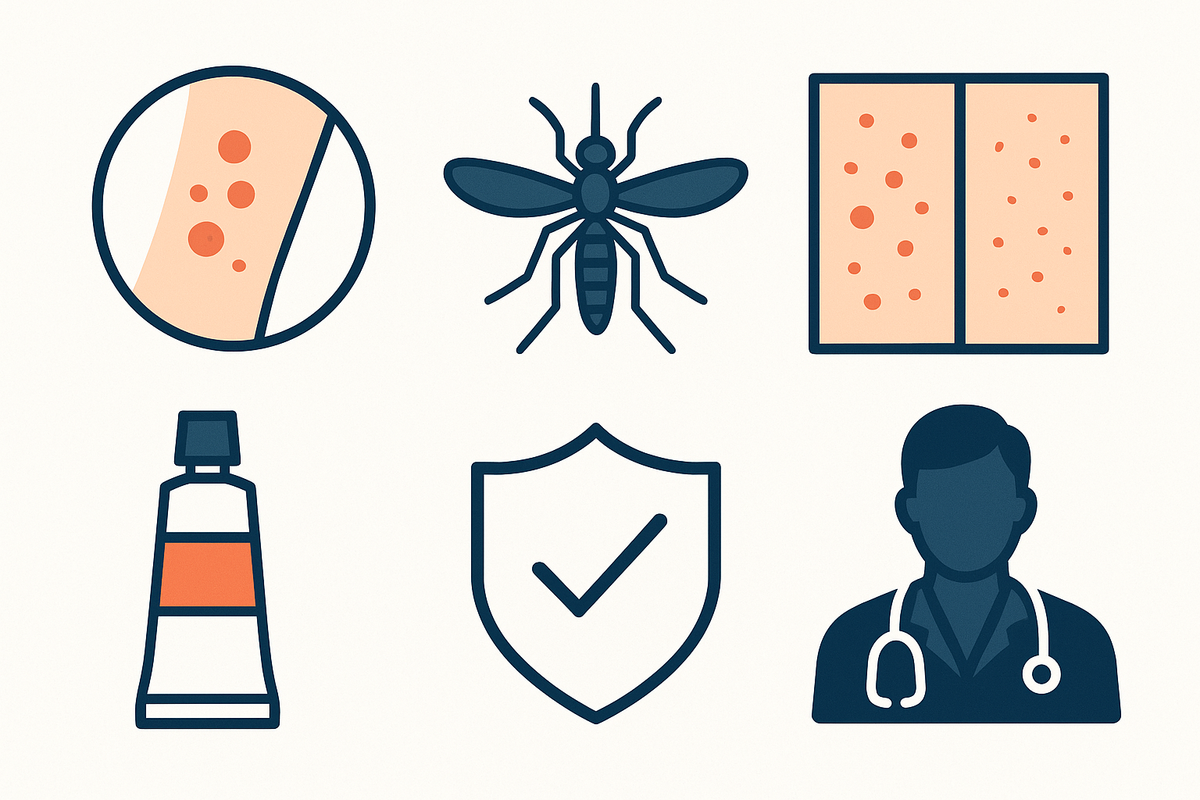
Skin rashes from insect bites can look different depending on the cause and individual sensitivity. The classic features include:
- Itchy red bumps (papules)
- Wheals – raised, pale patches surrounded by redness (as in hives)
- Blisters – fluid-filled sacs, especially with bites from certain spiders or insects
- Swelling (sometimes significant, especially on the face or limbs)
- Clusters or lines of bites (common with bed bugs or fleas)
Some people develop papular urticaria, a hypersensitivity reaction marked by persistent, itchy red bumps that can last weeks, especially in children.
Why Does a Bite Cause a Rash?
The rash forms as your immune system responds to proteins in insect saliva or venom. This can lead to localized inflammation, histamine release (causing itching and swelling), and sometimes a more widespread allergic reaction rash.
- Most bug bites cause minor symptoms, but some trigger more intense hypersensitivity.
- Repeated bites or strong allergies may lead to larger or more persistent rashes.
- Scratching increases the risk of secondary infection or complicating factors, like contact dermatitis or fungal skin rash on broken skin.
Examples of Bite-Related Rashes
- Mosquito bites: Firm, itchy bumps, sometimes blisters in children
- Bed bug bites: Small, red, itchy bumps often in a line or cluster
- Flea bites: Tiny red spots, often on ankles or legs, sometimes with a central punctum
- Tick bites: Single, red area; sometimes a "bullseye" rash (erythema migrans) in Lyme disease
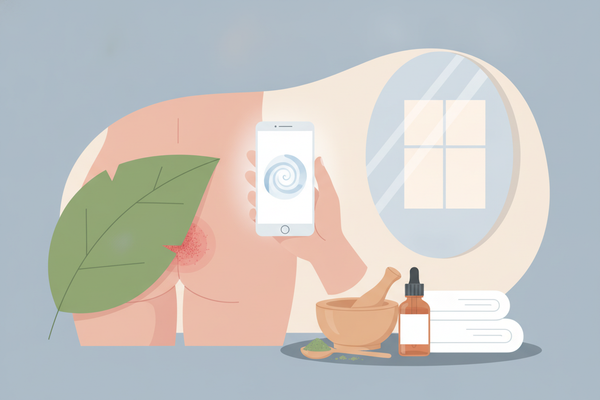
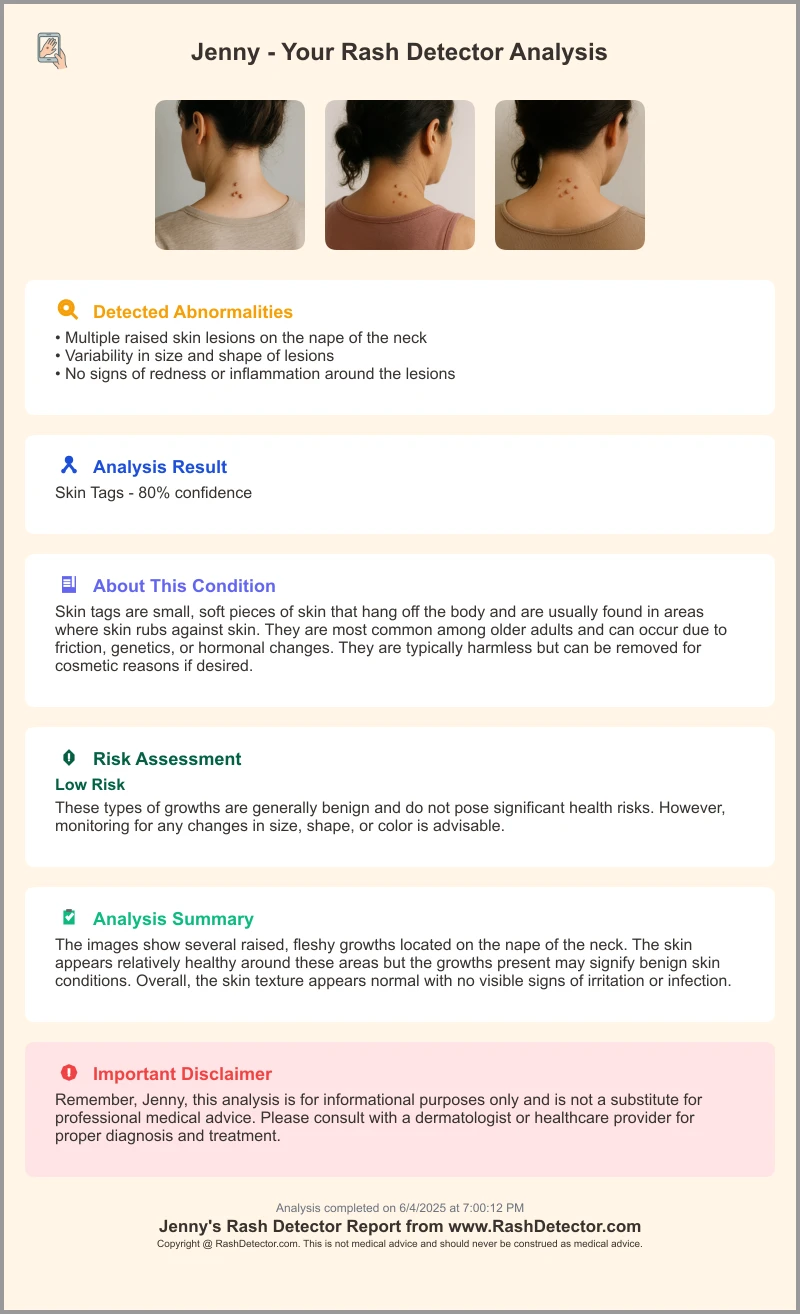
If you’re unsure about your rash, apps like Rash Detector let you upload images and get instant guidance on likely causes and when to seek care.
Section 3: Common Insects Behind Bite Rashes
Mosquitoes, Fleas, and Bed Bugs
These are frequent culprits for skin rashes from insect bites. Each has a distinctive pattern:
- Mosquitoes: Bites often appear as isolated, raised, itchy welts that resolve in a few days.
- Fleas: Bites cluster on the lower legs or waist, with small, intensely itchy papules.
- Bed bugs: Multiple bites in a line or cluster, typically on exposed skin during sleep.
Mites and Ticks
Mite bites (including chiggers and scabies) may cause intensely itchy red bumps or blisters, especially around the waistband, groin, or wrists. Tick bites often go unnoticed at first but can develop into red, sometimes swollen areas. The classic bullseye rash (erythema migrans) is a warning sign of Lyme disease and requires prompt medical attention.
Other Arthropods
- Spiders: Localized redness, swelling; some can cause blistering or necrosis.
- Ants, bees, wasps: Stings cause immediate pain, swelling, and sometimes blistering or hives.
Some people develop exaggerated responses, like papular urticaria, which may persist for weeks, especially in children. Repeated exposures or underlying allergic tendencies (atopy) can intensify these reactions.
Superimposed Reactions
Scratching or contamination can lead to secondary infections (impetigo, cellulitis) or other types of rashes, such as contact dermatitis or fungal skin rash on the damaged area.
Section 4: Differentiating Insect-Bite Rashes from Other Skin Conditions
Insect Bites vs. Hives (Urticaria)
Hives are raised, red or pale, very itchy welts that come and go quickly. They can be caused by allergies, medications, stress, or infections—not just insect bites. Insect-bite rashes tend to be more localized, sometimes clustered, and may have a visible puncture mark.
Allergic Reaction Rash vs. Contact Dermatitis
- Allergic reaction rash (from food, drugs, or bites) is often widespread and can include hives or swelling.
- Contact dermatitis develops after touching a substance (like poison ivy or chemicals) and usually appears as a red, itchy, sometimes blistered patch where contact occurred.
Other Lookalikes
- Heat rash: Small red spots, often in skin folds or sweaty areas, with a prickly feeling (see practical tips for heat rash).
- Fungal skin rash: Red, scaly patches with a defined edge; not usually acutely itchy bumps.
- Scabies: Intensely itchy burrows and bumps, often between fingers or at the wrist.
- Drug rash: Widespread red spots or hives after starting a new medication (see Drug Rash: Causes, Symptoms, and How to Identify It).
- Diabetes skin rash: Can take many forms, including dryness, darkening, or infections—not usually acute bumps.
When in Doubt
If you’re not sure what’s causing your rash, or if it’s severe, spreading, or not improving, always seek professional advice. Apps like Rash Detector can help you compare your images for clues, but only a doctor can diagnose and recommend treatment.
Section 5: At-Home Treatment and Symptom Relief
Immediate Steps
- Wash the area: Gently clean with soap and water to remove irritants or insect saliva.
- Apply a cold compress: Reduces swelling and soothes itching.
- Avoid scratching: Prevents infection and worsening rash.
Medications and Topicals
- Oral antihistamines (such as cetirizine or diphenhydramine) may help reduce itching and swelling. Always use as directed and consult a healthcare provider if you have questions.
- Hydrocortisone cream or calamine lotion: May soothe inflammation and itch for mild cases.
- Aloe vera gel: Offers cooling relief for some people.
For stubborn itching, see the expert picks in Best Anti Itch Cream: Top Picks and How to Choose.
Other Home Remedies
- Baking soda paste (mix with water) may help soothe minor bites for some individuals.
- Oatmeal baths can be soothing for widespread or intense itching.
When to Avoid Home Treatment
- Suspected tick bite with bullseye rash or other systemic symptoms.
- Signs of infection: pus, heat, spreading redness, fever.
- Facial swelling, difficulty breathing, or anaphylaxis symptoms (call 911).
Always consult your healthcare provider if you’re unsure or symptoms worsen.
Section 6: Warning Signs – When to Seek Medical Care
Signs of Infection or Complications
- Increasing pain, redness, warmth, or swelling around the bite
- Pus, oozing, or yellow crusting
- Fever, chills, or swollen lymph nodes
- Red streaks spreading from the bite
These suggest possible secondary bacterial infection and require prompt medical evaluation.
Red-Flag Symptoms
- Facial, mouth, or throat swelling
- Difficulty breathing, wheezing, or dizziness
- Rapidly spreading hives or rash
- Bullseye rash (after tick bite) or widespread blistering
These may indicate a severe allergic or systemic reaction. Seek emergency care immediately.
Tick Bites and Lyme Disease
- Bullseye rash (erythema migrans) may develop days to weeks after a tick bite.
- Other symptoms: fever, joint pain, headache, fatigue.
- Early antibiotics can help prevent complications—see your doctor if you notice these signs after a tick bite.
If you develop a rash after starting a new medication, review Drug Rash Treatment: Effective Solutions for Skin Reactions and seek prompt care.
Section 7: Prevention and Bite Control
Personal Protection
- Use insect repellents with DEET, picaridin, or oil of lemon eucalyptus as directed.
- Wear long sleeves and pants when in high-risk areas (woods, grassy fields).
- Tuck pants into socks when hiking in tick-prone regions.
Environmental Strategies
- Keep windows and doors screened.
- Launder bedding and clothing regularly, especially after travel or outdoor activity.
- Vacuum carpets and upholstered furniture to help reduce fleas and bed bugs.
- Treat pets for fleas and ticks as recommended by your vet.
Reducing Indoor and Outdoor Exposure
- Clear brush, tall grass, and leaf litter from around your home.
- Use mosquito nets or bed canopies when sleeping in high-risk areas.
- Manage standing water to reduce mosquito breeding sites.
For more skin health guidance, explore How to Do a Skin Self Exam at Home: A Step-by-Step Guide.
Conclusion
Skin rashes from insect bites are a common nuisance, but they can range from mild to medically urgent. Recognizing the typical signs—itchy red bumps, swelling, and clusters—can help you distinguish bites from other causes like heat rash, contact dermatitis, or drug rash. Most bite-related rashes resolve with basic care: washing, cold compresses, and anti-itch treatments.
However, always watch for signs of infection, spreading redness, fever, or severe allergic symptoms. If you’re ever unsure, or if the rash is persistent, painful, or worsening, consult a doctor or dermatologist. Remember, while tools like Rash Detector can assist with image-based analysis and education, they do not replace professional medical advice.
FAQ
Q: What does a rash from insect bites look like?
A: Insect-bite rashes usually appear as itchy red bumps (papules), wheals, or sometimes blisters. They may be isolated or grouped in lines or clusters, and can be accompanied by swelling or mild redness. Severe reactions may cause larger areas of swelling or hives.
Q: How do I know if my rash is from bug bites or hives?
A: Bug bites tend to be localized, sometimes with a visible puncture mark, and often occur in clusters or lines. Hives (urticaria) are raised, pale or red welts that move around the body and typically come and go quickly. If you’re unsure or the rash is spreading, see a healthcare professional.
Q: Why do insect bites turn into a big itchy rash on some people?
A: Some people have strong immune or allergic responses to insect saliva or venom, resulting in larger, more persistent, or more intensely itchy rashes. This is sometimes called papular urticaria, and is more common in children or people with allergies.
Q: When should I worry about an infected insect bite rash?
A: Be concerned if you notice increasing redness, warmth, pain, swelling, pus, fever, or red streaks spreading from the bite. These may indicate a skin infection and require prompt medical attention.
Q: What helps stop itching and swelling from bug bites fast?
A: Cold compresses, oral antihistamines, hydrocortisone cream, calamine lotion, and aloe vera may help. Avoid scratching to reduce irritation and infection risk. For more severe itching, see expert recommendations in our anti-itch cream guide.
Q: Can mosquito, flea, or bed bug bites cause papular urticaria?
A: Yes, these insects can trigger papular urticaria—a hypersensitivity reaction with persistent, itchy red bumps. This is more common in children and can last several weeks after repeated bites.
Always consult a doctor or dermatologist for diagnosis and treatment, especially if your rash is severe, spreading, painful, or persistent.