Why Do Rashes Appear After Shower? Causes, Types & Relief
Discover why rashes appear after showering, common triggers, and how to prevent post-shower skin irritation. Learn when to seek medical advice.

Estimated reading time: 13 min
Key Takeaways
- Rashes after showering are relatively common and can result from heat, dryness, contact allergens, or underlying skin conditions.
- Hot water, harsh soaps, and water quality may contribute to post-shower irritation or hives in some individuals.
- Conditions like cholinergic urticaria, eczema, and contact dermatitis are possible causes.
- Rarely, water itself (aquagenic urticaria) or underlying health issues may be involved.
- Persistent, severe, or spreading rashes after showers should be evaluated by a healthcare professional.
Table of Contents
- Section 1: Understanding Why Rashes Appear After Shower
- Section 2: Hot Showers, Body Heat, and Heat Rash
- Section 3: Dry Skin, Loss of Oils, and Eczema Flares
- Section 4: Contact Dermatitis from Soaps and Shampoo
- Section 5: Less Common Triggers – Water Quality, Cholinergic and Aquagenic Urticaria
- Section 6: When to Worry – Serious Causes and When to See a Doctor
- Conclusion
- FAQ
Section 1: Understanding Why Rashes Appear After Shower
Common Post-Shower Rash Scenarios
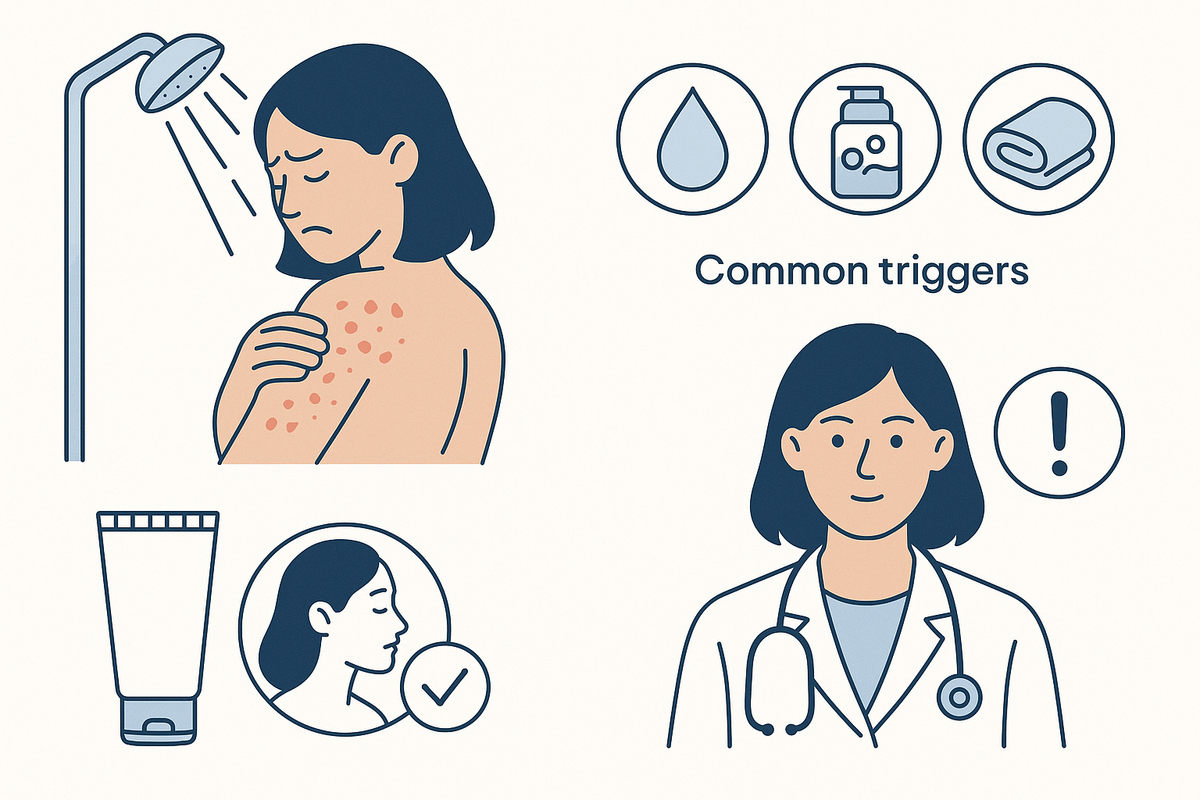
Many people wonder, “Why do rashes appear after shower?” Post-shower rashes are a common complaint, ranging from mild redness to more noticeable itchy welts. The causes are often multifactorial, involving heat, moisture, skin barrier disruption, and exposure to irritants or allergens. Understanding what may cause skin rashes after bathing is the first step toward prevention and relief.
- Heat from hot water or steam can dilate blood vessels, increase skin sensitivity, and sometimes trigger hives (cholinergic urticaria).
- Contact with soaps, shampoos, conditioners, or fragrances may provoke contact dermatitis in susceptible individuals.
- Loss of protective oils during washing can leave skin dry, flaking, and prone to eczema or irritation.
- Shaving, scrubbing, or using exfoliants can irritate hair follicles, sometimes leading to folliculitis.
- Underlying conditions like diabetes, autoimmune disorders, or fungal infections may be unmasked or aggravated by showering.
It’s important to note that these different causes can overlap. For example, someone with eczema may also be sensitive to soaps and experience both dryness and contact irritation. Similarly, a person with sensitive skin may find that heat and moisture alone are enough to provoke a mild rash, but that adding a harsh soap or shaving increases the severity. A thorough understanding of your skin’s unique sensitivities is key to managing and preventing post-shower rashes.
Recognizing the Pattern
Rashes that appear consistently after showering may point toward specific triggers. These may include heat rash, contact dermatitis, or allergic reaction rash. Less commonly, water itself can provoke a response in rare conditions like aquagenic urticaria. Identifying the timing, location, and characteristics of your rash is essential for narrowing down possible causes.
- Timing: Does the rash appear immediately after showering, or does it develop over several hours?
- Location: Is it widespread or limited to certain areas (such as the legs, arms, or scalp)?
- Appearance: Are the lesions red and flat, raised and bumpy, blistered, or simply dry and flaky?
- Associated symptoms: Is the rash itchy, burning, or painful? Is there swelling, warmth, or tenderness?
Paying close attention to these details can help you and your healthcare provider pinpoint the likely cause. For example, a rash that appears only where you applied a new soap or body wash is suggestive of contact dermatitis. A rash that is symmetrical and appears over the trunk may point toward a heat or sweat-induced process.
How Rash Detector Can Help
If you’re struggling to identify your rash, Rash Detector allows you to upload images and get instant analysis of possible causes, including post-shower reactions. This can help guide your next steps, but remember—professional medical evaluation is always recommended for severe or persistent issues.
The app uses AI to compare your rash to a large database of known skin conditions, providing a list of potential matches and helpful educational content. It can also help you track changes over time, document triggers, and prepare for a more effective appointment with your dermatologist or doctor. However, Rash Detector is not a substitute for medical diagnosis, particularly for serious, spreading, or painful rashes.
Section 2: Hot Showers, Body Heat, and Heat Rash
How Heat Affects the Skin
Hot showers are a common pleasure—but for some, they may be a culprit behind post-shower rashes. Heat from the water and steam can:
- Increase blood flow and trigger dilation of skin vessels, making skin red or blotchy.
- Cause sweating, which can block sweat ducts and lead to heat rash (miliaria).
- Exacerbate existing skin conditions such as eczema or rosacea.
Prolonged exposure to hot water, especially during colder months, can intensify this effect. The skin’s outer layer (stratum corneum) begins to lose moisture rapidly at higher temperatures, which amplifies redness and irritation. People who take hot showers for relaxation or muscle relief may inadvertently be increasing their risk of developing post-shower rashes, especially if their skin is already sensitive or dry.
Cholinergic Urticaria: Heat/Sweat-Induced Hives
Some individuals develop small, itchy hives after hot showers, exercise, or emotional stress—a condition called cholinergic urticaria. This is a specific type of heat rash:
- Hives appear within minutes of heating up, often as tiny red bumps with pale centers.
- Common triggers include hot showers, spicy food, or vigorous activity.
- The rash usually resolves within an hour, but can be intensely itchy or burning.
Cholinergic urticaria is different from an allergic reaction rash, as it’s provoked by temperature and sweating, not allergens. Management often includes avoiding triggers and sometimes medications prescribed by a doctor.
For example, someone with cholinergic urticaria might find that even a brief increase in body temperature—such as walking quickly in a warm environment or taking a hot bath—produces a sudden outbreak of hives. These hives are generally small, may cluster together, and often resolve rapidly after the skin cools down. While the condition is usually benign, it can cause significant discomfort and impact quality of life. In some cases, antihistamines or other medications may be necessary for symptom control, but these should always be discussed with a healthcare professional.
Preventing Heat Rash
To reduce risk of heat rash after showering:
- Keep water temperature lukewarm, not hot. Water between 36°C to 38°C (97°F to 100°F) is generally considered comfortable for most people.
- Limit shower duration to under 10 minutes. Extended showers increase the cumulative heat and moisture exposure, drying the skin further.
- Pat skin dry gently—avoid vigorous rubbing, which can further irritate sensitive or already-inflamed skin.
- Consider using a fan or opening a bathroom window to reduce steam buildup and help the skin cool faster after showering.
For more practical tips, see How to Prevent Heat Rash: Practical Tips for Every Season.
Additionally, wearing loose, breathable clothing after a shower can help prevent heat from becoming trapped against the skin, which is especially important for those prone to heat or sweat-induced rashes. If you exercise before a shower, cool down completely before stepping into warm water to avoid compounding the heat exposure.
Section 3: Dry Skin, Loss of Oils, and Eczema Flares
Stripping the Skin’s Natural Barrier
Water alone can be drying—especially when it’s hot or you’re showering frequently. Soaps, body washes, and shampoos further strip away the skin’s natural oils. This loss of protective barrier can:
- Leave skin feeling tight, flaky, or itchy after showering.
- Worsen underlying eczema, resulting in red, inflamed patches or even open sores.
- Make skin more susceptible to secondary infection or irritation from environmental triggers.
The skin’s outermost layer is designed to retain moisture and act as a barrier against irritants and pathogens. Hot water and harsh cleansers dissolve the lipids and proteins that make up this barrier. Even people without a history of skin disease can develop xerosis (abnormal dryness) if their skin is exposed to excessive washing, especially in winter or in dry climates. For those with pre-existing conditions, the effect is more pronounced.
Eczema and Atopic Dermatitis
People with eczema (atopic dermatitis) are especially vulnerable to post-shower rashes. The skin’s barrier is already compromised, so exposure to hot water or harsh cleansers can trigger a flare:
- Rash may appear as dry, red, itchy patches, often in body folds or on the limbs.
- Scratching worsens the itch-scratch cycle and can cause thickened skin (lichenification).
- Moisturizing immediately after showering is important to help lock in hydration and protect the skin.
- For infants and children, eczema flares may appear on the face, scalp, or trunk, while adults often notice flares in the creases of the elbows, behind the knees, or on the hands.
Immediate post-shower application of an emollient (thick moisturizer) is one of the most effective ways to help prevent and control eczema flares. Creams and ointments with ceramides, petrolatum, or shea butter are generally recommended over lotions, as they create a better barrier. Avoiding products with fragrance or alcohol is important for sensitive skin, as these can further irritate or dry out the skin.
Other Dry Skin Triggers
Dry indoor air, long showers, and certain medications can all exacerbate dry skin and related rashes. Individuals with diabetes may be at higher risk of dry skin and subsequent irritation. For more information about diabetes-related skin issues, see the Rash Detector home page.
- Environmental factors: Low humidity in winter, excessive air conditioning, and wind exposure can all reduce skin hydration. Use of humidifiers in the home can help offset this.
- Medications: Some blood pressure medications, cholesterol-lowering drugs, and acne treatments can dry out the skin, making it more prone to irritation after a shower.
For those prone to dry skin, try showering every other day, or only washing certain areas daily as needed, and use warm rather than hot water. Always follow up with a gentle moisturizer within three minutes of towel drying.
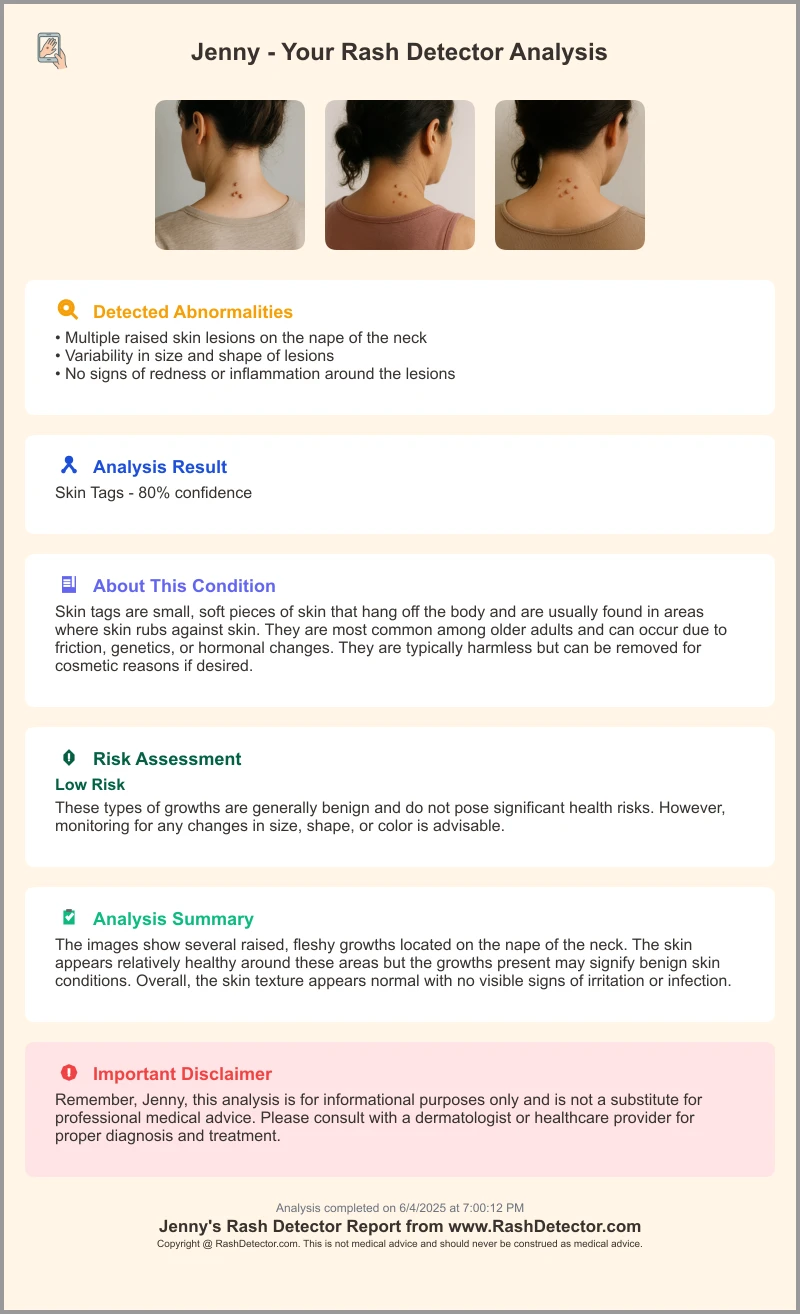
Sample Rash Detector Report: Identifying patterns over time can help clarify triggers for post-shower rashes.
Section 4: Contact Dermatitis from Soaps and Shampoo
What Is Contact Dermatitis?
Contact dermatitis is an inflammatory skin reaction triggered by direct contact with an irritant or allergen. Showers involve exposure to a range of potential triggers, including:
- Soaps and body washes (especially those with fragrance, dyes, or harsh detergents).
- Shampoos and conditioners with preservatives or botanical extracts.
- Shaving creams and aftershaves.
- Loofahs, washcloths, or razors.
Contact dermatitis can develop rapidly (within hours) or slowly over days. The risk is higher if you have a history of skin allergies, sensitive skin, or frequent changes in products. Symptoms often include redness, swelling, and sometimes blistering or peeling. In chronic cases, the skin may become thickened and scaly.
Irritant vs. Allergic Contact Dermatitis
- Irritant contact dermatitis is more common—caused by repeated exposure to substances that strip or damage the skin.
- Allergic contact dermatitis involves the immune system reacting to an ingredient, often after repeated exposure. Nickel (in razors), preservatives, and some fragrances are typical culprits.
Symptoms may include redness, itching, stinging, or even blisters. Reactions often occur where the product was applied—underarms, scalp, legs, or body folds.
- For example, a person who develops redness and itching on their legs following use of a new shaving gel may be experiencing contact dermatitis due to either a fragrance or preservative in the product.
- Scalp irritation and flaking after switching shampoos may result from an allergy to a botanical extract or preservative.
It’s worth noting that the skin can become sensitized over time, so a product tolerated for years may suddenly provoke a reaction. If you develop a new rash after introducing a new product, stop using it and observe whether the symptoms resolve. If not, consult with a dermatologist for further evaluation, including patch testing to identify specific allergies.
Prevention and Relief
- Switch to fragrance-free, hypoallergenic cleansers. Look for products labeled “for sensitive skin” and avoid those with long ingredient lists.
- Rinse thoroughly to remove all product residues. Even traces of soap or shampoo left on the skin can trigger ongoing irritation.
- Avoid over-washing or exfoliating sensitive skin. Limit use of loofahs or scrubs to once a week at most, especially if you have a history of skin reactions.
- Store bath and shower products in a dry, cool area to prevent bacterial contamination, which can also irritate the skin.
If you suspect a product is causing your rash, stop using it and consult with a dermatologist for patch testing. For more on effective treatments, visit Skin Rash Treatment: Effective Solutions and Smart Tools.
For persistent or severe reactions, topical steroids or prescription creams may be required—but only under the supervision of a healthcare provider. Never self-diagnose or treat severe rashes, especially if blisters, open sores, or signs of infection are present.
Section 5: Less Common Triggers – Water Quality, Cholinergic and Aquagenic Urticaria
Hard Water, Chlorine, and Other Irritants
Water itself can contain substances that irritate the skin, especially for those with sensitivities:
- Hard water (high in minerals) can make it harder to rinse off soap, leaving a residue that may lead to dryness or itching.
- Chlorine in municipal water supplies can strip oils and aggravate eczema or contact dermatitis in some people.
- Other contaminants (metals, disinfection byproducts) can also contribute to irritation, though this is uncommon.
If you notice your rash worsens at certain locations or after travel, consider water quality as a factor. Installing a shower filter or using bottled water for rinsing sensitive areas may help in some cases.
People living in areas with especially hard water may notice their skin feels tight or itchy after every shower, regardless of products used. Hard water can also make cleansers less effective, leaving behind soap scum and residue that further irritate the skin. In some cities, chlorine levels in the water supply are higher, which can exacerbate eczema or cause new irritation for those with sensitive skin. Showerhead filters designed to reduce mineral content or chlorine are widely available and may provide relief for those who suspect water quality is to blame.
Aquagenic Urticaria: Water-Triggered Hives
This extremely rare condition causes hives to appear within minutes of water contact, regardless of temperature or purity. The rash is typically:
- Small, itchy wheals or welts that resolve after drying off.
- Triggered by any water exposure—bathing, sweating, or even tears.
- Reported more often in females and usually begins in adolescence.
Diagnosis is clinical, but a dermatologist may perform a water challenge test. Treatment may include antihistamines or barrier creams.
Aquagenic urticaria is very rare. For those affected, even brief water exposure can cause significant discomfort and impact daily life. Wearing waterproof barrier creams, avoiding prolonged water exposure, and using antihistamines under medical supervision are sometimes used as management strategies. If you suspect you have this condition, it is essential to see a dermatologist for proper evaluation and guidance.
Other Unusual Causes
- Certain medications can make skin photosensitive or more susceptible to irritation—see Drug Rash: Causes, Symptoms, and How to Identify It for more details.
- Underlying autoimmune or metabolic conditions (such as lupus or diabetes) can present with post-shower rashes.
For example, people with lupus may develop a photosensitive rash that is aggravated by light exposure after a shower, while those with diabetes may experience delayed healing and increased risk of secondary infection from even minor skin irritation. If you have a chronic health condition and develop a new or persistent rash, always consult your healthcare provider.
Section 6: When to Worry – Serious Causes and When to See a Doctor
Warning Signs of a Serious Rash
While most post-shower rashes are not dangerous, certain features warrant prompt medical evaluation:
- Rash is widespread, rapidly spreading, or accompanied by fever.
- Blisters, open sores, or skin peeling (especially in children or the elderly).
- Associated swelling of the face, lips, or tongue—possible sign of a severe allergic reaction.
- Painful, purplish discoloration or bruising.
- Symptoms persist for more than a week or worsen despite avoiding triggers.
Drug reactions, autoimmune disorders, and infections can all present with rashes after bathing. For more on drug-related skin reactions, see Drug Rash Treatment: Effective Solutions for Skin Reactions.
Other warning signs include high fever, lethargy, or confusion—particularly in infants, young children, or elderly adults. In these cases, the risk of serious infections or life-threatening allergic reactions is higher, and urgent medical attention is required. If the rash is associated with joint pain, mouth ulcers, or light sensitivity, autoimmune conditions such as lupus may be considered.
Diagnostic Clues
Doctors will consider:
- Timing and duration of the rash.
- Associated symptoms (itching, pain, fever, joint aches).
- Recent medication use or changes.
- Personal or family history of eczema, allergies, or autoimmune disease.
Bring photos or a symptom diary to your appointment. Using an app like Rash Detector can help you track changes and provide objective information to your healthcare provider.
For instance, a photo diary can reveal whether the rash is improving or worsening over time, whether it is confined to certain parts of the body, or if it responds to changes in your showering habits or products. Symptom diaries should note the timing, duration, and severity of the rash, along with any associated symptoms such as fever, chills, or swelling. This information can be helpful in diagnosing more complex dermatological conditions.
When to See a Specialist
Consult a dermatologist if your rash:
- Does not improve with basic self-care.
- Is associated with systemic symptoms.
- Interferes with daily life or sleep.
- Recurs frequently or is associated with other unexplained symptoms (such as weight loss, night sweats, or persistent fatigue).
Important: This article is for educational purposes only. For diagnosis and treatment, always see a qualified healthcare provider—especially for severe, spreading, painful, or persistent rashes.
If you experience any signs of infection (such as warmth, redness, pus, or increasing pain), or if you have underlying health conditions that increase your risk of complications (such as diabetes or immune suppression), do not delay seeking professional care. Early medical evaluation can prevent complications and ensure the most effective treatment.
Conclusion
Rashes that appear after showering are a common, often frustrating problem. The causes range from simple factors like hot water and dry skin to more complex issues such as contact dermatitis, eczema, allergic reaction rash, or even rare disorders like aquagenic urticaria. Understanding your pattern of symptoms and triggers is crucial. If you’re unsure what causes your skin rashes, consider using the Rash Detector app to get instant guidance based on your images. For persistent or severe rashes, professional evaluation is always best to rule out serious underlying causes and to develop an effective treatment plan.
In summary, key strategies for managing post-shower rashes include:
- Using lukewarm water and minimizing shower duration.
- Choosing gentle, fragrance-free cleansers and thoroughly rinsing off all products.
- Moisturizing promptly after showering to help restore the skin’s barrier.
- Avoiding known irritants and tracking symptoms to identify triggers.
- Monitoring for warning signs of serious conditions (such as blistering, fever, or widespread rash) and seeking medical advice promptly when needed.
Remember, while self-care may be effective for some mild rashes, any rash that is severe, spreading, persistent, or associated with other symptoms should be evaluated by a healthcare professional. Taking these steps can help you enjoy your showers without the worry of uncomfortable skin reactions—and keep your skin healthy and resilient.
FAQ
Q: Why do I get a rash after a hot shower?
A: Hot water can cause blood vessels to expand, increase skin sensitivity, and may trigger conditions like heat rash or cholinergic urticaria (heat/sweat-induced hives) in some people. Hot showers also strip natural oils, leaving skin dry and prone to irritation, especially in people with eczema or sensitive skin.
Q: Can shower water cause hives or itching?
A: Yes, shower water can cause hives in people with conditions like cholinergic urticaria or (very rarely) aquagenic urticaria. Hard water or chlorine can also irritate the skin and cause itching in sensitive individuals. Allergic reactions to soaps or shampoos are another possible trigger.
Q: Is a rash after showering caused by dry skin or eczema?
A: Frequently, yes. Hot water and soaps strip away natural oils, leading to dryness and eczema flares. People with eczema are especially sensitive and may notice increased redness, itching, or rash after bathing.
Q: What is cholinergic urticaria and how is it different from an allergy?
A: Cholinergic urticaria is a type of heat rash where small, itchy hives develop in response to heat, sweat, or stress. Unlike allergic reactions, it’s triggered by temperature changes, not allergens.
Q: Can soap, shampoo, or conditioner cause a rash after bathing?
A: Yes. Many rashes after showering are due to contact dermatitis from soaps, shampoos, or conditioners—especially those with fragrances, preservatives, or dyes. Switching to hypoallergenic products often helps.
Q: When should I see a doctor for a rash that appears after showers?
A: See a healthcare provider if your rash is severe, spreading, blistering, painful, lasts more than a week, or is associated with fever or swelling. Always seek urgent care for symptoms of a severe allergic reaction.
Note: This article is for general educational purposes only and does not provide medical advice. Always consult a doctor or dermatologist for diagnosis and treatment, especially for severe, spreading, painful, or persistent symptoms.