Rashes Triggered by Sun Exposure: Causes, Symptoms & Prevention
Learn what causes rashes triggered by sun exposure, symptoms, treatments, and prevention tips. Understand PMLE, sun allergy, drug rashes, and more.

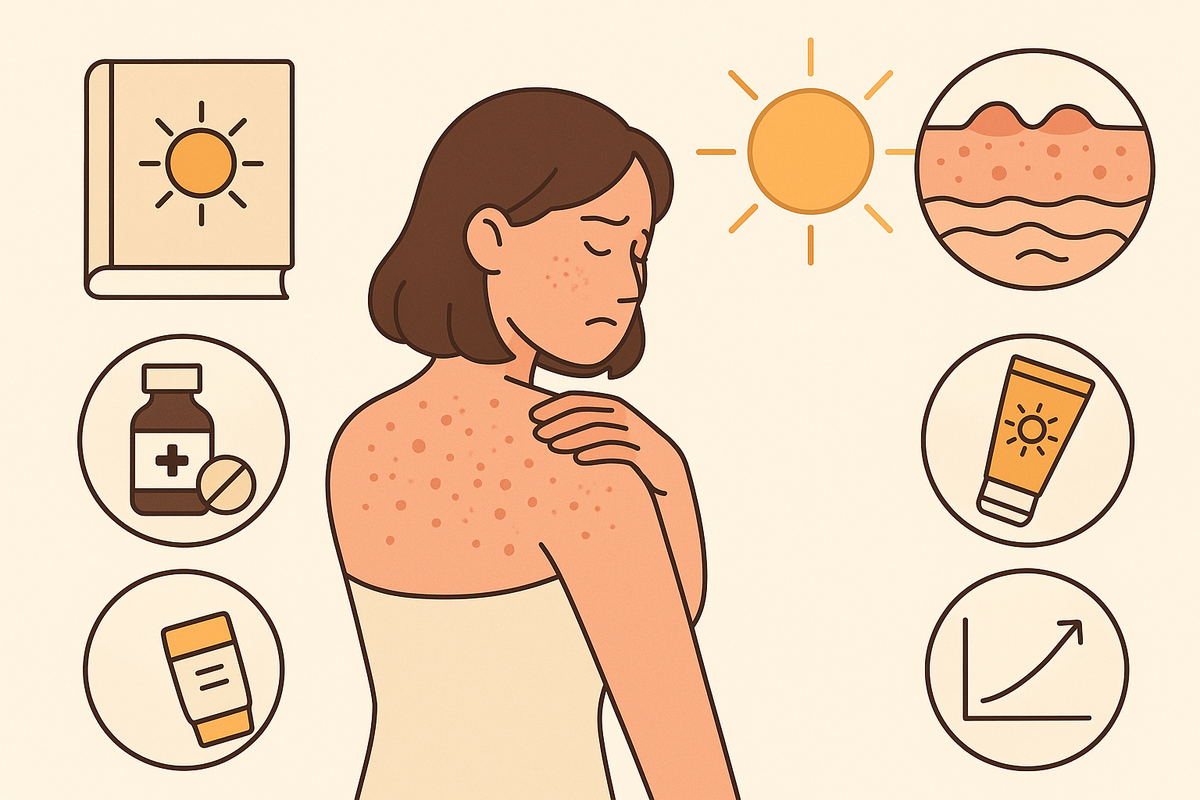
Estimated reading time: 15 min
Key Takeaways
- Rashes triggered by sun exposure are commonly associated with conditions like polymorphic light eruption (PMLE), sun allergy, and medication reactions.
- Symptoms may include itchy red bumps, hives, burning, and swelling on sun-exposed skin.
- Photosensitivity can be triggered by UV rays, certain medications, and underlying health conditions.
- Prevention includes sunscreen, protective clothing, and gradual sun exposure.
- Seek a medical evaluation for severe, spreading, or persistent rashes.
Table of Contents
- Section 1: What Causes Rashes Triggered by Sun Exposure?
- Section 2: Common Types of Sun-Induced Rashes
- Section 3: Symptoms and Patterns of Sun-Triggered Rashes
- Section 4: Diagnosing Sun-Related Rashes
- Section 5: Treatment and Relief for Sun-Induced Rashes
- Section 6: Prevention Strategies for Sun-Related Rashes
- Section 7: When to Seek Medical Attention
- Section 8: Other Causes of Skin Rashes: Beyond the Sun
- Conclusion
- FAQ
Section 1: What Causes Rashes Triggered by Sun Exposure?
Understanding Photosensitivity and Sun Allergy
"Rashes triggered by sun exposure" refer to a group of skin reactions that occur after exposure to sunlight, particularly ultraviolet (UV) light. The underlying process is called photosensitivity — an abnormal skin response to UV rays. This can be due to genetic factors, immune system reactions, or external triggers such as medications and topical products.
- Sun allergy is a broad term covering multiple conditions where the immune system reacts to sunlight, leading to a rash.
- Photodermatoses is the medical term for skin disorders caused or worsened by sunlight.
- Photosensitivity can be primary (the skin itself is sensitive) or secondary (caused by drugs or underlying diseases).
UV Light as the Main Trigger
Ultraviolet rays (UVA and UVB) are the main culprits. Even short exposures can trigger a rash in sensitive individuals. UV light can penetrate light clothing and window glass, so reactions sometimes occur indoors or through thin fabric.
Other Triggers: Medications and Topicals
Some medications (like certain antibiotics, diuretics, and NSAIDs) and skincare products (such as retinoids or perfumes) can make the skin more reactive to sunlight. This is called a drug rash or photoallergic/drug-induced photosensitivity. Recognizing these triggers is key to managing rashes after sun exposure.
Section 2: Common Types of Sun-Induced Rashes
Polymorphic Light Eruption (PMLE)
PMLE is considered one of the most common types of photosensitive rash. It appears as itchy red bumps, small plaques, or blisters on areas exposed to sunlight—often the arms, chest, and neck. PMLE typically develops within hours to days after the first strong sun exposure in spring or early summer, especially in people who have spent the winter mostly indoors.
- PMLE is reported more frequently in women and people with lighter skin types.
- The rash may resolve after repeated sun exposure as the skin adapts.
Solar Urticaria
Solar urticaria is less common but can be dramatic. It features hives (raised, itchy welts) that develop within minutes of sun exposure and fade within hours once out of the light. Unlike PMLE, solar urticaria can cause intense itching and swelling very quickly.
Photoallergic and Phototoxic Reactions
Some rashes are due to photoallergic reactions (immune response to a sun-altered substance, often a medication or cream) or phototoxic reactions (a direct toxic effect when certain substances on or in the skin are exposed to sunlight).
- Photoallergic rashes may spread beyond sun-exposed areas.
- Phototoxic rashes often look like a severe sunburn, even after brief sun exposure.
Distinguishing from Other Rashes
Not all rashes after sun exposure are photosensitive. Heat rash, contact dermatitis, fungal skin rash, and stress rash can also be triggered by sun and heat. Recognizing the pattern and distribution helps differentiate them (see heat rash prevention tips).
Section 3: Symptoms and Patterns of Sun-Triggered Rashes
Typical Symptoms
- Itchy, red bumps or patches on sun-exposed skin
- Hives (urticaria), swelling, or burning sensation
- Blisters or small vesicles in some cases
- Sharp borders: the rash typically spares areas covered by clothing or jewelry
Common Locations
Sun-induced rashes most often appear on:
- Forearms, backs of hands
- Chest, neck, face
- Lower legs (in people wearing shorts or skirts)
Timing and Triggers
PMLE usually starts a few hours to a day after sun exposure, while solar urticaria appears within minutes. Reactions can be triggered by:
- Sudden, intense sunlight after winter or prolonged indoor time
- High UV index days (spring/summer)
- UV exposure through thin clothing or windows
- Use of certain medications or topical products
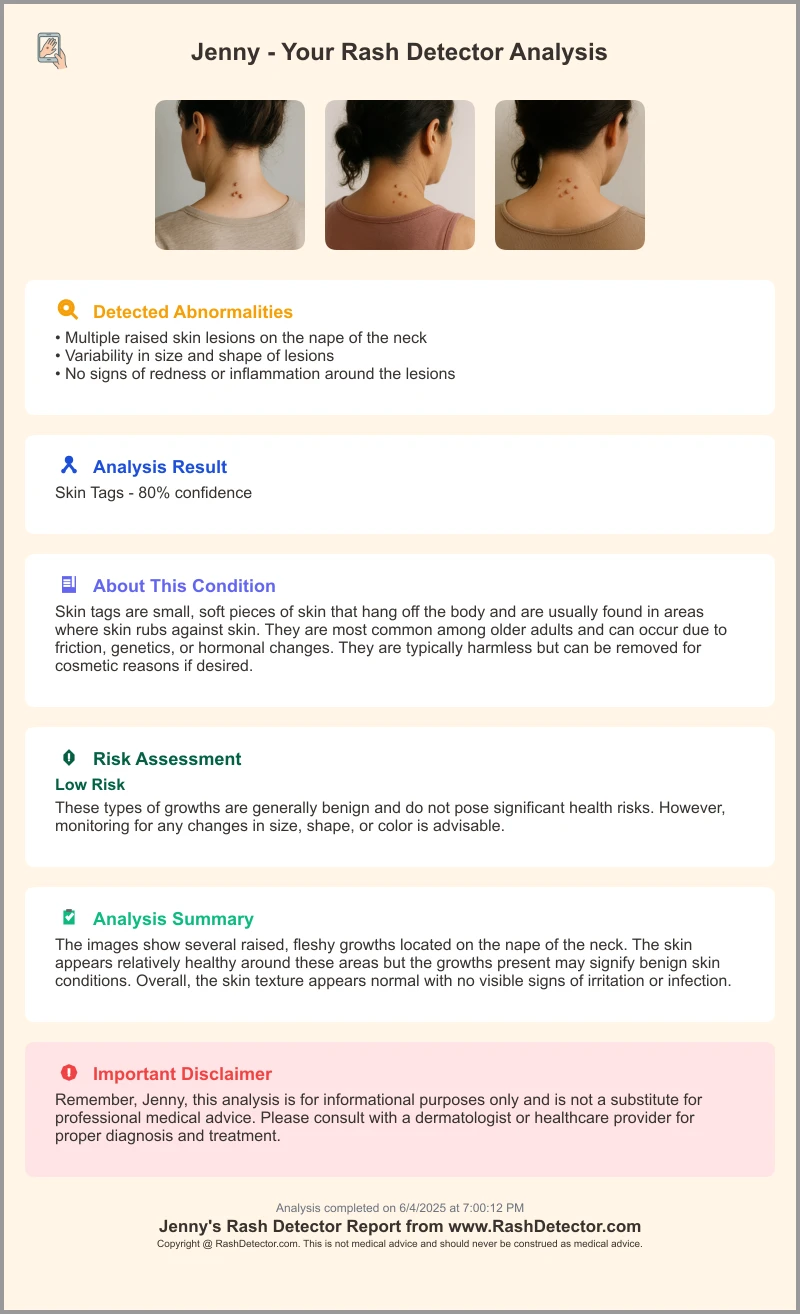
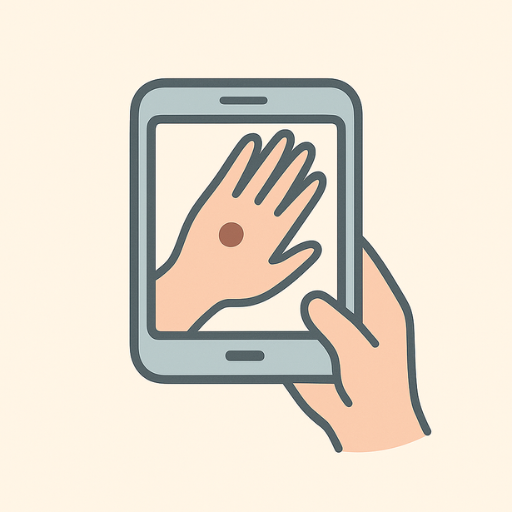
Not sure if your rash is sun-induced? Upload photos to Rash Detector for instant analysis and guidance on possible causes.
Section 4: Diagnosing Sun-Related Rashes
When to See a Clinician
It can be difficult to distinguish between different causes of rashes triggered by sun exposure. Seek professional evaluation if:
- The rash is severe, persistent, or spreading
- You have blisters, pain, fever, or swelling
- Other symptoms appear (joint pain, fatigue, mouth sores)
- You suspect a drug-induced reaction or lupus
Always consult a dermatologist or doctor for diagnosis and treatment—especially if you are unsure, symptoms worsen, or involve the eyes or mouth.
How Doctors Distinguish Causes
Clinicians consider:
- History: Onset after sun, medications, previous episodes, family history
- Distribution: Only sun-exposed areas or spreading?
- Associated triggers: New drugs, perfumes, recent illnesses
They may perform tests such as:
- Phototesting (controlled UV exposure)
- Blood tests if autoimmune conditions (like lupus) are suspected
- Skin biopsy in unusual or severe cases
Self-Assessment Tools
Apps like Rash Detector can help by analyzing uploaded photos and suggesting possible causes, but a medical professional is required for a definitive diagnosis.
Section 5: Treatment and Relief for Sun-Induced Rashes
Immediate Symptom Relief
- Move out of the sun immediately if you notice a rash developing.
- Apply cool compresses to the affected area to help reduce itching and swelling.
- Use over-the-counter oral antihistamines to help control itching (if not contraindicated).
- Avoid further sun exposure until the rash resolves.
Topical Treatments
- Apply fragrance-free moisturizers to soothe irritation.
- Topical corticosteroids (like hydrocortisone cream) may help reduce inflammation and itching. Always follow instructions and avoid prolonged use without medical advice.
- For severe itching, see top anti-itch cream recommendations.
Medical Therapy
For recurring or severe cases, a dermatologist may recommend:
- Prescription-strength topical or oral steroids
- Phototherapy (controlled light exposure to help the skin adapt)
- Reviewing medications to identify and remove triggers
If you suspect a medication is contributing to your photosensitivity, don’t stop it abruptly—consult your prescribing doctor. For more, see rash from medication guidance.
Section 6: Prevention Strategies for Sun-Related Rashes
Sun Protection Best Practices
- Apply a broad-spectrum sunscreen with SPF 30+ to all exposed skin 15-30 minutes before sun exposure. Reapply every two hours and after swimming or sweating.
- Wear protective clothing: long sleeves, wide-brimmed hats, and UV-blocking sunglasses.
- Seek shade during peak sun hours (10 am–4 pm).
- Use umbrellas or canopies when outdoors for extended periods.
Gradual Sun Exposure
- Gradually increase sun exposure in spring to help your skin adapt. This may reduce the risk of PMLE for some people.
- Avoid sudden, prolonged sunbathing after winter or long indoor periods.
Medication and Product Review
- Review your medications with a healthcare provider to identify those that may cause photosensitivity, such as antibiotics, diuretics, or anti-inflammatories. See drug rash treatment options for more.
- Check skincare and cosmetics labels for ingredients known to increase sun sensitivity (retinoids, benzoyl peroxide, certain fragrances).
Section 7: When to Seek Medical Attention
Red Flags for Urgent Care
- Blistering, widespread, or rapidly spreading rash
- Signs of infection: pus, increasing redness, warmth, or fever
- Symptoms beyond the skin: joint pain, fatigue, mouth sores, difficulty breathing
- Rash not improving with typical home care
Some underlying autoimmune diseases (like lupus) can cause sun-triggered rashes and may require specialized treatment. Always err on the side of caution and see a dermatologist for severe, persistent, or unclear symptoms.
Special Considerations
- People with a history of eczema, lupus, or other immune conditions may be more prone to photosensitive rashes.
- If you develop a new rash after starting a medication, inform your doctor right away.
For more on systemic causes and warning signs, see skin rash treatment solutions.
Section 8: Other Causes of Skin Rashes: Beyond the Sun
Heat Rash (Miliaria)
Heat rash occurs when sweat ducts get blocked, leading to small, itchy bumps—especially in hot, humid weather. It often affects babies and people who sweat heavily. While it can be triggered by sun and heat, its pattern differs from photosensitive rashes. Learn more about preventing heat rash.
Contact Dermatitis and Allergic Reaction Rash
Contact dermatitis is an itchy, red rash that develops after skin contact with an allergen or irritant—like sunscreen ingredients, plant sap, or jewelry. An allergic reaction rash may be triggered by sun-activated chemicals in lotions or perfumes.
Fungal Skin Rash, Drug Rash, and Other Triggers
- Fungal skin rash: Moist, warm environments (including sweaty sun-exposed skin) can promote fungal infections.
- Drug rash: Medications can cause a variety of rashes, sometimes worsened by sun exposure. For detailed causes and identification tips, see drug rash causes.
- Diabetes skin rash: People with diabetes may be prone to rashes, some of which can flare up with heat or sun.
- Stress rash: Emotional stress can trigger or worsen hives and other skin reactions, sometimes overlapping with sun exposure.
Always consider the broader context of your symptoms and consult a healthcare provider for persistent or unexplained rashes.
Conclusion
Rashes triggered by sun exposure can range from mild and self-limited to severe and persistent, depending on the underlying cause. PMLE, solar urticaria, photoallergic, and phototoxic reactions are among the main types, but heat rash, contact dermatitis, fungal skin rash, allergic reaction rash, drug rash, diabetes skin rash, and stress rash can also overlap or mimic photosensitive rashes.
The best approach is prevention—protect your skin with sunscreen, clothing, and smart sun habits. If you develop a rash, act quickly with symptom relief measures and consult your doctor if symptoms are severe, spreading, or not improving. Apps like Rash Detector can help guide your next steps, but do not replace professional medical advice. Remember: persistent, painful, or blistering rashes should always be evaluated by a dermatologist or healthcare provider.
FAQ
Q: What causes a rash after sun exposure?
A: Sun-triggered rashes are often associated with photosensitivity, such as polymorphic light eruption, sun allergy, or medication reactions. The immune system may react to UV rays, sometimes worsened by certain drugs or skincare products.
Q: Is a sun rash the same as a sun allergy?
A: "Sun rash" and "sun allergy" are often used interchangeably. Both describe immune-mediated skin reactions to sunlight, but "sun allergy" is a broad term covering various photosensitive conditions like PMLE or solar urticaria.
Q: How can I tell if my rash is polymorphic light eruption or solar urticaria?
A: PMLE usually appears a few hours to days after sun exposure, showing as itchy red bumps or plaques. Solar urticaria develops within minutes of sunlight as hives (welts) and resolves quickly once out of the sun. A doctor can help distinguish them.
Q: Can medications cause a rash from sun exposure?
A: Yes, many medications can make your skin more sensitive to sunlight, causing photoallergic or phototoxic rashes. Common culprits include antibiotics, diuretics, and NSAIDs. Always review new rashes with your healthcare provider.
Q: How do you treat an itchy rash caused by sunlight?
A: Move out of the sun, apply cool compresses, use antihistamines for itching, and apply mild corticosteroid cream if needed. Avoid further sun until the rash resolves, and consult a doctor for severe or persistent symptoms.
Q: When should I see a doctor for a rash after being in the sun?
A: See a doctor if the rash is severe, spreading, blistering, painful, or persistent, or if you have fever, joint pain, or other concerning symptoms. Medical evaluation is important to rule out serious conditions like lupus or drug reactions.
Always consult a doctor or dermatologist for diagnosis and treatment, especially for severe, spreading, painful, or persistent symptoms. This information is for general educational purposes only and is not a substitute for professional medical advice.