Causes of Rashes from Sweat: The Complete Guide to Sweat-Related Skin Rashes
Discover the causes of rashes from sweat, including heat rash, contact dermatitis, fungal rash, and more. Learn triggers, risk factors, and prevention tips.

Estimated reading time: 14 min
Key Takeaways
- Rashes from sweat are often triggered by heat, humidity, friction, and blocked sweat ducts.
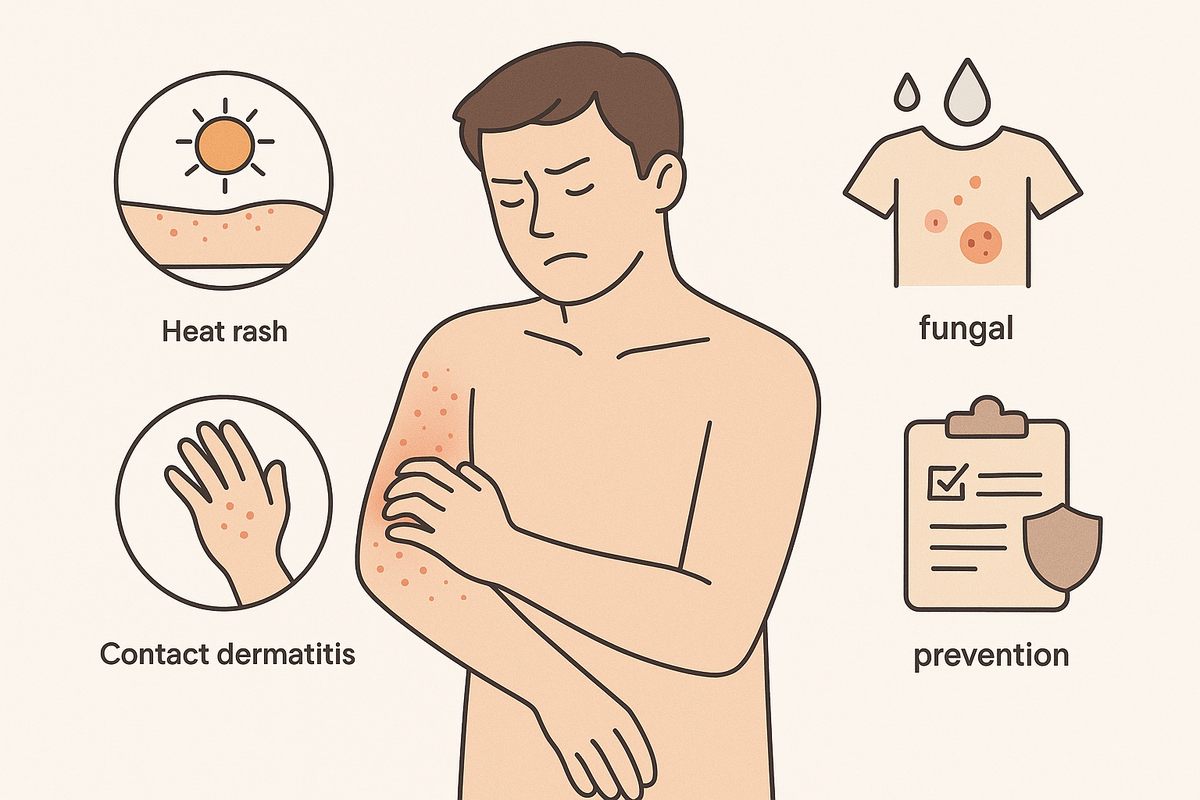
- Heat rash (miliaria) is a common sweat-induced rash, but contact dermatitis, fungal infections, and allergic reactions can also occur.
- Tight clothing, medications, underlying conditions (like diabetes), and certain environments may increase risk.
- Infants, children, and people who sweat excessively may be more prone to sweat rashes.
- Professional diagnosis is important for persistent, severe, or spreading rashes.
Table of Contents
- Section 1: Understanding the Causes of Rashes from Sweat
- Section 2: Heat Rash (Miliaria) — Blocked Sweat Ducts Explained
- Section 3: Contact Dermatitis, Allergic Reactions, and Sweat
- Section 4: Fungal Skin Rash, Bacteria, and Sweat-Induced Infections
- Section 5: Medications, Drug Rashes, and Sweat
- Section 6: Risk Factors — Who Gets Sweat Rashes and Why?
- Section 7: Distinguishing Sweat Rash from Other Skin Rashes
- Section 8: Prevention and Self-Care for Sweat-Related Rashes
- Conclusion
- FAQ
Section 1: Understanding the Causes of Rashes from Sweat
Blocked Sweat Ducts: The Root of Many Sweat Rashes
The most common cause of rashes from sweat is blocked or inflamed sweat ducts. When sweat gets trapped under the skin—due to heat, humidity, or physical activity—it can’t evaporate normally. This may lead to irritation, inflammation, and the classic itchy, prickly red rash known as heat rash (or miliaria).
- Heat and humidity make sweat evaporation difficult.
- Prolonged sweating from exercise, fever, or hot environments increases risk.
- Skin occlusion (tight clothing, bandages, or skin folds) can block sweat ducts further.
Friction and Pressure
Areas where skin rubs together (like underarms, groin, or beneath breasts), or where clothing presses on the skin, are common spots for sweat rashes. Friction can aggravate sweat-logged skin, compounding the risk of irritation and inflammation.
Other Triggers: Dead Skin, Bacteria, and More
Dead skin cells, residue from lotions, and bacteria may clog sweat ducts or pores, especially if hygiene is compromised during heavy sweating. This can contribute to a range of skin rashes, from contact dermatitis to fungal and bacterial infections.
To sum up, the primary causes of rashes from sweat are:
- Blocked sweat ducts (miliaria/heat rash)
- Friction and occlusion
- Prolonged, heavy sweating
- Poor ventilation and hygiene
- Skin reactions to irritants and allergens in a sweaty environment
Section 2: Heat Rash (Miliaria) — Blocked Sweat Ducts Explained
What Is Heat Rash?
Heat rash (miliaria) is a common sweat-induced rash. It appears as small, red bumps or clear, fluid-filled blisters on areas where sweat gets trapped under the skin. It most commonly affects the neck, chest, back, and skin folds.
How Blocked Sweat Ducts Trigger Rash
Heat rash develops when sweat ducts become blocked—often due to:
- Hot, humid weather
- Overheating from exercise, fever, or bundled clothing
- Prolonged sitting or lying down (such as in bed-bound patients)
Sweat backs up beneath the skin, which may cause:
- Miliaria crystallina: tiny, clear blisters (mildest form)
- Miliaria rubra: red, itchy, prickly bumps
- Miliaria profunda: firm, flesh-colored bumps (rare, deeper blockage)
Who Gets Heat Rash?
Infants and young children are especially prone to heat rash due to their underdeveloped sweat ducts. However, adults can develop heat rash during intense exercise, hot weather, or when wearing occlusive clothing.
For tips on avoiding heat rash, see our guide: How to Prevent Heat Rash: Practical Tips for Every Season.
Section 3: Contact Dermatitis, Allergic Reactions, and Sweat
Contact Dermatitis: Irritant and Allergic Types
Contact dermatitis is a broad category of skin inflammation triggered by direct exposure to an irritant or allergen. Sweat can make skin more vulnerable to these triggers by breaking down the skin barrier and increasing permeability.
- Irritant contact dermatitis: Caused by friction, harsh detergents, or chemicals (often made worse by sweating).
- Allergic contact dermatitis: Triggered by allergens like nickel, fragrances, or adhesives—sweat can dissolve or spread these substances, increasing allergic reactions.
Allergic Reaction Rash vs. Sweat Rash
While heat rash is caused by blocked sweat ducts, an allergic reaction rash (such as hives or eczema) is an immune response. Sweat can worsen pre-existing allergies or trigger flare-ups, but the mechanism is different. Hives (urticaria), for example, can be caused by sweat in those with cholinergic urticaria—a rare form of sweat allergy.
How to Tell the Difference
- Heat rash: Small, red bumps or blisters, often prickly
- Contact dermatitis: Red, itchy, sometimes scaly patches, often with clear borders
- Allergic reaction rash: Raised, itchy hives or welts, often sudden onset
For persistent or spreading rashes, professional evaluation is essential. You can learn more about allergic rashes in our article: Drug Allergy Rash: Identification, Causes, and What to Do.
Section 4: Fungal Skin Rash, Bacteria, and Sweat-Induced Infections
Fungal Infections and Sweat
Warm, moist, and sweaty environments can be ideal breeding grounds for fungi—leading to fungal skin rash such as tinea corporis (ringworm), tinea cruris (jock itch), and tinea pedis (athlete’s foot).
- Fungi tend to thrive in sweaty, occluded areas (groin, feet, underarms).
- Symptoms: Red, itchy, often ring-shaped rashes with scaling.
- Fungal rashes may worsen with persistent moisture and poor hygiene.
Bacterial Infections from Sweat
Sweat itself is sterile, but when trapped under occlusive clothing or in skin folds, it creates conditions for bacteria to multiply. This can lead to:
- Folliculitis: Infection of hair follicles, causing red bumps or pustules.
- Impetigo: Contagious bacterial infection, more common in children.
Preventing Fungal and Bacterial Rashes
Key prevention strategies include:
- Keeping skin clean and dry
- Wearing breathable, loose-fitting clothing
- Changing out of sweaty clothes promptly
For advice on treating skin rashes, check our comprehensive guide: Skin Rash Treatment: Effective Solutions and Smart Tools.
Section 5: Medications, Drug Rashes, and Sweat
Drug Rash: A Hidden Cause
Certain medications can cause or worsen rashes, especially in the context of sweating. A drug rash can resemble heat rash, hives, or other skin eruptions, and may be triggered more easily when skin is irritated by sweat and friction.
- Some medications may increase sweating (e.g., certain antidepressants, antipyretics).
- Others can make skin more sensitive to heat and sun (photosensitizing drugs).
- Transdermal patches or medicated creams under occlusive conditions can aggravate reactions.
Sweat and Drug Allergies
Allergic reactions to medications may be exacerbated by increased sweating, as sweat can carry drug metabolites to the skin surface, potentially triggering immune responses in sensitive individuals.
Recognizing Drug-Related Skin Reactions
- Look for sudden, widespread rashes, especially if starting a new medication.
- Drug rashes may present as red blotches, hives, blisters, or peeling skin.
- Always consult a doctor if you suspect a drug reaction.
Learn more about identifying and treating drug-induced rashes in these detailed posts: Drug Rash: Causes, Symptoms, and How to Identify It and Drug Rash Treatment: Effective Solutions for Skin Reactions.
Section 6: Risk Factors — Who Gets Sweat Rashes and Why?
Infants and Children
Babies and young children may be more vulnerable to rashes from sweat. Their sweat ducts are not fully developed, making them prone to heat rash, especially in warm environments or when overdressed.
- Commonly affected areas: neck, upper chest, diaper area, skin folds.
- More frequent in summer or when feverish.
Adults with High Sweat Production
People with hyperhidrosis (excessive sweating) may be at higher risk for sweat-induced rashes, as are athletes or those with physically demanding jobs. Hot climates and poor ventilation may further increase risk.
- Areas at risk: underarms, groin, back, feet.
- Frequent clothing changes and good hygiene can help.
Underlying Health Conditions
Conditions like diabetes can predispose to skin rashes due to impaired immunity and increased risk of fungal infections. Immune system disorders, obesity (more skin folds), and bedridden status are additional risk factors.
- People with diabetes may be more prone to diabetes skin rash and infections in moist areas.
- Autoimmune conditions and certain skin diseases can also increase risk.
Section 7: Distinguishing Sweat Rash from Other Skin Rashes
Sweat Rash vs. Hives and Allergic Reaction Rash
Sweat rash (heat rash) typically presents as small, red bumps or blisters in sweaty, occluded areas. In contrast, allergic reaction rash (such as hives) is characterized by raised, itchy welts that may appear anywhere on the body, often suddenly.
- Heat rash: Small, grouped, prickly bumps; often self-limited.
- Hives: Raised plaques or welts; may move around the body.
- Fungal skin rash: Ring-shaped, scaly edges, usually in moist areas.
Other Sweat-Related Rashes
- Sweat dermatitis: Irritation and breakdown of skin barrier from chronic moisture and friction.
- Contact dermatitis: Rash from irritants/allergens, often worsened by sweating.
- Drug rash: Can mimic other rashes or appear as widespread spots or blisters.
Why a Professional Diagnosis Matters
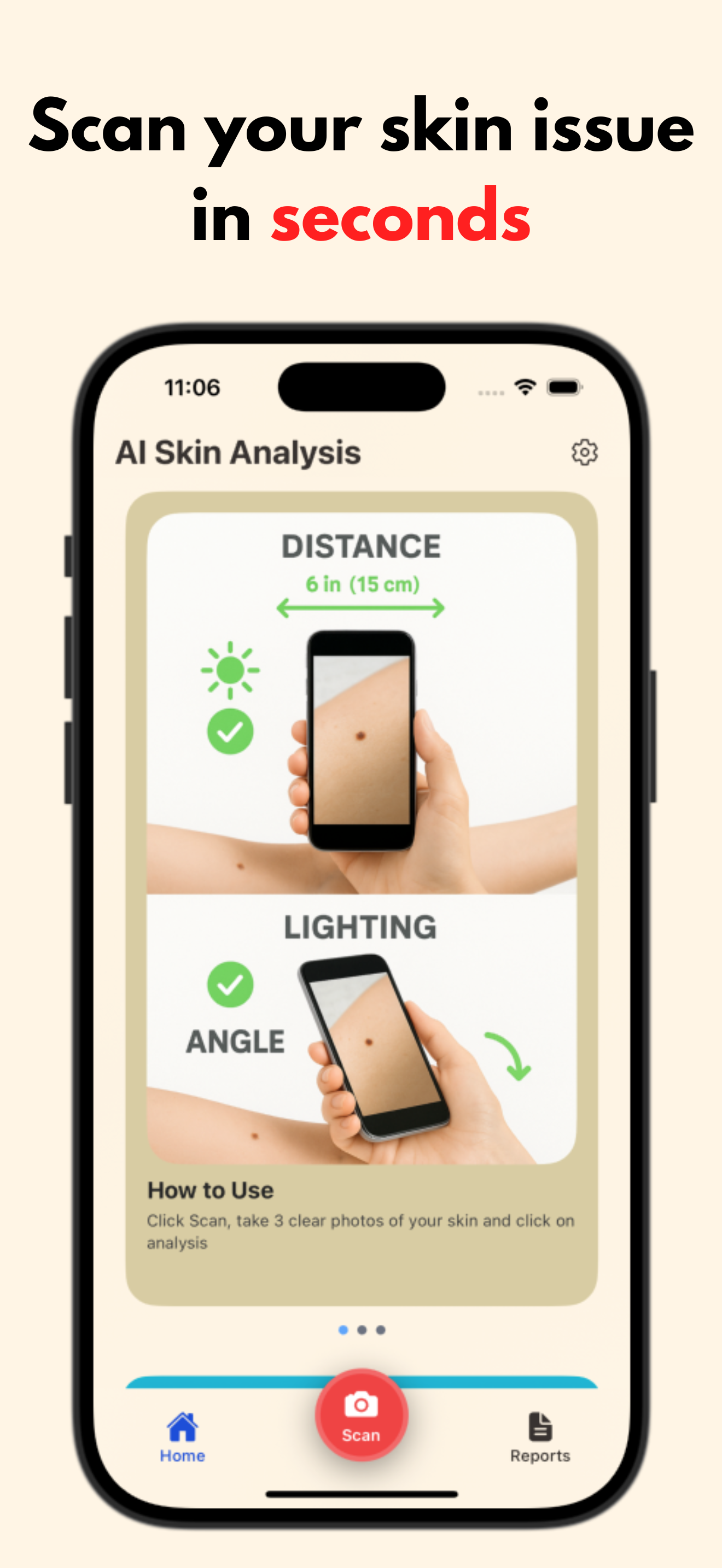
Many rashes look similar. If you have a rash that is spreading, very painful, blistering, or not improving, see a doctor or dermatologist for diagnosis and treatment. For a fast, accessible analysis, consider using an AI-powered tool like Rash Detector, which can help narrow down possible causes based on uploaded photos. However, this does not replace professional medical advice.
Section 8: Prevention and Self-Care for Sweat-Related Rashes
Practical Steps to Prevent Sweat Rashes
- Stay cool: Use fans, wear lightweight, loose-fitting clothing, and take cool showers.
- Keep skin dry: Pat skin, especially in folds, after sweating; change out of damp clothes promptly.
- Reduce friction: Use moisture-absorbing powders or barrier creams in high-risk areas.
- Hygiene: Shower after heavy sweating to remove bacteria and dead skin.
When to See a Doctor
Most sweat rashes are mild and improve with self-care. However, see a healthcare provider if:
- The rash is spreading, blistering, or very painful
- You have fever or signs of infection (pus, red streaks, swelling)
- The rash lasts longer than a week or keeps coming back
Smart Tools for Skin Care
Apps like Rash Detector allow you to upload images of your skin rash and receive instant analysis of possible causes. This can be helpful in guiding your next steps, but always follow up with a medical professional for any concerning symptoms.
For relief of itching, see our expert guide: Best Anti Itch Cream: Top Picks and How to Choose.
Conclusion
Rashes from sweat can result from a range of factors—including blocked sweat ducts, friction, fungi, bacteria, and allergic or drug reactions. Heat rash (miliaria) is common, but sweat can also trigger contact dermatitis, fungal infections, and other skin problems. The risk may increase with heat, humidity, tight clothing, certain medications, and underlying health conditions like diabetes.
Distinguishing between a simple sweat rash and other skin conditions (such as hives, allergic reaction rash, or drug rash) can be challenging. Mild rashes often improve with self-care, but see a doctor or dermatologist for diagnosis and treatment if you have severe, spreading, or persistent symptoms. For fast guidance, consider uploading photos to the Rash Detector app for instant analysis—but always follow up with a healthcare professional as needed.
FAQ
Q: What causes a rash from sweating?
A: Rashes from sweating are usually caused by blocked sweat ducts (heat rash), friction from clothing or skin folds, and sometimes by irritation or infection from bacteria, fungi, or contact allergens. Heat, humidity, and tight clothing are common triggers.
Q: How do you know if a rash is from sweat or heat rash?
A: Heat rash usually appears as small, red bumps or clear blisters in areas where sweat gets trapped. It tends to be itchy or prickly and is most common in hot, humid environments or after heavy sweating. If in doubt, consult a healthcare provider.
Q: Why do I get heat rash when I sweat a lot?
A: Sweating a lot can overwhelm the sweat ducts, causing them to become blocked. When sweat can't escape, it gets trapped under the skin, resulting in irritation and the classic heat rash.
Q: Can tight clothes or friction cause sweat rash?
A: Yes, tight clothes and friction from skin or fabric can increase the risk of sweat rash by blocking sweat from evaporating and irritating the skin. Loose, breathable clothing may help prevent this.
Q: Is sweat rash the same as an allergic reaction to sweat?
A: Sweat rash (heat rash) is caused by blocked sweat ducts, not an allergy. However, some people can develop an allergic reaction (hives) to their own sweat; this condition is called cholinergic urticaria and is different from typical sweat rash.
Q: What makes heat rash worse in hot, humid weather?
A: Hot, humid weather prevents sweat from evaporating, increasing the likelihood of sweat duct blockage and heat rash. Staying cool, dry, and wearing loose clothing may help reduce risk.
Always consult a doctor or dermatologist for diagnosis and treatment, especially for severe, spreading, painful, or persistent symptoms.