How to Treat a Rash at Home: Complete Guide to Relief & Care
Learn how to treat a rash at home with safe remedies, soothing tips, and doctor warning signs. Relief for itching, redness, and more. Professional advice inside.

Estimated reading time: 18 min
Key Takeaways
- Effective home remedies like cool compresses, oatmeal baths, and gentle moisturizers may help soothe mild rashes and reduce inflammation.
- Use 1% hydrocortisone cream or antihistamines carefully to relieve itching; understanding indications, contraindications, and proper application is important.
- Avoid triggers such as harsh soaps, fragrances, irritating fabrics, and environmental factors to help prevent rash exacerbation.
- Keep the rash clean, dry, and protected with gentle cleansing, appropriate moisturizing, breathable clothing, and protective dressings when necessary.
- Seek medical care promptly if the rash spreads rapidly, becomes painful, shows signs of infection, or is accompanied by systemic symptoms.
Table of Contents
- Section 1: Understanding Rashes and When to Seek Help
- Section 2: Gentle Cleansing and Skin Care for Rash Relief
- Section 3: Home Remedies for Itch Relief and Rash Soothing
- Section 4: Over-the-Counter Anti-Itch Treatments Explained
- Section 5: Avoiding Triggers and Protecting Your Skin
- Section 6: Specialized Home Care for Common Rash Types
- Conclusion
- FAQ
Section 1: Understanding Rashes and When to Seek Help
What Is a Rash?
A rash is an area of irritated or swollen skin that can result from many causes including allergic reactions, infections, heat exposure, irritants, or underlying medical conditions. Rashes may appear as redness, bumps, tiny blisters, scaling, peeling, or sometimes ulcerations. They may be itchy, painful, or without symptoms depending on the cause and severity. Recognizing characteristics such as color, texture, distribution, and associated symptoms can help guide appropriate home care or professional evaluation.
For example, allergic contact dermatitis often causes red, itchy, swollen patches sometimes with small blisters, whereas fungal rashes might be scaly and ring-shaped. Viral rashes can be widespread and accompanied by systemic symptoms like fever. Understanding these differences can assist in choosing remedies and deciding when to seek medical help.
How Long Does a Rash Last?
The duration of a rash varies depending on its cause and treatment. Mild irritant or allergic rashes often improve within a few days to two weeks when triggers are removed and proper skin care is followed. For instance, a contact dermatitis rash may subside in 7-14 days with avoidance of the irritant and use of soothing treatments.
Infectious rashes caused by bacteria, viruses, or fungi may require targeted treatment and can last longer. For example, fungal infections like ringworm can persist for several weeks without antifungal therapy. Chronic skin conditions such as eczema or psoriasis often involve recurrent rashes requiring ongoing management.
It is important to monitor the rash’s progress; rashes that worsen, spread, or fail to improve within 1-2 weeks should prompt consultation with a healthcare provider. For detailed timelines, causes, and recovery tips, visit How Long Does a Rash Last? Timelines, Causes & Recovery Tips.
When to See a Doctor for a Rash
While many rashes can be managed safely at home, recognizing when to seek professional medical care is important to prevent complications. Seek medical attention promptly if you observe any of the following:
- Rapid spread or large area involvement: A rash that quickly enlarges or covers a significant portion of the body may indicate severe allergic reactions or infections requiring urgent care.
- Pain, swelling, or warmth: These signs suggest inflammation or possible infection such as cellulitis that may need antibiotics.
- Fever or systemic symptoms: Accompanying fever, chills, fatigue, or joint pain can indicate systemic infections or immune responses.
- Signs of infection: Presence of pus, oozing, crusting, or yellowish discharge suggests secondary bacterial infection.
- Persistent or worsening rash: No improvement after 7 days of home care, or worsening despite treatment.
- Rashes in sensitive areas: Face, genitals, or mucous membranes often require medical evaluation.
- Associated breathing difficulty or swelling of face/lips: Could indicate anaphylaxis — call emergency services immediately.
If unsure, it is always safer to consult a healthcare professional or dermatologist who can provide an accurate diagnosis and tailored treatment. More guidance on when to see a doctor is available at When to See a Doctor About a Rash: Key Signs and Guidance.
Section 2: Gentle Cleansing and Skin Care for Rash Relief
Importance of Keeping the Rash Clean and Dry
Maintaining proper hygiene supports skin healing and helps prevent secondary infections. When cleansing the rash, use lukewarm water rather than hot water which can strip natural oils and worsen dryness. A mild, fragrance-free cleanser formulated for sensitive skin—such as those labeled as "soap-free" or "dermatologist-tested"—is preferred to minimize irritation.
Wash the affected area gently once or twice daily, avoiding vigorous scrubbing which can damage the fragile skin barrier and exacerbate inflammation. After washing, pat the skin dry carefully with a soft, clean towel rather than rubbing. Excess moisture on the skin, especially in folds or covered areas, can promote bacterial or fungal overgrowth, so keep the area dry but not overly dehydrated.
In cases of oozing or weeping rashes, gently cleanse with saline solution or cool water to remove crusts before applying topical treatments. Avoid the use of antiseptic soaps or alcohol-based cleansers unless specifically recommended by a healthcare provider, as these can be drying and irritating.
Choosing the Right Moisturizer
Rashes often cause the skin to lose moisture, becoming dry, flaky, and more prone to irritation. Applying a fragrance-free, hypoallergenic moisturizer may help restore the skin’s protective barrier, soothe itching, and prevent cracking. Look for moisturizers containing ceramides, glycerin, hyaluronic acid, or petrolatum which are effective in retaining hydration and supporting barrier repair.
Ceramides are lipids naturally found in skin that play a role in barrier function; products like CeraVe or Eucerin contain these ingredients. Glycerin acts as a humectant, drawing moisture into the skin. When selecting moisturizers, avoid those with added fragrances, dyes, parabens, or alcohols which can irritate sensitive skin.
Choose creams or lotions rather than thick ointments for mild to moderate rashes, as ointments can trap heat and sweat, potentially worsening inflammation, especially in warm or humid environments. However, in very dry or cracked skin, ointments such as petroleum jelly may be beneficial at night.
Apply moisturizer liberally immediately after bathing or cleansing while skin is still slightly damp to lock in moisture. Reapply as needed, especially if the skin feels tight or itchy. Consistent moisturizing may help accelerate recovery and reduce itchiness.
Why Fragrance-Free and Gentle Products Matter
Many common skincare products contain fragrances, preservatives, and other chemicals that can act as irritants or allergens, potentially worsening rash symptoms or triggering flare-ups. For this reason, always select products labeled "fragrance-free," "hypoallergenic," or "for sensitive skin." Pediatric formulations are often gentler and free from common irritants.
Harsh soaps, detergents, and alcohol-based toners can strip natural oils from skin, impairing barrier function and increasing susceptibility to irritation and infection. Even “natural” or essential oil-based products can cause allergic reactions in sensitive individuals.
Patch testing a new product on a small area of unaffected skin before full application can help identify potential irritants. Also, avoid exfoliating scrubs, loofahs, or rough washcloths when caring for rash-affected skin to prevent mechanical irritation.
Section 3: Home Remedies for Itch Relief and Rash Soothing
Cool Compresses and Ice-Cold Cloths
Cool compresses may provide relief from itching and inflammation by constricting blood vessels and reducing skin temperature. To prepare, soak a clean cloth in cool (not ice-cold) water, wring out excess moisture, and apply gently to the rash for 10-15 minutes. Repeat as needed every 1-2 hours, especially during flare-ups of intense itch.
Ice packs wrapped in a thin towel can also be used for short durations, but never apply ice directly to the skin to avoid frostbite. This method may be helpful for acute rashes such as insect bites or allergic reactions.
Besides reducing itch, cool compresses may decrease swelling and redness. They are generally safe for most ages and skin types but should be avoided if the rash area is numb or has poor circulation.
Colloidal Oatmeal Baths
Colloidal oatmeal, made from finely ground oats, has anti-inflammatory, antioxidant, and moisturizing properties that may soothe itching and dryness. It can be used for widespread rashes or when topical creams are difficult to apply.
Add about 1 cup of colloidal oatmeal to a lukewarm bath and soak for 10-15 minutes. Ensure the water is not hot as this can worsen itching. After soaking, pat the skin dry gently and apply moisturizer to retain hydration.
Colloidal oatmeal is often used for conditions like eczema, poison ivy, chickenpox, and general irritation. It is safe for children and adults, but commercial preparations should be free of added fragrances or preservatives.
Soothing Topical Options
- Aloe Vera: Aloe vera gel, especially pure or organically grown, contains anti-inflammatory compounds like polysaccharides and antioxidants. Applying a thin layer may reduce redness and discomfort in sunburns, minor burns, or inflammatory rashes. Avoid aloe products with alcohol or fragrances that may irritate.
- Coconut Oil: Virgin coconut oil provides gentle moisturization and contains lauric acid, which has mild antibacterial and antifungal properties. It can be used as an adjunct moisturizer but should be patch-tested first, especially in acne-prone or oily skin, as it may clog pores.
- Diluted Tea Tree Oil: Tea tree oil exhibits antiseptic and anti-inflammatory effects but is a potent irritant if applied undiluted. Dilute 1-2 drops per teaspoon of carrier oil (like jojoba or almond oil). Use cautiously and avoid sensitive areas. Discontinue if irritation occurs.
These natural remedies may support symptom relief but should complement, not replace, medical treatments when needed. Discontinue use if the rash worsens or new symptoms develop.
Section 4: Over-the-Counter Anti-Itch Treatments Explained
Hydrocortisone vs Antihistamine: Which to Choose?
Understanding the differences between hydrocortisone creams and antihistamines can help in selecting the best treatment for your rash.
1% Hydrocortisone Cream: This mild topical corticosteroid works by reducing inflammation, redness, and itching. It is commonly recommended for irritant or allergic contact dermatitis, mild eczema, and insect bites. It is generally safe for use on limited areas for up to 7 days. However, hydrocortisone should not be applied to cracked, blistered, or infected skin, as it may worsen infections or delay healing.
Antihistamines: Antihistamines block histamine, a chemical released during allergic reactions that causes itching, swelling, and redness. Oral antihistamines such as cetirizine or loratadine are effective for systemic allergic rashes, hives, or widespread itching. Topical antihistamines are less commonly used due to potential sensitization risks.
Choosing between them depends on the rash type:
- For localized inflammatory rashes without widespread allergy symptoms, hydrocortisone cream is often preferred.
- For widespread itching from allergic reactions or hives, oral antihistamines may offer better relief.
- In some cases, both may be used under medical guidance.
Always read product instructions and consult a pharmacist or healthcare provider if uncertain. For detailed comparisons, see Hydrocortisone vs Antihistamine: Which Is Best for Rashes & Itch?.
Calamine Lotion and Zinc Oxide
Calamine lotion contains zinc oxide and ferric oxide, providing a soothing, cooling effect with mild drying properties. It is often used for oozing or weeping rashes such as poison ivy, chickenpox, or insect bites. Applying calamine lotion may help reduce itching and protect the skin’s surface.
Zinc oxide is widely used as a protective barrier for irritated or sensitive skin, notably in diaper rash creams. It forms a physical barrier that shields skin from moisture, irritants, and friction, aiding healing. Zinc oxide can also reduce inflammation and has mild antimicrobial effects.
Both products are generally safe and suitable for children and adults. Reapply as needed, especially after bathing or sweating.
How to Use Anti-Itch Creams Safely
- Apply only a thin layer to the affected area to avoid overuse and potential side effects.
- Avoid contact with eyes, nose, mouth, and mucous membranes.
- Limit topical steroid use to no more than 7 consecutive days unless directed by a healthcare provider.
- Discontinue use if you notice skin thinning, increased redness, burning sensation, or worsening rash.
- Consult a healthcare provider before use on children, pregnant or breastfeeding individuals, or on sensitive skin areas like the face or genitals.
- Do not combine multiple steroid-containing products simultaneously.
Proper use maximizes benefits and minimizes risks associated with over-the-counter treatments.
Section 5: Avoiding Triggers and Protecting Your Skin
Common Irritants to Avoid
- New cosmetics, scented soaps, and detergents: These often contain fragrances, preservatives, and chemicals that can trigger allergic or irritant contact dermatitis. Switch to hypoallergenic, fragrance-free products and test patch before full use.
- Poison ivy, oak, and sumac exposure: These plants produce urushiol oil that causes allergic rashes. Learn to identify and avoid them outdoors, and wash skin promptly if contact occurs.
- Rough fabrics like wool or latex gloves: These can cause mechanical irritation or allergic reactions. Opt for soft, breathable fabrics like cotton, and use hypoallergenic gloves when needed.
- Excessive sweating and heat exposure: Sweat can irritate skin and promote heat rash. Stay cool and dry, and shower after heavy sweating.
- Chemicals and cleaning agents: Prolonged exposure to detergents, solvents, or disinfectants can trigger or worsen rashes. Wear protective gloves and minimize contact.
Identifying and avoiding known triggers is a cornerstone of preventing rash flare-ups and promoting healing.
Clothing and Environmental Tips
Wear loose-fitting, breathable cotton clothing to minimize friction and allow air circulation, which helps keep the skin cool and dry. Avoid tight or synthetic fabrics that trap heat and moisture. In hot or humid climates, stay in shaded or air-conditioned areas when possible.
Avoid scratching to prevent skin barrier disruption, bleeding, and secondary infections. Keeping nails short and wearing cotton gloves at night can help reduce skin damage from unconscious scratching.
Keeping the Rash Area Protected
In cases where itching or rubbing may cause skin damage, cover the rash with sterile, non-stick gauze or bandages. This protects the skin from further irritation and contamination. Change dressings regularly, ideally daily or whenever wet or soiled.
Ensure the dressing is breathable to prevent moisture buildup. For rashes in areas prone to friction, such as under clothing or skin folds, protection is particularly important.
Section 6: Specialized Home Care for Common Rash Types
Contact Dermatitis
Contact dermatitis arises from skin exposure to irritants or allergens such as soaps, detergents, metals (nickel), plants, or chemicals. Symptoms typically include redness, itching, swelling, and sometimes blistering localized to the contact site.
Home care steps include:
- Immediately wash the affected area with lukewarm water and gentle cleanser to remove residual irritants.
- Apply cool compresses to reduce inflammation.
- Use 1% hydrocortisone cream for mild to moderate inflammation, applied sparingly and limited to 7 days.
- Moisturize regularly with fragrance-free creams to repair skin barrier.
- Avoid the identified irritant completely once known.
If blisters or severe symptoms develop, or if the rash spreads beyond the initial area, seek medical evaluation.
Heat Rash and Hives
Heat rash (miliaria) occurs when sweat ducts become blocked, trapping sweat under the skin and causing small, itchy bumps or blisters, often in areas of friction or sweating such as the neck, back, or folds.
Management includes:
- Keeping the skin cool and dry by wearing loose clothing and staying in air-conditioned or shaded areas.
- Using cool compresses or cool baths to soothe irritation.
- Avoiding heavy creams or ointments that can block sweat ducts.
- Allowing skin to air out and avoiding excessive sweating.
Hives (urticaria) are raised, red, itchy welts caused by histamine release from allergic or unknown triggers.
Home remedies for hives include oral antihistamines to reduce itching and swelling, colloidal oatmeal baths to soothe skin, and avoiding known allergens or triggers. If hives are accompanied by difficulty breathing or swelling of the face, seek emergency care immediately.
For more detailed advice, visit How to Stop a Rash from Itching: Effective Home Remedies.
Insect Bites and Diaper Rash
Insect bites can cause localized redness, swelling, and itching. Home care involves:
- Cleaning the bite area gently with soap and water.
- Applying cool compresses to reduce swelling and itching.
- Using calamine lotion or 1% hydrocortisone cream for symptom relief.
- Avoiding scratching to prevent infection.
Diaper rash is common in infants due to prolonged moisture, friction, and exposure to irritants in urine and stool.
Effective home care includes:
- Frequent diaper changes to keep skin dry.
- Gentle cleansing with water and soft cloths; avoid wipes with alcohol or fragrances.
- Applying zinc oxide-based barrier creams to protect skin.
- Allowing diaper area to air dry when possible.
- Using loose-fitting diapers to reduce friction.
Natural remedies such as coconut oil or aloe vera may complement care but should be used cautiously. For more information, visit How to Treat Rash from Insect Bites Naturally.
Conclusion
Effectively managing a rash at home involves a combination of gentle cleansing, appropriate moisturizing, symptom relief through cool compresses or anti-itch treatments, and careful avoidance of known triggers. Understanding the nature of your rash and the safest remedies may help accelerate healing and reduce discomfort.
Consistent protection of the skin and monitoring for any signs of worsening or infection are important. Never hesitate to seek professional medical advice if the rash spreads, becomes painful, shows signs of infection, or if systemic symptoms arise.
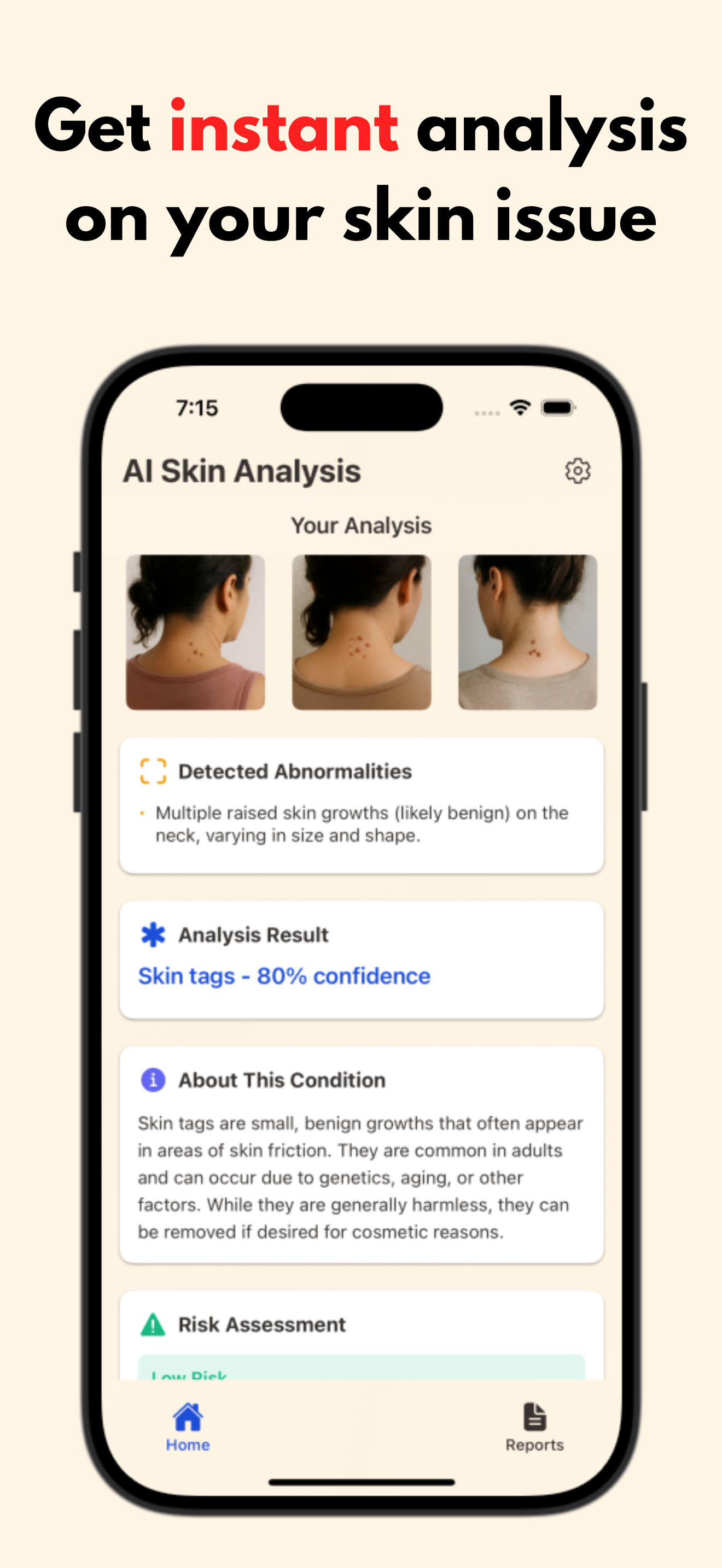
For an instant, AI-powered analysis of your rash, try the Rash Detector app—upload photos and receive possible causes and guidance in seconds for informed decisions.
FAQ
Q: What is the fastest way to get rid of a rash at home?
A: To help relieve a rash, keep the affected area clean and dry using gentle cleansing methods. Apply cool compresses multiple times daily to reduce inflammation and itching. Use fragrance-free moisturizers to restore the skin barrier. For mild inflammatory rashes, 1% hydrocortisone cream can be applied sparingly for up to 7 days. Oral antihistamines may help control itching in allergic rashes. Avoid scratching and known irritants for best results.
Q: What can I put on a rash to stop the itching?
A: Anti-itch options include 1% hydrocortisone cream for mild inflammation, calamine lotion for soothing and drying, colloidal oatmeal baths to calm widespread itch, and oral or topical antihistamines to block allergy-related itching. Natural remedies such as pure aloe vera gel and cool compresses may also provide relief. Always patch-test new products and discontinue use if irritation worsens.
Q: Is hydrocortisone cream good for rashes?
A: Yes, 1% hydrocortisone cream can be effective for reducing inflammation and itching in mild rashes like contact dermatitis and eczema. It should be used as directed, avoiding application on broken or infected skin. Limit use to short durations (no more than 7 days) unless under medical supervision to reduce risk of side effects such as skin thinning.
Q: Should I use ice or a cold compress on a rash?
A: Using a cold compress or ice pack wrapped in a cloth may help reduce itching, redness, and swelling. Apply for 10-15 minutes several times daily. Never place ice directly on the skin to avoid frostbite. Cold compresses are generally a safe, effective way to manage acute itching and inflammation.
Q: What home remedy works best for heat rash or hives?
A: For heat rash, keeping the skin cool and dry through cool baths, loose clothing, and air-conditioned environments may help resolve symptoms. Avoid heavy creams that block sweat ducts. For hives, oral antihistamines reduce itching and swelling, and soothing baths like colloidal oatmeal provide comfort. Always monitor for severe allergic reactions.
Q: When should I see a doctor for a rash instead of treating it at home?
A: Seek medical evaluation if the rash spreads rapidly, is painful or swollen, shows signs of infection (pus, oozing), is accompanied by fever or systemic symptoms, or does not improve after a week of appropriate home care. Rashes on sensitive areas like the face or genitals, or associated with breathing difficulty, require immediate professional attention.