When to See a Doctor About a Rash: Key Signs and Guidance
Wondering when to see a doctor about a rash? Learn warning signs, symptoms, and how to assess urgency. Get expert tips and smart tools for rash care.
Estimated reading time: 7 min
Key Takeaways
- Recognize urgent rash symptoms that require prompt medical attention.
- Understand when self-care is safe—and when to see a doctor about a rash.
- Learn how tools like Rash Detector can support your skin health decisions.
- Discover connections between rash causes, medications, and underlying conditions.
Table of Contents
- Section 1: Why Rashes Can Be Serious
- Section 2: When to See a Doctor About a Rash
- Section 3: Common Rash Causes and Self-Assessment
- Section 4: Using Rash Detector for Quick Guidance
- Conclusion
- FAQ
Section 1: Why Rashes Can Be Serious
The Importance of Proper Rash Assessment
Skin rashes are common, but knowing when to see a doctor about a rash can make a critical difference. While many rashes are harmless and respond well to home care, others signal underlying health issues that need urgent attention. Certain rashes may progress rapidly or be linked to allergies, infections, or drug reactions.
- Some rashes are symptoms of life-threatening conditions, like meningitis or severe allergic reactions (anaphylaxis).
- Drug-induced rashes can escalate quickly; see Drug Rash Treatment: Effective Solutions for Skin Reactions for more.
- Early intervention often leads to better outcomes and faster relief.
Potential Complications of Delaying Care
Ignoring warning signs can lead to complications such as skin infections, scarring, or systemic illness. Swift evaluation by a healthcare provider is crucial when symptoms are severe, spreading, or accompanied by other alarming features.
Section 2: When to See a Doctor About a Rash
Warning Signs: Seek Immediate Medical Attention
If you notice any of the following, seek medical help as soon as possible:
- Sudden onset of rash with difficulty breathing, swelling of the face or throat, or dizziness (signs of a severe allergic reaction).
- Rash with high fever, neck stiffness, headache, or confusion (can indicate meningitis or other serious infection).
- Rash that is rapidly spreading, blistering, or involves the mucous membranes (such as mouth, eyes, or genitals).
- Painful, purple, or black spots that may signal blood vessel involvement or skin necrosis.
- Signs of infection: redness, warmth, swelling, pus, or streaking from the rash site.
Other Times to Consult a Doctor
- Rash persists for more than a week without improvement.
- Associated with new medications—see Rash from Medication: Causes, Symptoms & Next Steps to learn more.
- Accompanied by joint pain, muscle aches, or swollen lymph nodes.
- Interferes with daily activities due to itching, pain, or discomfort.
- Appears in infants, elderly, or immunocompromised individuals.
Self-Care vs. Professional Care
Minor rashes from known causes (like mild eczema, contact dermatitis, or heat rash) can often be managed at home. However, if there's any doubt about severity or the rash is not improving, it's safest to check with a healthcare provider.
Section 3: Common Rash Causes and Self-Assessment
Identifying Triggers and Types
Understanding what might be causing your rash helps determine urgency and the best care path. Common causes include:
- Allergic reactions (e.g., food, medication, plants)
- Infections (viral, bacterial, or fungal)
- Drug reactions (antibiotics, anticonvulsants, etc.)
- Chronic skin conditions (eczema, psoriasis, rosacea)
- Environmental factors (heat, chemicals, friction)
Self-Assessment Tips
- Note when and where the rash appeared.
- Consider recent exposures: new medications, foods, travel, or sick contacts.
- Assess the appearance: flat or raised, red or purple, blistering, dry or oozing.
- Monitor for spreading or systemic symptoms.
For more guidance on treating common rashes, see Skin Rash Treatment: Effective Solutions and Smart Tools.
Section 4: Using Rash Detector for Quick Guidance
How Rash Detector Helps
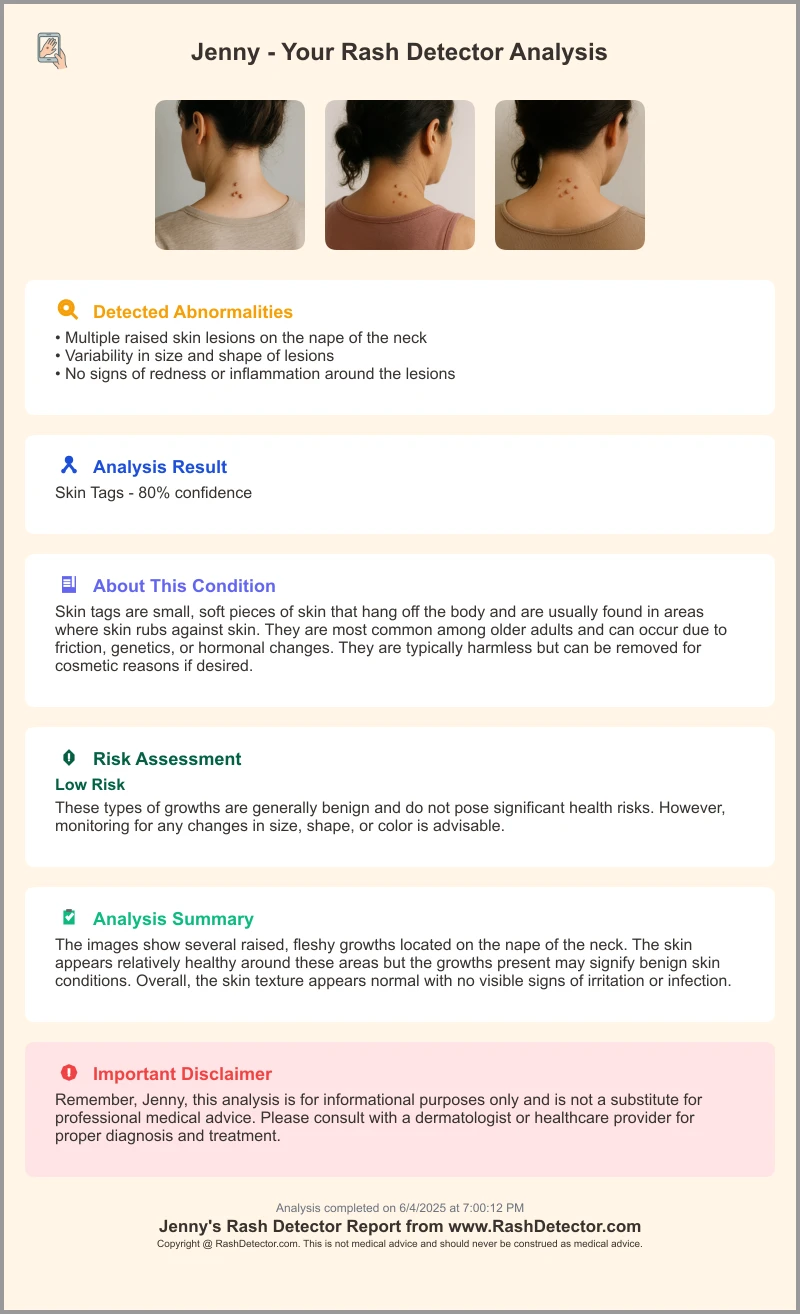
When you're unsure whether to see a doctor about a rash, using a digital tool can accelerate your decision-making. Rash Detector lets you upload three images of your rash or skin issue to receive instant analysis and guidance. This can help you:
- Identify possible causes based on visual patterns.
- Receive tailored suggestions for next steps: self-care or professional evaluation.
- Track changes over time and know when your rash is worsening.
Limitations and When to Escalate
While Rash Detector offers valuable insights, it does not replace a medical diagnosis. Always err on the side of caution if your symptoms match any red-flag criteria from Section 2. If the app suggests urgent care or you're feeling unwell, contact your healthcare provider promptly. Try Rash Detector to help you make an informed decision the next time a skin issue arises.
Conclusion
Knowing when to see a doctor about a rash can prevent complications and provide peace of mind. Watch for warning signs, use self-assessment tools like Rash Detector, and don't hesitate to seek professional advice if anything feels off. Prompt action is your best defense against serious skin and health problems.
FAQ
Q: When should I worry about a rash?
A: If your rash is accompanied by fever, difficulty breathing, swelling, or pain—or is rapidly spreading—seek medical attention immediately.
Q: Can I use Rash Detector instead of seeing a doctor?
A: Rash Detector is a helpful initial tool, but it doesn't replace a doctor's evaluation for serious or unclear symptoms.
Q: What if my rash started after taking new medication?
A: Stop the medication and consult your doctor promptly. Some drug rashes can be dangerous. Learn more from Drug Rash: Causes, Symptoms, and How to Identify It.
初めて衣装を用意する際は、必要な付属品と別途準備するものを先に整理すると進めやすくなります。複数の候補を比較する際は、ブルーアーカイブ コスプレ衣装で仕様の違いを確認できます。注文前に使用日と発送予定を照らし合わせ、試着や調整に使える時間も確保しておくと安心です。
Q: Are child rashes more serious?
A: Rashes in infants and young children can escalate quickly, especially if accompanied by fever or lethargy. Contact a pediatrician promptly.