Hydrocortisone vs Antihistamine: Which Is Best for Rashes & Itch?
Hydrocortisone vs antihistamine: Learn which works best for rash, itch, hives, eczema, and bug bites. See when to use each, home care tips, and red flags to see a doctor.

Estimated reading time: 10 min
Key Takeaways
- Hydrocortisone is a topical steroid that can help calm inflamed, itchy skin—commonly used for eczema, dermatitis, and mild rashes.
- Antihistamines block histamine, which may ease allergy-related itching, hives, and some bug bite reactions.
- Hydrocortisone is often chosen for inflamed or irritated skin; antihistamines may be preferred if allergies or hives are suspected.
- Both are available over-the-counter (OTC), but proper use and safety matter—side effects and cautions differ.
- See a doctor for severe, spreading, painful, or persistent rashes; don’t self-treat serious symptoms.
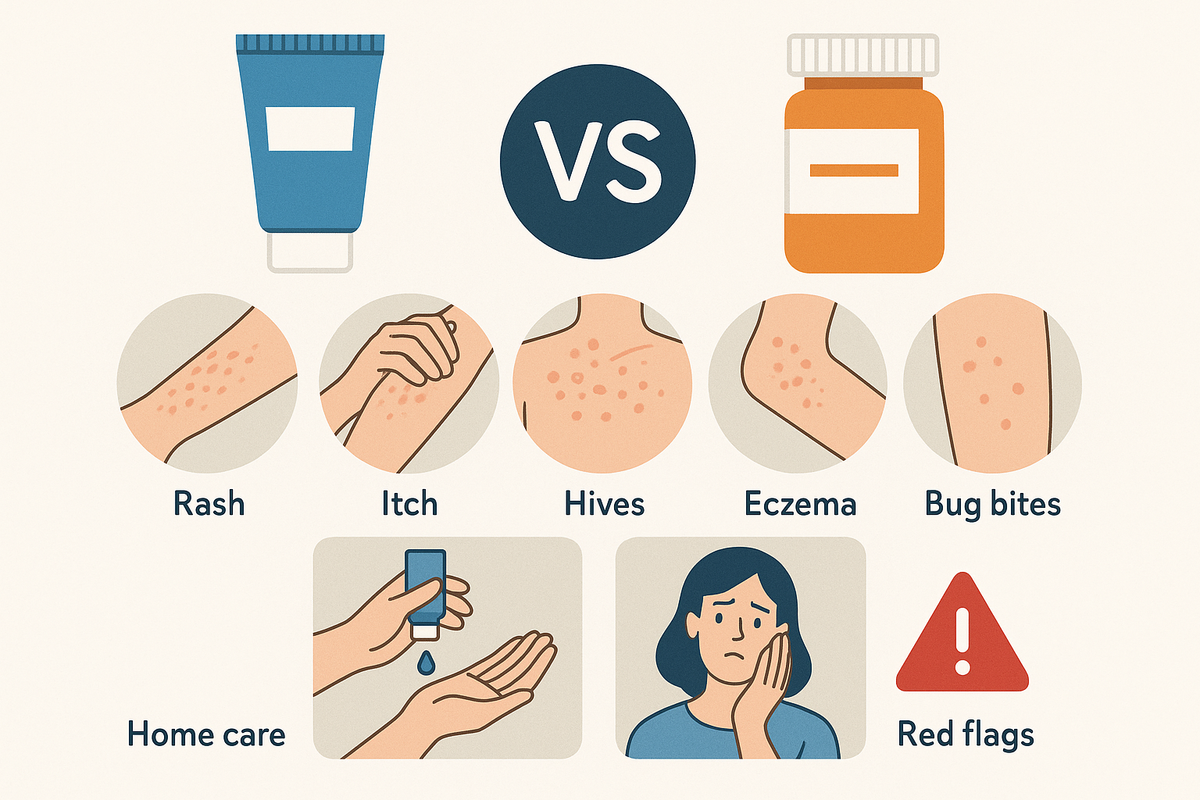
Comparing hydrocortisone vs antihistamine for rash and itch? Here’s a general guide to how they work, when to use each, and how to treat a rash at home—plus when to see a doctor. In summary: Hydrocortisone may help soothe inflamed skin; antihistamines target allergy-related itch. The best choice depends on your symptoms and rash cause.
Quick Comparison
| Feature | Hydrocortisone | Antihistamine |
|---|---|---|
| Type | Topical corticosteroid | Oral or topical histamine blocker |
| How It Works | Reduces skin inflammation and itching by suppressing immune response | Blocks histamine to relieve allergy-related itch and hives |
| Best For | Eczema, contact dermatitis, mild skin rashes, bug bites | Allergic reactions, hives, urticaria, seasonal allergies, some bug bites |
| Common Forms | Cream, ointment, lotion (1% OTC) | Oral tablets (diphenhydramine/loratadine), topical gel/cream (diphenhydramine) |
| Onset of Action | Several hours to see improvement | Oral: 30–60 minutes; Topical: 15–30 minutes |
| Side Effects | Skin thinning, irritation with overuse, possible allergy | Drowsiness (especially oral diphenhydramine), dryness, rare skin allergy |
| Can Use Together? | Yes, with medical advice for persistent symptoms | Yes, with medical advice for persistent symptoms |
| OTC Availability | Yes (1% strength) | Yes (many brands and forms) |
How Hydrocortisone and Antihistamines Work
Hydrocortisone is a mild corticosteroid: it can help calm skin inflammation, reduce redness, and relieve itching by suppressing the local immune response. It’s applied directly to the skin—making it a common ingredient in many anti-itch creams for localized rashes, eczema, or mild dermatitis.
- Not an antihistamine: It doesn’t block histamine but dampens inflammation overall.
- Often used for: Inflamed, scaly, or swollen skin where allergy isn’t the main trigger.
- Commonly used for: Eczema, contact dermatitis, insect bites, mild reaction to irritants.
Antihistamines work differently. They block the effects of histamine—a chemical your body releases during allergic reactions. By doing so, they may help relieve itching, swelling, and redness, especially with hives, allergies, or urticaria.
- Types: Oral (e.g., diphenhydramine, loratadine) and topical (e.g., Benadryl cream).
- Often used for: Allergy-related rashes, hives, intense itch from histamine release.
- Many oral antihistamines can cause drowsiness; newer ones (like loratadine) are less sedating.
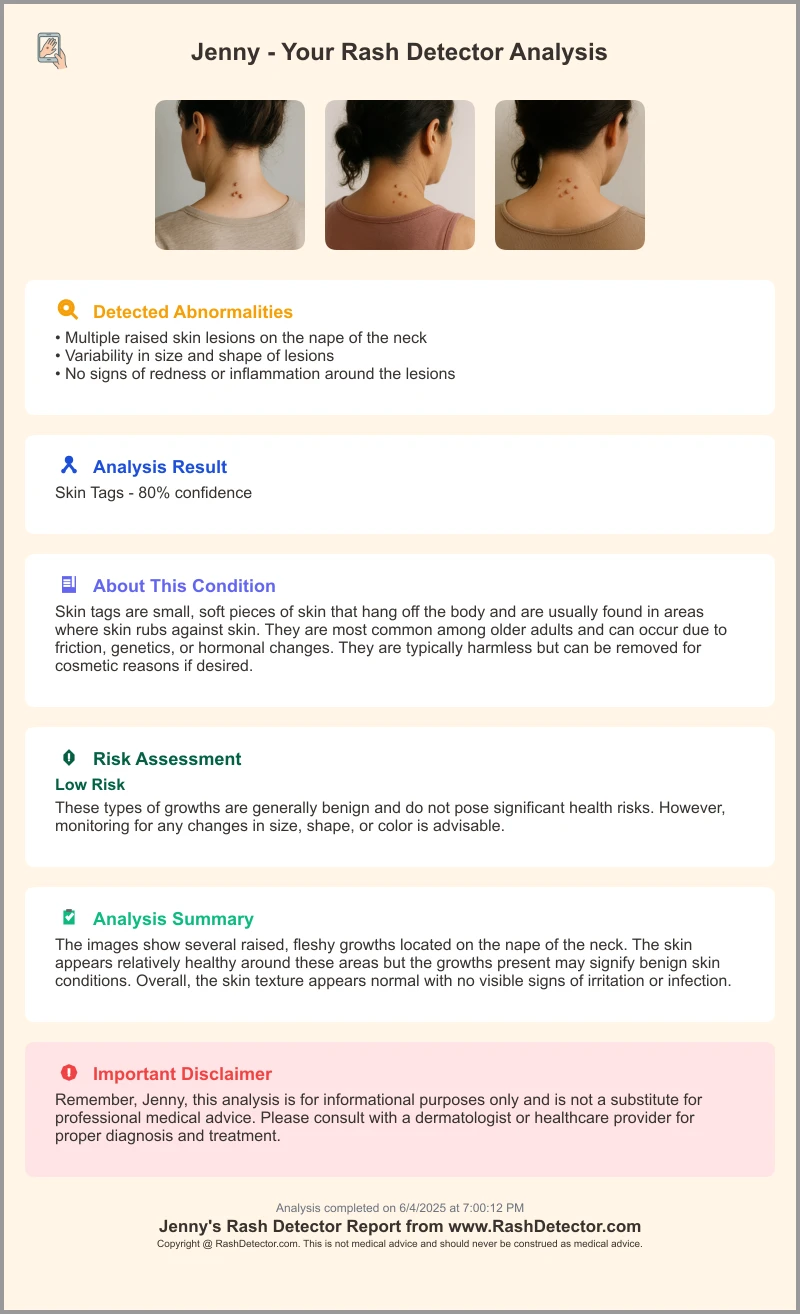
If you’re not sure what’s causing your rash, Rash Detector can help you analyze your symptoms quickly. Upload three images and get instant guidance on likely causes and next steps.
When to Use Hydrocortisone vs Antihistamine
Choosing between hydrocortisone and antihistamines depends on the rash’s cause, type, and symptoms.
- Hydrocortisone: Often used for eczema, contact dermatitis, mild skin inflammation, and some bug bites. It may be helpful when skin is red, itchy, and inflamed but not blistered or infected.
- Antihistamines: Commonly used for allergy symptoms—itching, hives, swelling, or generalized urticaria. Oral antihistamines are generally used for widespread symptoms; topical for small, localized areas.
Hydrocortisone is generally not effective for hives or allergic rashes caused mainly by histamine. Antihistamines may not fully soothe inflamed, scaly, or thickened skin from eczema or dermatitis.
If you’re treating a rash at home, start with gentle washing, apply a fragrance-free moisturizer, and avoid known irritants. For a guide to the best anti-itch creams, see Best Anti Itch Cream: Top Picks and How to Choose.
Hydrocortisone vs Antihistamine for Common Rash Types
- Bug Bites: Both may help. Hydrocortisone can calm swelling; antihistamines (especially oral) may reduce itching if the reaction is more allergic.
- Eczema & Dermatitis: Hydrocortisone is usually preferred. It addresses skin inflammation and may soothe chronic itch. Oral antihistamines are sometimes used at night if itching disrupts sleep, but they’re not considered primary treatment.
- Hives & Allergic Reactions: Antihistamines are generally first-line. Hydrocortisone has little effect on histamine-driven hives.
- Drug Rashes: Always consult a doctor first. For general info, see Drug Rash Treatment: Effective Solutions for Skin Reactions.
Topical antihistamine creams (like Benadryl) can occasionally cause allergic reactions themselves, especially with prolonged use. Don’t use on large areas or broken skin.
Forms, Strengths, and Safety: What to Know
- Hydrocortisone: OTC 1% cream is generally considered safe for short-term use on small areas (face, groin: only with doctor guidance). Limit to 1-2 weeks unless directed by your healthcare provider.
- Antihistamines: Oral forms (like diphenhydramine/Benadryl, loratadine/Claritin) are widely available. Topical creams can be used for small, itchy patches.
Side effects:
- Hydrocortisone: Skin thinning, irritation, acne if used too long or on sensitive skin.
- Oral antihistamines: Drowsiness, dry mouth, dizziness (especially with older types like diphenhydramine).
- Topical antihistamines: Possible local allergy or irritation.
Never use either treatment on infected, blistered, or open skin unless instructed by a healthcare professional. For more on when rashes may signal a medicine allergy, see Medicine Allergy Rash: Causes, Symptoms & What to Do.
Can You Use Hydrocortisone and Antihistamines Together?
In some cases—if you have both inflamed skin and allergic itching—these treatments may be combined. For example, applying hydrocortisone to a patch of eczema while taking an oral antihistamine for overall itch is sometimes recommended.
- Don’t layer multiple creams (hydrocortisone and antihistamine) on the same spot without medical advice.
- Monitor for side effects, and avoid prolonged use without professional guidance.
If your rash is severe, spreading, blistering, or accompanied by symptoms like trouble breathing, seek immediate medical attention. For persistent or unclear rashes, consider using Rash Detector for instant analysis—then follow up with your healthcare provider.
Which Should You Choose?
Choosing between hydrocortisone vs antihistamine depends on the cause and type of rash or itch:
- Use hydrocortisone for most mild, inflamed rashes, eczema, and contact dermatitis—especially if the skin is dry, red, or scaly.
- Use antihistamines (oral or topical) for hives, allergy-related itching, and widespread urticaria.
- For bug bites: Either may help; combine if needed, watching for side effects.
- For drug rashes or severe reactions: Always consult a doctor first. Never self-treat a drug allergy rash.
General at-home rash care: Wash gently with mild soap, pat dry, use a fragrance-free moisturizer, and avoid scratching. For more on how to treat a rash at home and smart tools for skin care, see Skin Rash Treatment: Effective Solutions and Smart Tools.
If your rash is severe, spreading, painful, persistent, or accompanied by fever, shortness of breath, or swelling of the face/tongue, see a doctor or dermatologist immediately. Don’t self-diagnose or delay care for serious symptoms.
FAQ
Is hydrocortisone an antihistamine?No, hydrocortisone is a corticosteroid, not an antihistamine. It reduces skin inflammation, while antihistamines block histamine to help control allergy symptoms.Should I use hydrocortisone or Benadryl cream for itching?It depends on the cause. Hydrocortisone is often used for inflamed, red, or scaly skin (eczema, dermatitis); Benadryl (antihistamine) cream is used for allergy-related itch or hives. Avoid using both creams on the same spot unless advised by a doctor.What is the difference between hydrocortisone and an antihistamine?Hydrocortisone calms skin inflammation, while antihistamines block histamine to relieve allergy-related itching and hives. They work differently and are used for different types of rashes.Can you use hydrocortisone and antihistamines at the same time?Yes, you can use hydrocortisone (on the skin) and an oral antihistamine together if you have both inflammation and allergic itch. Check with a healthcare provider if you plan to combine treatments, especially for severe symptoms.Which works better for eczema, hydrocortisone or antihistamines?Hydrocortisone is usually more effective for eczema because it targets skin inflammation. Antihistamines may help with nighttime itch but are not a primary eczema treatment.Which is better for bug bites: hydrocortisone or antihistamine cream?Both may help. Hydrocortisone can soothe swelling and redness, while antihistamines may reduce itch (especially if it’s allergy-related). For large or severe reactions, see a doctor.
Always consult a doctor or dermatologist for diagnosis and treatment of rashes, especially if your symptoms are severe, spreading, painful, or persistent. This information is for general educational purposes and is not a substitute for professional medical advice.