How to Stop a Rash from Itching: Effective Home Remedies
Discover how to stop a rash from itching with easy home remedies and learn when to see a doctor. Rash Detector explains gentle care and anti-itch treatments.

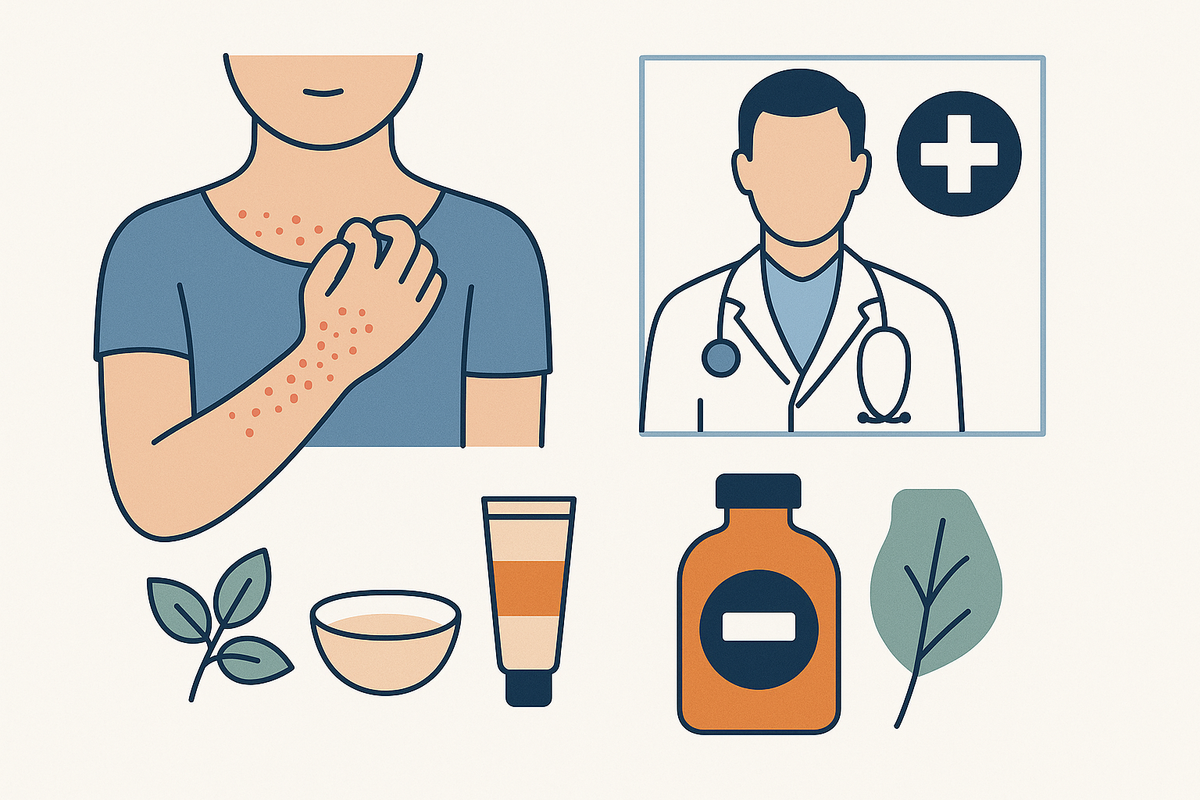
Estimated reading time: 8 min
Key Takeaways
- Cold compresses and lukewarm baths may offer temporary relief for itchy rashes.
- Hydrocortisone, calamine, and gentle moisturizers can help soothe skin at home for some people.
- Avoid scratching and try to identify possible triggers to help prevent further irritation.
- Loose clothing and fragrance-free products may reduce discomfort and flare-ups.
- See a doctor if your rash is severe, spreading, or doesn't improve.
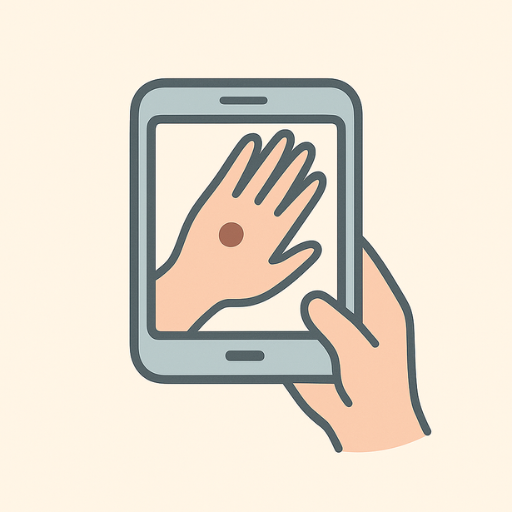
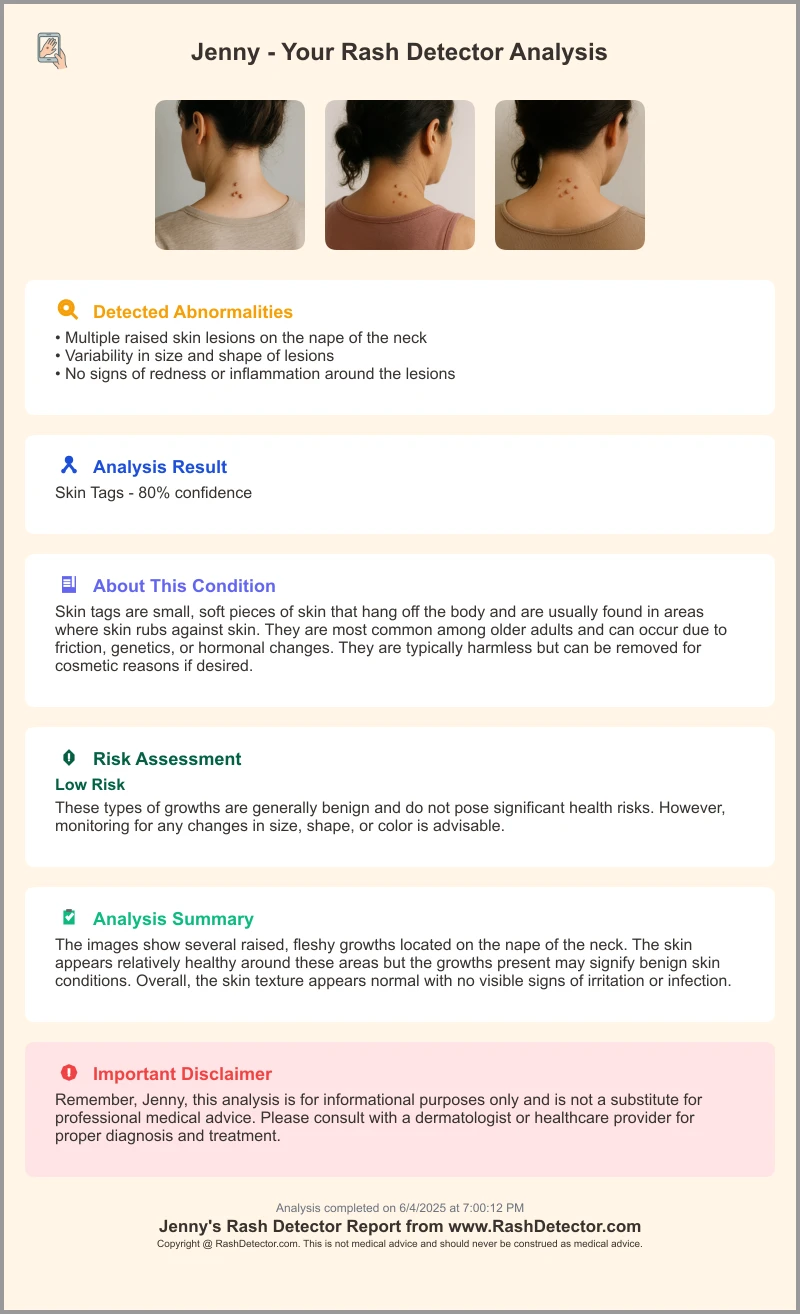
Wondering how to stop a rash from itching quickly and safely? Whether your rash is from allergies, heat, or an unknown cause, itching can be frustrating. This guide covers general information about treating a rash at home, home remedies for a rash, and when to seek professional care. We'll also share options for anti-itch creams and explain the difference between hydrocortisone and antihistamine treatments. For personalized analysis, you can try Rash Detector by uploading three images of your rash to get instant guidance.
Step 1: Cool Down the Itch with Compresses
One way to help relieve itching from a rash is to apply a cold compress. Cooling the skin may temporarily numb nerve endings and reduce discomfort.
- Use a clean, damp washcloth or an ice pack wrapped in a towel.
- Apply to the affected area for 10–15 minutes at a time.
- Repeat as needed throughout the day, especially when itching flares up.
Avoid using ice directly on your skin, as this can cause further irritation.
Step 2: Try Lukewarm Baths and Oatmeal Soaks
Lukewarm baths may help calm irritated skin and can be especially soothing if you add colloidal oatmeal. Oatmeal contains compounds that may help reduce inflammation and itching.
- Fill your tub with lukewarm water (not hot, which can worsen the itch).
- Add a cup of colloidal oatmeal (available at pharmacies) or finely ground plain oats.
- Soak for 10–20 minutes, then gently pat your skin dry.
Baths with baking soda (¼–½ cup per bath) are another option that some people find helpful for mild relief.
Step 3: Apply Topical Treatments Safely
Some over-the-counter (OTC) creams and lotions may help control itching and support skin comfort. Common options include:
- Hydrocortisone cream (1%): May reduce inflammation and itching. Use a thin layer once or twice daily for up to a week, unless otherwise directed by a healthcare provider.
- Calamine lotion: Can soothe and dry oozing rashes, especially from poison ivy or chickenpox.
- Anti-itch lotions: Products with pramoxine or menthol may provide additional relief for some people.
Unsure which to pick? See our guide on Best Anti Itch Cream: Top Picks and How to Choose. If your rash is drug-related, check Skin Rash Treatment: Effective Solutions and Smart Tools for tailored advice.
Always follow label directions, and avoid using strong steroid creams unless instructed by a healthcare provider.
Step 4: Moisturize and Protect Your Skin
Keeping your skin moisturized after bathing may help seal in hydration and support recovery. Dryness can worsen itching and delay healing.
- Gently pat (don’t rub) your skin dry after bathing.
- Apply a fragrance-free, hypoallergenic moisturizer while skin is still damp.
- Choose thick creams or ointments over lotions for the best barrier protection.
Moisturizing is especially important for those with eczema, psoriasis, or sensitive skin.
Step 5: Avoid Scratching and Further Irritation
Scratching a rash can break the skin, increase inflammation, and raise the risk of infection. To help avoid making the itch worse:
- Keep nails short and clean.
- Cover the rash with a loose bandage or clothing if necessary.
- Distract yourself with activities when the urge to scratch hits.
If you have trouble controlling scratching at night, wearing cotton gloves may help.
Step 6: Identify and Avoid Triggers
Many rashes are triggered by contact with allergens, irritants, heat, or sun. Identifying the cause may help with prevention and lasting relief.
- Note any recent changes in soap, laundry detergent, or skincare products.
- Avoid known irritants like fragrances, harsh chemicals, and wool clothing.
- If heat rash is a concern, keep cool and wear breathable fabrics. See How to Prevent Heat Rash: Practical Tips for Every Season.
- Protect skin from direct sun and use gentle, broad-spectrum sunscreen.
For medication-related rashes, read about Rash from Medication: Causes, Symptoms & Next Steps.
Step 7: Make Clothing and Skincare Changes
What you wear and apply to your skin can make a difference in comfort and healing.
- Stick to loose, soft, cotton clothing.
- Avoid tight, synthetic, or scratchy fabrics.
- Use fragrance-free, dye-free cleansers and laundry products.
- Shower with lukewarm water and pat dry — never scrub.
These small changes may help prevent further irritation and support your rash's healing.
Step 8: Consider Oral Antihistamines
Oral antihistamines like cetirizine (Zyrtec), loratadine (Claritin), or diphenhydramine (Benadryl) may help reduce itching, especially if allergies are involved. These medications block the histamine response that can cause itch and swelling.
- Non-drowsy options (cetirizine, loratadine) are generally used for daytime.
- Diphenhydramine may help at night if itching disrupts your sleep.
If you have questions about hydrocortisone vs antihistamines, topical hydrocortisone is often used for localized, inflamed rashes, while antihistamines may help when itching is widespread or allergy-related. Always check with your doctor or pharmacist before starting any new medication.
Step 9: Know When to See a Doctor
Most mild rashes improve with home care, but some situations require medical attention. See a doctor or dermatologist if you notice:
- Rash is spreading rapidly or covers a large area
- Severe pain, blistering, or open sores develop
- Signs of infection: pus, yellow crust, increasing redness, or fever
- You experience difficulty breathing, swelling of the face/throat, or other allergy symptoms
- The rash lasts longer than two weeks without improvement
Never ignore severe, persistent, or rapidly worsening symptoms. Only a healthcare professional can provide a definitive diagnosis and treatment. For instant analysis and guidance, consider uploading photos to Rash Detector — but always follow up with your doctor for serious or unclear cases.
Tips & Common Mistakes
- Don’t use hot water or harsh soaps; both can dry out and irritate your skin.
- Avoid home remedies like vinegar or essential oils, which may worsen rashes.
- Never share creams or ointments; what helps one person may harm another.
- Don’t stop prescribed medication without medical advice if you suspect a drug rash.
- Moisturize often, but avoid thick ointments on oozing or infected skin unless directed by a doctor.
Conclusion
Knowing how to stop a rash from itching involves gentle care, smart product choices, and avoiding triggers. Many mild rashes may respond to cold compresses, lukewarm baths, OTC creams, and moisturizers. Protecting your skin and making simple lifestyle changes can support healing and help prevent future flare-ups. Remember, if your rash is severe, spreading, painful, or just not getting better, it’s important to see a doctor or dermatologist for diagnosis and treatment. For quick insights into possible causes, try Rash Detector by uploading your photos for instant analysis. Your comfort — and skin — deserve expert care.
FAQ
- What is the fastest way to stop a rash from itching?
Applying a cold compress may provide quick, temporary relief from itching. Follow up with a gentle moisturizer and, if appropriate, an OTC anti-itch cream like hydrocortisone. - What can I put on a rash to stop itching at home?
Fragrance-free moisturizers, hydrocortisone cream, calamine lotion, or oatmeal soaks may help. Avoid harsh soaps and always patch-test new products. - Is hydrocortisone or calamine better for an itchy rash?
Hydrocortisone is often used for inflamed, red, or swollen rashes. Calamine may soothe and dry oozing rashes, like those from poison ivy or chickenpox. For more, see Best Anti Itch Cream: Top Picks and How to Choose. - Does a cold compress help itchy rashes?
Yes, a cold compress may numb the area and reduce discomfort, providing temporary itch relief. - When should I see a doctor for an itchy rash?
If your rash is severe, spreading, blistered, infected, or lasts more than two weeks, or if you have symptoms like fever or trouble breathing, see a doctor immediately. - What causes a rash to itch more at night?
Body temperature and blood flow to the skin can increase at night, which may intensify itching. Dry air and lack of distractions can also make the sensation more noticeable.